Step into the sensory kaleidoscope of the Red City with this immersive neighborhood stroll through the historic Medina. This self-guided walk invites you to navigate the winding 'derbs' where the ancient traditions of Moroccan craftsmanship are still very much alive. From the rhythmic clanging of hammers in the metalworkers' quarter to the pungent, earthy scents of the spice markets, this route captures the soul of Marrakech. You will explore a world where time seems to have slowed, yet the energy remains electric. This journey is designed for those who want to experience the Medina's complexity without the pressure of a group, allowing you to pause for a mint tea or haggle for a rug at your own pace. As you navigate this walking route, you will encounter iconic landmarks that define the city's skyline and history. Marvel at the intricate zellij tilework of the Madrasa Ben Youssef and find serenity within the lush greenery of Le Jardin Secret. The path takes you through the heart of the souks, from the vibrant dyers' alley to the historic grain market at Rahba Kedima. Beyond the markets, the route leads to the architectural grandeur of the Bahia and El Badi Palaces, offering a glimpse into the opulent lives of past sultans and viziers. Whether you are a first-time visitor or a returning traveler, this walking tour Marrakech offers a deep dive into the cultural fabric of the city. The experience concludes with a transition from the medieval heart of the city to the modern elegance of the Yves Saint Laurent Museum, illustrating the dual nature of Marrakech—a city that honors its past while embracing contemporary art and fashion. Prepare for a challenging but rewarding exploration of the labyrinth, where every turn reveals a new story, a hidden courtyard, or a master artisan at work. This audio walk provides the context and history needed to truly understand the 'Artisans of the Labyrinth.' **Note:** This area is known for its ever-changing character. Street art, pop-up venues, and temporary exhibitions may differ from what's described. That's part of the adventure - you might discover something entirely new!
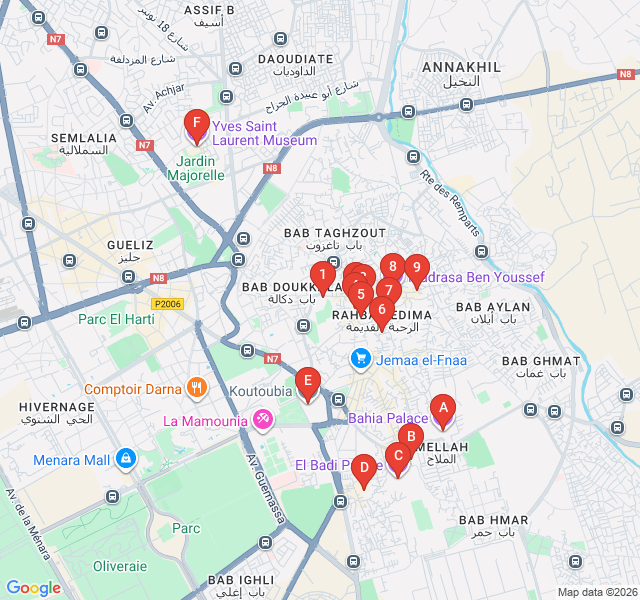
Numbers indicate the order of stops on the tour
Start exploring at Dar El Bacha, the 'Pasha’s House.' Built in 1910, this was the residence of Thami El Glaoui, the powerful Pasha of Marrakech. As you stand before its entrance, imagine the lavish parties held here, attended by world leaders like Winston Churchill. The museum is a masterpiece of Moroccan architecture, featuring intricate carved cedar wood, white marble, and stunning zellij tilework. It now houses the Museum of Cultural Confluences, highlighting the diverse influences on Moroccan identity. Don't miss the famous Bacha Coffee room inside, though it often has a wait—it’s a testament to the city's enduring love for luxury and hospitality.
A 'fondouk' was traditionally an inn for traveling merchants and their animals. Today, Fondouk el Amri serves as a vibrant hub for Moroccan spices, argan oil, and traditional cosmetics. As you enter, the air thickens with the scent of cumin, cinnamon, and dried rosebuds. Look for the colorful pyramids of spices and the various roots used for traditional medicine. This is a great place to observe the importance of herbalism in Moroccan culture. Remember that these spaces are active centers of trade; while visitors are welcome to browse, the hustle of daily business continues around you.
Souk Cherifia offers a different pace compared to the traditional street stalls. This is a curated collection of boutiques where modern Moroccan designers and artisans showcase their work. It’s a fantastic example of how the city’s creative spirit is evolving. You’ll find everything from contemporary fashion and leather goods to unique home decor. The atmosphere here is slightly more relaxed, making it a perfect spot to appreciate the fusion of traditional techniques with modern aesthetics. It represents the 'New Medina'—a space where heritage meets innovation.
Tucked behind high walls, Le Jardin Secret is an authentic Islamic garden that was restored to its former glory in 2016. The complex dates back to the Saadian Dynasty and was once the home of influential political figures. As you walk through the 'Exotic Garden' and the 'Islamic Garden,' notice the precise geometry and the use of water, which symbolizes life and paradise in Islamic culture. The 'khettara' system, an ancient underground irrigation method, is still visible here. It is a rare, quiet sanctuary that provides a stark, beautiful contrast to the busy streets just outside its gates.
Prepare for a burst of color at the Dyers' Souk. This is one of the most photogenic spots in the Medina, where skeins of freshly dyed wool and silk are hung from racks above the alleyways to dry. You might see artisans working with large vats of vibrant indigo, saffron yellow, and poppy red. This craft has remained largely unchanged for centuries. Be mindful that this is a working area; the dyes can be messy, and the artisans are often busy. The sight of the sun hitting the wet, brightly colored threads is a quintessential Marrakech experience that highlights the city's artisanal heritage.
Also known as the 'Spice Square,' Rahba Kedima was historically a grain market and, later, a site for slave trading—a somber part of the city's history. Today, it is a bustling plaza filled with spice sellers, carpet vendors, and traditional apothecaries. You’ll see baskets overflowing with dried herbs, lizard skins used in traditional rituals, and colorful woven hats. The energy here is infectious. It’s a great place to sit at one of the rooftop cafes overlooking the square to observe the daily theater of the market from a distance.
As you approach Souk Haddadine, the sound of rhythmic hammering will guide you. This is the blacksmiths' quarter. Here, artisans craft the intricate iron lanterns and lampshades that Marrakech is famous for. You can see sparks flying as they weld and shape metal into delicate geometric patterns. The air may be smoky, and the environment is industrial, but the skill on display is remarkable. These lanterns, when lit, create the enchanting shadow patterns you see in riads across the city. It’s a raw and authentic look at the hard work behind the city's beauty.
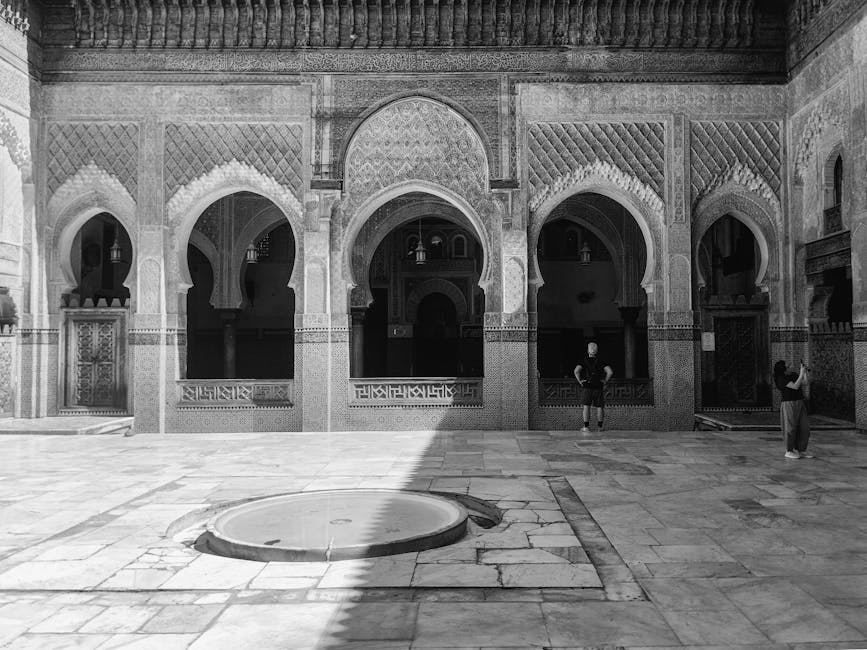
This 14th-century Islamic college was once the largest in North Africa, housing up to 800 students. Rebuilt in the 16th century, it stands as a pinnacle of Moroccan architecture. Look up at the cedar wood carvings and down at the intricate zellij mosaics. The central courtyard, with its large reflecting pool, is designed to inspire contemplation and study. Explore the tiny, austere student cells on the upper floors to get a sense of the rigorous life led by the scholars who lived here. It is a place where every inch of surface is a testament to religious devotion and artistic mastery.
Located in a beautiful riad, the House of Photography (Maison de la Photographie) houses a private collection of over 10,000 vintage photographs of Morocco, dating from 1870 to 1950. The exhibits offer a moving look at the faces, landscapes, and daily life of a Morocco that has largely disappeared. It’s an essential stop for understanding the historical context of the streets you are walking today. The rooftop terrace here is also one of the highest in the area, offering a panoramic view of the Medina roofs and the Atlas Mountains in the distance.
The Bahia Palace, meaning 'Palace of the Beautiful,' was built in the late 19th century by Si Moussa, the Grand Vizier of the Sultan. It was intended to be the greatest palace of its time. As you wander through its 150 rooms and sprawling courtyards, you’ll see the finest examples of Moroccan craftsmanship: painted ceilings, carved stucco, and lush gardens filled with orange trees. The palace was designed to capture the essence of Islamic and Moroccan style. Even though the rooms are empty of furniture today, the sheer scale and detail of the architecture speak volumes about the power and wealth of its former inhabitants.
Place des Ferblantiers, or Tinsmiths Square, is located at the edge of the Mellah (the historic Jewish Quarter). This open plaza is lined with workshops where artisans specialize in tin and metalwork. You’ll see them creating everything from simple kitchenware to elaborate decorative boxes and mirrors. The square was renovated recently and serves as a gateway between the royal palaces and the Jewish Quarter. It’s a less claustrophobic space than the inner souks, allowing you to see the craftsmen at work in the bright Moroccan sun. Notice the storks often nesting on the nearby ancient walls.
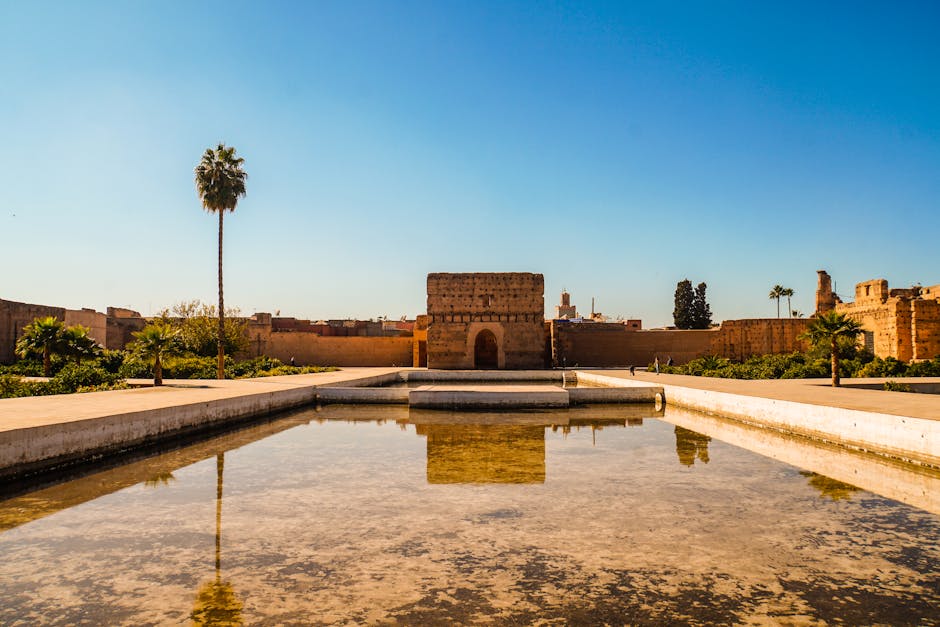
Though now a sprawling ruin, El Badi Palace was once known as 'The Incomparable.' Commissioned by Sultan Ahmad al-Mansur in 1578, it was funded by the ransom paid by the Portuguese after the Battle of the Three Kings. It reportedly took 25 years to build using the most expensive materials of the time, including gold, turquoise, and Italian marble. Today, you can explore the massive sunken gardens and the underground tunnels. Don't miss the Minbar of the Koutoubia, a 12th-century prayer pulpit housed in a small museum on-site, which is a masterpiece of woodworking.
Sealed away for centuries and only rediscovered by aerial photography in 1917, the Saadian Tombs are a royal necropolis. The site contains the graves of about sixty members of the Saadian Dynasty. The highlight is the Hall of the Twelve Columns, where Sultan Ahmad al-Mansur is buried. The room features incredible vaulted ceilings and intricate carvings that rival any palace. The tombs are a poignant reminder of the city's golden age. The gardens between the mausoleums are filled with the graves of soldiers and servants, all decorated with colorful tiles, creating a surprisingly peaceful atmosphere.
The Koutoubia Mosque is the largest mosque in Marrakech and its 77-meter minaret is the city’s most famous landmark. Built in the 12th century, its design influenced the Giralda in Seville and the Hassan Tower in Rabat. While non-Muslims cannot enter the mosque itself, the surrounding gardens and the exterior of the tower are magnificent. The name 'Koutoubia' comes from the Arabic word for 'bookseller,' as there was once a large book market located at its base. Listen for the call to prayer, which echoes from this tower across the entire city five times a day.
The final stop on this self-guided walk takes you to the modern district of Guéliz to visit the Musée Yves Saint Laurent. This museum is a tribute to the legendary fashion designer who fell in love with Marrakech in 1966 and made it his second home. The building’s architecture is a stunning blend of curves and straight lines, using terracotta bricks to mimic the weave of fabric. Inside, you’ll find a permanent collection of Saint Laurent's iconic work, which was deeply influenced by the colors and culture of Morocco. It is a fitting end to your journey, showing how the traditions of the Medina continue to inspire global art.
Download Zigway to experience "Artisans of the Labyrinth: A Souk Discovery Walk" with AI-powered audio narration. Walk at your own pace while stories unfold around you.
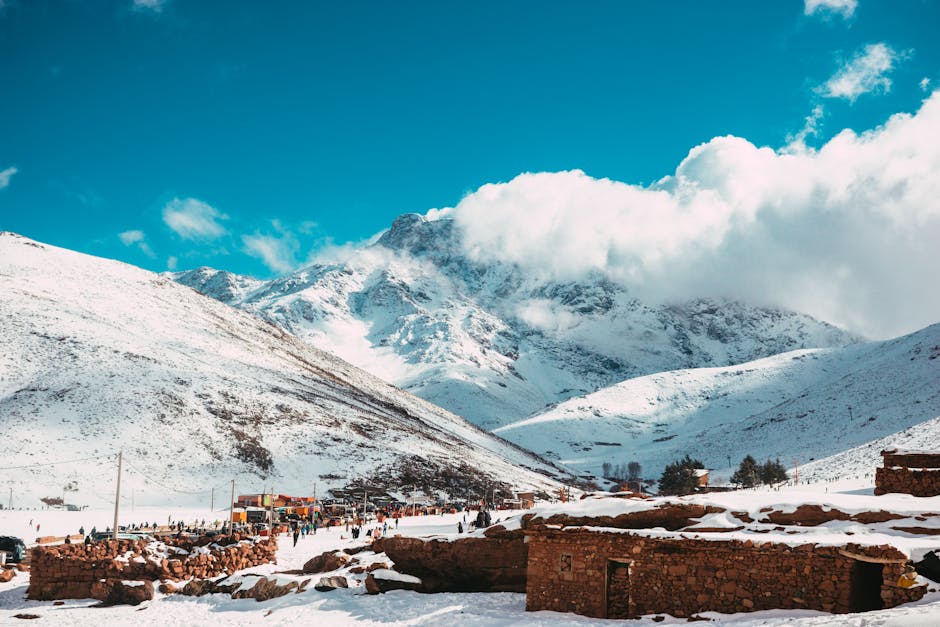 Challenging
Marrakech, Morocco
Discover the 'Sabatu Rijal' on this self-guided spiritual walk through the Medina's historic shrines and hidden Sufi landmarks.
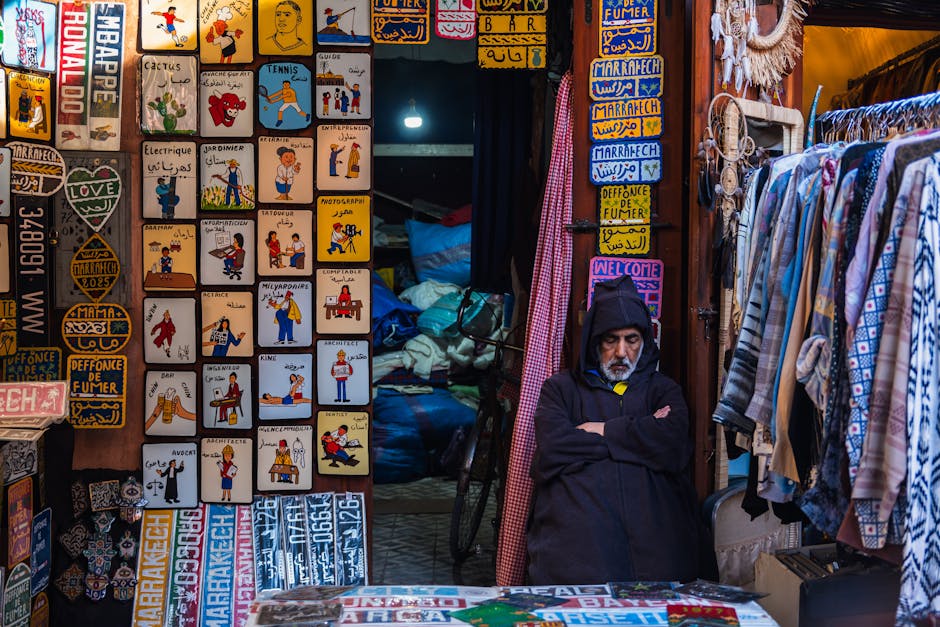 Easy
EasyMarrakech, Morocco
Follow the footsteps of Yves Saint Laurent through Marrakech's iconic gardens and colonial landmarks on this elegant self-guided fashion walk.
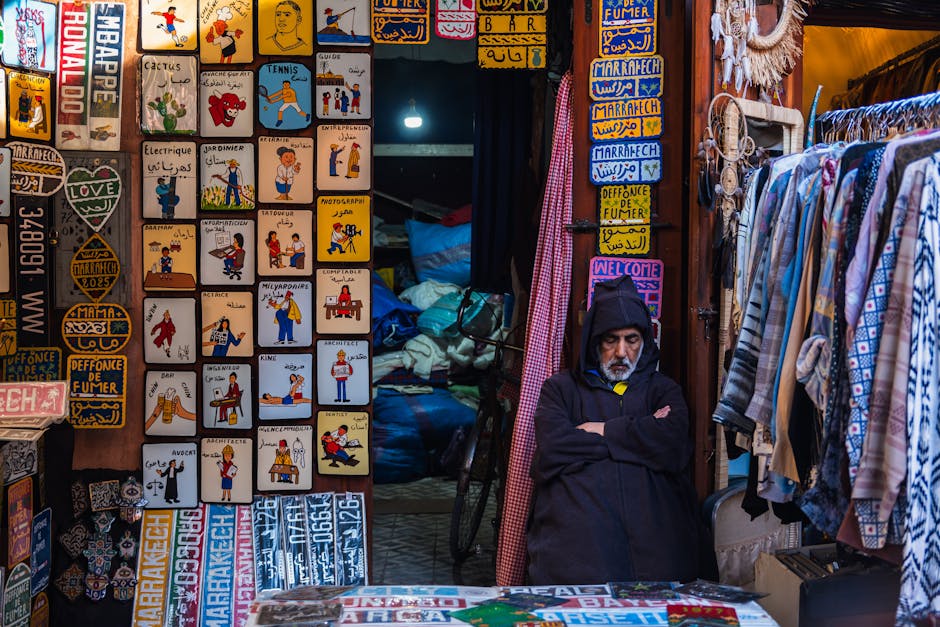 Easy
EasyMarrakech, Morocco
Discover the stylish side of the Red City on this self-guided walk through Marrakech's premier design concept stores and contemporary art galleries.
 Easy
EasyMarrakech, Morocco
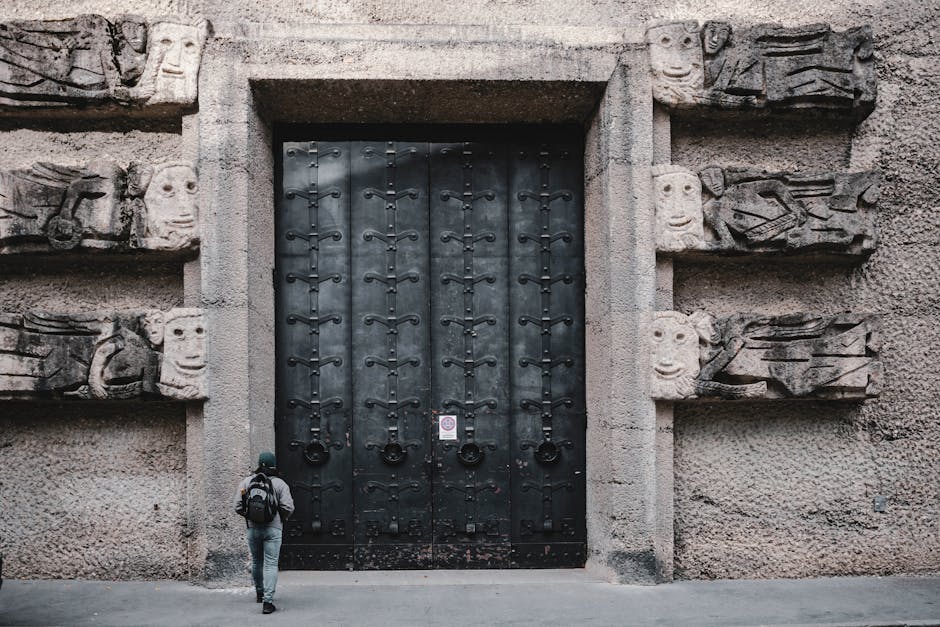
Discover the intricate art and hidden history of Marrakech's historic doors and riads on this self-guided architectural walk through Mouassine.
 Easy
EasyNairobi, Kenya
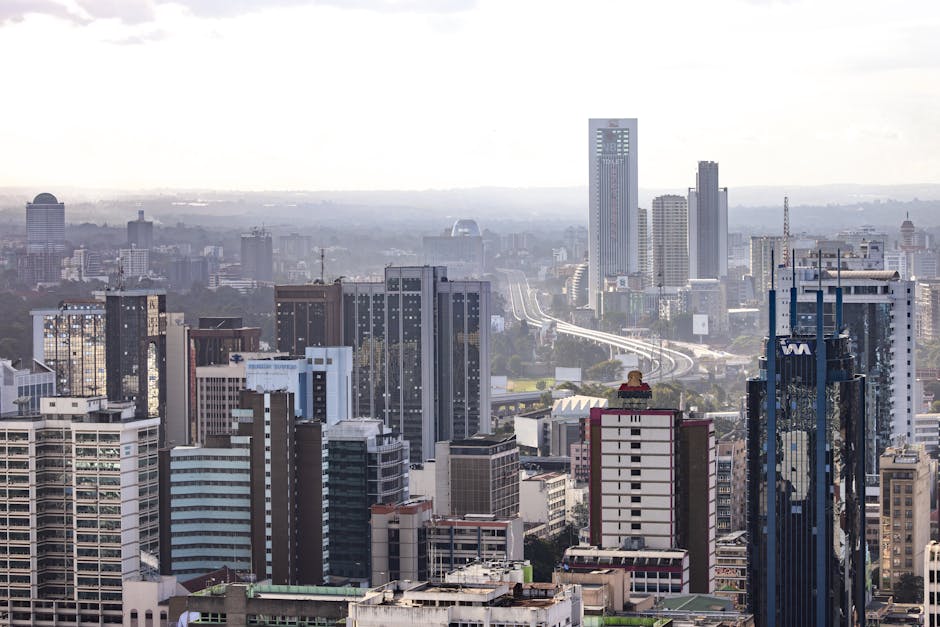
Discover Nairobi's iconic skyline on this self-guided architecture walk through the CBD’s most famous modernist and Brutalist landmarks.
 Easy
EasyInnsbruck, Austria
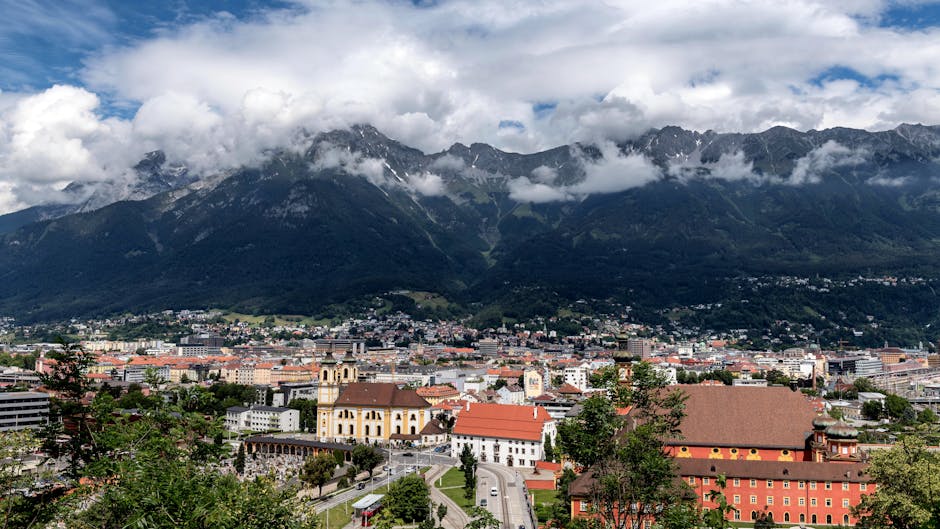
Discover the flavors of Tyrol on this self-guided stroll through Innsbruck’s historic Old Town and vibrant market hall.
 Easy
EasySalzburg, Austria
Discover the 'Rome of the North' on this self-guided walk through the Baroque squares and monumental legacy of Salzburg’s Prince-Archbishops.
 Easy
EasyGdansk, Poland
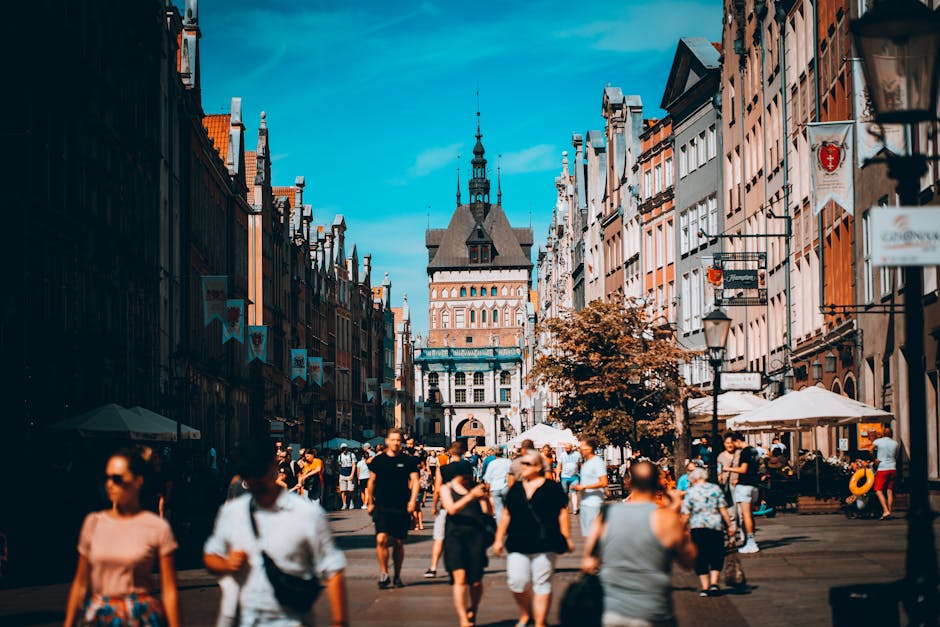
Taste the history of the Baltic. Explore Gdansk's culinary heritage from medieval markets to gold-flecked liqueurs on this self-guided walk.
 Moderate
Fes, Morocco
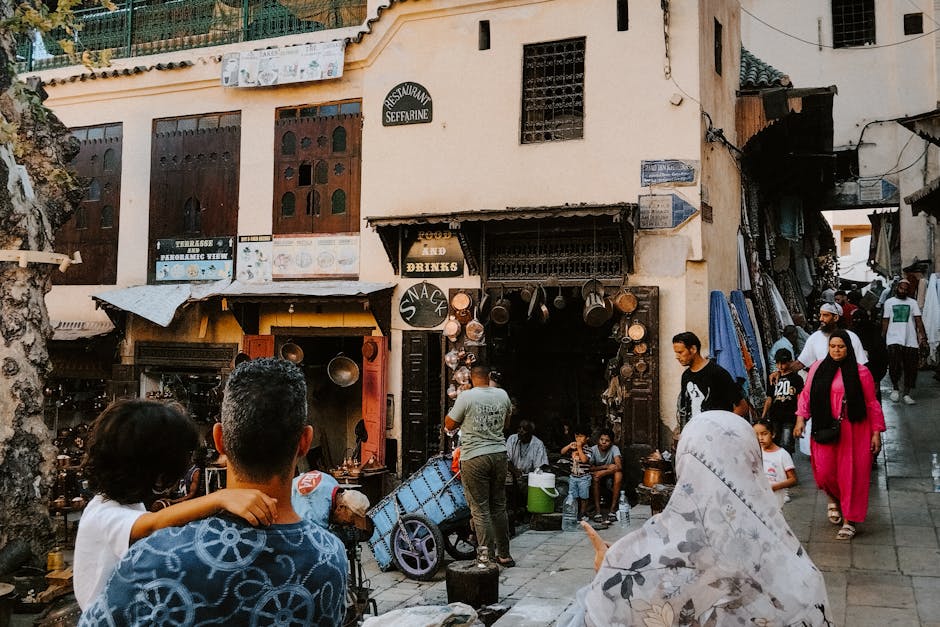
Taste your way through the medieval medina of Fes. Discover ancient spice markets, hidden street eats, and the evolution of Moroccan flavors.
 Easy
EasyFes, Morocco
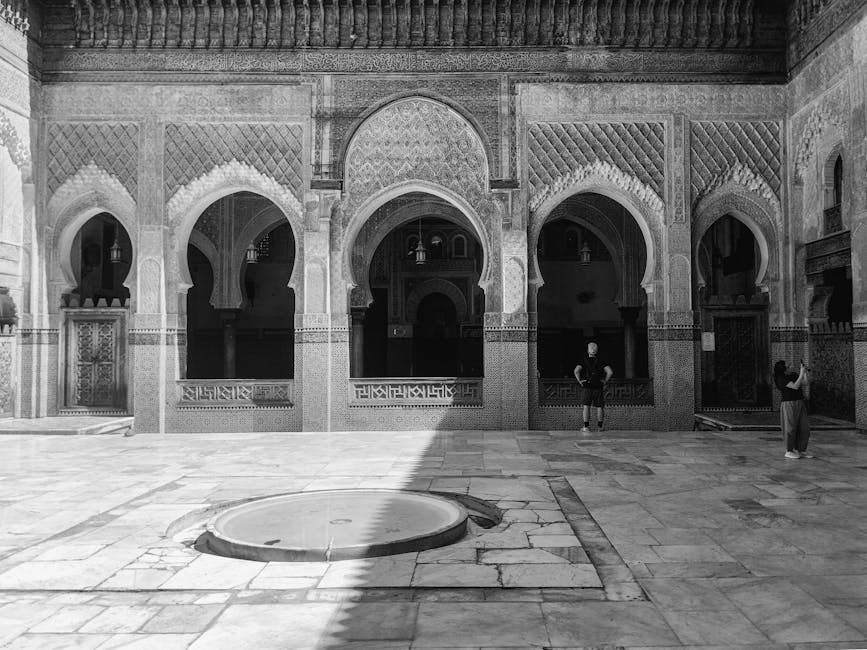
Explore the French-era boulevards and Art Deco gems of Fes on this self-guided walk through the vibrant Ville Nouvelle neighborhood.
 Challenging
Fes, Morocco
Ascend the northern hills of Fes for a breathtaking sunset walk overlooking the world's largest car-free urban space and ancient royal ruins.
 Easy
EasyFes, Morocco
Discover the architectural wonders of Fes. Explore medieval madrasas and sacred sites on this self-guided walk through the ancient medina.
