Embark on a profound journey through time with this self-guided walk exploring the 2,000-year history of the Jewish community in Cologne. As the oldest Jewish settlement north of the Alps, Cologne holds layers of heritage that are often hidden in plain sight amidst its modern reconstruction. This walking route invites you to discover the resilient spirit of a community that has shaped the city’s identity since the Roman era. From the remains of the medieval Jewish quarter to the poignant memorials of the 20th century, you will encounter the 'silent witnesses' that tell a story of cultural flourishing, persecution, and modern revival. Your exploration begins in the heart of the Altstadt, where the Archaeological Zone reveals the foundations of a once-thriving medieval neighborhood. You will see the site of the historic Mikveh, a ritual bath that dates back centuries, before moving toward more somber chapters of history at the National Socialism Documentation Center. This neighborhood stroll balances the weight of the past with the vibrancy of the present, leading you to the Neo-Romanesque Roonstraße Synagogue, the center of Jewish life today. Along the way, you will learn about influential figures like Edith Stein and witness the subtle power of the Stolpersteine—small brass plaques that serve as a decentralized memorial across the city's pavements. This independent travel experience allows you to reflect at your own pace. Whether you are interested in Roman archaeology, medieval social history, or the architectural evolution of the city, this walking route provides a comprehensive overview of Cologne’s Jewish legacy. The path is easy to navigate and offers plenty of opportunities to stop at local cafes or explore nearby museums. By the end of this self-guided adventure, you will have a much deeper understanding of how the Jewish community has been an inseparable part of Cologne’s fabric for two millennia. This is more than just a walking tour Cologne offers; it is a deep dive into the soul of one of Europe’s most historic cities.
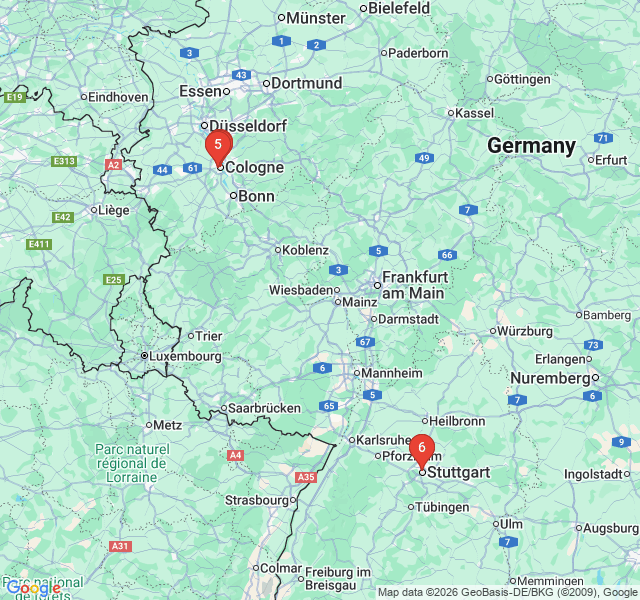
Numbers indicate the order of stops on the tour
Beneath the Rathausplatz lies one of the most significant remnants of medieval Jewish life in Europe. The Mikveh is a Jewish ritual bath, used for spiritual purification. In Cologne, this structure dates back to at least the 12th century, though it likely has even older foundations. It was once the heart of a vibrant Jewish quarter that thrived until the 14th century. The bath was fed by groundwater, requiring it to be dug deep into the earth. Today, it stands as a testament to the long-standing presence of the Jewish community here, serving as a physical link to a medieval world that was nearly lost to history.
Standing here in the shadow of the City Hall, you are looking at one of the largest archaeological excavations of its kind. This site, known as the MiQua, encompasses both the Roman Governor's Palace and the medieval Jewish Quarter. For centuries, this was the center of power and community in Cologne. Archaeologists have uncovered street layouts, house foundations, and thousands of artifacts that illustrate daily life from the Roman era through the Middle Ages. It is a unique 'city under the city,' showing how layers of different cultures and eras are literally stacked upon one another in Cologne's soil.
Commonly known as the EL-DE Haus, this building served as the headquarters of the Cologne Gestapo from 1935 to 1945. While it is a place of deep tragedy, it is a vital stop for understanding the 20th-century history of Cologne's Jewish community. The basement still contains the original prison cells, where inscriptions left by prisoners on the walls remain visible today. The center serves not only as a memorial to the victims of the Nazi regime but also as a research facility dedicated to documenting this dark period. It provides an unflinching look at how the city's Jewish population was systematically persecuted and deported.
This memorial commemorates Edith Stein, a remarkable woman who was born into a Jewish family, became a renowned philosopher, and later converted to Catholicism, becoming a Carmelite nun. Despite her conversion, she was arrested by the Nazis in the Netherlands and murdered at Auschwitz in 1942. The monument, created by artist Bert Gerresheim, is complex and symbolic. It depicts Stein in three stages of her life: as a Jewish philosopher, as a nun, and as a martyr. It serves as a bridge between the Jewish and Christian faiths and honors her intellectual and spiritual legacy in the face of absolute evil.
The Roonstraße Synagogue is the spiritual and cultural heart of Cologne’s modern Jewish community. Completed in 1899 in a Neo-Romanesque style, it was the only synagogue in the city to be rebuilt after the destruction of the Kristallnacht pogroms in 1938. Its distinctive dome and ornate facade make it a landmark of the Neustadt-Süd district. Inside, the synagogue houses a community center, a museum, and a kosher restaurant. It represents the 'New Beginning' of Jewish life in Germany after the Holocaust and stands as a symbol of the community's endurance and continued contribution to Cologne’s cultural diversity.
As you walk through Cologne, you will notice small brass-capped stones embedded in the pavement. These are 'Stolpersteine,' or 'stumbling stones,' a project started by Cologne-based artist Gunter Demnig. Each stone is hand-engraved with the name, birth date, and fate of a victim of Nazi persecution, placed in front of the last residence they chose freely. There are thousands of these stones across Europe, but the project began here in Cologne. They are designed to make you 'stumble with your heart' and to bring the memory of the individuals back to the places where they once lived and belonged.
Download Zigway to experience "Silent Witnesses: Cologne’s Jewish Heritage" with AI-powered audio narration. Walk at your own pace while stories unfold around you.
 Easy
EasyCologne, Germany
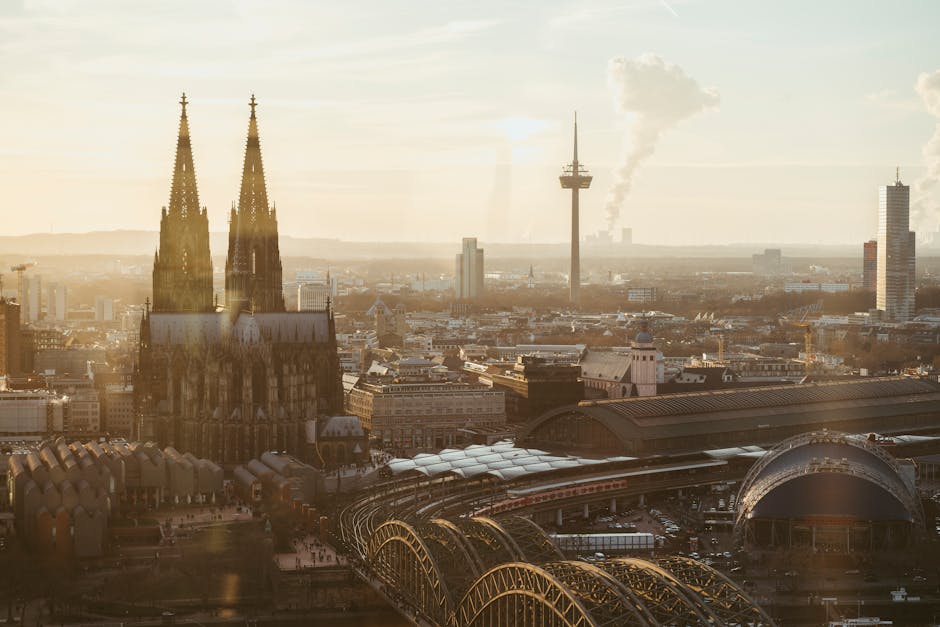
Explore ancient Colonia. Discover Roman ruins, imperial palaces, and hidden monuments on this self-guided walk through Cologne's historic heart.
 Easy
EasyCologne, Germany
Discover the legends and liquid gold of Cologne’s Altstadt on this self-guided walking route through historic breweries and ancient squares.
 Moderate
Cologne, Germany
Discover the heart of Cologne's Südstadt. Explore medieval gates, Romanesque churches, and vibrant local life on this self-guided neighborhood walk.
 Easy
EasyCologne, Germany
Discover Cologne's trendiest district at your own pace. Explore chic boutiques, historic facades, and the vibrant social heart of the Belgian Quarter.
 Easy
EasyKrakow, Poland
Explore the historic heart of Kazimierz on this self-guided walk through synagogues, ancient cemeteries, and vibrant squares.
 Easy
EasyNairobi, Kenya
Discover Nairobi’s literary soul on this self-guided walk through historic libraries, iconic bookshops, and cultural centers in the heart of the CBD.
 Easy
EasySalzburg, Austria
Discover the 'Rome of the North' on this self-guided walk through the Baroque squares and monumental legacy of Salzburg’s Prince-Archbishops.
 Easy
EasyWarsaw, Poland
Follow the life of Fryderyk Chopin through Warsaw’s historic center. See where he lived, studied, and where his heart remains today.
 Easy
EasyBerlin, Germany
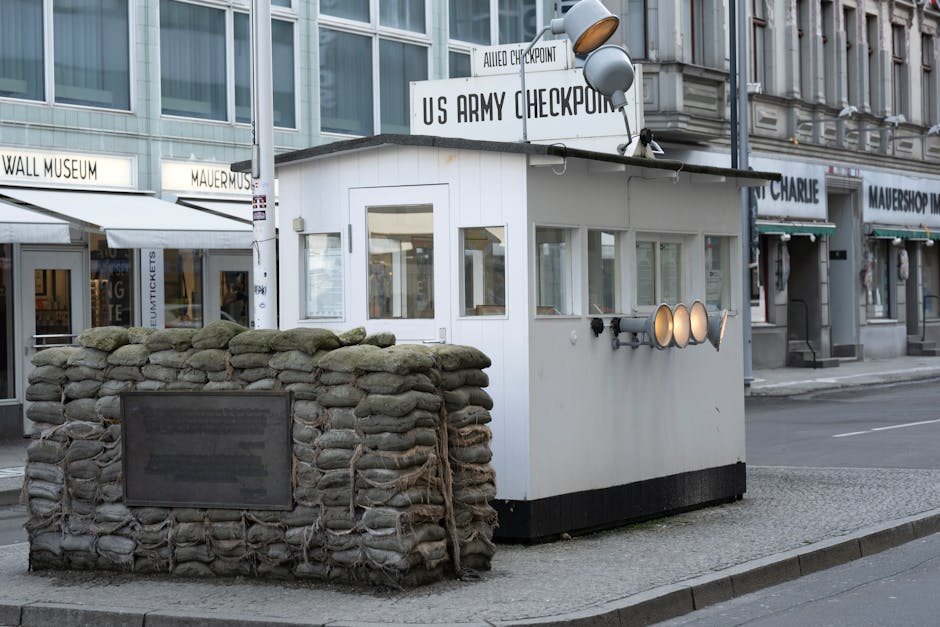
Explore the sites of Nazi power and the memorials that honor its victims on this self-guided walk through Berlin's historic Wilhelmstraße district.
 Moderate
Berlin, Germany
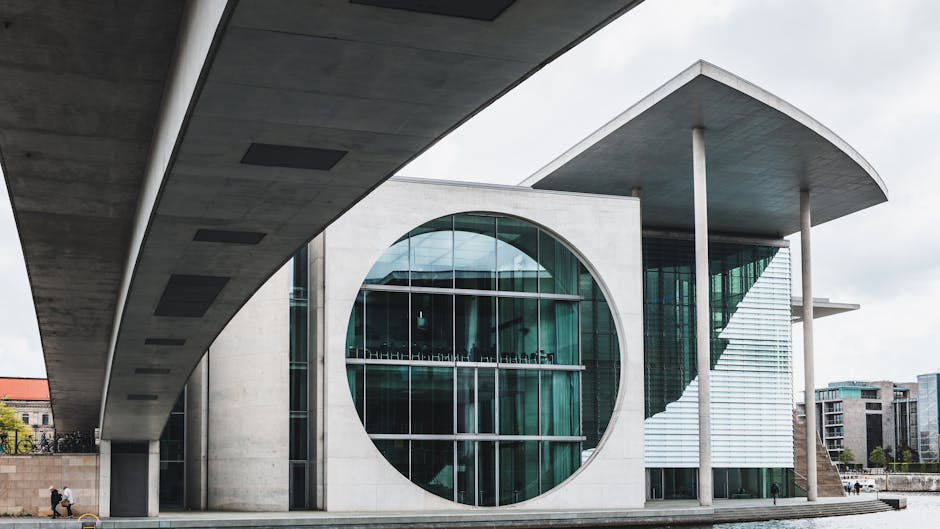
Explore Berlin’s 'Green Heart' on a self-guided walk through royal history, Cold War memorials, and serene lakeside gardens.
 Moderate
Berlin, Germany
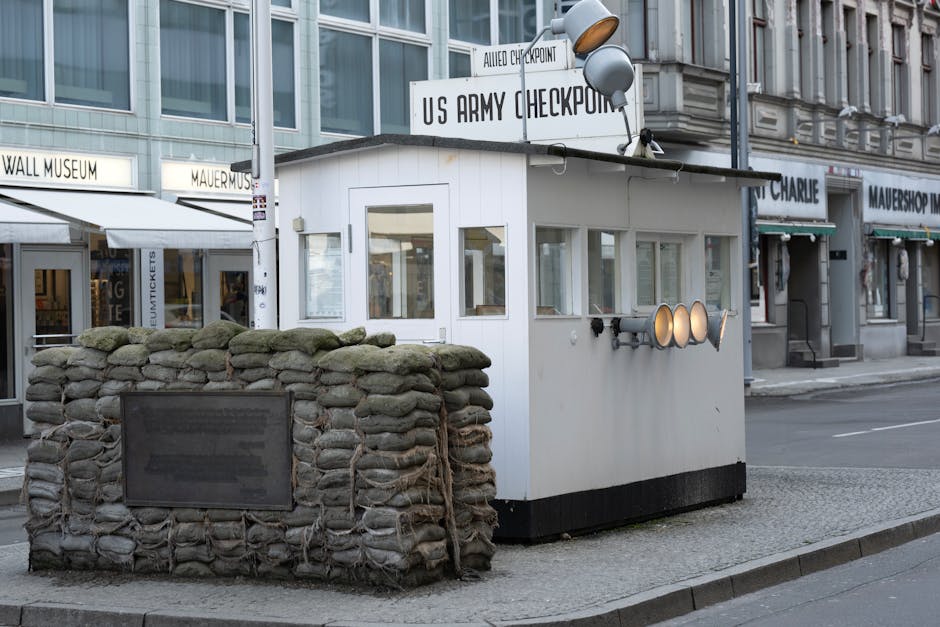
Discover the legacy of the Berlin Wall on this self-guided walk from historic ghost stations to the vibrant street art and cafes of Mauerpark.
 Easy
EasyBerlin, Germany
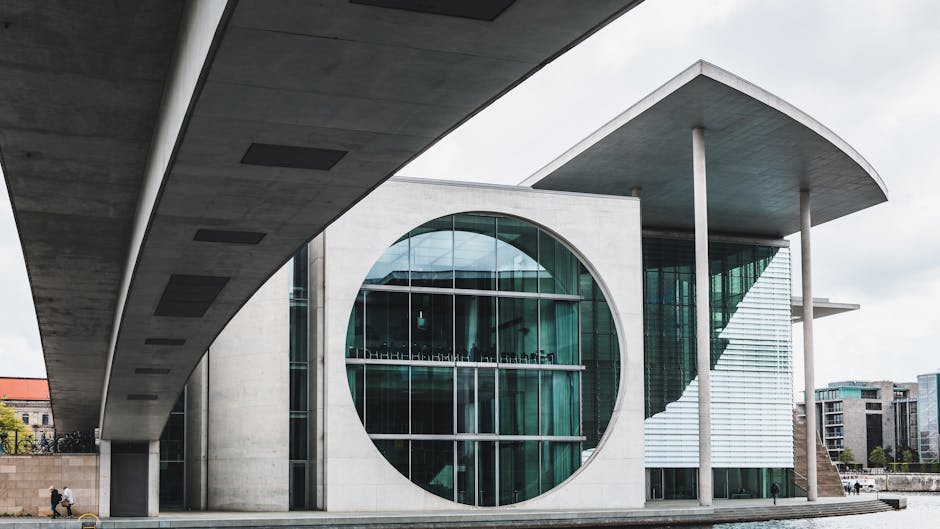
Discover the soul of 1920s Berlin on a self-guided walk through Charlottenburg’s iconic literary cafes, historic theaters, and artistic landmarks.
