Step into the vibrant heart of Schöneberg, a district that pioneered queer visibility long before it was a global movement. This self-guided walk through Berlin's 'Rainbow Neighborhood' invites you to uncover the layers of history that transformed these streets into a sanctuary for the LGBTQ+ community during the roaring 1920s. As you explore independently, you will discover why this area was once known as the queer capital of the world, hosting legendary figures, avant-garde theaters, and a spirit of liberation that even the darkest chapters of the 20th century could not fully extinguish. Your walking route begins at Nollendorfplatz, the iconic gateway to the district, where rainbow flags fly year-round. From here, the journey takes you past the METROPOL, a venue that has evolved from a grand theater to a legendary nightclub, reflecting Berlin's ever-changing social landscape. You will visit the very doorstep where author Christopher Isherwood lived, finding the inspiration for 'Goodbye to Berlin' and the world-famous musical 'Cabaret.' As the path leads you deeper into the neighborhood, the atmosphere shifts from the bohemian energy of Winterfeldtplatz to the somber, reflective streets of the Bavarian Quarter. Here, unique 'Places of Remembrance' memorials offer a powerful lesson in history and human rights. The route concludes at the majestic Rathaus Schöneberg, the former seat of the West Berlin government and the site of John F. Kennedy’s historic 'Ich bin ein Berliner' speech. This neighborhood stroll is more than just a history lesson; it is an exploration of identity, resilience, and the enduring quest for freedom. Whether you are interested in literary history, political milestones, or simply soaking up the local atmosphere, this self-guided adventure provides the flexibility to stop at a local café or spend extra time at the memorials. Experience the legacy of Schöneberg at your own pace and see how this historic quarter continues to shape Berlin's inclusive identity today.
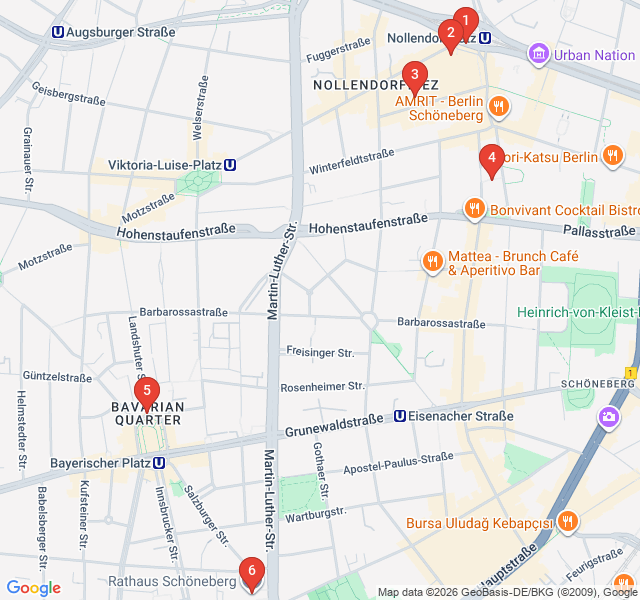
Numbers indicate the order of stops on the tour
Welcome to Nollendorfplatz, the historic epicenter of Berlin's queer life. Since the early 20th century, this square has served as a beacon of tolerance. Even during the 1920s, the surrounding streets were home to dozens of LGBTQ+ bars and cafes. Look up at the U-Bahn station’s dome, which is illuminated in rainbow colors at night. Nearby, you will find a plaque shaped like a pink triangle, a memorial to the gay victims of National Socialism. This spot serves as a powerful reminder of both the district's celebratory past and its resilience through tragedy. Today, it remains the heart of the annual Motzstraßenfest, one of Europe's largest street festivals.
Standing before you is the METROPOL, a building that perfectly encapsulates Berlin’s architectural and cultural transformations. Originally built in 1906 as the 'Neues Schauspielhaus' theater and concert hall, it later became the 'Theater am Nollendorfplatz' where Erwin Piscator pioneered political theater. In the late 1970s and 80s, it transformed into the Metropol, a legendary discotheque that was a cornerstone of the city's synth-pop and queer clubbing scene. Imagine the nights when icons like Depeche Mode performed here. Its grand facade hides a history of artistic revolution and late-night liberation, standing as a monument to Berlin’s status as a city that never sleeps.
Located at Nollendorfstraße 17, this unassuming apartment building holds a massive literary legacy. In the early 1930s, British author Christopher Isherwood lived here as a lodger. His experiences in this house and the characters he met—like his fellow boarder Jean Ross—provided the basis for his novel 'Goodbye to Berlin.' This work later inspired the play 'I Am a Camera' and the legendary musical and film 'Cabaret.' As you stand here, think of the 'divine decadence' Isherwood described, capturing the fleeting, vibrant, and increasingly desperate atmosphere of Berlin as the Weimar Republic came to a close.
Winterfeldtplatz is the social heart of Schöneberg. Dominated by the brick architecture of St. Matthias Church, the square is best known for its sprawling bi-weekly market. On market days, the air is filled with the scent of fresh flowers, artisanal cheeses, and local street food. This square has long been a gathering place for political activists and the local community. It represents the everyday life of the neighborhood—a place where the historic queer identity meets the family-friendly, residential vibe of modern Schöneberg. It is the perfect spot to pause, grab a coffee, and watch the world go by.
As you enter the Bavarian Quarter, or Bayerisches Viertel, the atmosphere changes. This was once a prestigious residential area with a large Jewish population, including residents like Albert Einstein. Look up at the lampposts to see the 'Places of Remembrance' (Orte des Erinnerns). These 80 signs feature simple illustrations on one side and the text of Nazi-era anti-Jewish laws on the other. Created by artists Renata Stih and Frieder Schnock, this decentralized memorial forces us to confront how discrimination was woven into the fabric of daily life. It is a sobering but essential part of understanding Schöneberg’s history.
Our walk ends at Rathaus Schöneberg, the former city hall of West Berlin during the Cold War. It was on these steps in June 1963 that U.S. President John F. Kennedy delivered his famous 'Ich bin ein Berliner' speech, expressing solidarity with the people of a divided city. For decades, this building was the center of political power for the democratic enclave of West Berlin. The square in front of it is now named John-F.-Kennedy-Platz. Take a moment to admire the bell tower, which houses the Liberty Bell, a gift from the United States inspired by the original in Philadelphia, symbolizing the defense of freedom.
Download Zigway to experience "Rainbow Schöneberg: The World’s First Queer Neighborhood" with AI-powered audio narration. Walk at your own pace while stories unfold around you.
 Easy
EasyBerlin, Germany
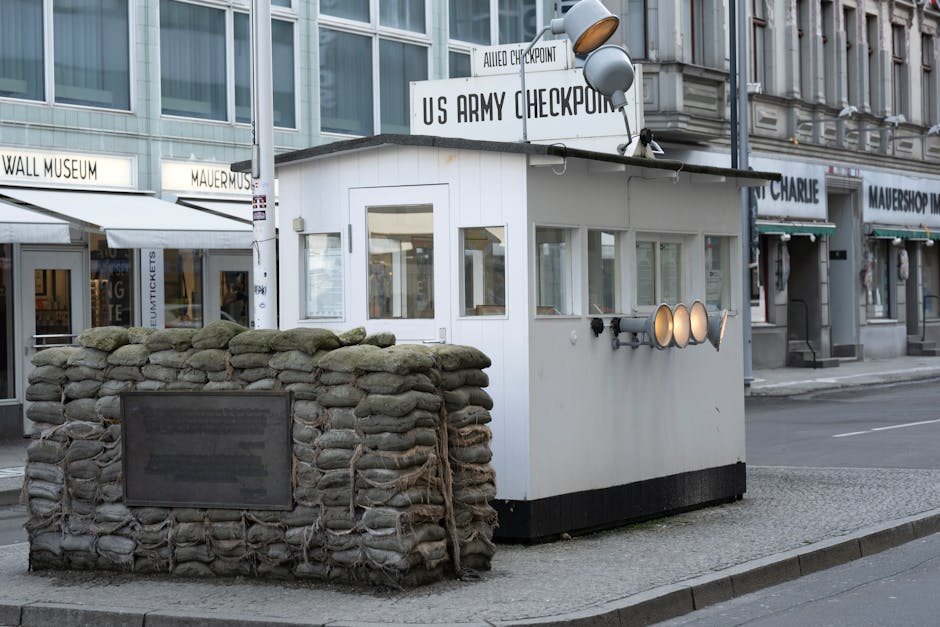
Explore the sites of Nazi power and the memorials that honor its victims on this self-guided walk through Berlin's historic Wilhelmstraße district.
 Moderate
Berlin, Germany
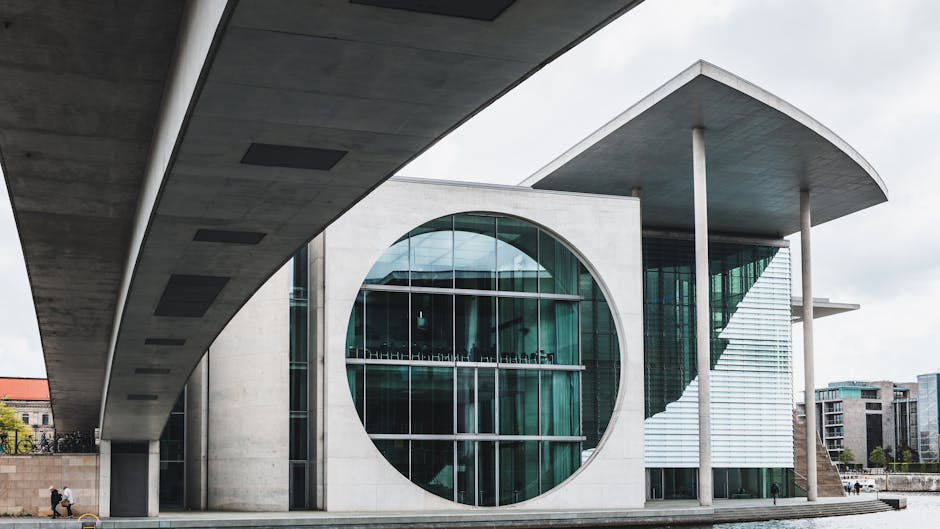
Explore Berlin’s 'Green Heart' on a self-guided walk through royal history, Cold War memorials, and serene lakeside gardens.
 Moderate
Berlin, Germany
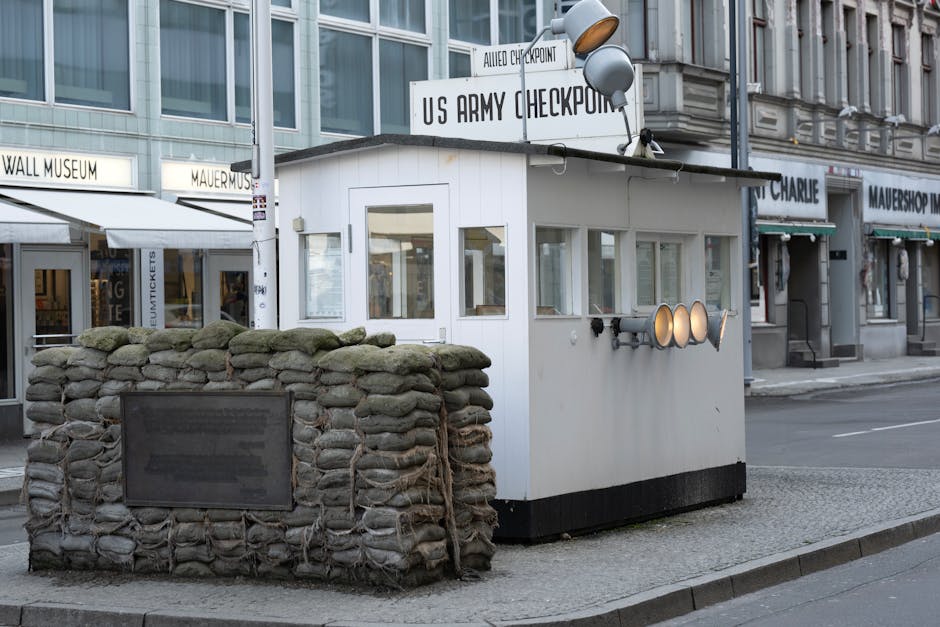
Discover the legacy of the Berlin Wall on this self-guided walk from historic ghost stations to the vibrant street art and cafes of Mauerpark.
 Easy
EasyBerlin, Germany
Discover the soul of 1920s Berlin on a self-guided walk through Charlottenburg’s iconic literary cafes, historic theaters, and artistic landmarks.
 Easy
EasyKrakow, Poland
Explore the prestigious Jagiellonian University district, featuring Neo-Gothic architecture, Baroque churches, and Krakow's hidden scholarly gems.
 Easy
EasyWarsaw, Poland
Follow the life of Fryderyk Chopin through Warsaw’s historic center. See where he lived, studied, and where his heart remains today.
 Easy
EasyGothenburg, Sweden
Discover Gothenburg’s 17th-century Dutch foundations, historic canals, and military fortifications on this self-guided architectural walk.
 Easy
EasyNairobi, Kenya
Discover Nairobi’s literary soul on this self-guided walk through historic libraries, iconic bookshops, and cultural centers in the heart of the CBD.
 Easy
EasyMunich, Germany
Explore Munich's creative heartbeat in Werksviertel-Mitte. Discover vibrant street art, upcycled containers, and rooftop sheep on this urban stroll.
 Moderate
Munich, Germany
Discover river surfing, iconic Greek temples, and Bavarian beer culture on this scenic self-guided walk through Munich's English Garden.
 Easy
EasyMunich, Germany
Discover Munich's culinary heart on this self-guided walk through the vibrant Viktualienmarkt and its legendary food stalls.
 Easy
EasyMunich, Germany
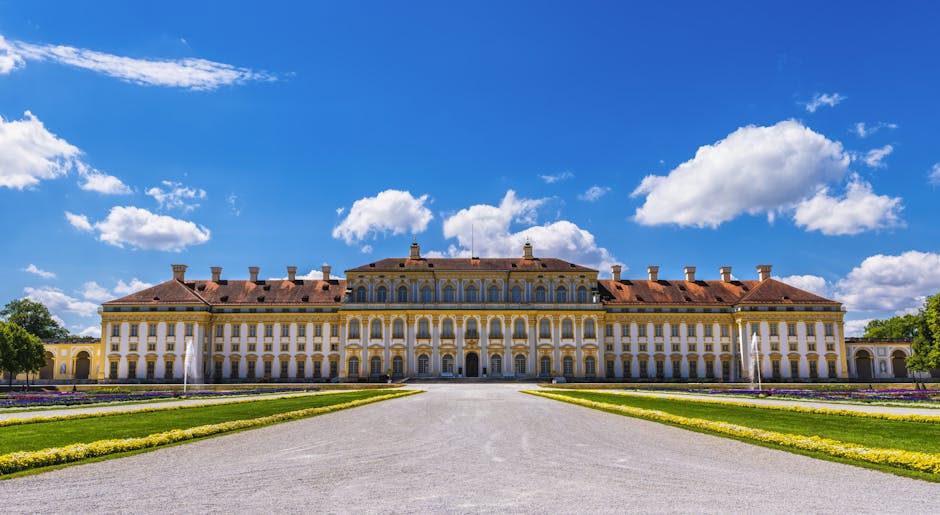
Explore the majestic gardens and hidden pavilions of the Wittelsbach summer residence on this peaceful, self-guided walking route in Munich.
