Step away from the bustling crowds of Nara Park and enter a realm where time seems to stand still. This self-guided walk leads you deep into the Kasuga Forest, a UNESCO World Heritage site that has been protected for over a millennium. As you pass through the towering Ichi no Torii, the atmosphere shifts from a public park to a sacred sanctuary. This route follows the ancient path to Kasuga Taisha, Nara's most celebrated Shinto shrine, renowned for its collection of over 3,000 lanterns. You will wander along paths lined with moss-covered stone lanterns, gifted by devotees over centuries, creating a mystical corridor that feels like a scene from a Japanese folk tale. This neighborhood stroll is as much about the journey through nature as it is about the destination. The Kasuga Primeval Forest provides a lush, emerald canopy where sacred deer roam freely, often seen peeking out from behind weathered stone monuments. Along the way, you will discover the Manyo Botanical Gardens, which celebrate the flora mentioned in Japan’s oldest poetry, and the picturesque Mizuya Chaya, a traditional teahouse that looks particularly stunning during the autumn and spring seasons. The climax of the walking route is the Kasugataisha Shrine itself, with its striking vermilion buildings and hanging bronze lanterns. Beyond the main complex, the trail continues to quieter, intimate sub-shrines like Meoto Daikokusha, the only shrine in Japan dedicated to a married deity couple, making it a popular spot for those seeking luck in relationships. Whether you are interested in the spiritual history of the Fujiwara clan or simply want to capture the perfect photography of Nara’s ethereal landscape, this audio walk offers a peaceful and profound experience of Japan’s ancient capital.
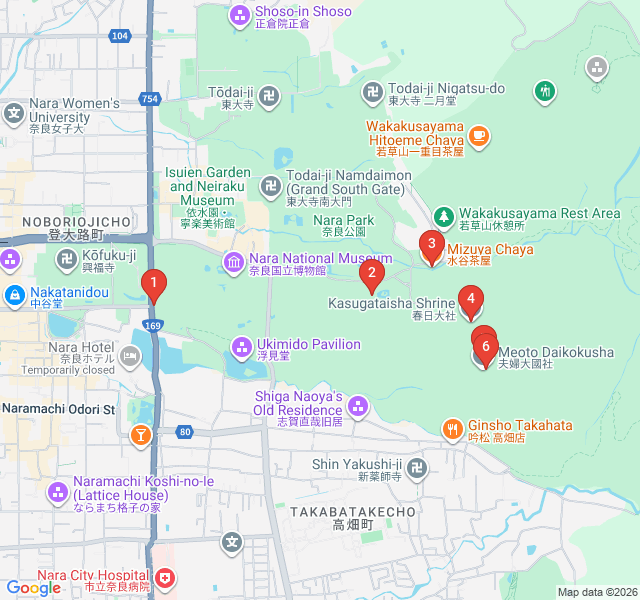
Numbers indicate the order of stops on the tour
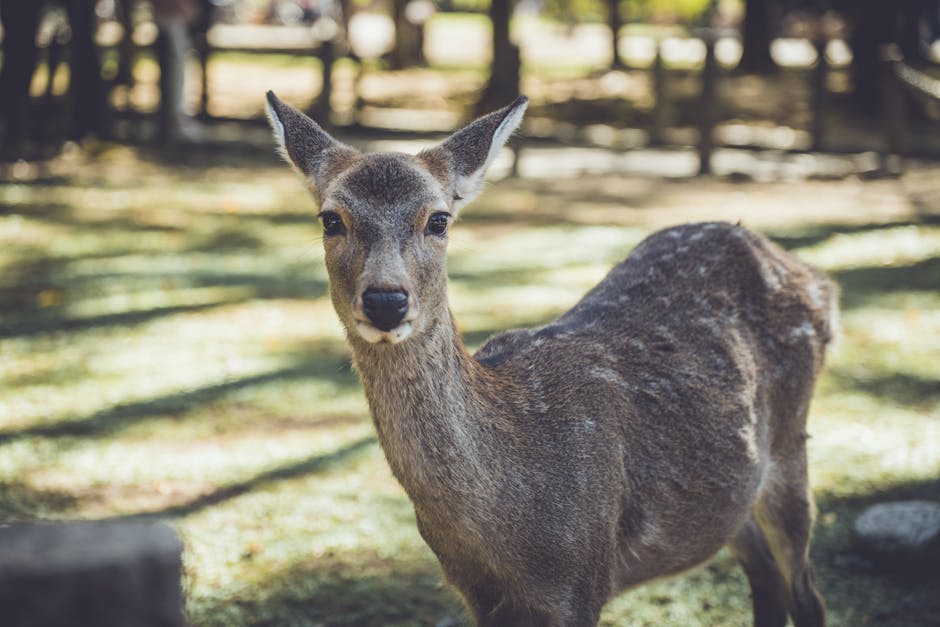
Your self-guided adventure begins at the Ichi no Torii, or the 'First Gate.' This massive wooden structure marks the boundary between the secular world and the sacred grounds of Kasuga Taisha. Standing over 6 meters tall, it has served as a gateway for pilgrims for over a thousand years. As you pass through, notice how the city noise begins to fade. The wide gravel path ahead, known as the Sando, is traditionally where high-ranking officials and even Emperors would approach the shrine. Look around for the Nara deer; in the Shinto tradition, they are considered messengers of the gods. They have been protected here for centuries, contributing to the unique harmony between nature and spirituality that defines this forest.
A short walk from the main path brings you to the Manyo Botanical Gardens. This space is dedicated to the 'Manyoshu,' Japan's oldest collection of poems. The garden contains over 250 species of plants mentioned in these ancient verses. While beautiful year-round, the garden is most famous for its 20 varieties of wisteria, or 'fuji,' which bloom from late April to early May. The Fujiwara clan, who founded Kasuga Taisha, used the wisteria as their family crest, and you will see the floral motif repeated throughout the shrine's architecture. It is a quiet place to reflect on how Japanese culture has been deeply intertwined with the seasons for over a millennium.
As you continue toward the main shrine, you will encounter Mizuya Chaya, a traditional teahouse nestled by a small stream. This is one of the most photographed spots in Nara, especially when the surrounding maple trees turn fiery red in autumn or when the fresh greenery of spring creates a vivid contrast against the thatched roof. While it is a lovely place for a quick break, take a moment to look at the stone bridges and the way the forest seems to reclaim the structures. The name 'Mizuya' refers to water, and the nearby stream is considered part of the shrine's purification landscape. It is a perfect example of the 'satoyama' aesthetic—the harmony between human habitation and the wild forest.
You have reached the heart of the sanctuary: Kasugataisha. Established in 768 AD, this shrine was built by the powerful Fujiwara family. The striking vermilion color of the buildings is meant to ward off evil spirits. As you explore the exterior and the inner corridors, you will be surrounded by hundreds of bronze lanterns hanging from the eaves. These, along with the stone lanterns outside, are lit only twice a year during the Setsubun Mantoro and Obon Mantoro festivals. Each lantern represents a prayer or a thank-you from a devotee. The architecture here is so distinct it has its own name: Kasuga-zukuri, characterized by its sloping roofs and delicate ornamentation.
Following the path south from the main complex, you arrive at Wakamiya Shrine. This is the most important of the 12 auxiliary shrines located in this forest. It is dedicated to the son of the main deities of Kasuga Taisha and is the site of the Kasuga Wakamiya On-matsuri, a massive festival held every December that has been performed annually for nearly 900 years. The atmosphere here is often much quieter than the main shrine, allowing you to appreciate the intricate woodwork and the silence of the surrounding ancient trees. This area is the start of a pilgrimage circuit that visitors walk to pray for help through different stages of life.
Your neighborhood stroll concludes at Meoto Daikokusha. This unique shrine is the only one in Japan that enshrines a married couple as deities—Daikokuten and his wife, Suderi-hime. Because of this, it is a famous pilgrimage site for those seeking a successful marriage or a romantic partner. You will see pink, heart-shaped 'ema' (votive tablets) hanging around the shrine, where people write their wishes for love. There is also a unique form of fortune-telling here involving 'water fortunes' that reveal their message when dipped into a basin. It is a charming and intimate end to your journey through the sacred Kasuga forest.
Download Zigway to experience "Thousands of Lanterns: The Kasuga Taisha Trail" with AI-powered audio narration. Walk at your own pace while stories unfold around you.
 Challenging
Nara, Japan
Journey from Nara's imperial ruins and refined gardens into the ancient, sacred silence of the UNESCO-protected Mount Kasuga Primeval Forest.
 Moderate
Nara, Japan
Discover Nara’s literary soul on this self-guided walk through historic Takabatake’s temples, writer residences, and poetic gardens.
 Easy
EasyNara, Japan
Explore Nara's evening charm on this self-guided walk through illuminated pagodas, historic shopping streets, and world-class hidden bars.
 Challenging
Nara, Japan
Ascend the grassy slopes of Mount Wakakusa for panoramic vistas, hidden waterfalls, and the serene gardens of Nara on this challenging self-guided walk.
 Easy
EasyGdansk, Poland
Discover the monastic heritage, world-famous organs, and lush botanical gardens of Oliwa on this peaceful self-guided neighborhood stroll.
 Moderate
Nairobi, Kenya
Discover Nairobi's lush side on this self-guided walk through botanical gardens, historic memorials, and vibrant local markets.
 Moderate
Krakow, Poland
Discover Krakow’s stunning skyline and riverside charm on this self-guided audio walk through scenic viewpoints and historic mounds.
 Easy
EasyWarsaw, Poland
Discover Warsaw's intellectual heart through historic campuses, peaceful parks, and the stunning rooftop gardens of the University Library.
 Moderate
Tokyo, Japan
Discover Tokyo's premier creative district on this self-guided walk through Roppongi’s world-class museums and striking modern architecture.
 Easy
EasyTokyo, Japan
Discover the 'Old Tokyo' charm of Yanaka on this self-guided walk through historic temples, artisan alleys, and a stunning torii gate shrine.
 Easy
EasyTokyo, Japan
Experience Shibuya's electric energy on this self-guided walk from the iconic Scramble Crossing to the panoramic views of Shibuya Sky.
 Easy
EasyTokyo, Japan
Explore Tokyo's indie heart. From vintage fashion in Shimokitazawa to world-class art in Shinjuku, discover the city's creative soul independently.
