Step into a world where neon-lit skyscrapers tower over ancient shrines and the digital realm bleeds into reality. This self-guided walk through Tokyo's legendary Akihabara district offers a deep dive into the evolution of 'Electric Town.' From its post-war roots as a black market for radio parts to its current status as the global epicenter of anime, manga, and gaming culture, this neighborhood stroll reveals the layers of history hidden behind the flashing LED screens. Your journey begins at Kanda Myoujin, a stunning shrine that has adapted to the digital age by offering blessings for IT hardware and electronic safety. It’s a perfect example of how Tokyo harmonizes tradition with technology. As you navigate the bustling main streets and narrow alleys, you will encounter the Mandarake Complex, a monolith of subculture history, and Super Potato, a nostalgic sanctuary dedicated to the golden age of retro gaming. This walking route is designed to help you explore independently, moving from the high-energy hobby shops of the Radio Kaikan to the sophisticated, repurposed industrial spaces of Manseibashi. You will see how the area's infrastructure has been reimagined, transforming old railway bridges into sleek galleries and artisan workshops. Whether you are a hardcore 'Otaku' looking for rare collectibles or a curious traveler interested in urban design and social history, this audio walk provides the context needed to understand Akihabara's unique identity. Discover the hidden gems that many visitors miss, such as the 2k540 Aki-Oka Artisan space, where traditional Japanese craftsmanship thrives beneath the tracks of the Yamanote Line. This walking tour Tokyo experience is more than just a shopping trip; it is an exploration of Japan’s creative spirit and its relentless drive toward the future. Start exploring with Zigway and see Akihabara through a lens that combines tech, culture, and history at your own pace. **Note:** This area is known for its ever-changing character. Street art, pop-up venues, and temporary exhibitions may differ from what's described. That's part of the adventure - you might discover something entirely new!
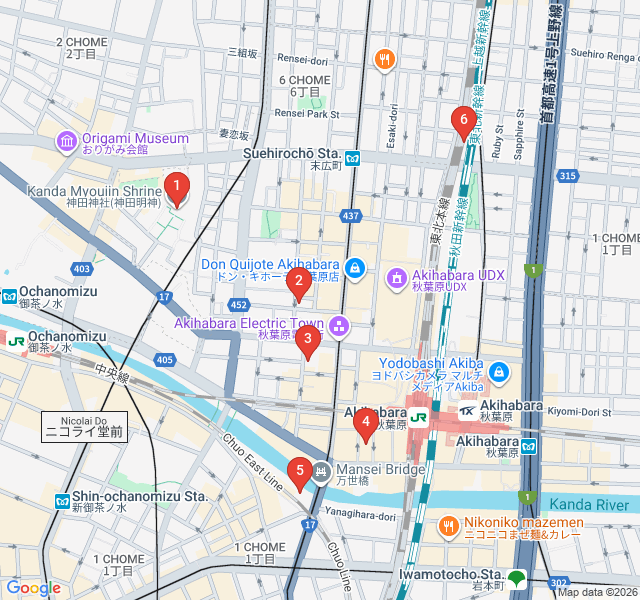
Numbers indicate the order of stops on the tour
Welcome to one of Tokyo's most significant spiritual sites. Founded nearly 1,300 years ago, Kanda Myoujin is dedicated to the gods of fortune and prosperity. While it maintains its traditional architectural beauty, this shrine has a modern twist that fits perfectly with the neighborhood. It is famous for its 'IT Omamori'—charms specifically designed to protect computers and electronic devices from viruses and crashes. You may also notice characters from popular anime series on the 'ema' prayer tablets, reflecting the shrine's deep connection with the local fan culture. Take a moment to appreciate the vibrant vermilion gate and the peaceful atmosphere before we dive into the neon chaos of the tech district.
Standing before this imposing black building, you are looking at the 'King of Anime and Manga.' Mandarake is a legendary institution for collectors. Each of its eight floors is dedicated to a specific niche, from vintage toys and rare comic books to cosplay gear and idol memorabilia. It is a vertical museum of Japanese pop culture. Even if you aren't looking to buy, the sheer volume of history packed into these shelves is staggering. Keep in mind that stock changes daily as collectors from across the globe trade in their treasures, so what you see today is a unique snapshot of the current secondary market for Japanese subculture.
Prepare for a wave of nostalgia as you enter Super Potato. This isn't just a store; it’s a living archive of the video game industry. As you climb the narrow stairs, the sounds of 8-bit music and the glow of CRT monitors will transport you back to the 1980s and 90s. You will find everything from the original Nintendo Famicom to obscure Sega Saturn titles. On the top floor, there is a retro arcade and a 'dagashi' corner selling traditional Japanese snacks that children used to buy with their pocket change. It’s a sensory experience that captures the 'Electric Town' spirit perfectly.
Radio Kaikan is one of Akihabara’s most iconic landmarks. Originally opened in 1950, it was one of the first multi-story buildings in the area. While the original structure was replaced in 2014, it remains the heart of the district’s hobbyist scene. Inside, you’ll find a dense concentration of shops selling figurines, trading cards, and plastic models. This stop illustrates the evolution of the neighborhood: the ground floor often features high-tech gadgets and souvenirs, while the upper floors dive deep into the specific fandoms that define modern Akihabara. It is a fantastic place to observe the 'Otaku' culture in its natural habitat.
We now transition from the digital to the architectural. This red-brick structure was once the Manseibashi Station, a major railway hub that opened in 1912. After the station closed in 1943, the viaduct sat largely unused until it was masterfully repurposed into this shopping and dining complex. Notice how the original brickwork has been preserved, blending historical industrial design with modern glass interiors. It is a quiet, sophisticated escape from the main Akihabara strip. You can even walk up to the old station platform, which has been converted into an observation deck where you can watch trains zoom past on either side.
Your journey ends beneath the elevated tracks of the Yamanote Line. The name '2k540' refers to the distance in kilometers from Nihonbashi Bridge. This space was created to bring traditional Japanese craftsmanship back to the city center. Here, you will find galleries and workshops where artisans create leather goods, ceramics, jewelry, and textiles by hand. It stands in stark contrast to the mass-produced electronics found just a few blocks away. It’s a testament to Tokyo's ability to find beauty in forgotten urban spaces and a perfect place to find a truly unique, handmade souvenir to remember your self-guided adventure.
Download Zigway to experience "Electric City Dreams: Akihabara Tech and Anime Culture" with AI-powered audio narration. Walk at your own pace while stories unfold around you.
 Moderate
Tokyo, Japan
Discover Tokyo's premier creative district on this self-guided walk through Roppongi’s world-class museums and striking modern architecture.
 Easy
EasyTokyo, Japan
Discover the 'Old Tokyo' charm of Yanaka on this self-guided walk through historic temples, artisan alleys, and a stunning torii gate shrine.
 Easy
EasyTokyo, Japan
Experience Shibuya's electric energy on this self-guided walk from the iconic Scramble Crossing to the panoramic views of Shibuya Sky.
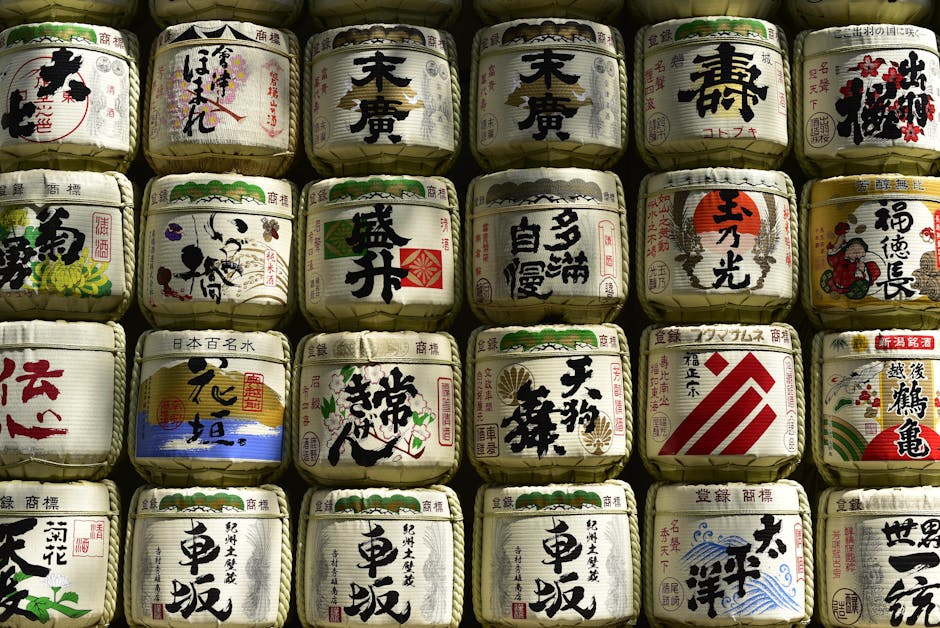 Easy
EasyTokyo, Japan
Explore Tokyo's indie heart. From vintage fashion in Shimokitazawa to world-class art in Shinjuku, discover the city's creative soul independently.
 Easy
EasyGdansk, Poland
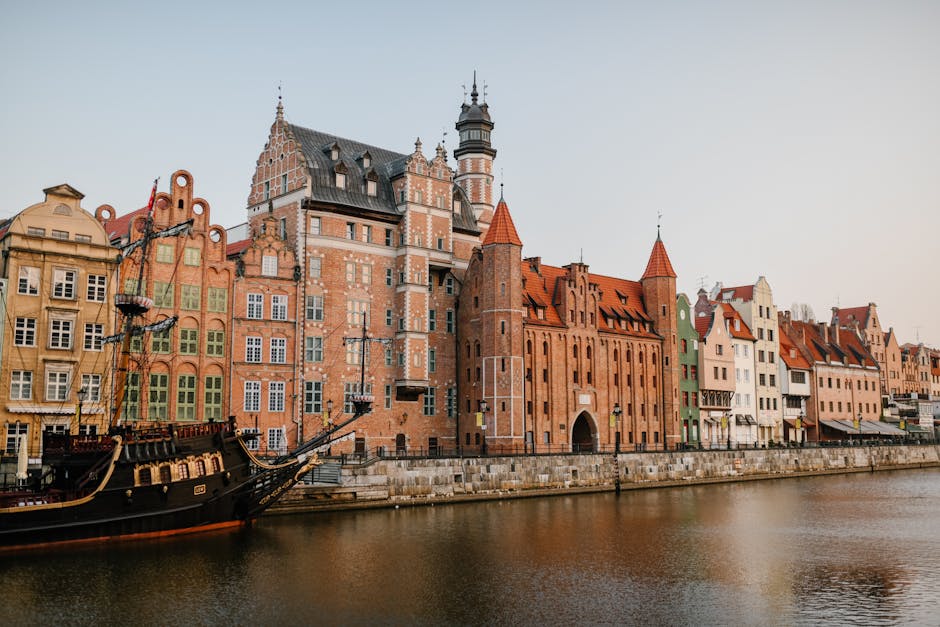
Discover the 'Baltic Gold' on this self-guided walk through Gdansk's historic mills, massive cathedrals, and the magical Mariacka Street.
 Moderate
Nairobi, Kenya
Taste your way through Nairobi's Westlands on this self-guided walk featuring street snacks, cultural landmarks, and hidden foodie gems.
 Easy
EasyKrakow, Poland
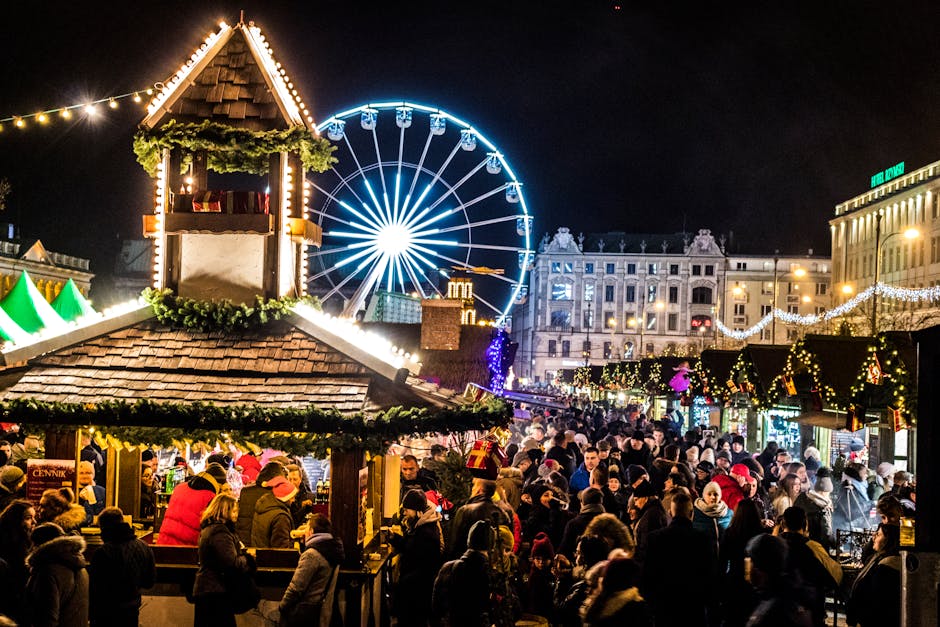
Explore the prestigious Jagiellonian University district, featuring Neo-Gothic architecture, Baroque churches, and Krakow's hidden scholarly gems.
 Easy
EasyKrakow, Poland
Explore Krakow's hidden nightlife with this self-guided walk through medieval cellars, jazz clubs, and bohemian bars in the Old Town and Kazimierz.
 Moderate
Kyoto, Japan
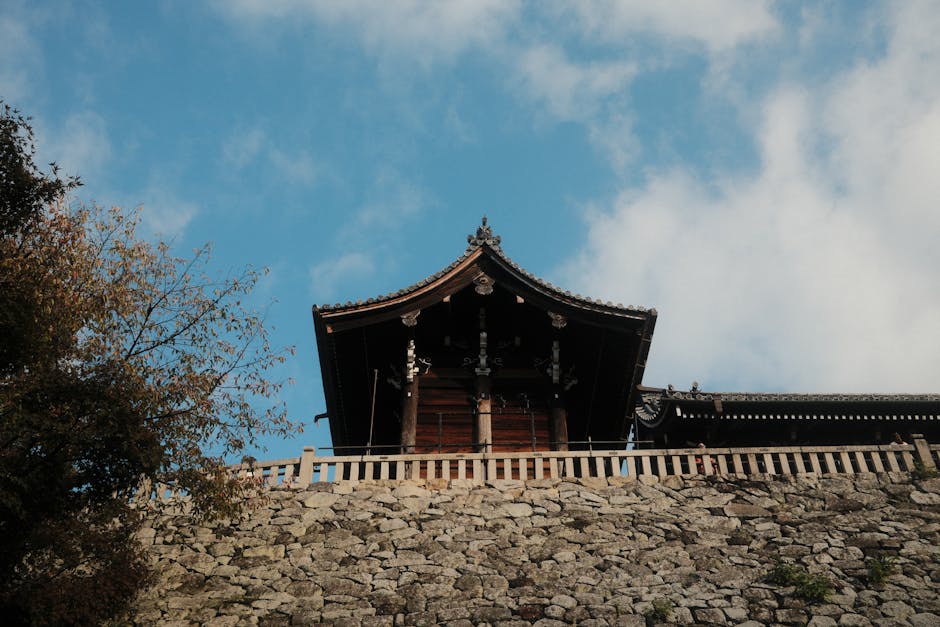
Discover the soul of old Kyoto on this self-guided walk through preserved stone lanes, iconic pagodas, and the grand wooden stage of Kiyomizu-dera.
 Challenging
Kyoto, Japan
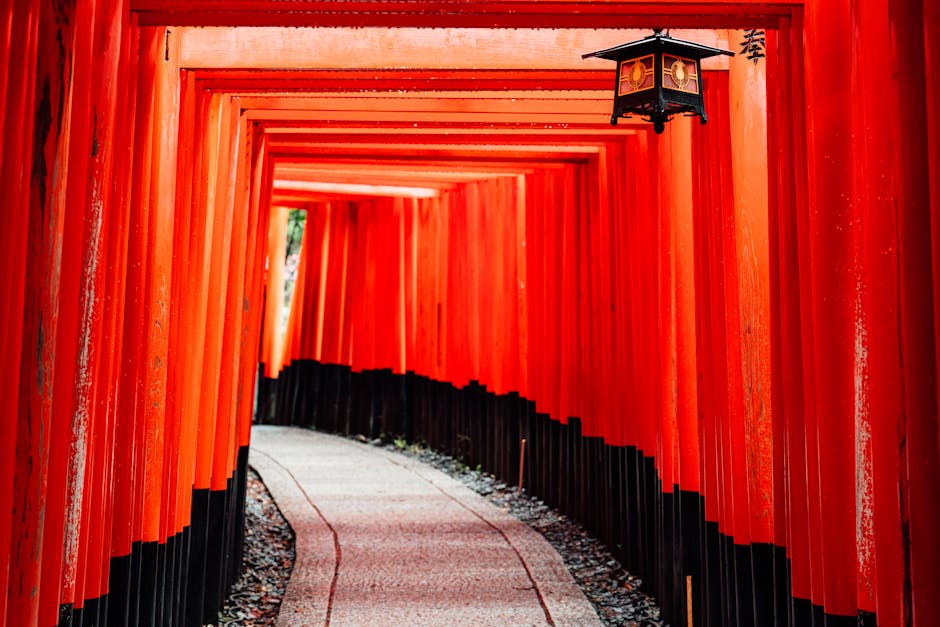
Ascend the sacred Mount Inari through thousands of vermillion torii gates on this challenging and spiritual self-guided walk in Kyoto.
 Easy
EasyKyoto, Japan
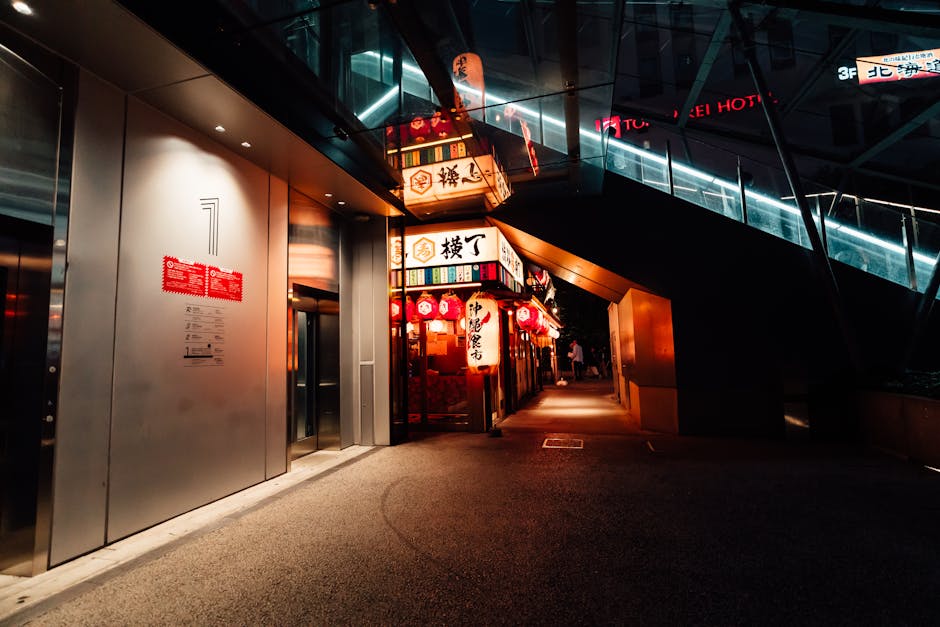
Explore Kyoto's most atmospheric alleyway. Discover geiko history, riverside dining, and hidden nightlife on this self-guided evening stroll.
 Moderate
Kyoto, Japan
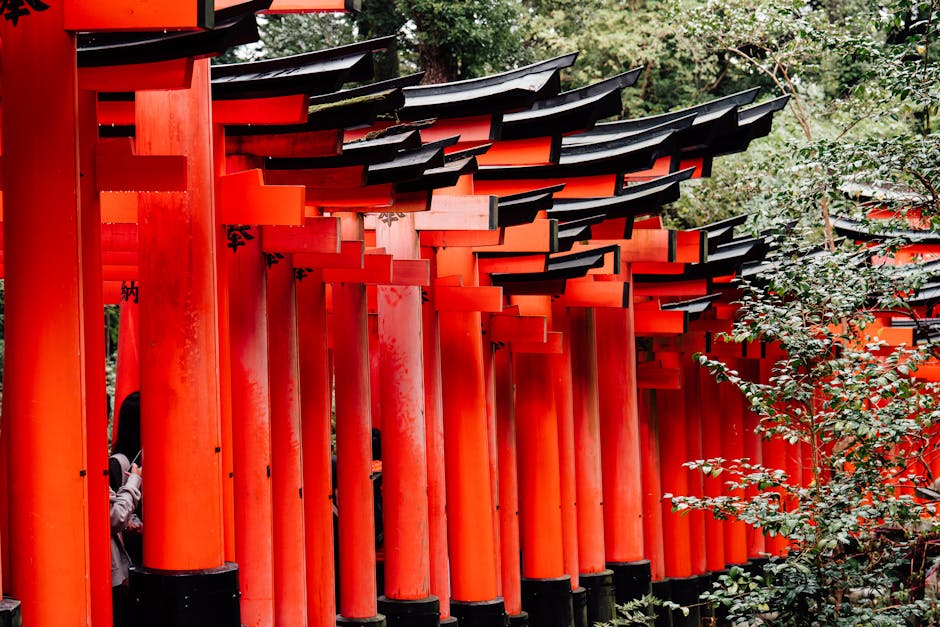
Experience a serene self-guided walk along Kyoto's iconic Philosopher's Path, visiting Zen temples, hidden shrines, and the stunning Silver Pavilion.
