Embark on a profound journey through one of the most significant historical landscapes in the world with this self-guided walk through the Hiroshima Peace Memorial Park. This neighborhood stroll in Naka-ku offers a space for quiet reflection, education, and hope, guiding you through the events of August 6, 1945, and the city's subsequent transformation into a global beacon for peace. Unlike a traditional walking tour Hiroshima visitors might expect, this audio walk allows you to process the gravity of these sites at your own pace, ensuring a personal and meaningful experience. Your journey begins at the Hiroshima Peace Memorial Museum, where the narrative of the atomic bombing is humanized through personal artifacts and harrowing accounts. As you move through the park, you will encounter the Gates of Peace and the iconic Memorial Cenotaph, which frames the Flame of Peace and the skeletal remains of the Atomic Bomb Dome in a single, powerful line of sight. You will also discover the resilient history of the Rest House, one of the few buildings to remain standing near the hypocenter, and the moving story of Sadako Sasaki at the Children's Peace Monument. This walking route is more than just a history lesson; it is an exploration of human resilience. The park itself, designed by renowned architect Kenzo Tange, is a masterpiece of urban planning that balances the scars of the past with the lush greenery of a modern city. Whether you are a history enthusiast or a first-time visitor seeking to understand Japan's modern identity, this self-guided adventure provides the context and stories needed to appreciate the legacy of Hiroshima. By the time you reach the Atomic Bomb Dome, a UNESCO World Heritage site, you will have a deeper understanding of why this city is dedicated to the pursuit of a world without nuclear weapons.
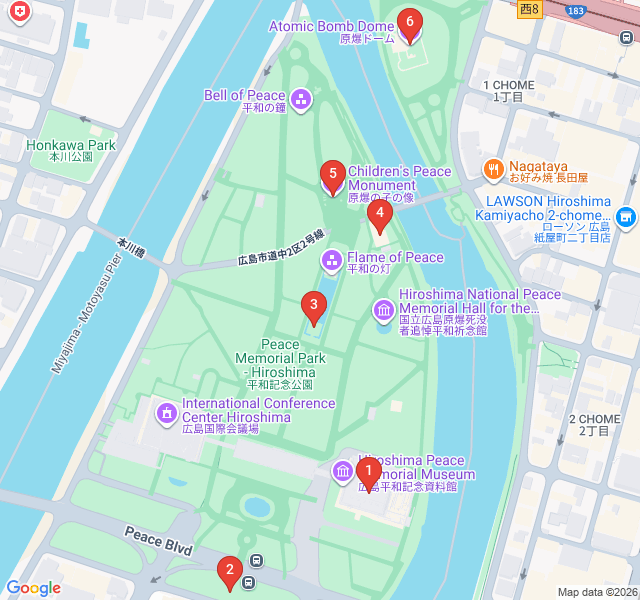
Numbers indicate the order of stops on the tour
Welcome to the starting point of your self-guided walk. The Hiroshima Peace Memorial Museum is the emotional heart of the city. Opened in 1955, it was designed by Kenzo Tange to ensure the world never forgets the events of August 6, 1945. Inside, you will find two wings: the East Building, which focuses on the history of Hiroshima and the nuclear age, and the Main Building, which houses personal belongings left by victims. The focus here is not just on the destruction, but on the individuals whose lives were forever changed. Take your time to absorb the testimonies and artifacts, as they provide the essential context for the rest of your walk through the park.
As you exit the museum area, you will encounter the Gates of Peace. These ten transparent arches, each standing nine meters high, were installed in 2005 by French artists Clara Halter and Jean-Michel Wilmotte. Look closely at the surfaces; you will see the word 'Peace' inscribed in 49 different languages and 18 variations of letters. The arches represent the circles of hell described in Dante's 'Inferno,' with the tenth gate representing a new circle: the hell created by the atomic bomb. However, by being open and transparent, they also symbolize the possibility of a future defined by transparency and global harmony.
Directly ahead is the Memorial Cenotaph, a saddle-shaped concrete structure that protects a stone chest containing the names of all those who died as a result of the bombing. The shape is meant to resemble the 'Haniwa' houses used in ancient Japan to protect the souls of the deceased. If you look through the arch of the Cenotaph, you will see it aligns perfectly with the Flame of Peace and the Atomic Bomb Dome in the distance. The inscription on the stone reads: 'Let all the souls here rest in peace, for we shall not repeat the evil.' It serves as both a tomb and a solemn promise from the people of Hiroshima to the world.
The building to your right is known as the Rest House. Before the bombing, this was the Taishoya Kimono Shop. Because it was built with a sturdy reinforced concrete structure, it survived the blast despite being only 170 meters from the hypocenter. One man, Eizo Nomura, survived in the basement here and lived into his 80s. Today, the building serves as a visitor center and gift shop, but the basement has been preserved in its post-blast state. It stands as a silent witness to the sheer power of the explosion and the incredible stories of survival that emerged from the ruins.
This monument is dedicated to the memory of the children who died as a result of the bombing. At the top of the pedestal stands a bronze statue of a young girl holding a golden crane. This is Sadako Sasaki, who was two years old when the bomb fell. Years later, she developed leukemia and began folding paper cranes, inspired by a Japanese legend that folding a thousand would grant a wish. Though she passed away, her story sparked a national movement. Today, the glass cases surrounding the monument are filled with millions of colorful paper cranes sent by children from all over the world as a symbol of their desire for a nuclear-free future.
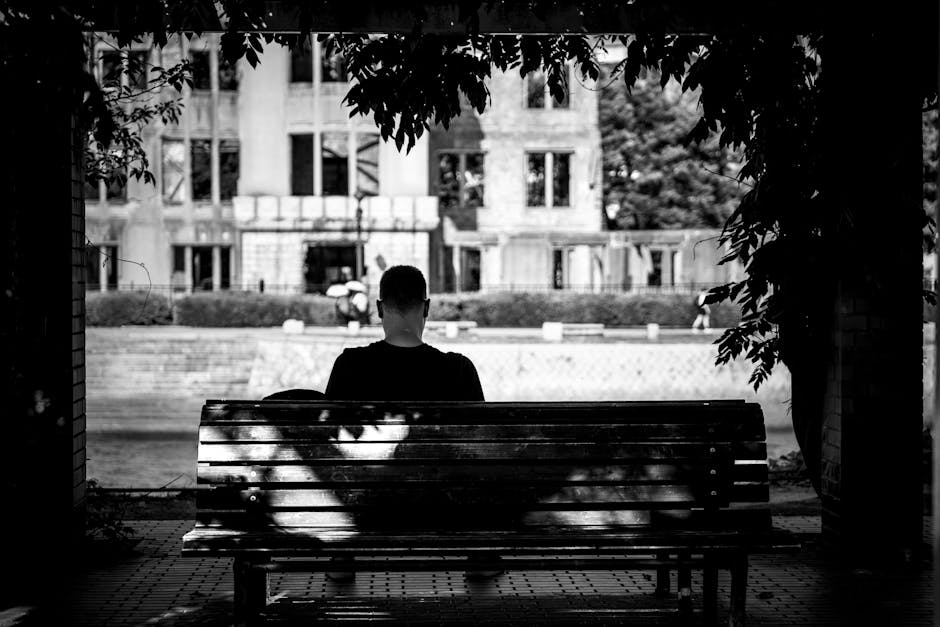
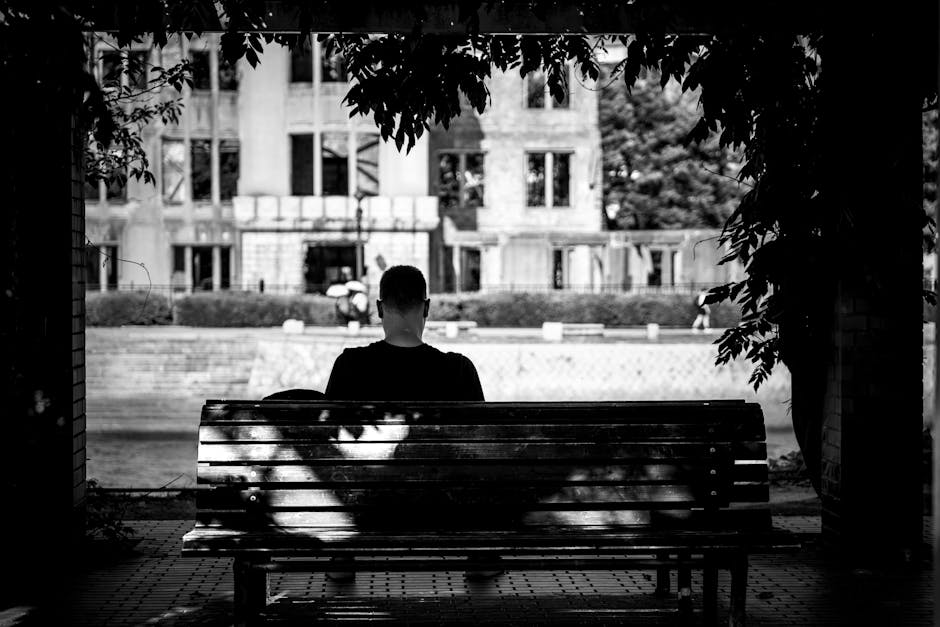
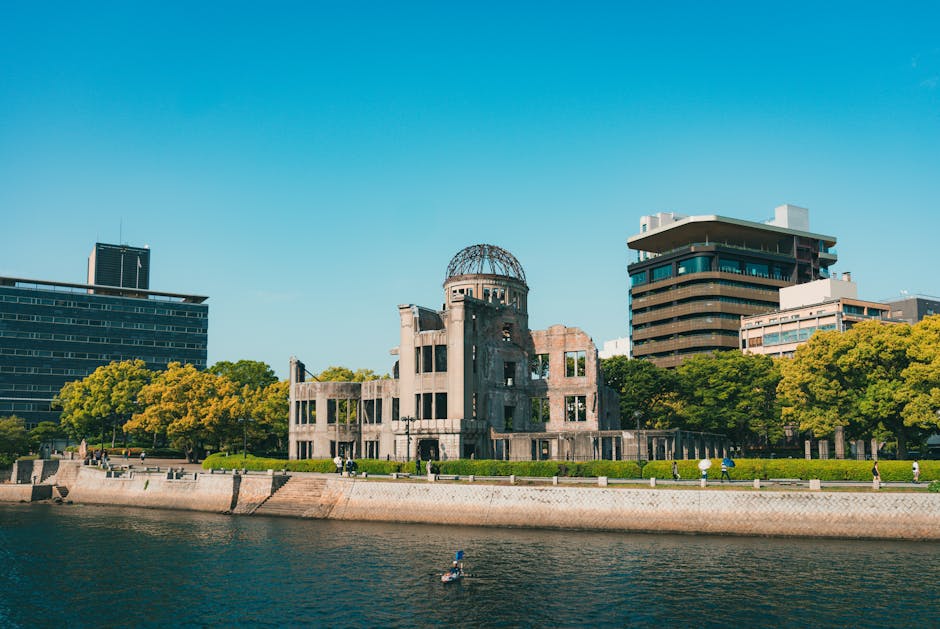
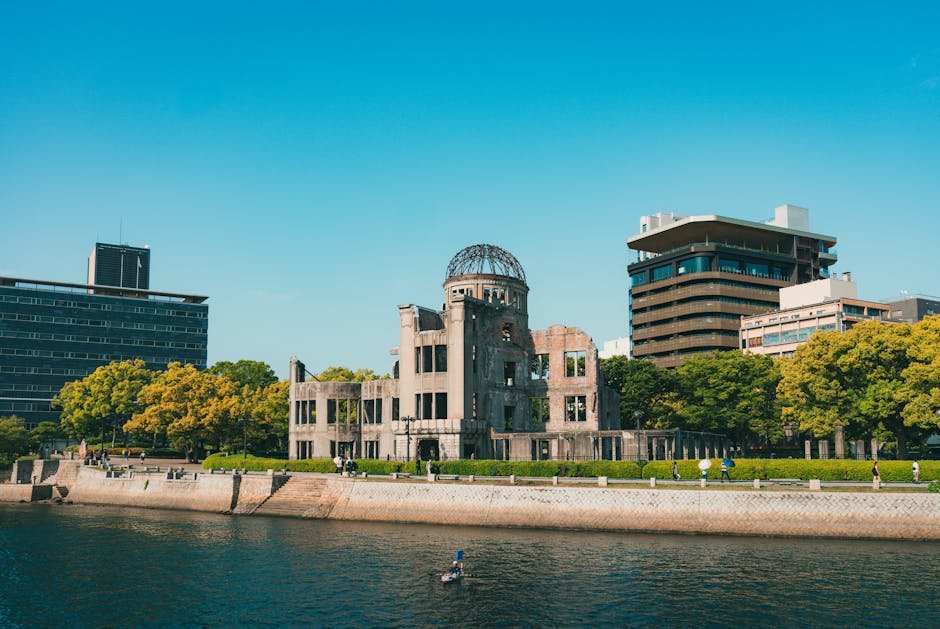
Finally, cross the Motoyasu Bridge to reach the Atomic Bomb Dome. Originally the Hiroshima Prefectural Industrial Promotion Hall, this building was almost directly beneath the center of the explosion. Because the blast came from almost directly above, the vertical columns managed to resist the downward pressure, leaving the skeletal copper dome intact. For years, the city debated whether to tear it down or preserve it. Ultimately, it was decided to keep it exactly as it appeared after the blast. Now a UNESCO World Heritage site, it serves as a stark, haunting reminder of the most destructive weapon ever created by mankind and a powerful icon of peace.
Download Zigway to experience "Shadows and Light: Hiroshima Peace Memorial Route" with AI-powered audio narration. Walk at your own pace while stories unfold around you.
 Moderate
Hiroshima, Japan
Discover Hiroshima's samurai history on this self-guided walk through Shukkeien Garden, the historic Hiroshima Castle, and serene Moto-machi parks.
 Easy
EasyHiroshima, Japan
Explore Hiroshima's maritime heritage on this scenic self-guided walk from historic red-brick museums to the peaceful Ujina Lighthouse.
 Easy
EasyHiroshima, Japan
Discover Hiroshima’s architectural evolution from pre-war survivors to visionary modernist masterpieces on this self-guided walking route.
 Easy
EasyHiroshima, Japan
Explore Hiroshima's electric Nagarekawa district. A self-guided walk through neon alleys, savory street food, and hidden local culture.
 Easy
EasyNairobi, Kenya
Explore Nairobi's architectural evolution from colonial-era landmarks to iconic Brutalist skyscrapers on this historic self-guided walking route.
 Easy
EasyNairobi, Kenya
Discover Nairobi's iconic skyline on this self-guided architecture walk through the CBD’s most famous modernist and Brutalist landmarks.
 Easy
EasyKrakow, Poland
Uncover Krakow's legendary past on this self-guided walk from literary monuments to the fire-breathing Wawel Dragon.
 Easy
EasyInnsbruck, Austria
Uncover the myths and legends of Innsbruck on this self-guided walk through the historic Altstadt and beyond.
 Moderate
Tokyo, Japan
Discover Tokyo's premier creative district on this self-guided walk through Roppongi’s world-class museums and striking modern architecture.
 Easy
EasyTokyo, Japan
Discover the 'Old Tokyo' charm of Yanaka on this self-guided walk through historic temples, artisan alleys, and a stunning torii gate shrine.
 Easy
EasyTokyo, Japan
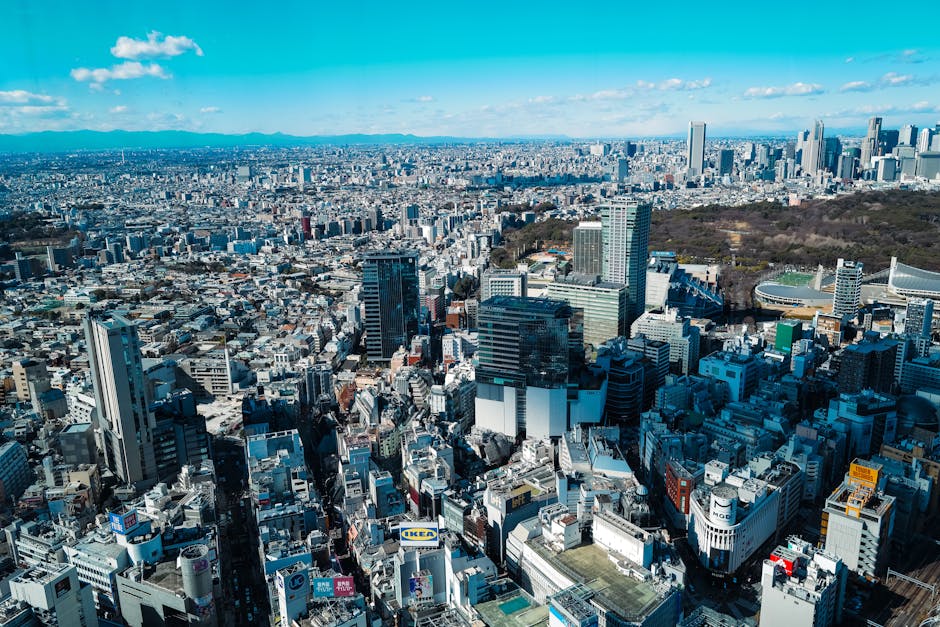
Experience Shibuya's electric energy on this self-guided walk from the iconic Scramble Crossing to the panoramic views of Shibuya Sky.
 Easy
EasyTokyo, Japan
Explore Tokyo's indie heart. From vintage fashion in Shimokitazawa to world-class art in Shinjuku, discover the city's creative soul independently.
