Cesky Krumlov is often defined by its towering castle, but the soul of this Bohemian jewel lies within its silent cloisters and soaring naves. This self-guided walk invites you to step away from the bustling crowds of the main square and into the spiritual heritage of the Latrán district and the inner town. As you follow this walking route, you will discover how religious orders and local faith shaped the city's unique architectural landscape over seven centuries. The journey begins at the extensive Monastery complex, a place where the Minorite and Clarissine orders once lived side-by-side in a rare double-monastery arrangement. Here, the thick stone walls still echo with medieval chants, offering a glimpse into a life of devotion. As you move through the winding streets of Latrán, you will encounter the former Church of St. Jost, whose iconic green tower serves as a landmark for travelers navigating the Vltava riverbanks. Crossing into the historic center, the route leads to the Church of St. Vitus, a masterpiece of Bohemian Gothic architecture that rivals the castle in its majesty. Inside, the intricate net vaulting and the final resting places of the Rosenberg and Schwarzenberg dynasties tell the story of the powerful families who championed the Catholic faith in this region. This walking tour Cesky Krumlov experience is designed for those who appreciate the intersection of history and art. Along the way, you will visit the Seminary Garden, providing one of the most photographed vistas of the city, before concluding your neighborhood stroll in the tranquil surroundings of the municipal park at St. Martin’s Chapel. This self-guided adventure allows you to linger in the quiet corners of these sacred spaces, far from the typical tourist path, making it a perfect choice for architecture enthusiasts and history buffs alike. By exploring independently, you can take the time to notice the small details—a weathered fresco, a Baroque carving, or the way the light hits the stained glass—that make the sacred spaces of Cesky Krumlov truly unforgettable.
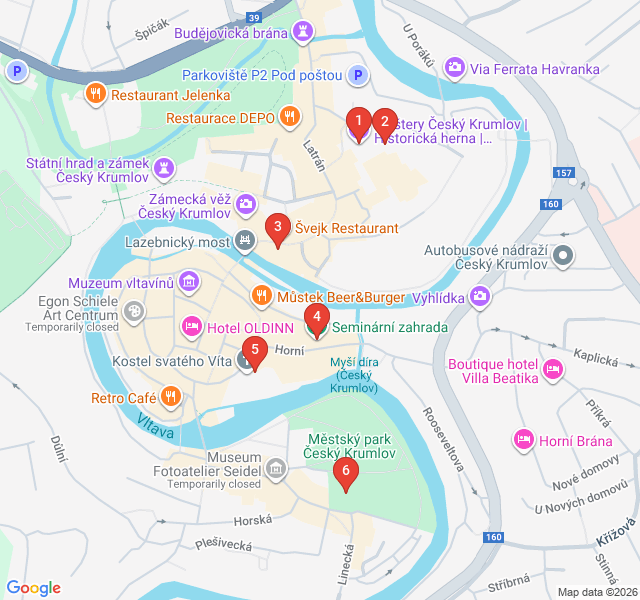
Numbers indicate the order of stops on the tour
Welcome to the Kláštery complex, a rare example of a double monastery where the Minorite and Clarissine orders coexisted for centuries. Founded in 1350 by Catherine of Rosenberg, this massive site was the spiritual counterweight to the secular power of the castle. As you explore the grounds, notice the blend of Gothic and Baroque architecture. The cloisters here are particularly famous for their preserved medieval atmosphere. For over 400 years, this was a center of learning and healing in Latrán. Today, the complex serves as a cultural hub, but it still retains the quiet, contemplative air of its monastic past, offering a peaceful start to your walking route.
Part of the monastery complex, the Church of Corpus Christi and the Virgin Mary is a Baroque treasure hidden within Gothic walls. The interior is a dramatic display of 17th-century craftsmanship, dominated by the unique 'Tree of Life' altar. This intricate woodcarving depicts the genealogy of Christ in a way rarely seen in Central Europe. Throughout its history, the church was a site of major pilgrimages, especially during the festival of the 'Showing of the Relics.' Take a moment to look up at the ornate ceiling frescoes and feel the shift from the humble life of the monks to the grand visual storytelling of the Counter-Reformation.
Standing near the Latrán bridge, St. Jost Church is easily recognized by its distinctive green five-storied tower topped with a lantern. Originally founded in the 14th century as part of a hospital for the poor, the building has undergone many transformations. In the late 16th century, Peter Vok of Rosenberg had it rebuilt in a Renaissance style for the local community. Interestingly, the church was closed during the reforms of Emperor Joseph II in 1787 and later served as a brewery and a warehouse. Today, while it no longer functions as a church, its tower remains one of the most iconic silhouettes in the Cesky Krumlov skyline.
This terrace, known as the Seminary Garden, offers one of the most breathtaking views in the city. It was originally established by the Jesuits in the 17th century as a space for contemplation and relaxation for students of the nearby college. From this vantage point, you can perfectly see the architectural dialogue between the Castle Tower and the Church of St. Vitus. It is the ideal place to appreciate the layout of the city, nestled in the tight loops of the Vltava River. The garden serves as a bridge between the spiritual stops on our walk and the secular grandeur of the Rosenberg capital.
Dominating the inner city, the Church of St. Vitus is a masterpiece of late Gothic architecture. Built between 1407 and 1439, its soaring triple-nave structure was designed to reflect the prestige of the Rosenberg family. Inside, look for the magnificent net vaulting, a complex geometric stone ceiling that seems to float above the worshippers. This church houses the tombs of the most powerful lords of the region, including the Schwarzenberg chapel. The acoustics here are legendary, and the stained glass windows cast colorful patterns across the ancient flagstones. It remains the active spiritual heart of the local community and a testament to Bohemian religious art.
Conclude your walk at St. Martin's Chapel, located in the peaceful Municipal Park. This small, octagonal building was originally a cemetery chapel built in the late 16th century and later rebuilt in a Baroque style. It stands as a reminder of the many smaller sacred spaces that once dotted the city outskirts. The surrounding park was once a Jesuit garden, and the chapel provided a place for final prayers before burial. Today, it is a quiet spot away from the main tourist trail, surrounded by greenery and the gentle sound of the river nearby—a perfect place to reflect on the spiritual journey you have just completed.
Download Zigway to experience "Monasteries and Sacred Spaces" with AI-powered audio narration. Walk at your own pace while stories unfold around you.
 Easy
EasyCesky Krumlov, Czech Republic
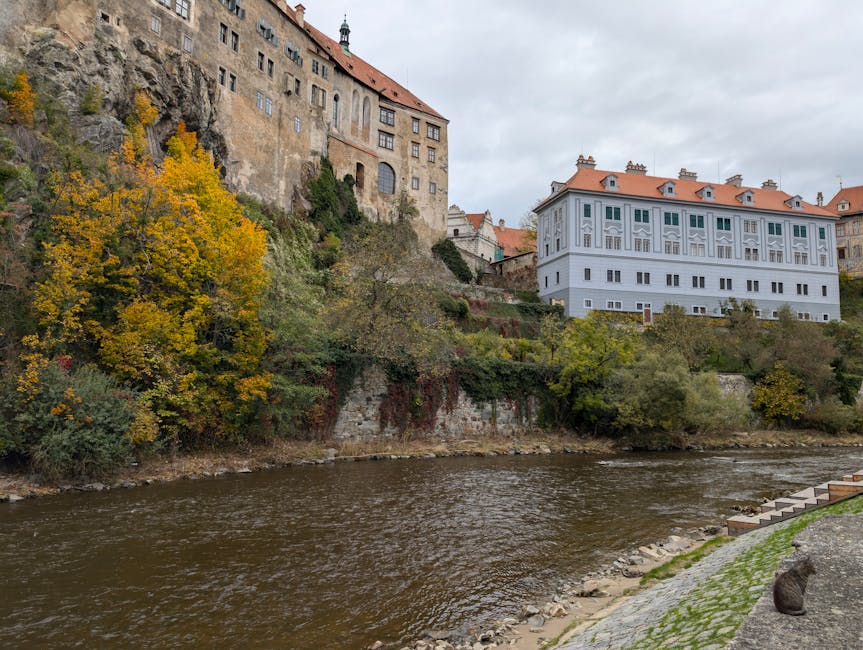
Discover the flavors of South Bohemia on this self-guided walk through the historic taverns, breweries, and riverside cafes of Cesky Krumlov.
 Moderate
Cesky Krumlov, Czech Republic
Escape the crowds and discover the artistic soul, historic villas, and hidden stories of Cesky Krumlov's most authentic neighborhood, Plešivec.
 Easy
EasyCesky Krumlov, Czech Republic
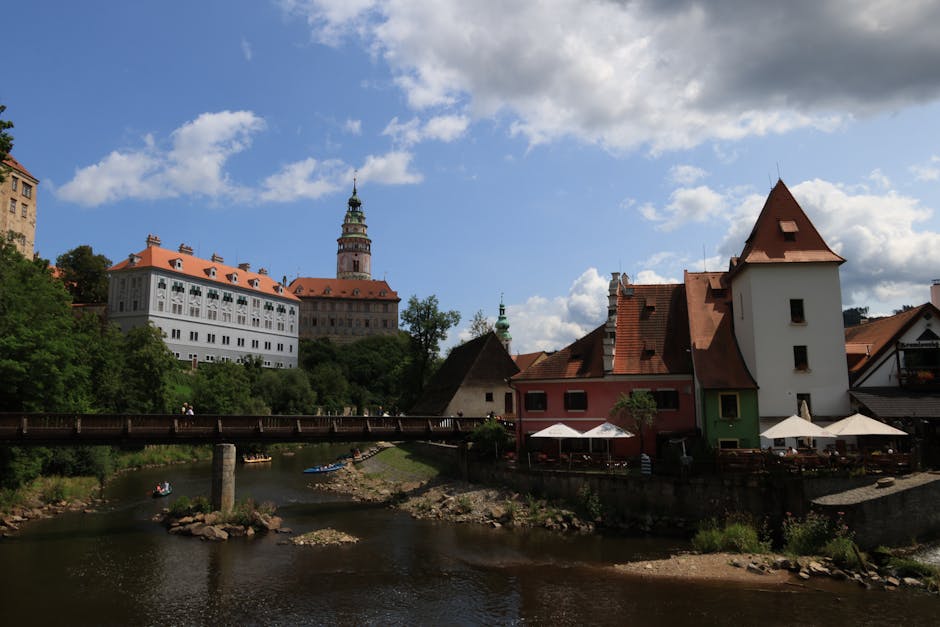
Discover the haunting legends and eerie history of Cesky Krumlov on this atmospheric self-guided audio walk through the moonlit Inner City.
 Easy
EasyCesky Krumlov, Czech Republic
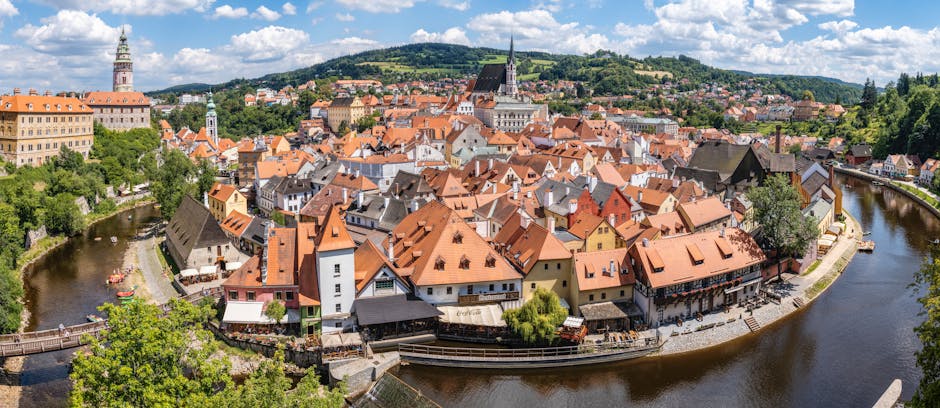
Explore the romantic Vltava riverbanks, hidden medieval alleys, and iconic bridges of Cesky Krumlov on this scenic self-guided photography walk.
 Easy
EasyKrakow, Poland
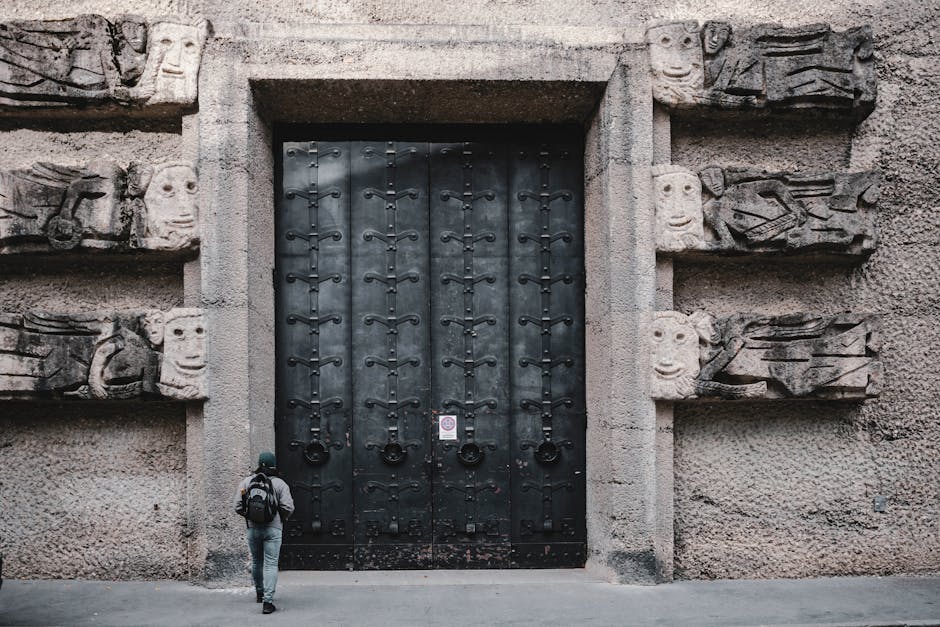
Explore the historic heart of Kazimierz on this self-guided walk through synagogues, ancient cemeteries, and vibrant squares.
 Easy
EasySalzburg, Austria
Discover the 'Rome of the North' on this self-guided walk through the Baroque squares and monumental legacy of Salzburg’s Prince-Archbishops.
 Easy
EasyNairobi, Kenya
Explore Nairobi's architectural evolution from colonial-era landmarks to iconic Brutalist skyscrapers on this historic self-guided walking route.
 Easy
EasyNairobi, Kenya
Discover Nairobi's iconic skyline on this self-guided architecture walk through the CBD’s most famous modernist and Brutalist landmarks.
 Easy
EasyPrague, Czech Republic
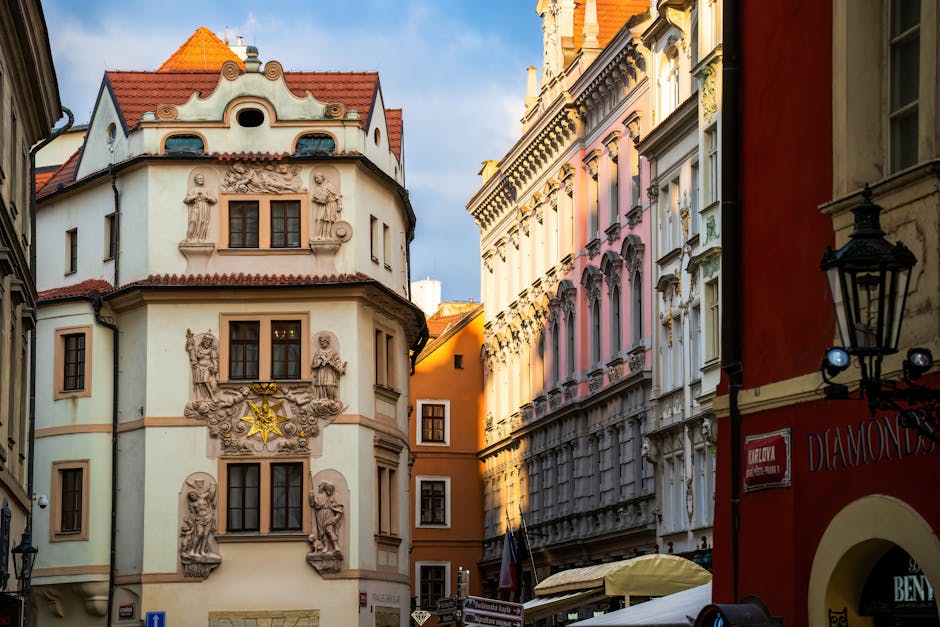
Explore the world's only Cubist architecture on this self-guided walking route through Prague's New Town and Old Town.
 Easy
EasyPrague, Czech Republic
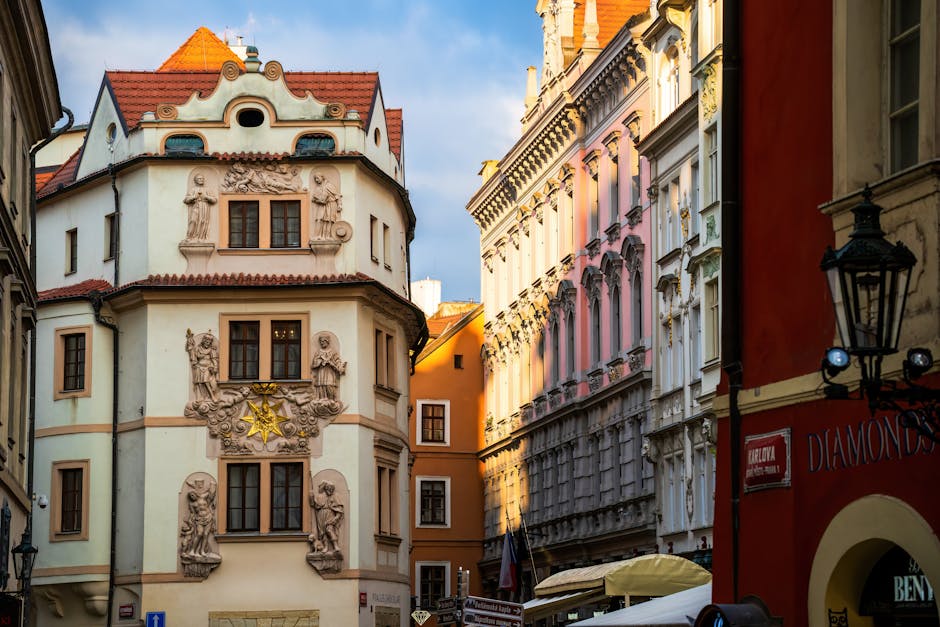
Discover Prague's Golden Age on this self-guided walk through stunning Art Nouveau landmarks, from the Municipal House to Mucha's masterpieces.
 Challenging
Prague, Czech Republic
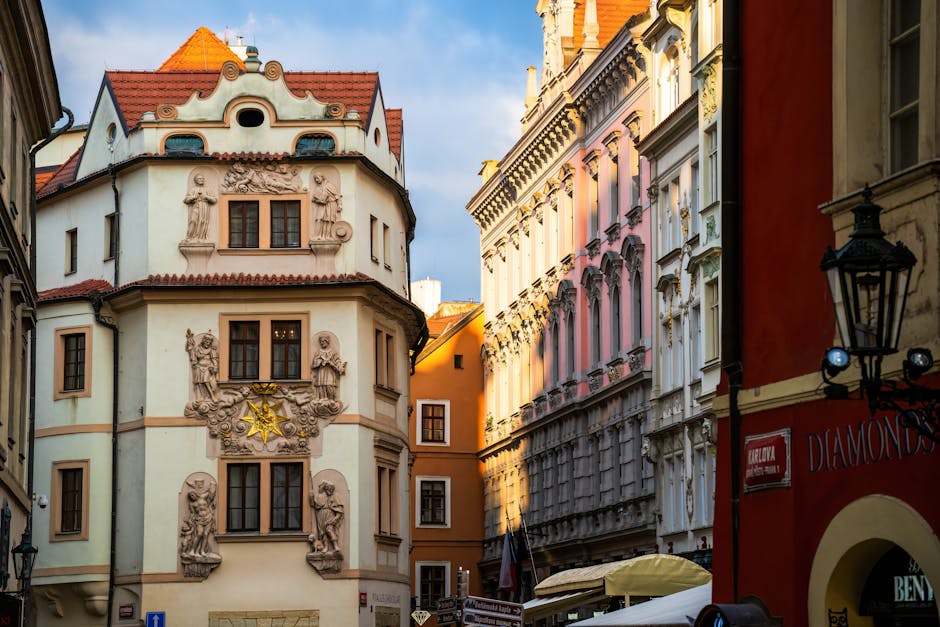
Discover Prague’s royal district and capture stunning panoramic vistas on this self-guided walking route through Hradčany and the Castle complex.
 Easy
EasyPrague, Czech Republic
Discover the history of Pilsner and Prague's legendary pub culture on this self-guided audio walk through historic breweries and hidden local haunts.
