Step into the pages of modern history with this self-guided walk through the heart of Prague's New Town. This route traces the dramatic events of the Velvet Revolution, the non-violent transition of power that ended communist rule in Czechoslovakia in 1989. As you explore independently, you will walk the same stones where hundreds of thousands of citizens gathered to demand freedom, transforming a once-oppressive regime through the power of peaceful protest and shared resolve. The journey begins at the top of Wenceslas Square, a vast boulevard that has served as the stage for the nation's most pivotal moments, from the declaration of independence in 1918 to the tragic sacrifices of the 1960s. This neighborhood stroll doesn't just look at the grand architecture; it delves into the human stories behind the stones. You will encounter memorials dedicated to students who gave their lives for liberty and see the famous balcony where Václav Havel and Alexander Dubček addressed a sea of cheering citizens. The route also takes you through the hidden passages of the Lucerna Palace, revealing the city's artistic defiance, before leading you to the exact spot on Národní třída where the 1989 revolution was sparked by a student demonstration. This audio walk is perfect for those who want to understand how Prague became the vibrant, democratic capital it is today. By following this walking route, you gain a deep appreciation for the Czech spirit of resilience. Whether you are a history buff or a first-time visitor, this independent exploration offers a profound look at the struggle for democracy in Central Europe. The walk concludes near the Vltava River, at the majestic National Theatre, a symbol of Czech national identity and cultural revival. This self-guided adventure allows you to pause whenever you like, perhaps for a coffee in a historic café or to reflect at a quiet memorial, ensuring a personal and meaningful experience of Prague’s path to freedom.
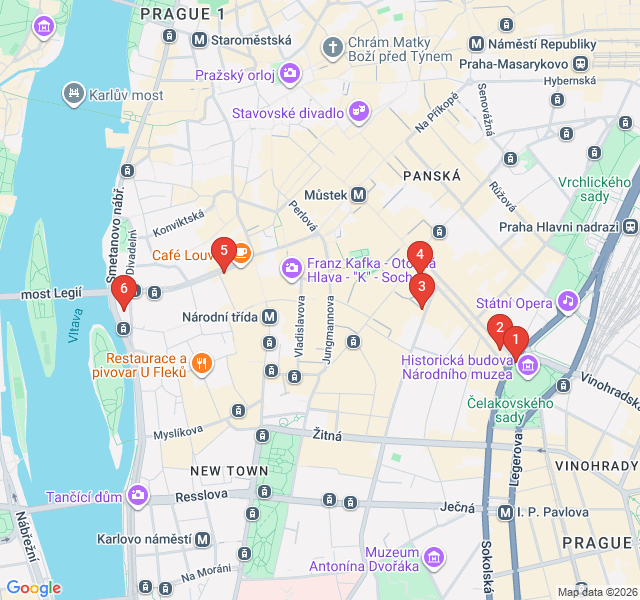
Numbers indicate the order of stops on the tour
Begin your exploration at this understated but powerful memorial embedded in the pavement in front of the National Museum. Look for the bronze cross that appears to be emerging from the stone. This site commemorates Jan Palach and Jan Zajíc, two students who set themselves on fire in 1969 to protest the Soviet-led invasion of Czechoslovakia and the subsequent 'normalization' of communist rule. Their ultimate sacrifice shocked the nation and became a symbol of resistance for decades to come. As you stand here, consider the weight of their actions in the context of a country silenced by occupation. This spot serves as a solemn introduction to the long struggle for freedom that would eventually culminate in the Velvet Revolution twenty years later.
Dominating the upper end of the square is the monumental bronze statue of Saint Wenceslas, the patron saint of Bohemia, mounted on his horse. Created by Josef Václav Myslbek, this statue is more than just a piece of art; it is the most important meeting point in the city. For over a century, whenever the Czech people have felt the need to gather—whether in celebration, mourning, or protest—they have come 'under the horse.' During the Velvet Revolution in November 1989, this area was packed with hundreds of thousands of people. Notice the four saints surrounding the base: Ludmila, Agnes of Bohemia, Prokop, and Adalbert. They stand as silent witnesses to the many transformations Prague has undergone.
Step inside the Lucerna Palace, a stunning Art Nouveau arcade designed by the grandfather of Václav Havel, the first post-communist president. This passage is a labyrinth of shops, a cinema, and a historic ballroom. However, the main draw here is David Černý's provocative sculpture: 'Kůň' (The Horse). It is an upside-down, dead version of the Saint Wenceslas statue you just saw outside, with the saint sitting on the belly of the beast. This work is often interpreted as a satirical commentary on Czech leadership and national identity. The palace itself was a hub of cultural life during the communist era and remains a vital piece of Prague’s social fabric, blending early 20th-century elegance with modern artistic rebellion.
Directly on Wenceslas Square, look up at the balcony of the Melantrich building, which formerly housed a major publishing house. This is one of the most significant locations in the history of the Velvet Revolution. In late November 1989, Václav Havel and Alexander Dubček—the leader of the 1968 Prague Spring—stood on this very balcony to address the masses. It was from here that they announced the Communist Party had agreed to relinquish power. Imagine the sound of thousands of keys jingling in the air—a symbolic gesture by the crowd to tell the regime 'it's time to go.' This building represents the moment when hope finally replaced fear for the citizens of Prague.
Walking down to Národní třída, you will find a small, easily missed memorial set into the wall of an arcade. It features several bronze hands reaching out, with the date 17.11.1989 inscribed below. This marks the exact location where a peaceful student march was brutally suppressed by riot police. The violence used against the students that night served as the catalyst for the nationwide protests that brought down the regime. Today, you will often see fresh flowers and candles left here by locals. It is a place of quiet reflection on the courage of the youth who stood their ground against batons and shields, armed only with their voices and a desire for change.
The final stop on this self-guided walk is the National Theatre, known as 'The Golden Chapel.' Built with funds raised by citizens from all walks of life in the 19th century, it is a monument to Czech language and culture. During the Velvet Revolution, the actors and staff of this theatre were among the first to go on strike in support of the students. The building’s neo-Renaissance architecture, topped with a golden crown, stands proudly by the Vltava River. It represents the successful preservation of Czech identity through centuries of foreign influence and political turmoil. As you conclude your walk, take a moment to look across the river toward Prague Castle, the seat of the presidency where Václav Havel eventually took office.
Download Zigway to experience "The Velvet Revolution and Freedom Walk" with AI-powered audio narration. Walk at your own pace while stories unfold around you.
 Easy
EasyPrague, Czech Republic
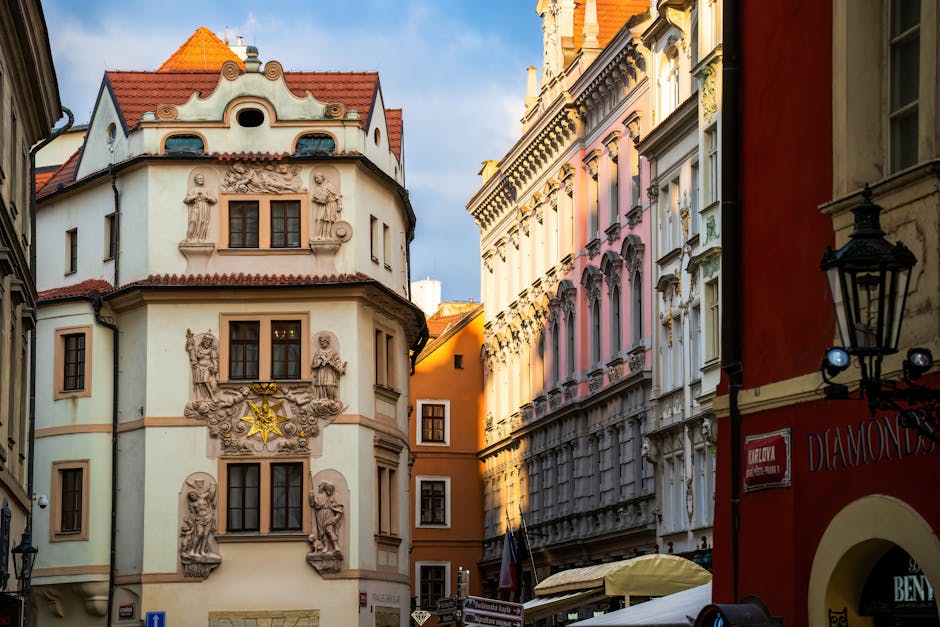
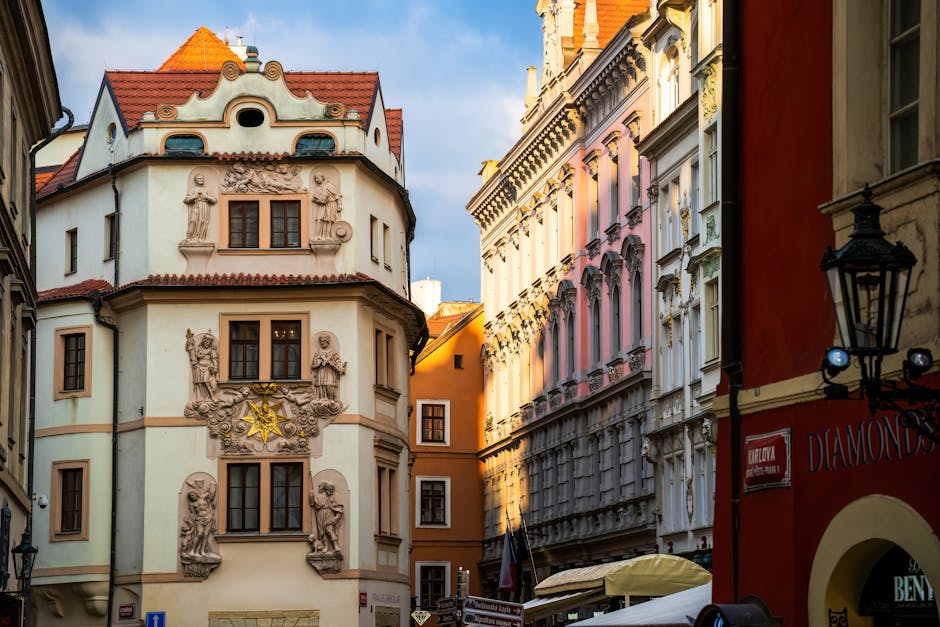
Explore the world's only Cubist architecture on this self-guided walking route through Prague's New Town and Old Town.
 Easy
EasyPrague, Czech Republic
Discover Prague's Golden Age on this self-guided walk through stunning Art Nouveau landmarks, from the Municipal House to Mucha's masterpieces.
 Challenging
Prague, Czech Republic
Discover Prague’s royal district and capture stunning panoramic vistas on this self-guided walking route through Hradčany and the Castle complex.
 Easy
EasyPrague, Czech Republic
Discover the history of Pilsner and Prague's legendary pub culture on this self-guided audio walk through historic breweries and hidden local haunts.
 Easy
EasyNairobi, Kenya
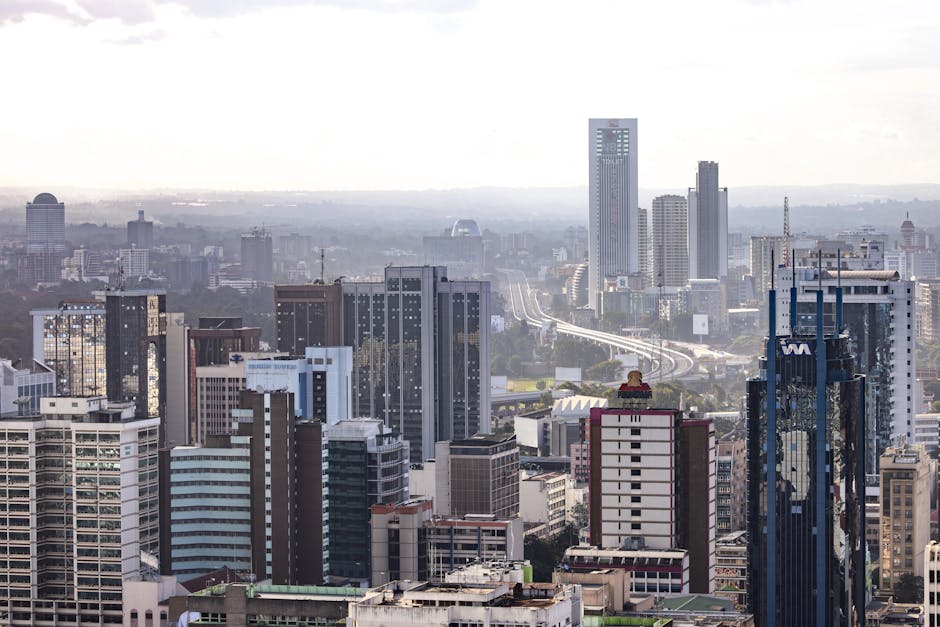
Explore Nairobi's architectural evolution from colonial-era landmarks to iconic Brutalist skyscrapers on this historic self-guided walking route.
 Easy
EasyNairobi, Kenya
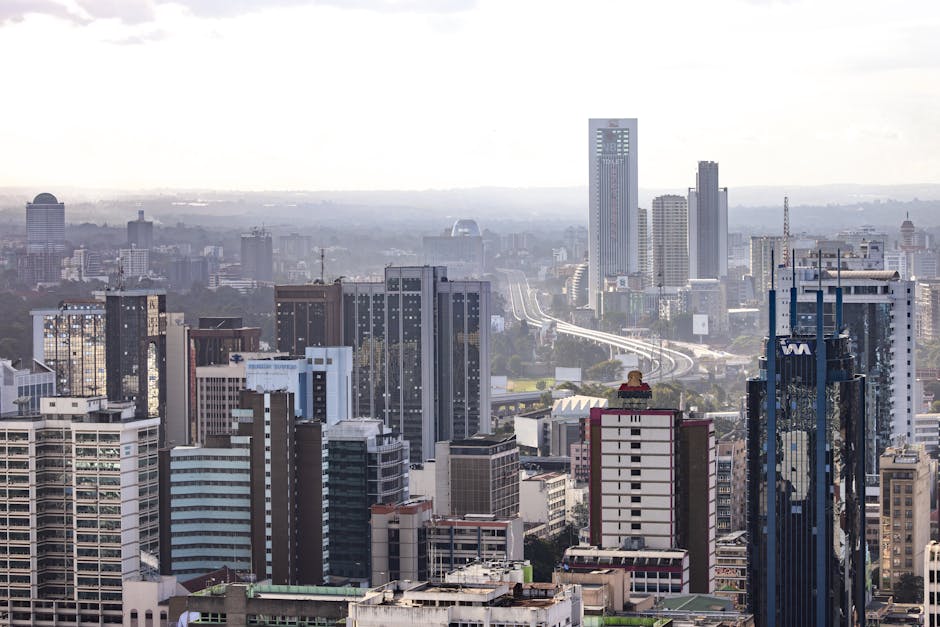
Discover Nairobi's iconic skyline on this self-guided architecture walk through the CBD’s most famous modernist and Brutalist landmarks.
 Easy
EasyKrakow, Poland
Explore the prestigious Jagiellonian University district, featuring Neo-Gothic architecture, Baroque churches, and Krakow's hidden scholarly gems.
 Easy
EasyInnsbruck, Austria
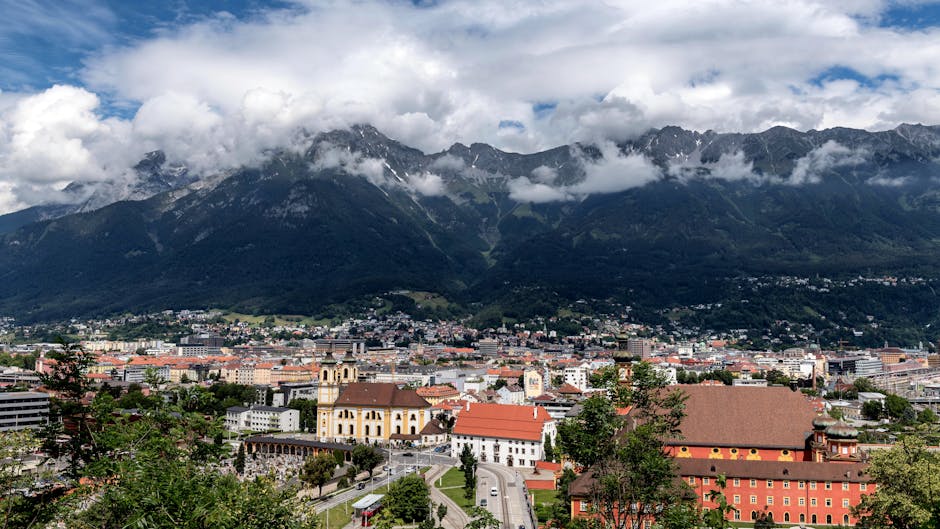
Uncover the myths and legends of Innsbruck on this self-guided walk through the historic Altstadt and beyond.
 Easy
EasyCesky Krumlov, Czech Republic
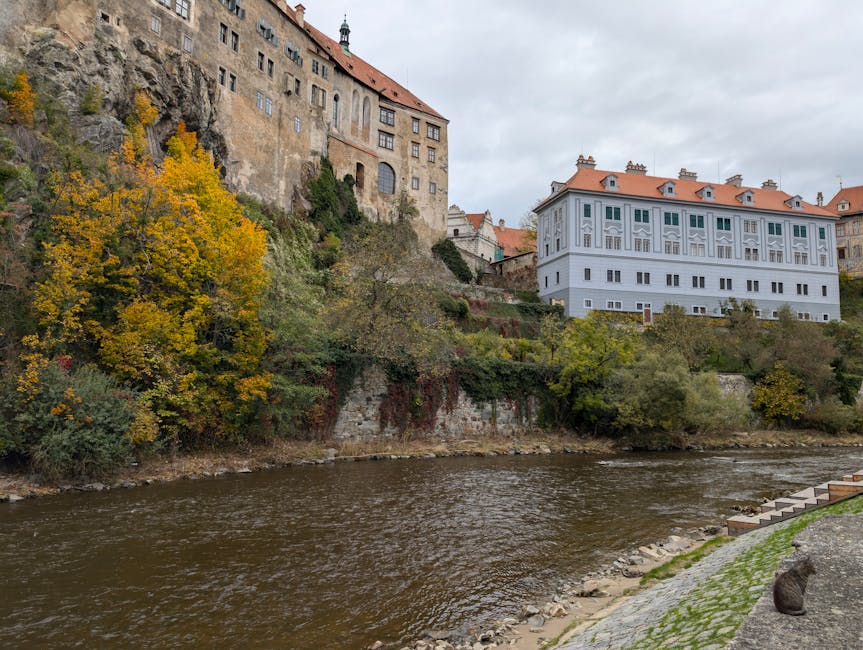
Discover the flavors of South Bohemia on this self-guided walk through the historic taverns, breweries, and riverside cafes of Cesky Krumlov.
 Moderate
Cesky Krumlov, Czech Republic
Escape the crowds and discover the artistic soul, historic villas, and hidden stories of Cesky Krumlov's most authentic neighborhood, Plešivec.
 Easy
EasyCesky Krumlov, Czech Republic
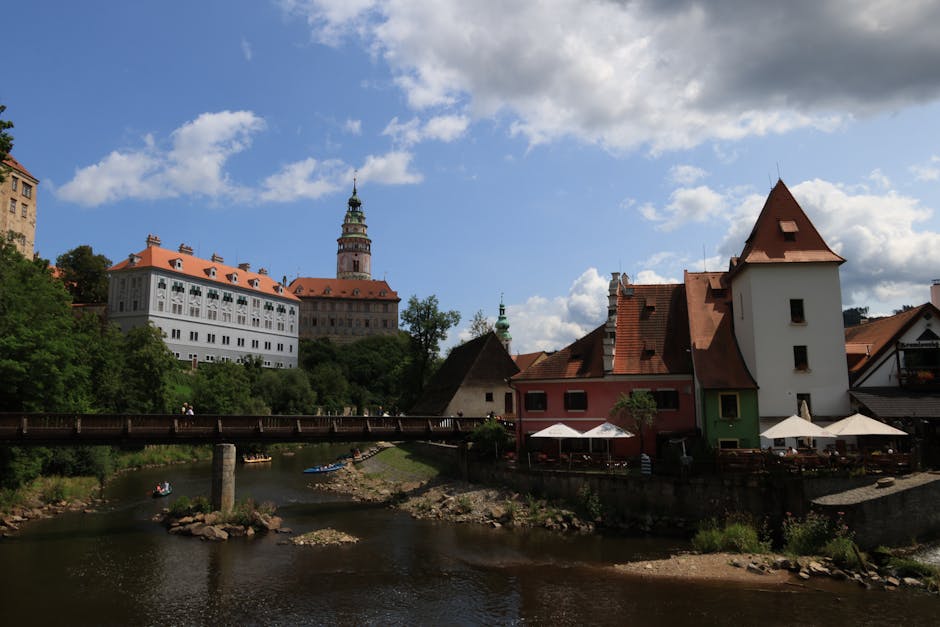
Discover the haunting legends and eerie history of Cesky Krumlov on this atmospheric self-guided audio walk through the moonlit Inner City.
 Easy
EasyCesky Krumlov, Czech Republic
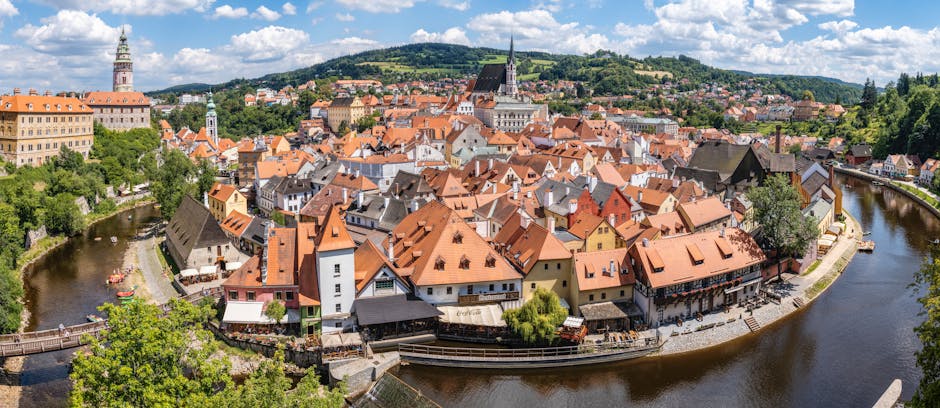
Explore the romantic Vltava riverbanks, hidden medieval alleys, and iconic bridges of Cesky Krumlov on this scenic self-guided photography walk.
