Guanajuato is a city of underground tunnels, narrow alleys, and a skyline punctuated by the magnificent domes and bell towers of its colonial past. This self-guided walk invites you to witness the spiritual and architectural wealth of a city once fueled by the riches of silver mining. The churches of Guanajuato are not just places of worship; they are monuments to the artistic ambition of the New World, showcasing the transition from the ornate Churrigueresque style to the refined lines of Neoclassicism. On this neighborhood stroll through the historic Centro, you will encounter five of the most significant religious structures in the region. Beginning at the charming Plaza de San Roque, the route takes you through the heart of the city, passing the iconic yellow facade of the Basilica and the intricate stone carvings of San Diego. You will explore the massive scale of the Jesuit Templo de la Compañía and conclude at the peaceful Templo de San Francisco. This walking tour Guanajuato offers a deep dive into the 18th-century boom years when Guanajuato was the source of two-thirds of the world's silver. The wealth of the mine owners is visible in every gold-leaf altar and hand-carved portal along this walking route. Whether you are an architecture enthusiast or a history buff, this audio walk provides the context needed to understand why this city is a UNESCO World Heritage site. You can discover at your own pace, stopping to admire the local life in the plazas or stepping inside to see some of the oldest religious icons in Mexico. As you explore independently, you'll see how these structures serve as anchors for the city's vibrant festivals and daily traditions. This walking tour Guanajuato is designed to be an easy, accessible way to see the city's highlights while avoiding the crowds of a traditional group excursion.
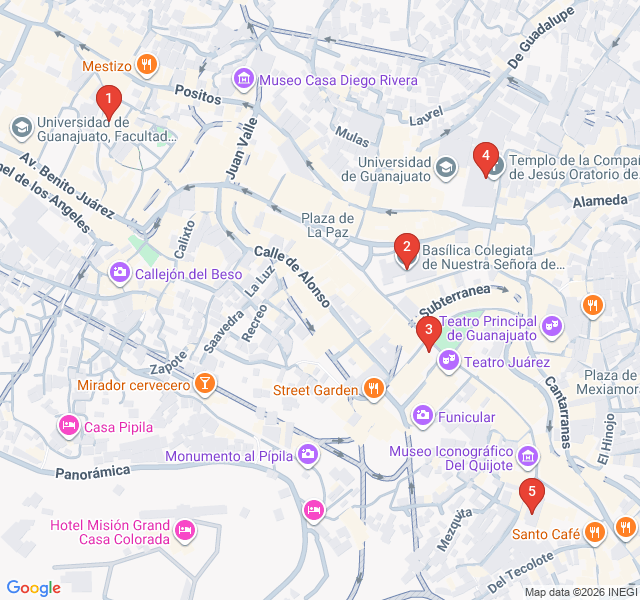
Numbers indicate the order of stops on the tour
Start exploring with Zigway here at the Templo de San Roque, built in 1726. This church is famous not just for its architecture, but for the plaza it overlooks. In the 1950s, this very square became the stage for the Entremeses Cervantinos—short plays by Miguel de Cervantes—which eventually grew into the world-renowned International Cervantino Festival. The church itself features a relatively sober facade compared to others on this route, but its historical importance is immense. It served as a landmark for the local mining community and remains a focal point for cultural life. Take a moment to appreciate the stone cross in the center of the plaza, which dates back to the colonial era, before continuing toward the heart of the city.
As you reach the Plaza de la Paz, the brilliant yellow walls of the Basilica are impossible to miss. This is the spiritual heart of Guanajuato. Completed in 1796, it houses one of the most important relics in the Americas: a wooden statue of Our Lady of Guanajuato. Legend says this statue was hidden from the Moors in Spain for 800 years before King Philip II gifted it to the city in 1557 as a thank-you for its silver production. The architecture is a blend of Baroque and Neoclassical, reflecting the changing tastes of the late 18th century. Inside, the silver altar and the ornate pipe organ speak to the incredible wealth of the local silver barons who funded its construction.
Located directly across from the Jardín Unión and next to the Teatro Juárez, the Iglesia de San Diego is a masterpiece of the Churrigueresque style, also known as Ultra-Baroque. Look closely at the pink sandstone facade; the level of detail is staggering, featuring intricate floral patterns and angelic figures that seem to grow out of the stone. The original 17th-century church was nearly destroyed by floods—a common problem in old Guanajuato—leading to the current structure being built atop the ruins of the old one in the late 1700s. This stop highlights the resilience of the city and the high-water mark of colonial Spanish artistic expression.
Prepare to be amazed by the scale of the Templo de la Compañía. Built by the Jesuits between 1747 and 1765, this is one of the largest Jesuit churches in the world. The massive dome is a landmark visible from almost any viewpoint in the city. The facade is a prime example of the 'estipite' Baroque style, characterized by its slender, inverted pyramid columns. When the Jesuits were expelled from Spanish territories in 1767, the church was abandoned for decades before being reclaimed by the Oratory of San Felipe Neri. Inside, the cavernous space and the collection of colonial-era paintings offer a quiet, awe-inspiring atmosphere far removed from the busy streets outside.
The final stop on your neighborhood stroll is the Templo de San Francisco. This church offers a fascinating look at architectural evolution, with a Baroque exterior and a predominantly Neoclassical interior. The Franciscan order played a vital role in the early evangelization of the mining camps, and this site has been a place of worship since the late 16th century, though the current building dates to the late 1700s. The small plaza in front of the church is often quieter than the main squares, providing a perfect spot to reflect on the journey through Guanajuato's religious history. From here, you are only a short walk away from the local markets and the Sopeña street, leading back to the city center.
Download Zigway to experience "Baroque Beauty: The Great Churches of Guanajuato" with AI-powered audio narration. Walk at your own pace while stories unfold around you.
 Moderate
Guanajuato, Mexico
Explore the myths and hidden alleys of Guanajuato on this self-guided walk through romantic corners and legendary historic sites.
 Easy
EasyGuanajuato, Mexico
Explore Guanajuato's vibrant nightlife through hidden mezcalerias, historic cantinas, and musical plazas on this self-guided evening stroll.
 Challenging
Guanajuato, Mexico
Ascend from the famous mummies to the opulent silver mines on this challenging self-guided walk through Guanajuato's industrial and colonial past.
 Easy
EasyGuanajuato, Mexico
Discover the vibrant tastes of Guanajuato on this self-guided walk through markets, plazas, and local sweet shops.
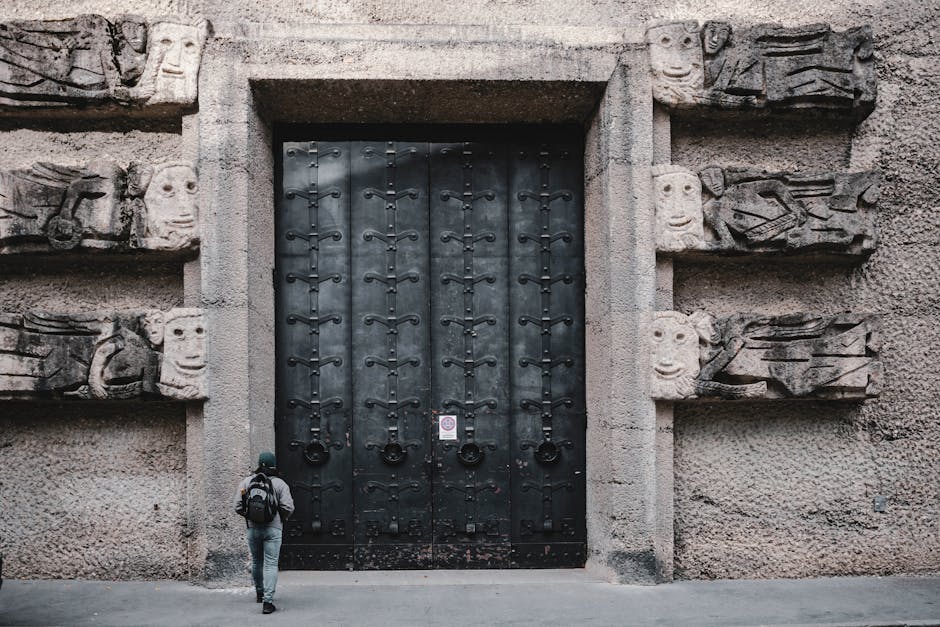 Easy
EasySalzburg, Austria
Discover the 'Rome of the North' on this self-guided walk through the Baroque squares and monumental legacy of Salzburg’s Prince-Archbishops.
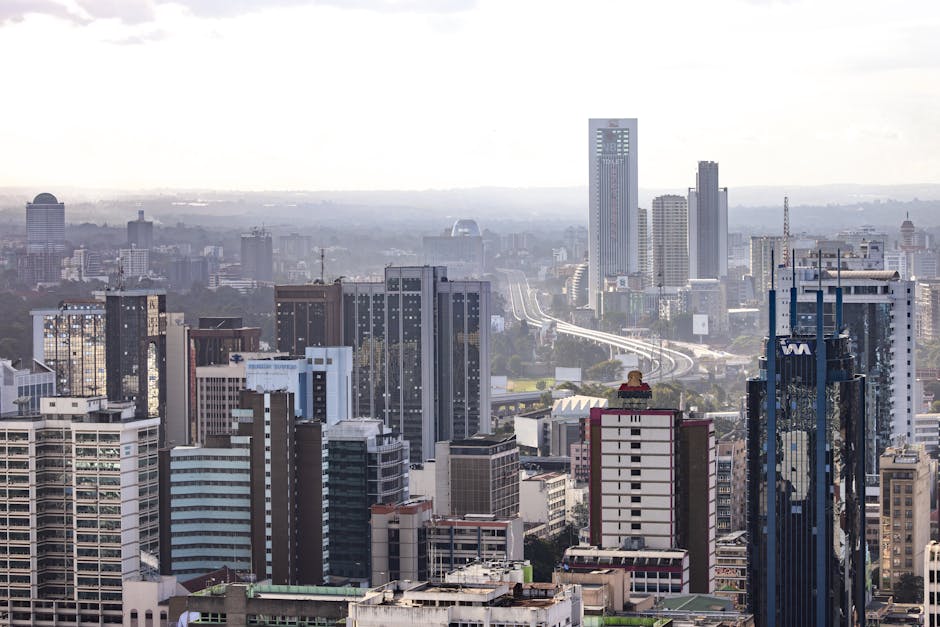 Easy
EasyNairobi, Kenya
Discover Nairobi's iconic skyline on this self-guided architecture walk through the CBD’s most famous modernist and Brutalist landmarks.
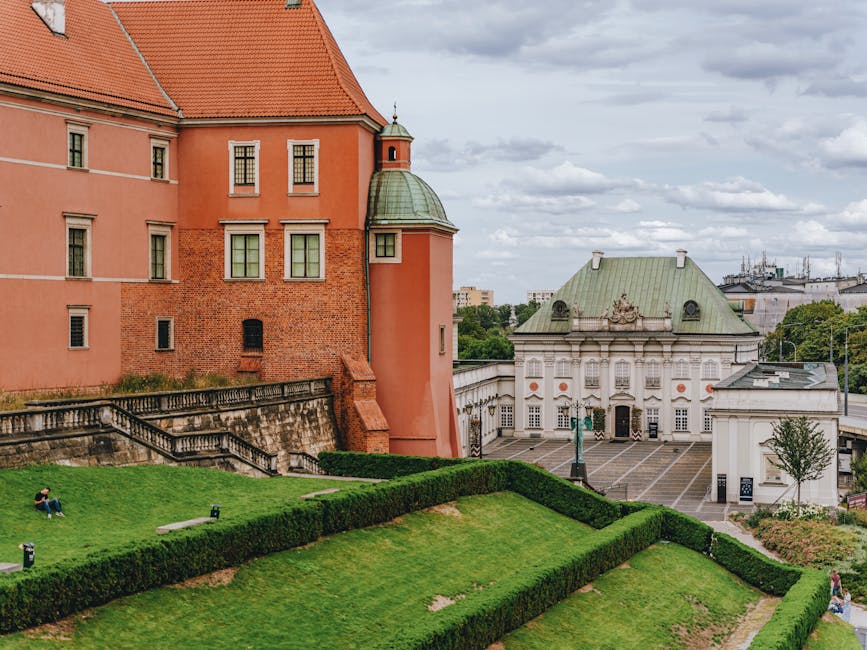 Easy
EasyWarsaw, Poland
Explore the miracle of Warsaw's reconstructed Old Town on this self-guided walk through royal squares, medieval walls, and heroic monuments.
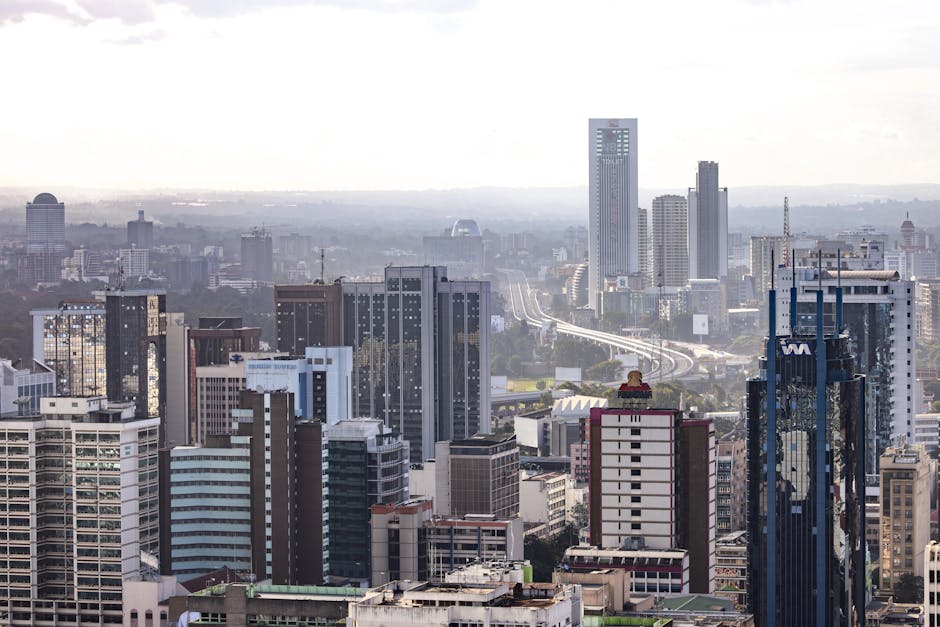 Easy
EasyNairobi, Kenya
Explore Nairobi's architectural evolution from colonial-era landmarks to iconic Brutalist skyscrapers on this historic self-guided walking route.
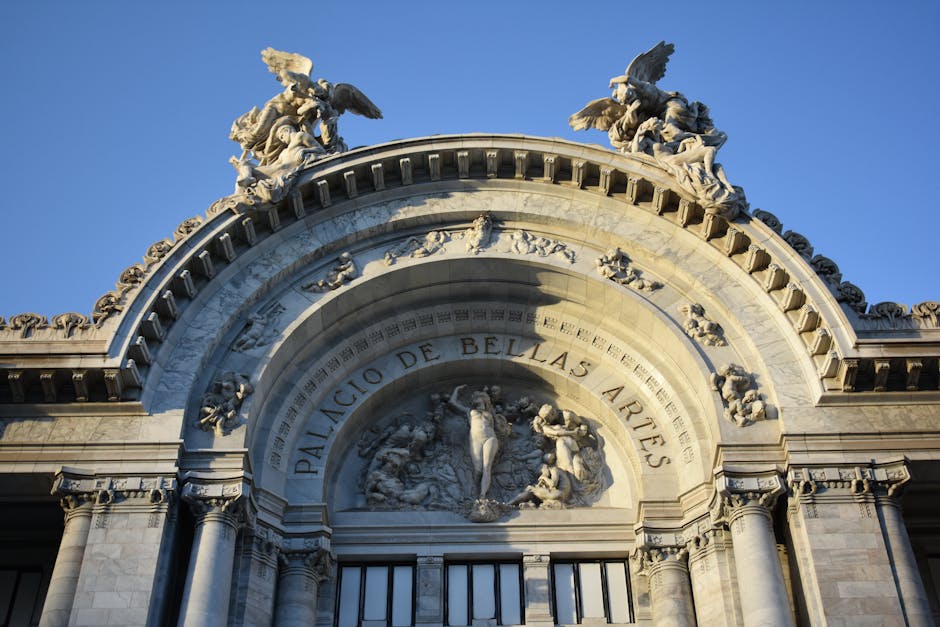 Easy
EasyMexico City, Mexico
Explore Mexico City's most glamorous district on this self-guided walk through Polanco's luxury boutiques, lush parks, and iconic art museums.
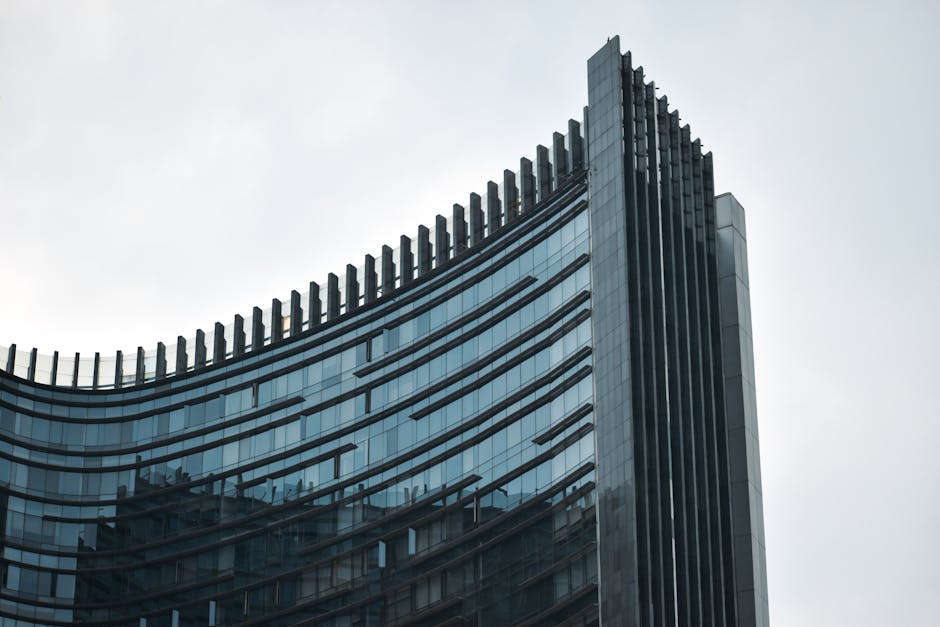 Easy
EasyMexico City, Mexico
Explore the Art Deco architecture and gourmet food scene of Roma Norte on this self-guided neighborhood stroll through Mexico City’s creative heart.
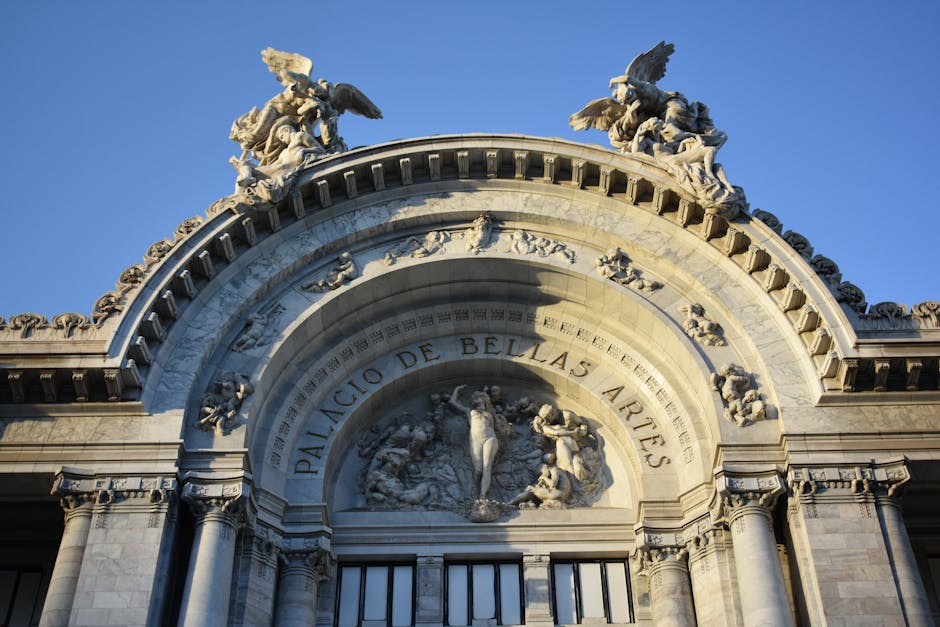 Easy
EasyMexico City, Mexico
Explore the epic murals of Rivera, Orozco, and Siqueiros on this self-guided walking route through the heart of Mexico City’s historic center.
 Moderate
Mexico City, Mexico
Taste the legendary tacos and cantina culture of Narvarte on this self-guided walk through Mexico City's most authentic foodie neighborhood.
