Step into the intellectual and artistic heart of Mexico City with this self-guided walk through Coyoacán. Once a separate village on the southern shores of Lake Texcoco, Coyoacán—the 'Place of the Coyotes'—has preserved its colonial-era charm and bohemian spirit. This neighborhood stroll leads you through cobblestone streets lined with vibrant bougainvillea, past grand viceregal mansions, and into the private worlds of 20th-century revolutionaries and artists. This walking route is designed for those who want to experience the deep cultural layers of Mexico independently. You will begin at the fortress-like home of Leon Trotsky, where the Russian revolutionary spent his final days in exile. From there, the route takes you to the iconic Casa Azul, the cobalt-blue residence where Frida Kahlo was born, lived, and died. As you move from these intense historical sites toward the neighborhood's center, the atmosphere shifts from the political to the sensory. You'll explore the bustling Coyoacán Market, a local favorite for traditional tostadas and artisanal crafts, before resting in the shade of the Jardin Centenario. Here, the famous coyote fountain serves as a meeting point for locals and visitors alike. The journey continues to the Parroquia San Juan Bautista, one of the oldest and most ornate churches in the valley, before concluding in the mysterious, narrow passage of Callejón del Aguacate, a spot steeped in local legends. Whether you are interested in the dramatic history of the Mexican muralists or simply want to soak up the atmosphere of a neighborhood that feels worlds away from the skyscrapers of the city center, this self-guided adventure offers the perfect pace. This walking tour Mexico City highlight allows you to linger at a cafe or spend extra time in a gallery without being rushed by a group. It is a quintessential experience for anyone looking to understand the soul of the capital through its most storied barrio.
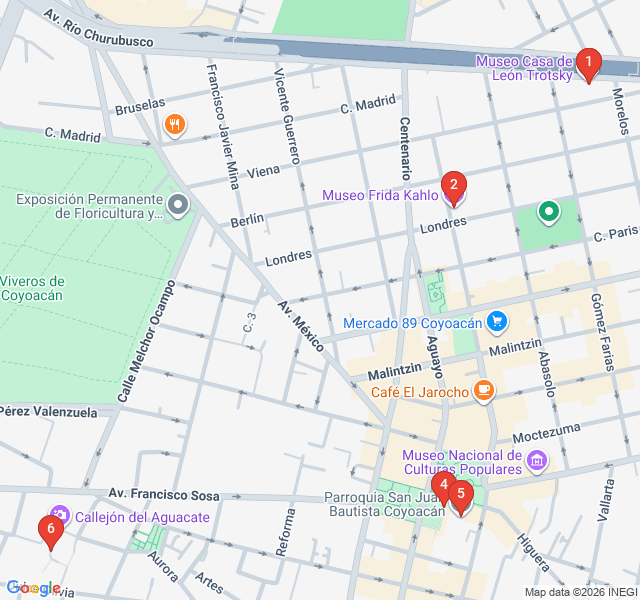
Numbers indicate the order of stops on the tour
Our self-guided walk begins at the final home of Leon Trotsky. This isn't just a house; it's a fortress. After falling out with Stalin and being exiled from the Soviet Union, Trotsky eventually found refuge in Mexico thanks to Diego Rivera and Frida Kahlo. Notice the high walls and the guard towers—they were added after a failed assassination attempt by the muralist David Alfaro Siqueiros. Inside, the house remains frozen in time. You can see Trotsky's study exactly as it was on the day in 1940 when he was fatally attacked with an ice pick. The garden outside, which Trotsky tended himself, contains his ashes under a monument designed by Juan O'Gorman. It’s a somber but fascinating look at the high-stakes political intrigue that once centered right here in Coyoacán.
Just a short walk away stands the most famous building in the neighborhood: La Casa Azul. This vibrant cobalt-blue house was Frida Kahlo’s birthplace and her sanctuary. As you walk past the exterior, imagine the gatherings of artists, poets, and communist leaders that once took place within these walls. The museum houses not only Frida's art but her most personal belongings—her corsets, her paints, and even the mirror above her bed that allowed her to paint self-portraits while bedridden. The relationship between Frida and the neighborhood is profound; she is the 'daughter' of Coyoacán, and her spirit continues to define the area's bohemian identity. Note the lush courtyard, which reflects her love for Mexican folk art and pre-Hispanic culture.
It’s time for a change of pace as we enter the Mercado de Coyoacán. This is the neighborhood's pulse. Unlike the more touristy markets in the city center, this remains a place where locals do their daily shopping. The air is thick with the scent of fresh marigolds, spices, and frying tortillas. If you're feeling hungry, the tostada stalls here are legendary—look for the ones with the longest lines! Beyond food, the market is a treasure trove of traditional Mexican crafts, from hand-painted ceramics to 'alebrijes' (fantastical wooden creatures). It’s the perfect place to experience the 'vibrant' tag of our route, offering a kaleidoscope of colors that has inspired Mexican artists for generations.
We now emerge into Jardin Centenario, the main social hub of Coyoacán. The name 'Coyoacán' comes from the Nahuatl language, meaning 'Place of the Coyotes,' and you can see this history celebrated in the bronze fountain at the center of the park. This plaza was once the atrium of the neighboring church but was separated during the secularization of the 19th century. Today, it’s a place for people-watching. You’ll see balloon sellers, street performers, and families enjoying ice cream. The perimeter is lined with some of the neighborhood's most historic cafes. It’s the perfect spot to take a seat, enjoy the shade of the ancient trees, and soak in the colonial atmosphere of the surrounding architecture.
Dominating the eastern side of the plaza is the Parroquia San Juan Bautista. Completed in the late 16th century, it is one of the oldest and most significant religious structures in Mexico City. While the exterior is impressive, the interior is truly breathtaking. The church features incredible Baroque ornamentation and a gold-leafed altar that glows in the dim light. Look up at the ceiling to see the intricate paintings and woodwork. This church was built over what was likely an indigenous school, a common practice during the Spanish conquest to establish spiritual dominance. It remains an active place of worship and a testament to the complex colonial history of the Coyoacán area.
Our final stop takes us away from the crowds and into the narrow, winding Callejón del Aguacate. This is one of the most atmospheric spots in the neighborhood. Legend has it that the alley is haunted, with various ghost stories involving a soldier and a young boy passed down through generations of residents. Even if you don't believe in ghosts, the silence here, broken only by the sound of your footsteps on the cobblestones, offers a stark contrast to the lively market. The high walls and overhanging trees create a tunnel-like effect that feels like stepping back 200 years. It’s a fittingly mysterious end to our exploration of the spirits—both literal and artistic—that haunt the streets of Coyoacán.
Download Zigway to experience "Bohemian Spirits of Coyoacán" with AI-powered audio narration. Walk at your own pace while stories unfold around you.
 Easy
EasyMexico City, Mexico
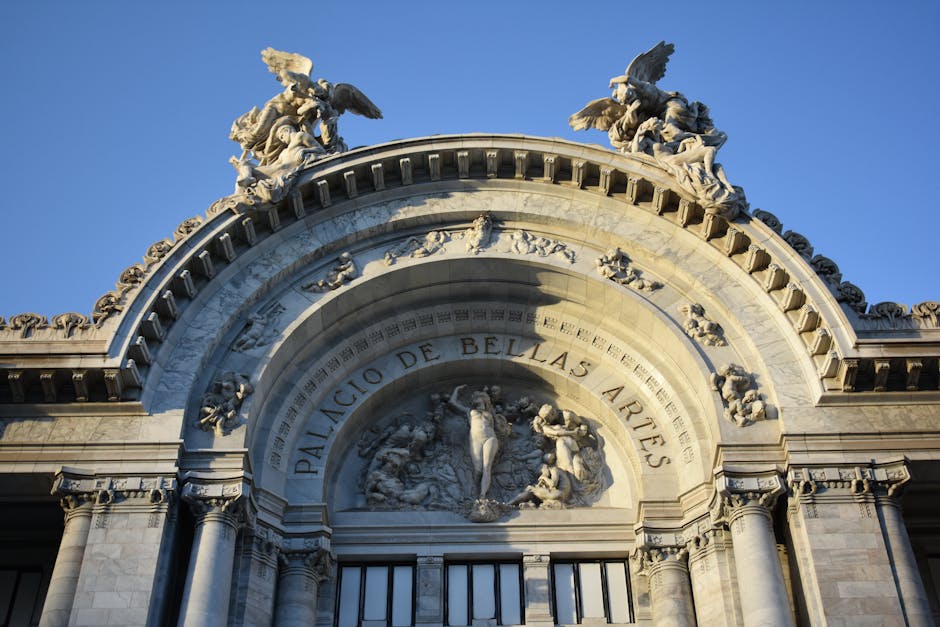
Explore Mexico City's most glamorous district on this self-guided walk through Polanco's luxury boutiques, lush parks, and iconic art museums.
 Easy
EasyMexico City, Mexico
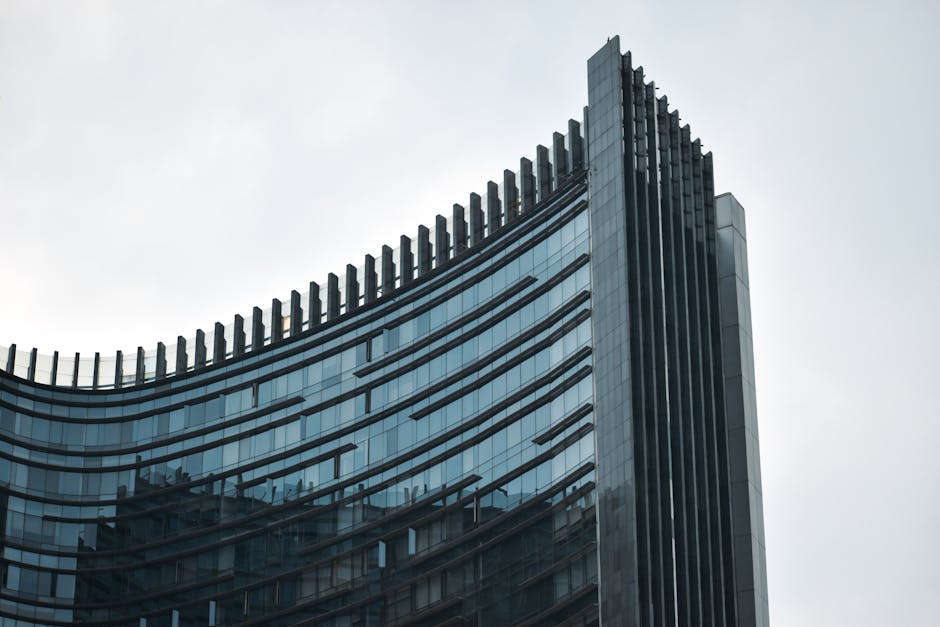
Explore the Art Deco architecture and gourmet food scene of Roma Norte on this self-guided neighborhood stroll through Mexico City’s creative heart.
 Easy
EasyMexico City, Mexico
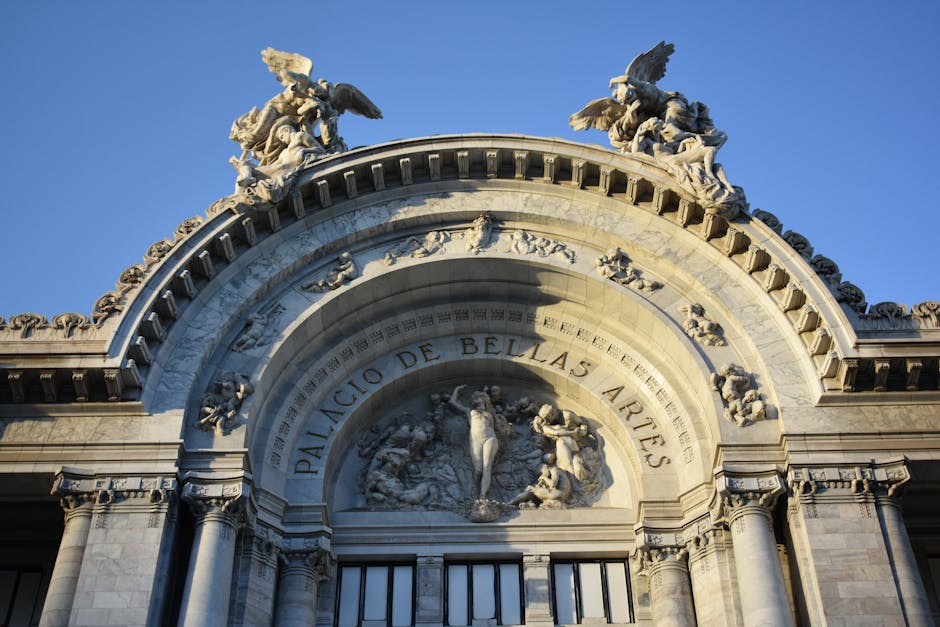
Explore the epic murals of Rivera, Orozco, and Siqueiros on this self-guided walking route through the heart of Mexico City’s historic center.
 Moderate
Mexico City, Mexico
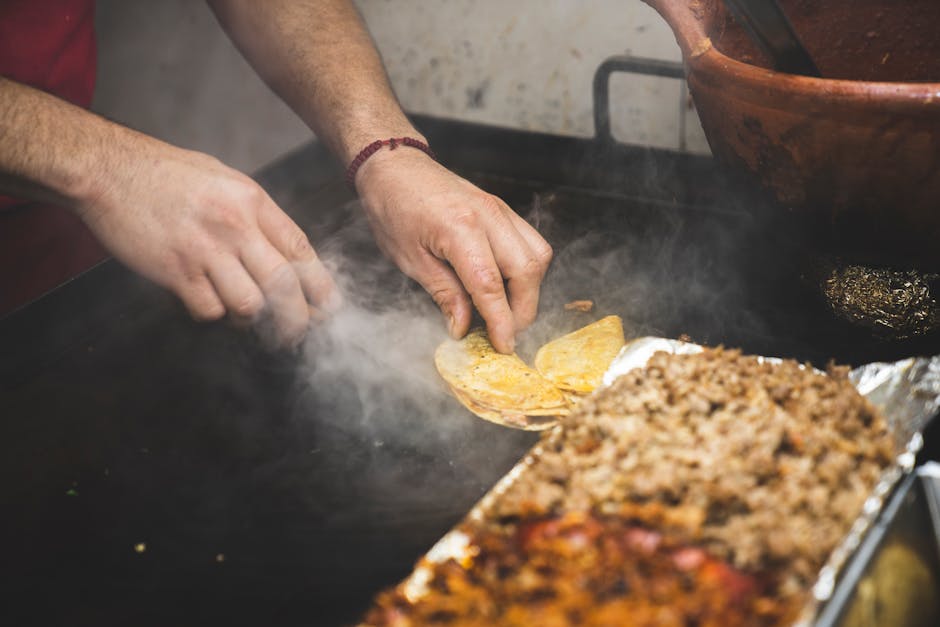
Taste the legendary tacos and cantina culture of Narvarte on this self-guided walk through Mexico City's most authentic foodie neighborhood.
 Easy
EasyKrakow, Poland
Explore the prestigious Jagiellonian University district, featuring Neo-Gothic architecture, Baroque churches, and Krakow's hidden scholarly gems.
 Easy
EasyGdansk, Poland
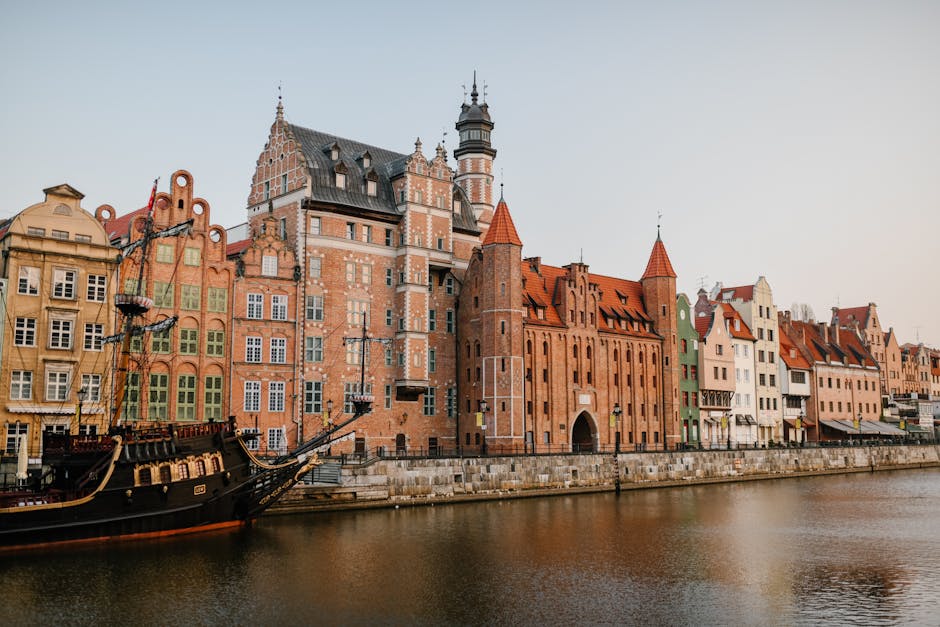
Discover the 'Baltic Gold' on this self-guided walk through Gdansk's historic mills, massive cathedrals, and the magical Mariacka Street.
 Easy
EasyGothenburg, Sweden
Explore Gothenburg's elegant academic district, featuring grand 19th-century stone architecture and the iconic cultural hub of Götaplatsen.
 Easy
EasyNairobi, Kenya
Discover Nairobi’s literary soul on this self-guided walk through historic libraries, iconic bookshops, and cultural centers in the heart of the CBD.
 Easy
EasyOaxaca, Mexico
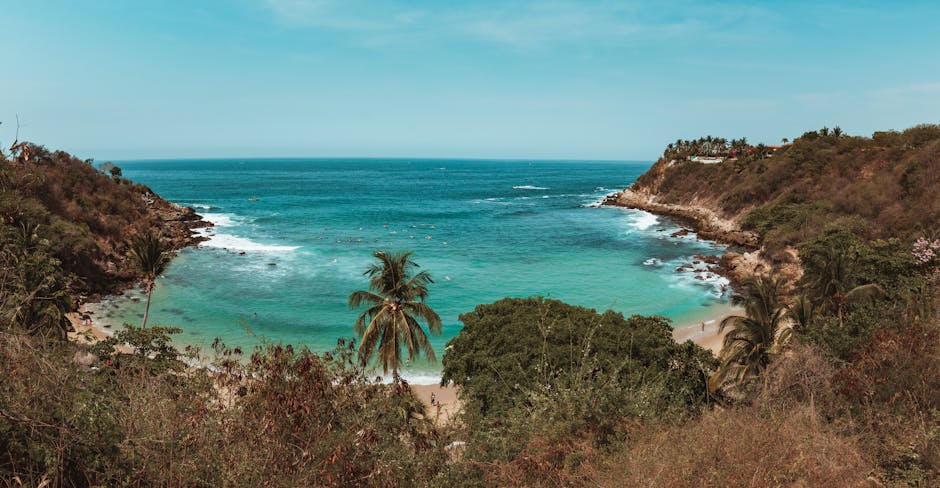
Explore Oaxaca’s oldest barrio on this self-guided walk through colonial aqueducts, colorful streets, and traditional artisan workshops.
 Easy
EasyOaxaca, Mexico
Explore Oaxaca's vibrant modern art scene, from revolutionary printmaking collectives to world-class contemporary museums, at your own pace.
 Moderate
Oaxaca, Mexico
Explore the heights of Oaxaca on this self-guided walk, featuring panoramic city views, cultural landmarks, and the iconic Cerro del Fortín.
 Easy
EasyOaxaca, Mexico
Explore Oaxaca's 'Green City' at your own pace. Discover Baroque masterpieces and the vibrant Zócalo on this self-guided neighborhood stroll.
