Tlatelolco is a place where time folds in on itself. This self-guided walk invites you to explore the Plaza de las Tres Culturas, a unique site in Mexico City where the Pre-Hispanic, Colonial, and Modern eras coexist in a single view. Unlike a standard walking tour Mexico City offers, this neighborhood stroll focuses on the profound historical weight of a site that witnessed the final stand of the Aztec empire, the construction of monumental Spanish churches, and the complex social movements of the 20th century. This history comes alive through the stark architectural contrasts and the moving memorials found throughout the district. As you navigate the route, you will encounter the archaeological remains of a once-vast market city, the imposing stone walls of the Templo de Santiago Apóstol, and the modernist housing projects that defined mid-century Mexican urbanism. This walking route is particularly poignant for those interested in photography, as the juxtaposition of ancient pyramids against 1960s concrete blocks creates a visual narrative found nowhere else in the world. Beyond the aesthetics, the area serves as a solemn site of memory, particularly regarding the 1968 student movement and the resilience of the local community following the 1985 earthquake. By choosing to explore independently, you allow yourself the space to reflect on the layers of triumphs and tragedies that have shaped the modern Mexican identity. Whether you are a first-time visitor or a seasoned traveler, this self-guided adventure provides a deep dive into the soul of the city, far from the typical tourist crowds of the Zócalo or Roma. This is not just a walk; it is a journey through the literal foundations of the nation.
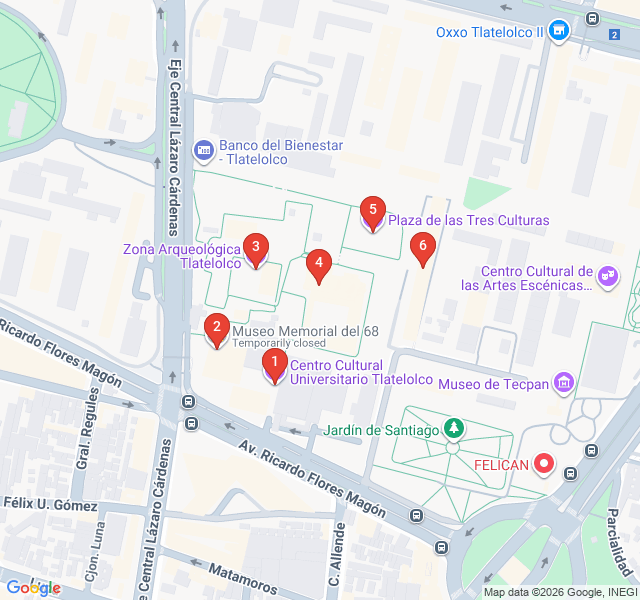
Numbers indicate the order of stops on the tour
Begin your neighborhood stroll at this cultural beacon operated by UNAM. This building, once the headquarters of the Ministry of Foreign Affairs, now serves as a guardian of the area's complex history. It is the perfect starting point to understand the intellectual and social context of Tlatelolco. The center houses various collections, but its primary role is to orient visitors to the weight of the ground they are about to walk on. Take a moment to appreciate the marble facade, which stands as a precursor to the modernist residential blocks you will see later on the route. This stop sets the stage for a journey through the three distinct layers of Mexican civilization.
Located within the CCU Tlatelolco, this memorial is a vital stop for understanding modern Mexico. It is dedicated to the 1968 student movement and the tragic events of October 2nd. Through testimonies, documents, and multimedia installations, the memorial honors those who fought for democracy. The history here is heavy but essential. It explains why Tlatelolco is more than just an archaeological site; it is a symbol of civic resistance and the ongoing struggle for human rights. As you reflect on the exhibits, consider how the events of 1968 fundamentally shifted the political landscape of the country, making this one of the most significant sites for political history in the city.
Step back into the Pre-Hispanic era. Tlatelolco was once the sister city of Tenochtitlan and home to the largest market in the Aztec world. Chroniclers like Bernal Díaz del Castillo were awestruck by its size and organization. As you look at the ruins of the Great Temple and the calendar temple, imagine the vibrant commerce that once took place here. This was also the site of the final, desperate battle against the Spanish in 1521. A plaque nearby famously notes that it was neither a triumph nor a defeat, but the painful birth of the mestizo people that is Mexico today. The volcanic stone ruins offer a stark, beautiful contrast to the surrounding modern skyline.
Representing the second 'culture'—the Spanish Colonial era—this church was built in the early 17th century. Look closely at the walls; you can see the red tezontle and grey basalt stones taken directly from the destroyed Aztec temples. This practice, known as architectural syncretism, was a literal building of the new faith upon the foundations of the old. Inside, the church is austere and grand, reflecting the Franciscan style. It was here that Juan Diego, the visionary of the Virgin of Guadalupe, was said to have been baptized. The church stands as a silent witness to the centuries of colonial rule that transformed the valley of Anahuac into New Spain.
Stand in the center of the plaza to experience the 'Three Cultures' simultaneously. From this single vantage point, you can see the indigenous ruins, the colonial church, and the 20th-century housing complex. This is the heart of the neighborhood stroll and a dream for photography. The plaza is a physical timeline of Mexican history. It is a place of profound synthesis where the architecture tells the story of a nation’s evolution. Take a moment to read the inscriptions on the various monuments, which acknowledge the blood shed on this ground over five centuries. The open space often feels quiet and contemplative, a stark contrast to the bustling traffic of the nearby Eje Central.
This stop brings you into the modern era. Designed by the famous architect Mario Pani, the Edificio Chihuahua is part of the Nonoalco-Tlatelolco housing complex, which was once a model for 'living of the future.' However, the building is most famous—or infamous—for its balcony, which served as the backdrop for the 1968 student massacre when government forces opened fire on protesters in the plaza below. Later, the area was also heavily impacted by the 1985 earthquake, leading to the demolition of several nearby towers. Today, it remains a vibrant residential community. As you conclude your walk, observe how life continues in these modernist blocks, honoring the past while moving toward the future.
Download Zigway to experience "The Three Cultures of Tlatelolco" with AI-powered audio narration. Walk at your own pace while stories unfold around you.
 Easy
EasyMexico City, Mexico
Explore Mexico City's most glamorous district on this self-guided walk through Polanco's luxury boutiques, lush parks, and iconic art museums.
 Easy
EasyMexico City, Mexico
Explore the Art Deco architecture and gourmet food scene of Roma Norte on this self-guided neighborhood stroll through Mexico City’s creative heart.
 Easy
EasyMexico City, Mexico
Explore the epic murals of Rivera, Orozco, and Siqueiros on this self-guided walking route through the heart of Mexico City’s historic center.
 Moderate
Mexico City, Mexico
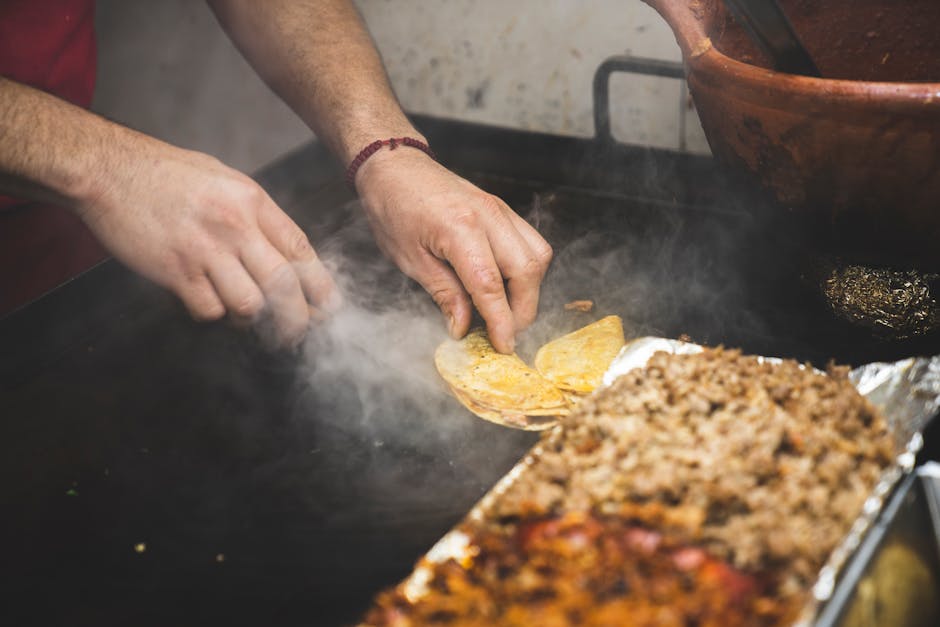
Taste the legendary tacos and cantina culture of Narvarte on this self-guided walk through Mexico City's most authentic foodie neighborhood.
 Easy
EasyNairobi, Kenya
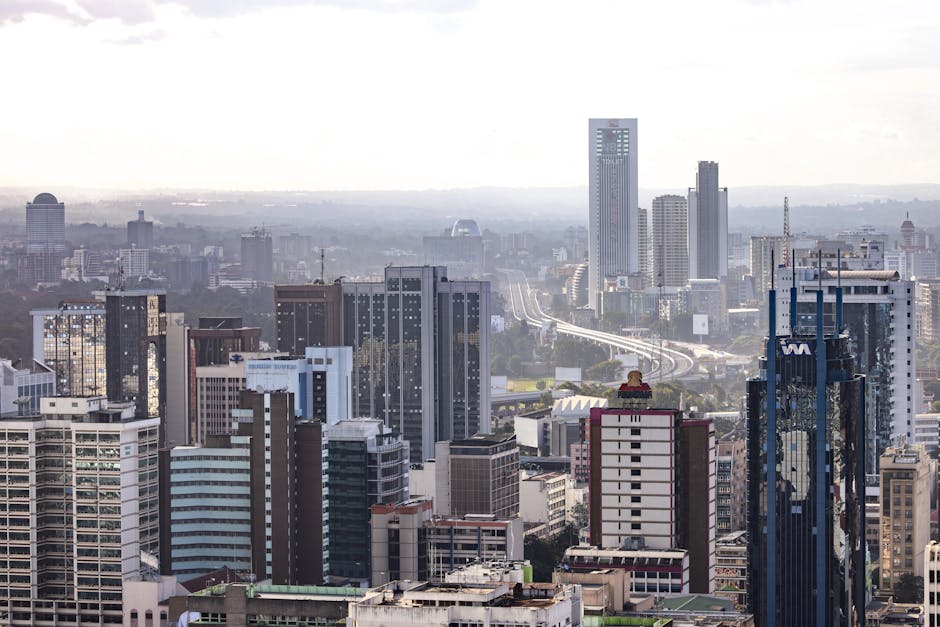
Discover Nairobi's iconic skyline on this self-guided architecture walk through the CBD’s most famous modernist and Brutalist landmarks.
 Easy
EasySalzburg, Austria
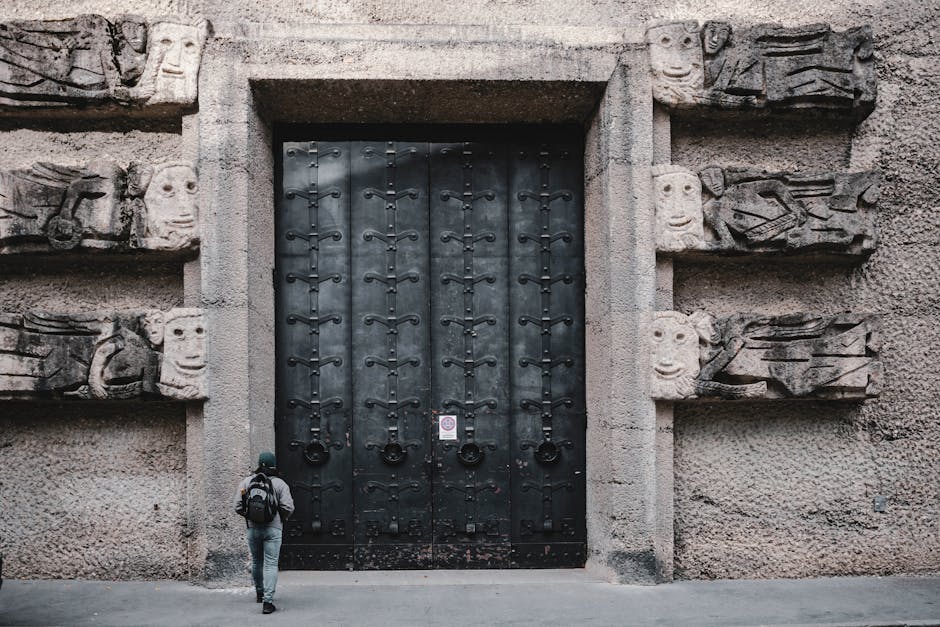
Discover the 'Rome of the North' on this self-guided walk through the Baroque squares and monumental legacy of Salzburg’s Prince-Archbishops.
 Easy
EasySalzburg, Austria
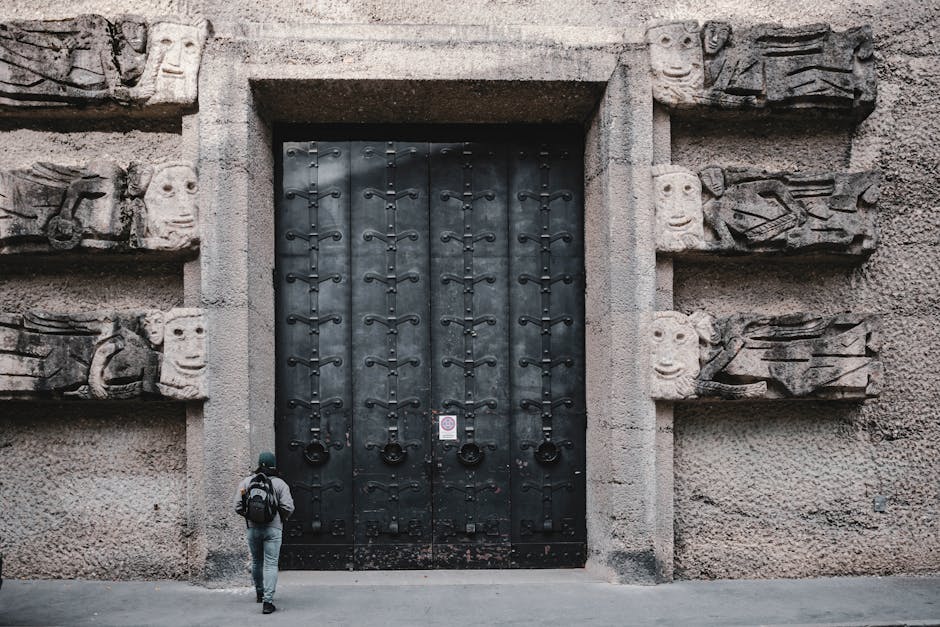
Discover Salzburg's oldest medieval alley, the birthplace of the 'Silent Night' author, and breathtaking views on this quiet self-guided walk.
 Easy
EasyNairobi, Kenya
Explore Nairobi's architectural evolution from colonial-era landmarks to iconic Brutalist skyscrapers on this historic self-guided walking route.
 Easy
EasyOaxaca, Mexico
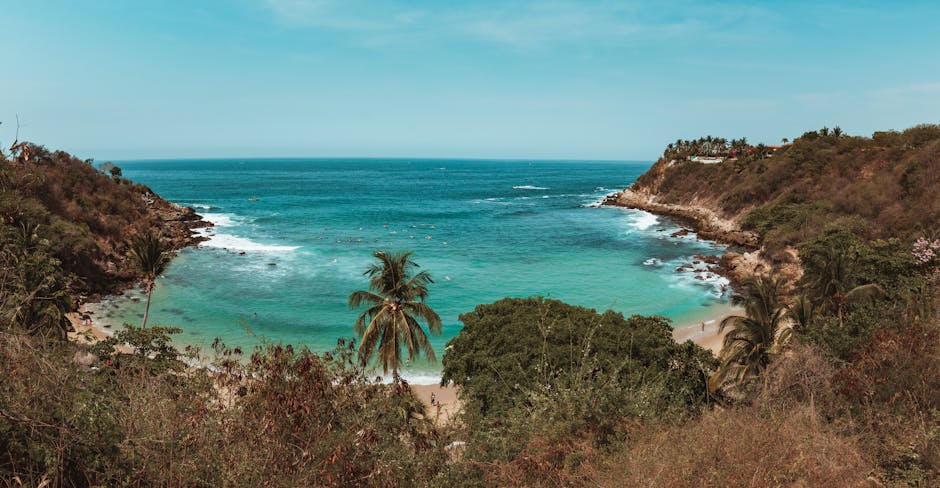
Explore Oaxaca’s oldest barrio on this self-guided walk through colonial aqueducts, colorful streets, and traditional artisan workshops.
 Easy
EasyOaxaca, Mexico
Explore Oaxaca's vibrant modern art scene, from revolutionary printmaking collectives to world-class contemporary museums, at your own pace.
 Moderate
Oaxaca, Mexico
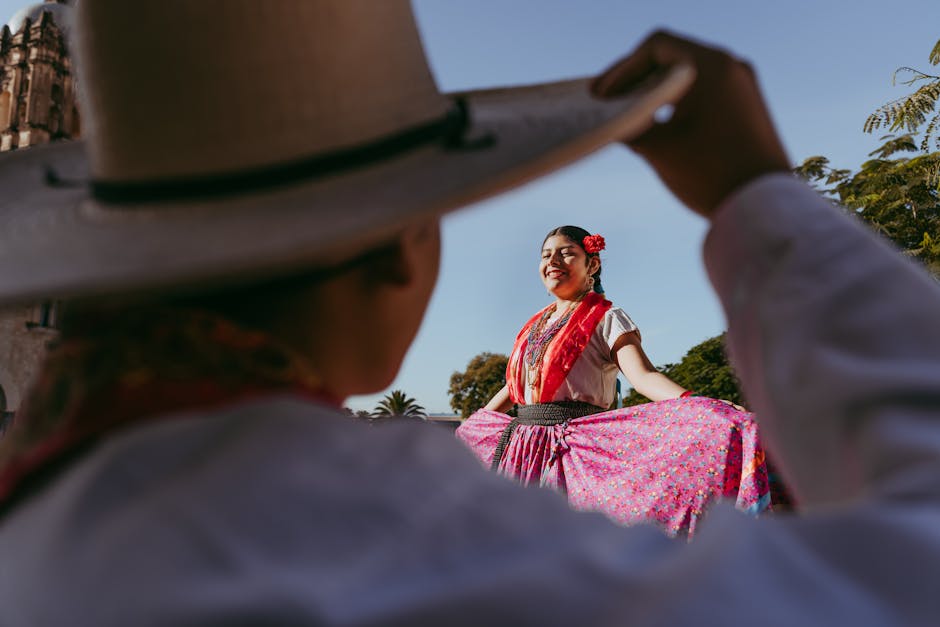
Explore the heights of Oaxaca on this self-guided walk, featuring panoramic city views, cultural landmarks, and the iconic Cerro del Fortín.
 Easy
EasyOaxaca, Mexico
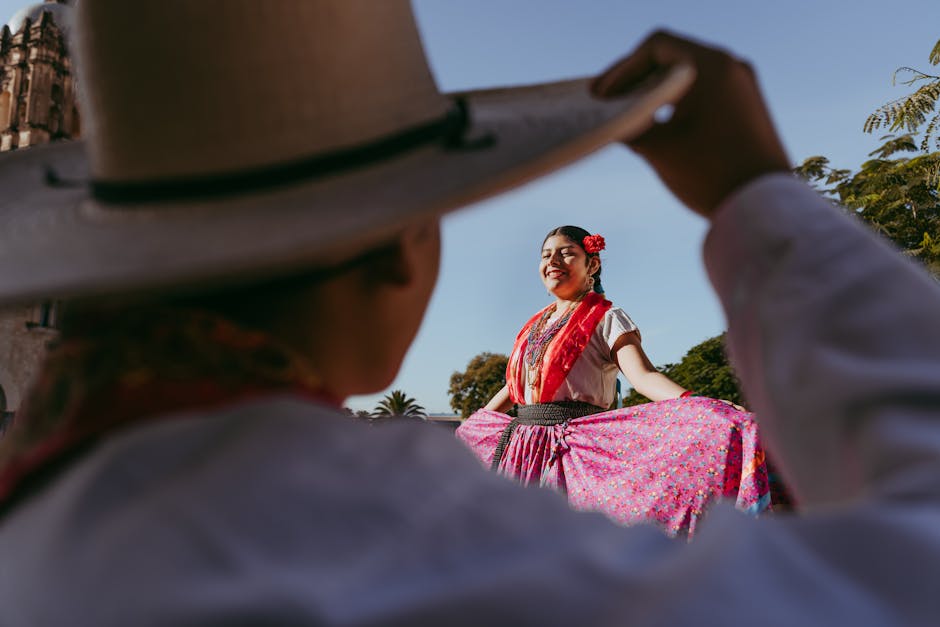
Explore Oaxaca's 'Green City' at your own pace. Discover Baroque masterpieces and the vibrant Zócalo on this self-guided neighborhood stroll.
