Step into a world where flavor and history are inextricably linked. This self-guided walk invites you to explore the legendary culinary landscape of the New Orleans French Quarter, known locally as the Vieux Carré. As you wander through the cobblestone streets, you will encounter the 'Grand Dames' of Creole dining—institutions that have survived for over a century by perfecting the art of hospitality. This neighborhood stroll is not just about tasting food; it is about understanding the complex cultural tapestry of French, Spanish, African, and Caribbean influences that created the unique Creole identity. You will see the elegant dining rooms where the city's elite have gathered for generations and the humble stands that pioneered world-famous snacks. Along this walking route, you will uncover the stories behind iconic dishes like Oysters Rockefeller and Bananas Foster, and learn about the flamboyant characters who founded these establishments. From the vibrant energy of Bourbon Street to the historic charm of Royal Street, this experience captures the essence of a city that lives to eat. Whether you are a dedicated foodie or a history enthusiast, this walking tour New Orleans route provides the perfect independent exploration of the city's most delicious landmarks. Discover why these culinary classics remain the beating heart of the French Quarter at your own pace.
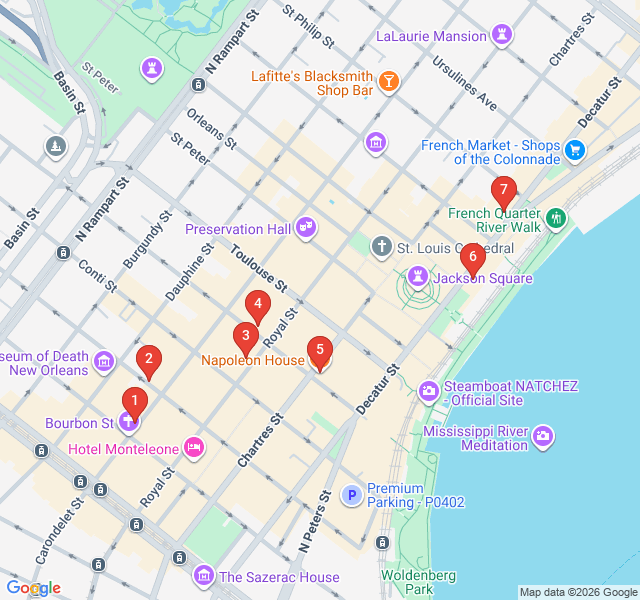
Numbers indicate the order of stops on the tour
Welcome to Bourbon Street, home to Galatoire's, a pillar of New Orleans society since 1905. Founded by Jean Galatoire, this restaurant is famous for its strict adherence to tradition. For over a century, the Friday lunch here has been the most coveted 'reservation' in town—though famously, the downstairs dining room did not accept reservations for decades, leading to long lines of socialites in the street. Inside, the bright mirrors and brass coat racks have seen generations of New Orleanians celebrate milestones. The cuisine is quintessential French Creole, focusing on local seafood like trout amandine and crabmeat ravigote. It is a place where the jacket-required dress code and the lively atmosphere remind us that in New Orleans, dining is a grand performance.
Just a short walk away stands Arnaud's, established in 1918 by 'Count' Arnaud Cazenave. A colorful character, the Count believed that dining should be an indulgent experience. This restaurant is actually a collection of interconnected 19th-century townhouses. Arnaud's is credited with popularizing Shrimp Remoulade, served with their signature spicy, mustard-based sauce. If you look up, you might notice the second floor, which houses a free museum dedicated to Germaine Cazenave Wells, the Count's daughter. She was a prolific Mardi Gras queen, and the museum displays her elaborate gowns. This stop highlights the deep connection between New Orleans' culinary world and its festive Carnival traditions.
Pause here at the striking pink building on Royal Street. This is Brennan's, a landmark that redefined the New Orleans breakfast. In the 1950s, Owen Brennan challenged the idea that breakfast was a simple meal, creating 'Breakfast at Brennan's' as a multi-course, decadent affair. The most famous contribution from this kitchen is Bananas Foster. Created in 1951 by Chef Paul Blangé, the dish was named after Richard Foster, a friend of the Brennan family and a local civic leader. The theatrical flaming of bananas in rum, cinnamon, and banana liqueur remains a staple of the city's dessert repertoire. The building itself dates back to 1795 and once housed the First Bank of Louisiana.
You are standing before the oldest family-run restaurant in the United States. Founded in 1840 by Antoine Alciatore, this institution is the birthplace of Oysters Rockefeller. The dish was created by Antoine's son, Jules, in 1889; it was so rich that he named it after the wealthiest man of the time, John D. Rockefeller. The exact recipe remains a family secret, though it is known to contain a blend of green herbs rather than the spinach many imitators use. With 14 dining rooms, each with its own history—like the 1812 Room or the Rex Room—Antoine's is a labyrinth of New Orleans history. It has served everyone from US Presidents to Pope John Paul II.
The atmosphere shifts as we reach Napoleon House. This building was the residence of Nicholas Girod, the first elected mayor of New Orleans. In 1821, Girod allegedly plotted with local pirates to rescue Napoleon Bonaparte from his exile on St. Helena and bring him here to live. Although Napoleon died before the plan could be executed, the name stuck. Today, the building is a protected National Historic Landmark. It is famous for its weathered walls, classical music, and its signature drink: the Pimm's Cup. This refreshing gin-based cocktail, garnished with cucumber, became a local favorite here in the 1940s as a way to beat the sweltering Louisiana heat.
No culinary exploration of the French Quarter is complete without a stop at Cafe Du Monde. Established in 1862 as a coffee stand in the French Market, it is an iconic symbol of the city. Here, the menu is simple: dark roasted coffee with chicory and beignets. The use of chicory—the root of the endive plant—dates back to the American Civil War when coffee was scarce; locals found that chicory added a chocolatey bitterness and stretched their supply. The beignets are square pieces of fried dough, served in sets of three and buried under a mountain of powdered sugar. It is a tradition to never blow the sugar off, or you will end up covered in white dust!
Our final stop is Central Grocery, an old-fashioned Italian market founded in 1906 by Salvatore Lupo, a Sicilian immigrant. This is the birthplace of the muffuletta sandwich. Lupo noticed that Italian workers in the nearby French Market would buy various meats, cheeses, and olive salad for lunch, struggling to eat them separately. He decided to put everything inside a large, round loaf of Sicilian sesame bread, and the muffuletta was born. The secret is the marinated olive salad, which soaks into the bread. This deli stands as a testament to the massive influence of Sicilian immigrants on the food culture of New Orleans, providing a savory end to our walk.
Download Zigway to experience "Culinary Classics of the Vieux Carré" with AI-powered audio narration. Walk at your own pace while stories unfold around you.
 Moderate
New Orleans, United States
Discover vibrant murals, iconic folk art, and industrial charm on this self-guided walking route through New Orleans' artistic Bywater district.
 Easy
EasyNew Orleans, United States
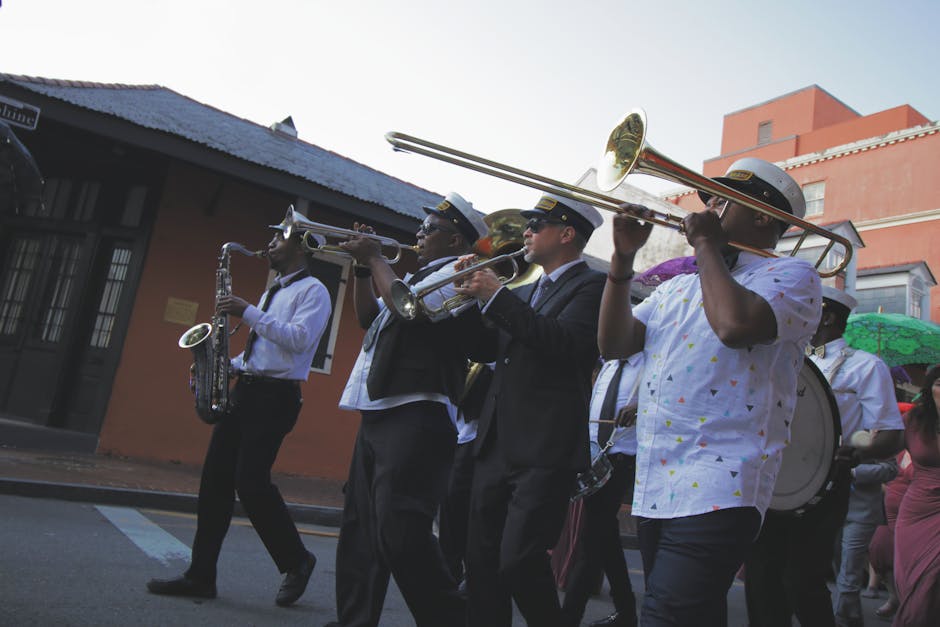
Discover the soul of New Orleans on this self-guided walk through the iconic jazz clubs and vibrant art markets of Frenchmen Street.
 Easy
EasyNew Orleans, United States
Explore the eerie history and supernatural legends of the French Quarter on this independent audio walk through New Orleans' most haunted corners.
 Easy
EasyNew Orleans, United States
Discover the birthplace of jazz on this self-guided walk through Treme, exploring Congo Square, historic churches, and vibrant local museums.
 Easy
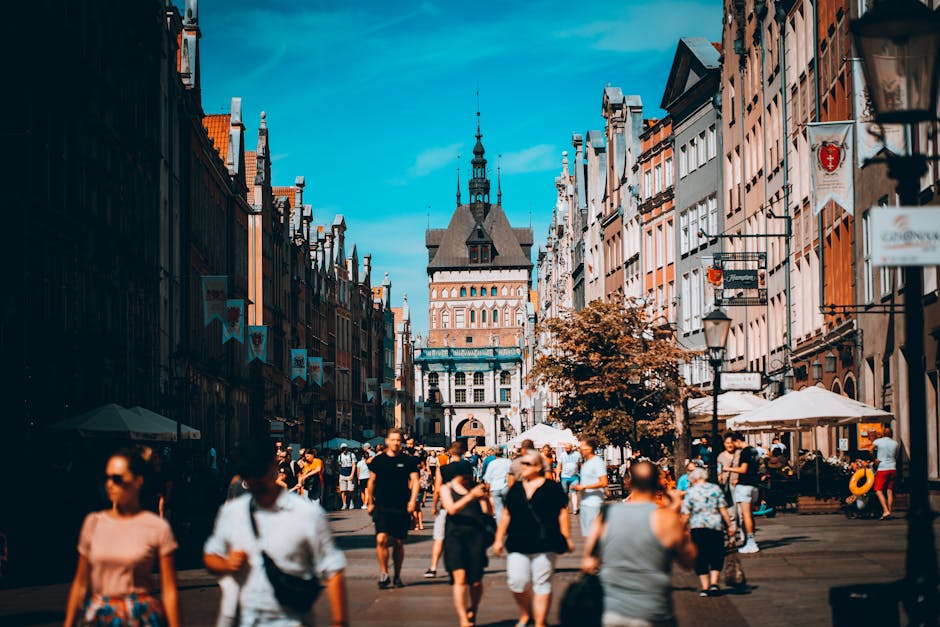
EasyGdansk, Poland
Taste the history of the Baltic. Explore Gdansk's culinary heritage from medieval markets to gold-flecked liqueurs on this self-guided walk.
 Easy
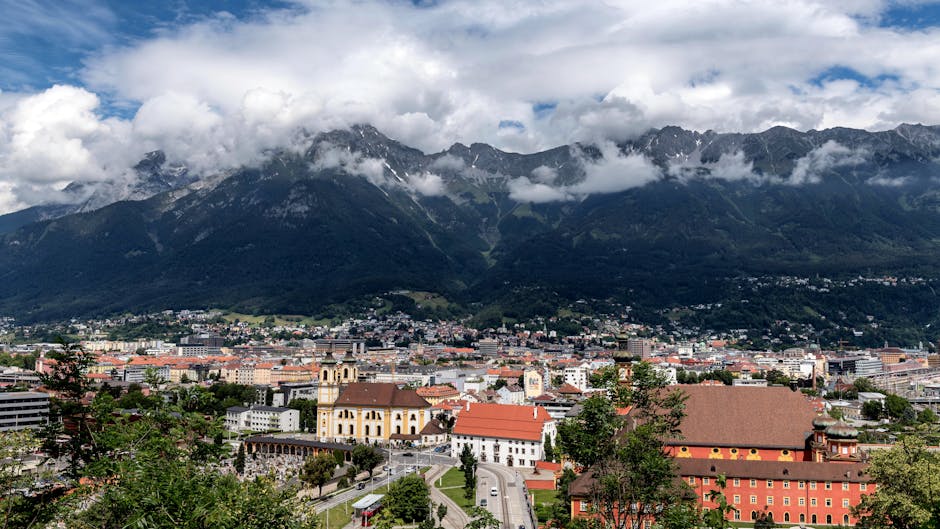
EasyInnsbruck, Austria
Discover the flavors of Tyrol on this self-guided stroll through Innsbruck’s historic Old Town and vibrant market hall.
 Easy
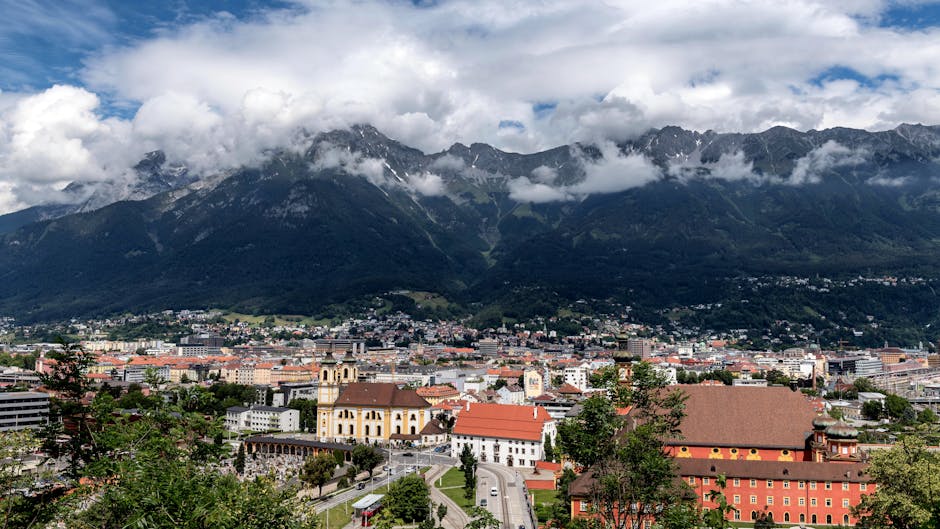
EasyInnsbruck, Austria
Uncover the myths and legends of Innsbruck on this self-guided walk through the historic Altstadt and beyond.
 Easy
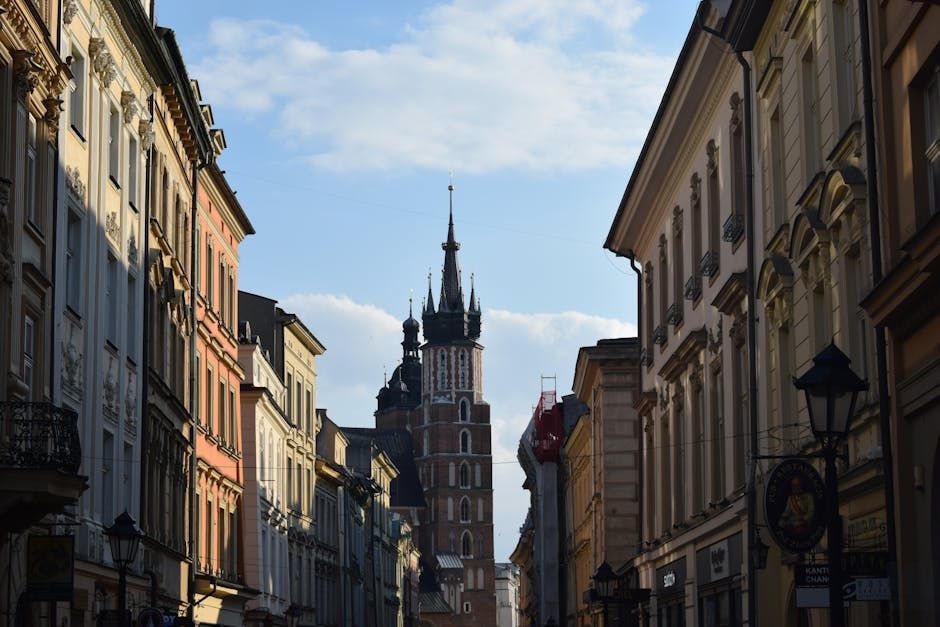
EasyKrakow, Poland
Savor the soul of Krakow on this self-guided walk through historic markets, bohemian cafes, and the city's best pierogi spots.
 Easy
EasyNew York City, United States
Explore the golden age of Manhattan architecture on this self-guided walk through Midtown's iconic Art Deco skyscrapers and historic landmarks.
 Easy
EasyNew York City, United States
Discover the literary legends, jazz haunts, and revolutionary history of Greenwich Village on this immersive self-guided walking route.
 Easy
EasyNew York City, United States
Explore Manhattan's transformation on this self-guided walk from the High Line to Hudson Yards.
 Easy
EasyNew York City, United States
Discover the world's finest cast-iron architecture and the evolution of fashion on this self-guided walking route through NYC's iconic SoHo district.
