Step into the vibrant sensory landscape of Chiang Mai with this self-guided walk through the city’s most iconic markets and culinary landmarks. The 'Silk and Spice Trail' begins at the legendary Kad Luang, the collective name for the Waroros and Ton Lam Yai markets. This area has been the commercial heartbeat of Northern Thailand for over a century, where the scents of steamed sticky rice and freshly ground spices mingle with the sight of colorful textiles and intricate silverwork. As you explore independently, you will see how the city’s trade history was shaped by its location on the Ping River, serving as a crossroads for Chinese merchants, Lanna locals, and hill tribe artisans. This walking route is designed for those who want to experience the authentic daily rhythms of Chiang Mai. You will navigate the labyrinthine aisles of Waroros, where locals source everything from fermented fish to hand-woven silk. The journey extends beyond the traditional stalls to include the fragrant 24-hour Florist Market and the spiritual San Chao Guan Yu temple, a testament to the Chinese-Thai community's influence. As you move through the city, the trail highlights the evolution of Chiang Mai’s markets, from the historic riverside hubs to the bustling Night Bazaar and the trendy, craft-focused atmosphere of Jing Jai Market. Food is a central pillar of this self-guided adventure. You will find recommendations for legendary street food spots, including the world-famous Khao Soi Lung Prakit and the 'Suki' lady of Changphuak. Whether you are looking for a traditional walking tour Chiang Mai experience or a deeper dive into the city's food scene, this route offers the flexibility to stop and sample local delicacies at your own pace. The trail also touches upon the famous 'Walking Streets' of Tha Phae and Wua Lai, providing a comprehensive overview of how Chiang Mai transforms from a daytime trade hub into a nighttime festival of crafts and flavors. Discover the hidden corners of the Chang Moi neighborhood and beyond, seeing a side of the city that a standard guided tour Chiang Mai might overlook. **Note:** This area is known for its ever-changing character. Street art, pop-up venues, and temporary exhibitions may differ from what's described. That's part of the adventure - you might discover something entirely new!
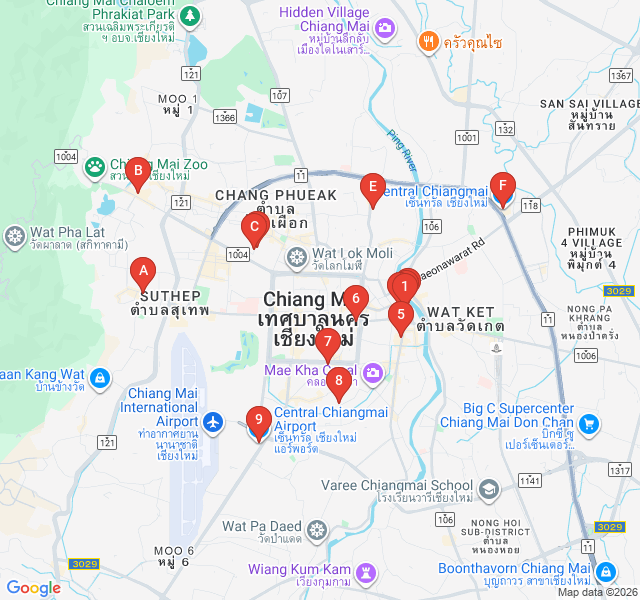
Numbers indicate the order of stops on the tour
Welcome to the 'Big Market,' known locally as Kad Luang. Established in the late 19th century by Princess Dara Rasmi, this is the oldest and most significant market in Chiang Mai. As you enter, look for the 'Sai Ua' (Northern Thai sausage) stalls—the aroma is unmistakable. The market is a three-story labyrinth where the ground floor is dedicated to food, the second to clothing and textiles, and the third to household goods. This is where history meets daily life; the building itself has survived fires and renovations, yet it remains the primary source for locals seeking authentic Lanna ingredients like 'Nam Phrik Num' (green chili dip).
Located right next to Waroros, Ton Lam Yai Market offers a slightly different atmosphere, focusing heavily on dried fruits, nuts, and preserved goods. The name refers to the Longan fruit, once a staple trade item here. This market sits closer to the Ping River, which was historically the main transport artery for goods arriving from Bangkok and beyond. Take a moment to observe the architecture; while modernized, the layout still reflects the dense, bustling trade environment that has defined this riverside district for generations.
As you step toward the riverbank, you will find the 24-hour Flower Market. This is one of the most photogenic spots in the city. Thousands of marigolds, orchids, and lotus flowers are delivered here daily, destined for temples and spirit houses across the province. The air is thick with the scent of jasmine and roses. You will see artisans skillfully folding lotus petals and stringing together 'Phuang Malai' (flower garlands). It is a place of constant motion, especially in the pre-dawn hours when the freshest blooms arrive.
Tucked away near the markets is the San Chao Guan Yu, a Chinese temple dedicated to the God of War and Loyalty. This site serves as a spiritual anchor for the Chinese-Thai community that has dominated trade in the Kad Luang area for over a century. The temple features intricate dragon carvings and vibrant red and gold decorations. It is a peaceful contrast to the chaotic energy of the nearby markets. Notice the incense smoke drifting through the air, symbolizing the prayers of local shopkeepers for a prosperous day of business.
Heading south, you reach the Night Bazaar. This area was once the terminus for Yunnanese mule caravans traveling the Silk Road between China and Myanmar. Today, it is a bustling evening hub for shopping and entertainment. While it has become more tourist-oriented over the years, it remains a significant part of the city's commercial identity. You will find everything from hand-painted umbrellas to modern electronics. The atmosphere changes frequently with pop-up stalls and seasonal events, so there is always something new to see in the glowing neon light.
If you are walking this route on a Sunday evening, you will find the Tha Phae Walking Street in full swing. Stretching from the historic Tha Phae Gate into the heart of the Old City, this is Chiang Mai's most famous market event. It is a showcase for local craftsmanship, featuring wood carvings, silver jewelry, and hill tribe textiles. Even on non-market days, the gate itself is a monumental landmark, once part of the defensive walls that protected the Lanna Kingdom. Note that the specific vendors change weekly, making every visit unique.
Wua Lai Road is the historic silver-working district of Chiang Mai. On Saturday nights, it transforms into a vibrant market known for high-quality metalwork. Even if it isn't Saturday, as you walk this street, you can still find traditional silversmith shops that have been in families for generations. The nearby 'Silver Temple' (Wat Sri Suphan) is a stunning example of the craftsmanship that defines this neighborhood. The market here is often considered slightly more 'local' and less crowded than the Sunday version, offering a great selection of handmade snacks.
It is time for a culinary pilgrimage. Khao Soi Lung Prakit, often referred to as 'Khao Soi Netflix' after being featured on 'Somebody Feed Phil,' is a legendary spot for Northern Thailand's signature curry noodle soup. The broth here is exceptionally rich and creamy, topped with perfectly crispy noodles. This is a humble, open-air eatery that prioritizes flavor over frills. Be prepared for a wait, as its fame has made it a favorite for both locals and travelers. It is the perfect place to taste the 'spice' part of our trail.
A short ride from the city center brings you to Central Chiangmai Airport. While it is a modern shopping mall, the 'Northern Village' section on the ground floor is a hidden gem for those seeking high-quality Lanna crafts in a climate-controlled environment. It is designed to resemble a traditional market, featuring local silk, ceramics, and woodcarvings from across Northern Thailand. It represents the modern evolution of the trade routes we have been following—bringing traditional artisans into a contemporary retail space.
Heading toward the university district, we find another street food titan. Suki Changphuak is famous for its 'Suki Haeng' (dry stir-fried glass noodles with napa cabbage and a secret spicy sauce). The 'Suki Lady' is known for her signature cowboy hat and her incredible speed at the wok. This stall captures the vibrant energy of Chiang Mai's night food scene. It’s a favorite among students and late-night diners. The menu is simple, but the wok-hei (breath of the wok) flavor is world-class. Note that they often have multiple locations, including one near the North Gate.
Located directly across from Chiang Mai University, Kad Na Mor is the 'Student Market.' It is a youthful, energetic space filled with affordable fashion, quirky gadgets, and an endless array of snacks. Unlike the historic Kad Luang, this market reflects modern Thai youth culture. You’ll find Korean-inspired street food alongside traditional Thai grilled meats. It is a great place to see how Chiang Mai continues to adapt its market traditions for the next generation. The energy here peaks in the evening when students finish their classes.
In the trendy Santitham neighborhood, Khao Soi Maesai is another contender for the city's best bowl of noodles. This spot is particularly famous for its Khao Soi Gai (chicken) and its 'Khanom Jeen Nam Ngiao' (spicy pork tomato noodle soup). It is a no-nonsense lunch spot that has earned a Michelin Bib Gourmand. The walls are decorated with accolades, but the atmosphere remains grounded and local. It’s a great example of a neighborhood institution that has gained international acclaim while staying true to its roots.
For a more sit-down, traditional Lanna dining experience, Huen Muan Jai is a must. Run by a chef who has appeared on Iron Chef Thailand, the restaurant is housed in a beautiful traditional wooden home. Here, you can try an 'Appetizer Platter' which includes various Northern Thai dips, sausages, and pork cracklings. The name translates to 'The House of Happy Hearts,' and the lush garden setting provides a peaceful retreat from the city's busy streets. It is an excellent place to understand the complexity and variety of Northern Thai cuisine.
Jing Jai (or JJ Market) is the city's premier weekend destination for organic produce and artisanal crafts. It has a 'rustic-chic' vibe, with stalls set under massive rain trees. This market focuses on sustainability and supporting local farmers. You will find hand-dyed indigo clothing, locally grown coffee, and unique handmade jewelry. The food court here is exceptional, offering clean, organic versions of traditional Lanna dishes. It is a quieter, more curated experience compared to the central markets, reflecting a growing local interest in wellness and craftsmanship.
We end our trail at Central Chiangmai (known locally as Central Fest). This is the largest shopping mall in the region and represents the pinnacle of modern retail in Northern Thailand. While a far cry from the open-air stalls of Waroros, it shows how far the 'Silk and Spice Trail' has come. From here, you are well-connected to the rest of the city. You can reflect on the journey from riverside trade stalls to high-end boutiques, all while enjoying the modern amenities of 21st-century Chiang Mai.
Download Zigway to experience "The Silk and Spice Trail of Kad Luang" with AI-powered audio narration. Walk at your own pace while stories unfold around you.
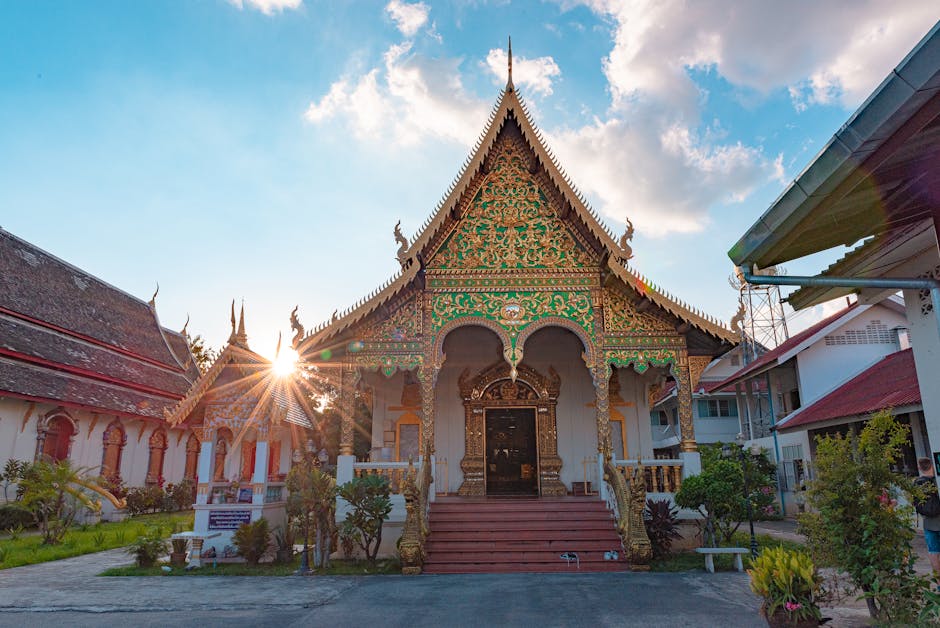 Easy
EasyChiang Mai, Thailand
Explore Chiang Mai's trendiest district at your own pace. Discover contemporary art galleries, local design shops, and iconic modern architecture.
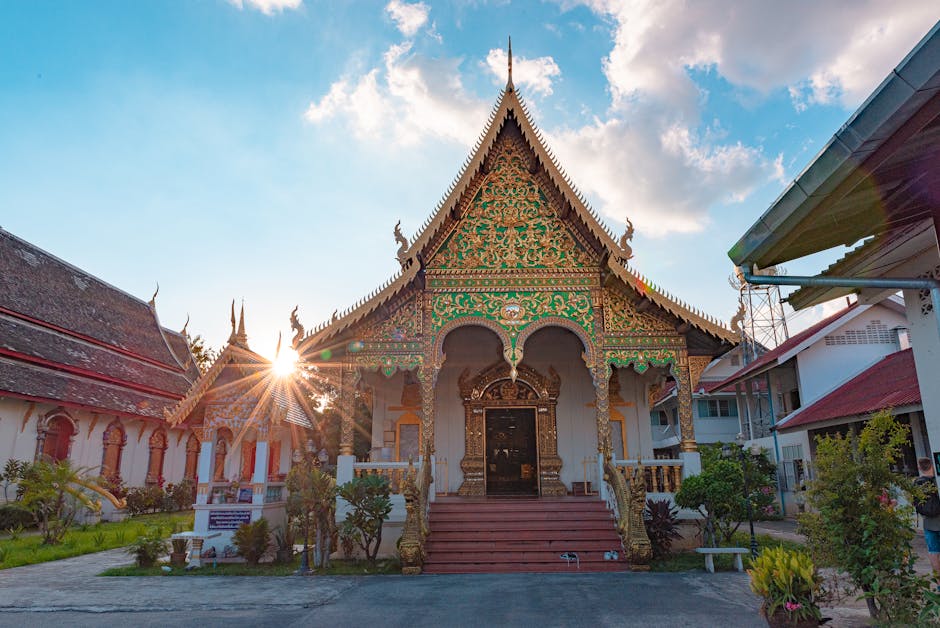 Moderate
Chiang Mai, Thailand
Explore Chiang Mai's creative soul, from Nimman’s boutique bookshops to the mystical tunnels of Wat Umong and the scenic Angkaew Reservoir.
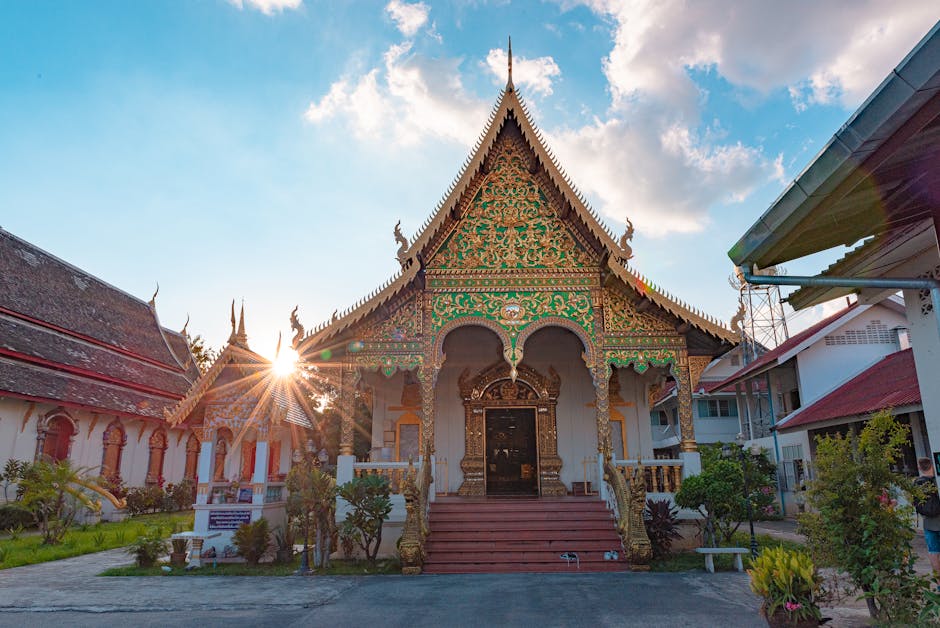 Easy
EasyChiang Mai, Thailand
Discover hidden temples, traditional brass-smith workshops, and local markets on this serene self-guided walk through Chiang Mai's southern district.
 Challenging
Chiang Mai, Thailand
A challenging self-guided hike from the city's historic railway station through lush parks to the hidden forest temple of Wat Pha Lat.
 Moderate
Nairobi, Kenya
Taste your way through Nairobi's Westlands on this self-guided walk featuring street snacks, cultural landmarks, and hidden foodie gems.
 Moderate
Nairobi, Kenya
Discover the pulse of Nairobi's contemporary art scene on this self-guided walk through the galleries and creative spaces of Kilimani.
 Easy
EasyInnsbruck, Austria
Discover the flavors of Tyrol on this self-guided stroll through Innsbruck’s historic Old Town and vibrant market hall.
 Easy
EasyGdansk, Poland
Taste the history of the Baltic. Explore Gdansk's culinary heritage from medieval markets to gold-flecked liqueurs on this self-guided walk.
 Easy
EasyBangkok, Thailand
Discover a labyrinth of industrial scrap yards, vibrant street art, and centuries-old mansions in Bangkok's most atmospheric neighborhood.
 Easy
EasyBangkok, Thailand
Discover Ari's blend of retro architecture, Michelin-rated street food, and vibrant cafe culture on this self-guided neighborhood stroll.
 Moderate
Bangkok, Thailand
Discover the golden spires and royal history of Bangkok's Old City on this self-guided audio walk through the majestic Rattanakosin Island.
 Easy
EasyBangkok, Thailand
Discover the European-inspired grandeur of Bangkok's Dusit district on this self-guided royal architectural walk.
