Stepping into Old Montreal is like crossing an ocean without ever leaving North America. This neighborhood stroll invites you to explore the atmospheric heart of the city, where 17th-century French foundations meet 19th-century Victorian grandeur. As you navigate the winding cobblestone lanes, you are retracing the steps of fur traders, religious pioneers, and British merchants who shaped the destiny of this riverside settlement. This self-guided walk offers a deep dive into the layers of history that define New France, from the very spot where the city was founded to the soaring Gothic arches of its most famous basilica. Unlike a standard walking tour Montreal offers, this route allows you to linger at your own pace, soaking in the architectural details of Saint-Paul Street or the vibrant energy of Place Jacques-Cartier without being tied to a group. You will discover how a tiny missionary outpost transformed into a bustling commercial hub and eventually into the cultural capital of Quebec. The journey highlights the dual identity of the city, where French and English influences collide in stone and glass. Whether you are admiring the silver dome of Bonsecours Market or the intricate woodcarvings within the Notre-Dame-de-Bon-Secours Chapel, this walking route provides a comprehensive overview of the city's evolution. Perfect for history enthusiasts and architecture lovers alike, this independent exploration ensures you experience the most iconic landmarks while discovering the hidden stories etched into the masonry of Montreal's oldest quarter. It is an essential walking tour Montreal visitors can use to unlock the secrets of the past while enjoying the vibrant, modern life of the Old Port.
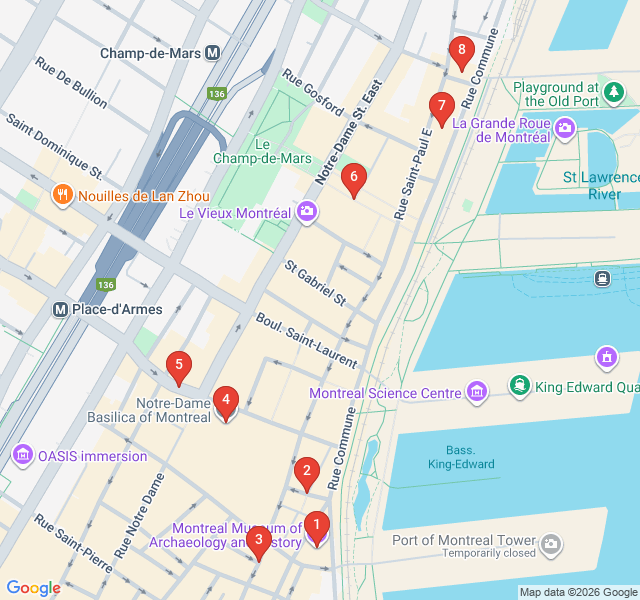
Numbers indicate the order of stops on the tour
Your journey begins at the exact birthplace of Montreal. It was here, on a small point of land where the St. Lawrence River meets a small tributary, that Paul de Chomedey de Maisonneuve and Jeanne Mance founded the colony of Ville-Marie in 1642. The museum standing here today, Pointe-à-Callière, is built directly over the archaeological remains of the original settlement. Beneath your feet lie layers of history including the first cemetery and the foundations of the city's early fortifications. This site was chosen for its strategic location for the fur trade, which would become the economic engine of New France. Take a moment to imagine the rugged landscape these early pioneers encountered as they stepped off their ships into the unknown wilderness.
Just steps from the birthplace of the city is Place Royale, one of the oldest public squares in Montreal. Long before the permanent settlement of 1642, Samuel de Champlain cleared this area in 1611, naming it Place Royale, though his attempt at a trading post was short-lived. By the late 17th century, this square became the heart of the town's social and commercial life. It served as a marketplace where farmers brought their goods and where public announcements were made. The surrounding stone buildings reflect the classic French colonial style, designed to be sturdy and fire-resistant. Notice the symmetry and the thick walls, a necessity for surviving the harsh Canadian winters and the frequent fires of the early colonial era.
As you turn onto Saint-Paul Street, you are walking on the oldest street in Montreal, laid out in 1672. For centuries, this was the city's primary commercial artery. In the 19th century, this area was the center of Canada's wholesale trade, filled with warehouses and offices of wealthy merchants. Today, the street is famous for its cobblestones and beautifully preserved Victorian architecture. Look up at the ornate cornices and large windows, designed to showcase goods to passersby. While the businesses have changed from fur and textiles to art galleries and boutiques, the street retains its historic character. It remains the most atmospheric walk in the city, capturing the transition from a French outpost to a British commercial powerhouse.
Standing before the Notre-Dame Basilica, you are looking at a masterpiece of Gothic Revival architecture. Completed in 1829, it was designed by James O'Donnell, an Irish-American Protestant architect who was so moved by the project that he converted to Catholicism on his deathbed. While the exterior is impressive with its twin towers, the interior is truly world-renowned. It is famous for its deep blue ceiling decorated with golden stars and its intricate woodcarvings. The sanctuary is a symphony of color and light, featuring hand-carved statues and a massive Casavant Frères pipe organ. This church was built to accommodate the rapidly growing population of the 19th century and remains a symbol of the deep-rooted Catholic heritage of Quebec.
Place d'Armes is a living museum of Montreal's architectural history, where three distinct eras meet. In the center stands a monument to Paul de Chomedey de Maisonneuve, the city's founder. Around the square, you can see the 17th-century Sulpician Old Seminary, the oldest building in the city. Opposite is the 19th-century Bank of Montreal headquarters, built in the neoclassical style to resemble a Roman temple, symbolizing the city's financial might. Finally, the Aldred Building represents the 20th century, an Art Deco skyscraper modeled after the Empire State Building. This single square perfectly encapsulates how Montreal has evolved from a religious mission into a modern financial and cultural metropolis over the span of nearly 400 years.
Place Jacques-Cartier is the vibrant heart of Old Montreal's public life. Sloping down toward the Old Port, this pedestrian-friendly square is named after the French explorer who claimed Canada for France in 1534. At the top of the square stands Nelson's Column, erected in 1809, making it the oldest public monument in Montreal. Historically, this square was a bustling marketplace where locals gathered to buy produce and hear the latest news. Today, it is a hub for street performers, artists, and outdoor cafes. The square is lined with historic buildings that once housed the city's elite, and it remains the primary gathering spot for festivals and celebrations, maintaining its role as the city's 'living room' for over two centuries.
The magnificent silver-domed building before you is the Bonsecours Market. Opened in 1847, this Neoclassical landmark served as the city's main public market for over a century. It was so grand that it briefly served as the Parliament of United Canada in 1849 and later as Montreal's City Hall. The dome was intended to be a landmark for ships arriving in the harbor, signaling the city's prosperity. After a period of decline, the market was restored and now houses boutiques showcasing Quebecois artisans and designers. Its massive stone facade and elegant proportions make it one of the most photographed buildings in Canada, standing as a testament to the mid-19th-century ambition that transformed Montreal into a world-class city.
Your walk concludes at the Notre-Dame-de-Bon-Secours Chapel, affectionately known as the 'Sailors' Church.' Founded in 1655 by Jeanne Mance and Marguerite Bourgeoys, Montreal's first teacher, this is one of the oldest churches in the city. Sailors arriving in the port would come here to give thanks for a safe voyage across the Atlantic. Look inside and you'll see small votive lamps shaped like ships hanging from the ceiling, left by mariners over the decades. The chapel also houses the remains of Marguerite Bourgeoys, who was canonized as a saint. From the tower, which you can choose to climb, there is a spectacular view of the St. Lawrence River, a fitting end to a journey through the maritime and religious history of Old Montreal.
Download Zigway to experience "Echoes of New France: Old Montreal History Walk" with AI-powered audio narration. Walk at your own pace while stories unfold around you.
 Easy
EasyMontreal, Canada
Discover Montreal’s Little Italy on this self-guided walk. Explore Jean-Talon Market, historic churches, and iconic pastry shops at your own pace.
 Moderate
Montreal, Canada
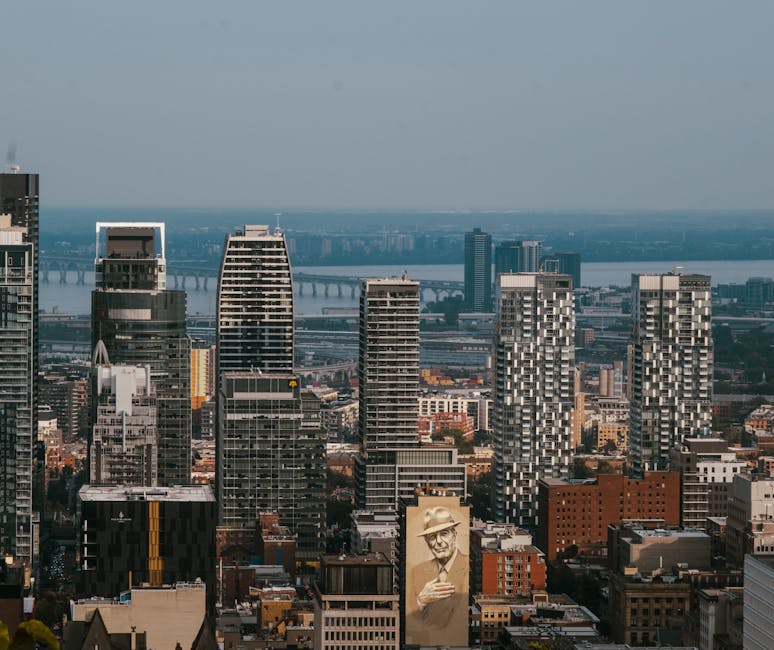
Explore the Gilded Age grandeur of Montreal's elite through this self-guided walk of historic mansions and architectural landmarks.
 Moderate
Montreal, Canada
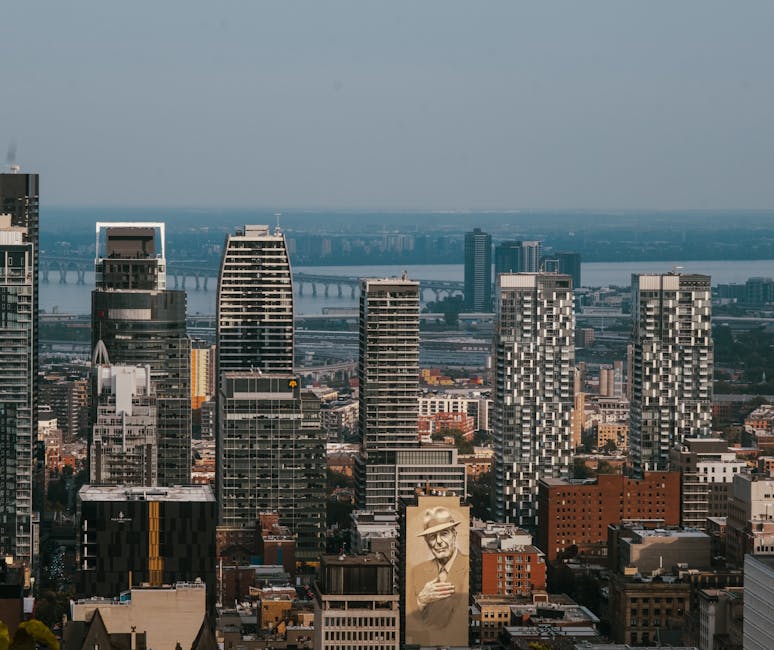
Explore Montreal's industrial heritage and modern charm on this self-guided audio walk through the historic streets of Saint-Henri.
 Easy
EasyMontreal, Canada
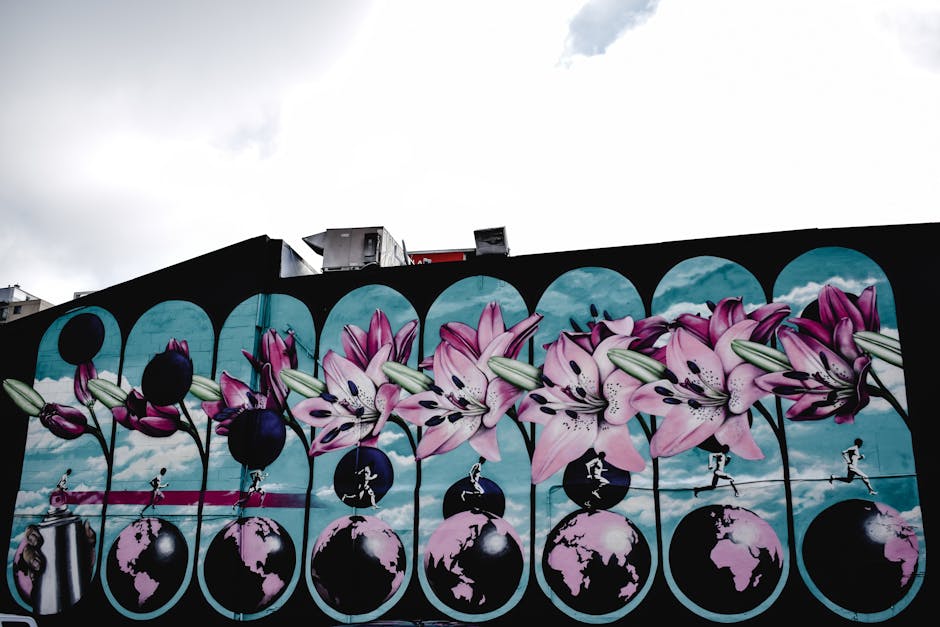
Discover vibrant murals, Victorian architecture, and secret green alleys on this artistic self-guided stroll through Montreal's bohemian Plateau.
 Easy
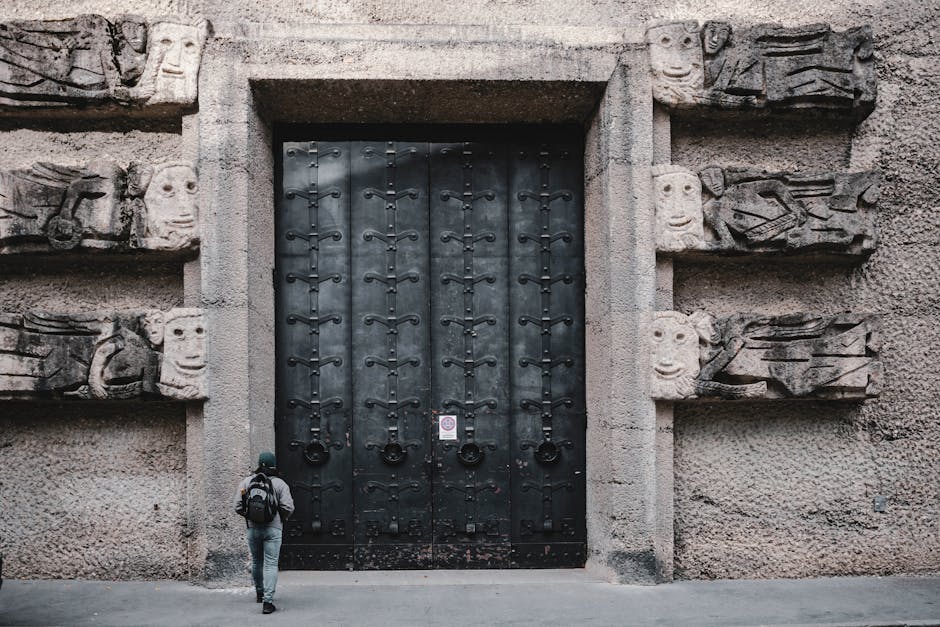
EasySalzburg, Austria
Discover the 'Rome of the North' on this self-guided walk through the Baroque squares and monumental legacy of Salzburg’s Prince-Archbishops.
 Easy
EasyNairobi, Kenya
Discover Nairobi's iconic skyline on this self-guided architecture walk through the CBD’s most famous modernist and Brutalist landmarks.
 Easy
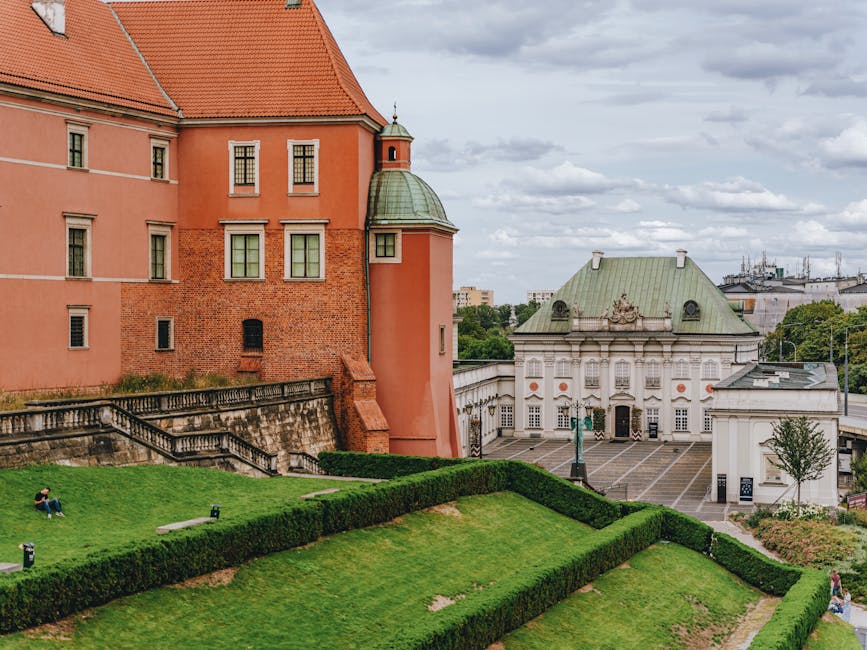
EasyWarsaw, Poland
Explore the miracle of Warsaw's reconstructed Old Town on this self-guided walk through royal squares, medieval walls, and heroic monuments.
 Easy
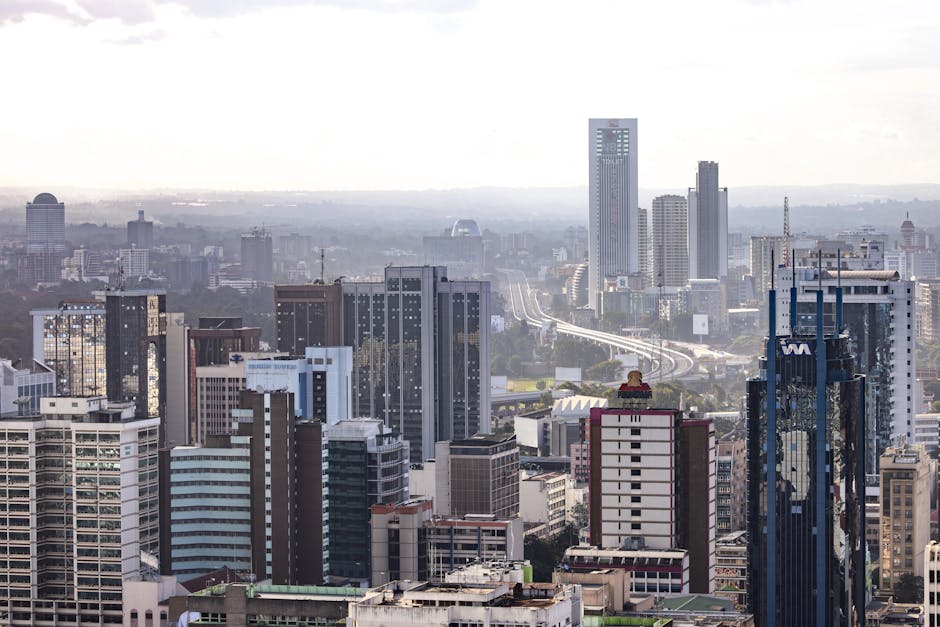
EasyNairobi, Kenya
Explore Nairobi's architectural evolution from colonial-era landmarks to iconic Brutalist skyscrapers on this historic self-guided walking route.
 Challenging
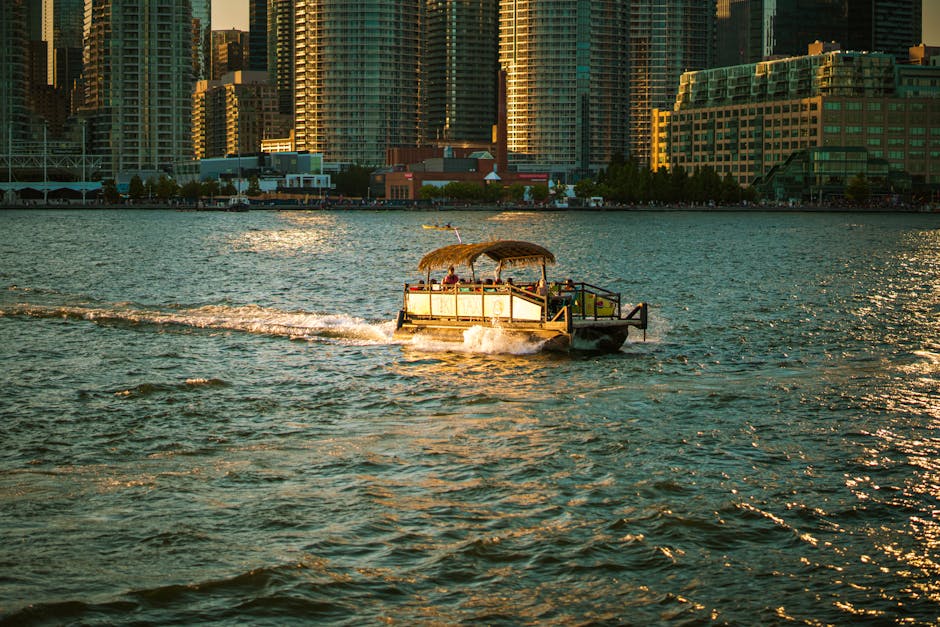
Toronto, Canada
Explore Toronto's crown jewel with this self-guided walk through High Park’s hidden gardens, historic lodges, and scenic waterfront trails.
 Easy
EasyToronto, Canada
Explore Toronto's iconic skyline on this self-guided walk through the Financial District's historic stone halls and golden glass towers.
 Easy
EasyToronto, Canada
Explore North America's largest collection of Victorian homes and peaceful green spaces on this self-guided stroll through Toronto's Cabbagetown.
 Easy
EasyToronto, Canada
Explore Yorkville’s transformation from 1960s hippie haven to Toronto’s premier luxury district on this self-guided audio walk.
