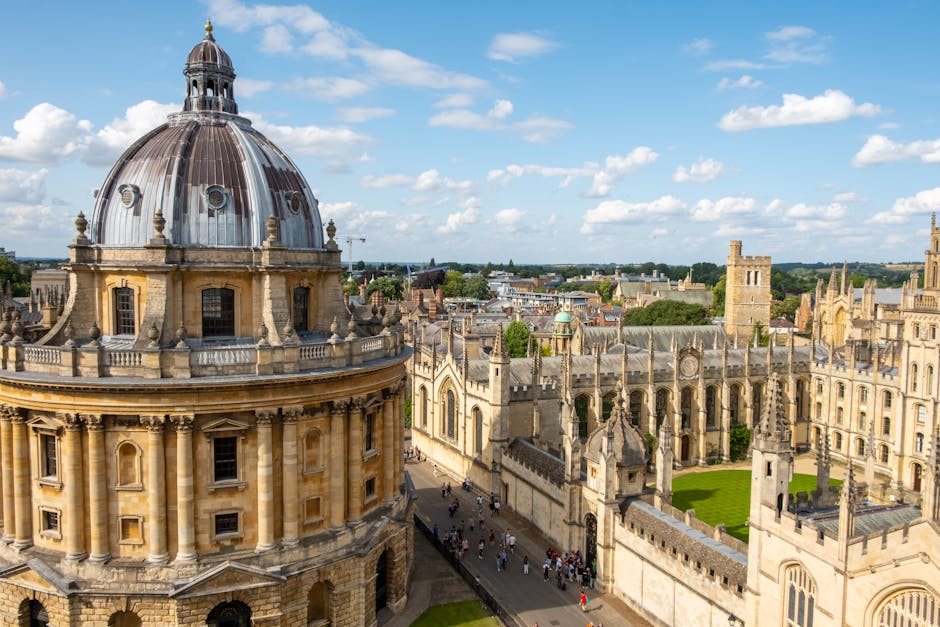
Oxford's skyline is a dense thicket of stone pinnacles and domes, famously described by the poet Matthew Arnold as the 'city of dreaming spires.' This self-guided walk leads you through the geographic and spiritual heart of the University, a compact area known as the Golden Triangle. Here, the concentration of world-class architecture is so high that every turn of the head reveals a new masterpiece of English Baroque, Gothic Revival, or Neoclassical design. By following this walking route, you can explore the evolution of academic life from the medieval period to the 20th century, all while standing on some of the most photographed cobblestones in the world. Your journey begins at the iconic Bridge of Sighs, where you can admire how 1900s engineering seamlessly blended with the surrounding ancient colleges. From there, you will navigate the historic Quadrant of the Bodleian Library, one of the oldest and most prestigious research institutions in Europe. The route highlights the sheer diversity of Oxford's building styles, from the circular elegance of the Radcliffe Camera to the formidable towers of All Souls College. Unlike a standard guided tour Oxford visitors might find elsewhere, this audio walk allows you to linger under the gargoyles of the University Church or sit on the steps of the Sheldonian Theatre for as long as you like. The Golden Triangle is best experienced at a slow pace, allowing you to notice the subtle details: the weathered faces carved into the stone, the intricate ironwork of the college gates, and the way the honey-colored Cotswold limestone changes hue as the sun moves across the sky. Whether you are a fan of J.R.R. Tolkien, a photography enthusiast looking for the perfect shot of the Radcliffe Camera, or a history buff interested in the origins of the collegiate system, this neighborhood stroll offers a comprehensive look at the university's architectural legacy. This walking tour Oxford provides is a flexible way to see the city's most famous landmarks without a fixed schedule, ensuring you capture the magic of the spires at your own speed.
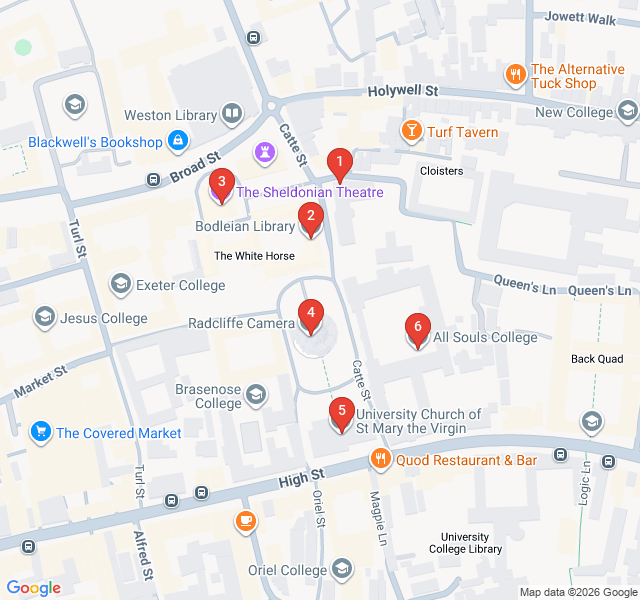
Numbers indicate the order of stops on the tour
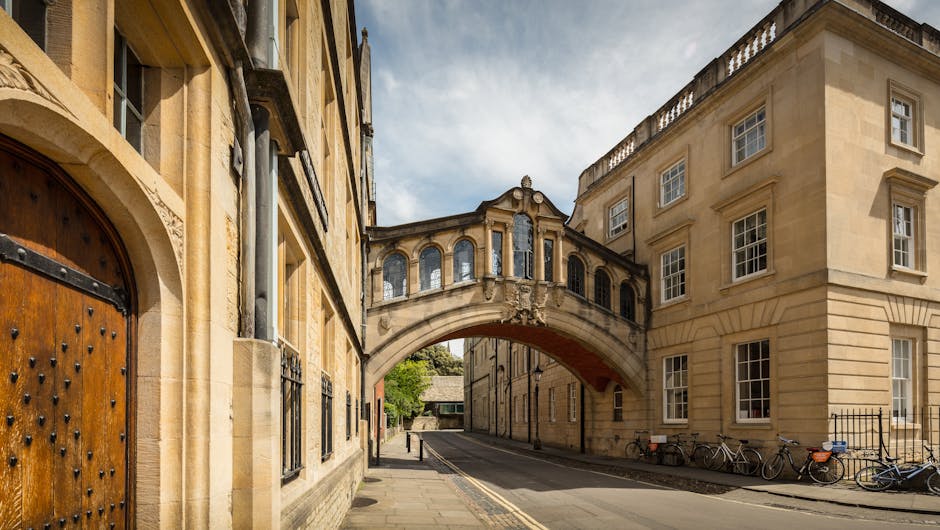
Known officially as the Hertford Bridge, this skyway is one of Oxford's most beloved landmarks. Completed in 1914, it connects the old and new quadrangles of Hertford College. Despite its name, it wasn't modeled after the Bridge of Sighs in Venice, but rather resembles the Rialto Bridge. Look up at the intricate stonework and the coat of arms; the bridge was designed by Sir Thomas Jackson, who was responsible for much of the city's late-Victorian aesthetic. It serves as a perfect introduction to the architectural harmony of the city, bridging the gap between centuries of academic tradition.
Step into the Schools Quadrangle, the heart of one of the world's oldest libraries. Established in 1602, the Bodleian is a legal deposit library, meaning it receives a copy of every book published in the UK. Above the various doors, you will see Latin inscriptions indicating which subjects were taught in each room centuries ago—from Logic to Metaphysics. The centerpiece is the Tower of the Five Orders, featuring columns representing the five styles of classical architecture: Tuscan, Doric, Ionic, Corinthian, and Composite. It is a literal textbook of stone architecture for the students who have passed through these gates for 400 years.
This D-shaped building was the first major design by Sir Christopher Wren, the architect of St. Paul's Cathedral in London. Built between 1664 and 1669, it was intended to host university ceremonies, such as graduations, to keep them out of the University Church. The design was inspired by the Theatre of Marcellus in Rome, but since Oxford's weather is less reliable than Italy's, Wren added a grand timber roof that was a marvel of engineering at the time. Notice the 'Emperor Heads' on the railings outside—these stone busts have watched over Broad Street for generations, though the ones you see today are 1970s replacements of the original weathered carvings.
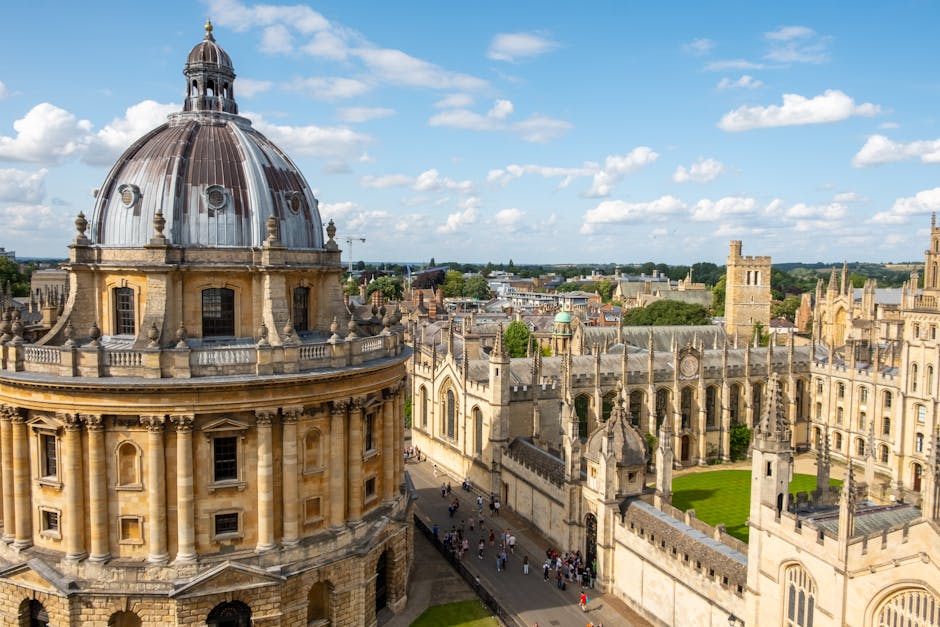
The Radcliffe Camera is perhaps the most iconic building in Oxford. Built in the mid-18th century with a bequest from Dr. John Radcliffe, it was the first circular library in England. The word 'Camera' simply means 'room' in Latin. Designed by James Gibbs in the English Palladian style, it is a masterpiece of symmetry and proportion. While the interior is a private reading room for students, the exterior offers some of the best photography opportunities in the city. The dome is clad in lead and sits atop a drum of local stone, creating a silhouette that has defined the Oxford skyline for nearly 300 years.
This church is the spiritual center from which the University of Oxford grew. Before the colleges had their own halls, this was where the university held its meetings and lectures. The architecture here is a mix of styles, but the 13th-century spire is a true highlight of the 'dreaming spires' landscape. If you feel energetic, the climb up the narrow spiral staircase of the tower rewards you with the most famous view in Oxford, looking directly down onto the Radcliffe Camera and the surrounding college quads. It is a place where town and gown have met for over 800 years.
Our final stop is All Souls, perhaps the most enigmatic of all Oxford colleges. Founded in 1438, it is unique because it has no undergraduate students; it is purely a research institution for fellows. The architecture is dominated by the twin Great Quad towers designed by Nicholas Hawksmoor in the 18th century. These towers are a rare example of 'Gothick' architecture—a playful, decorative version of medieval Gothic styles. The college serves as a monument to the endurance of academic excellence and provides a grand, somber conclusion to our walk through the Golden Triangle.
Download Zigway to experience "Golden Triangle Architecture & Spires" with AI-powered audio narration. Walk at your own pace while stories unfold around you.
 Easy
EasyOxford, United Kingdom
Explore Oxford’s historic food scene on this self-guided walk through the 1774 Covered Market, ancient pubs, and England’s first coffee house site.
 Moderate
Oxford, United Kingdom
Discover the rebellious Headington Shark and the ancient sunken paths of Old Headington on this quirky self-guided neighborhood stroll through Oxford.
 Moderate
Oxford, United Kingdom
Uncover the mysteries of Oxford on this self-guided walk through the iconic filming locations of Inspector Morse, Lewis, and Endeavour.
 Easy
EasyOxford, United Kingdom
Discover the Oxford haunts of J.R.R. Tolkien and C.S. Lewis on this self-guided walking route through literary history.
 Easy
EasyNairobi, Kenya
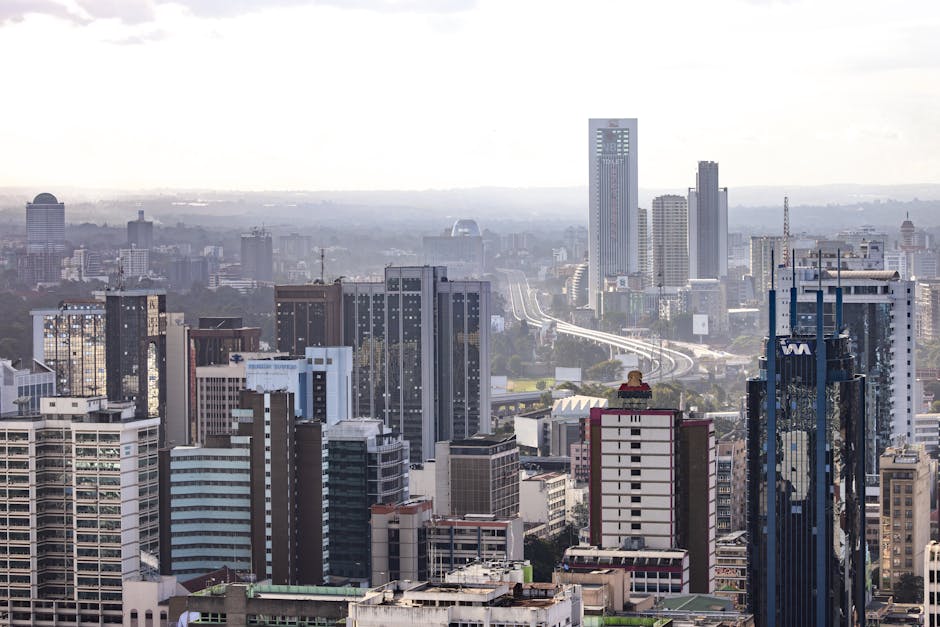
Discover Nairobi's iconic skyline on this self-guided architecture walk through the CBD’s most famous modernist and Brutalist landmarks.
 Easy
EasyNairobi, Kenya
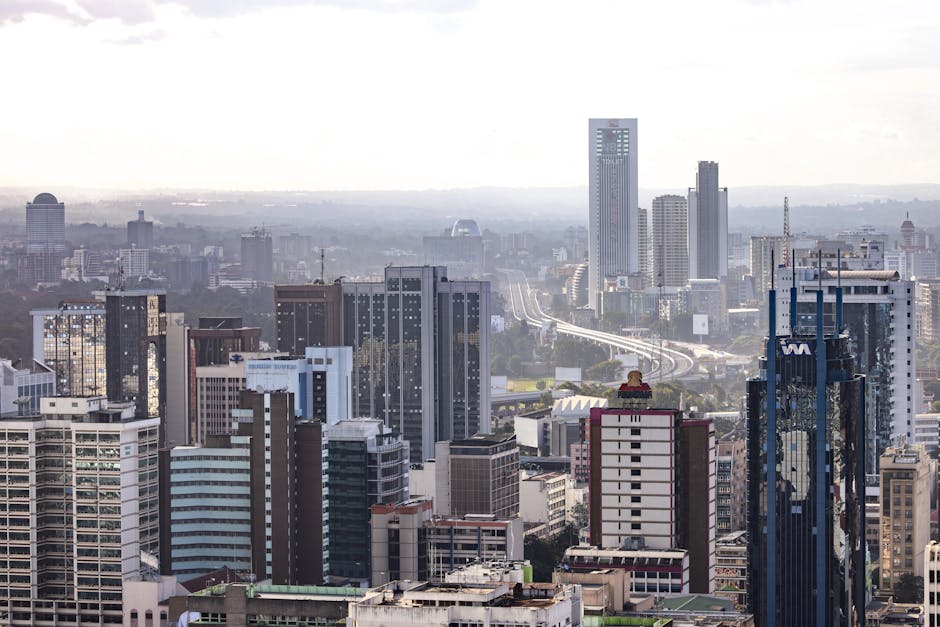
Explore Nairobi's architectural evolution from colonial-era landmarks to iconic Brutalist skyscrapers on this historic self-guided walking route.
 Easy
EasyKrakow, Poland
Explore the prestigious Jagiellonian University district, featuring Neo-Gothic architecture, Baroque churches, and Krakow's hidden scholarly gems.
 Easy
EasyKrakow, Poland
Explore the historic heart of Kazimierz on this self-guided walk through synagogues, ancient cemeteries, and vibrant squares.
 Easy
EasyEdinburgh, United Kingdom
Explore Edinburgh's historic Royal Mile at your own pace, from the heights of the Castle to the royal Palace of Holyroodhouse.
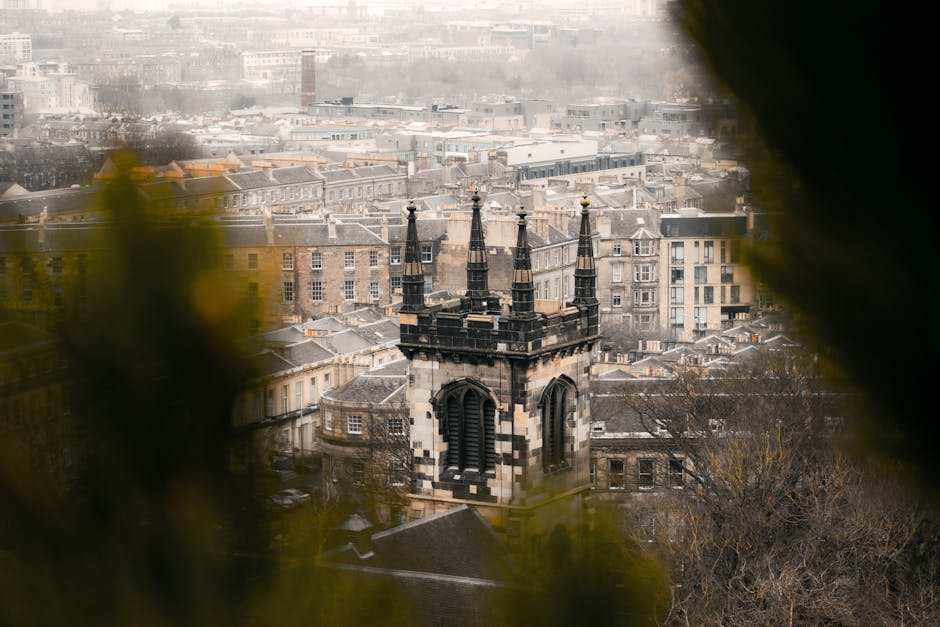 Easy
EasyEdinburgh, United Kingdom
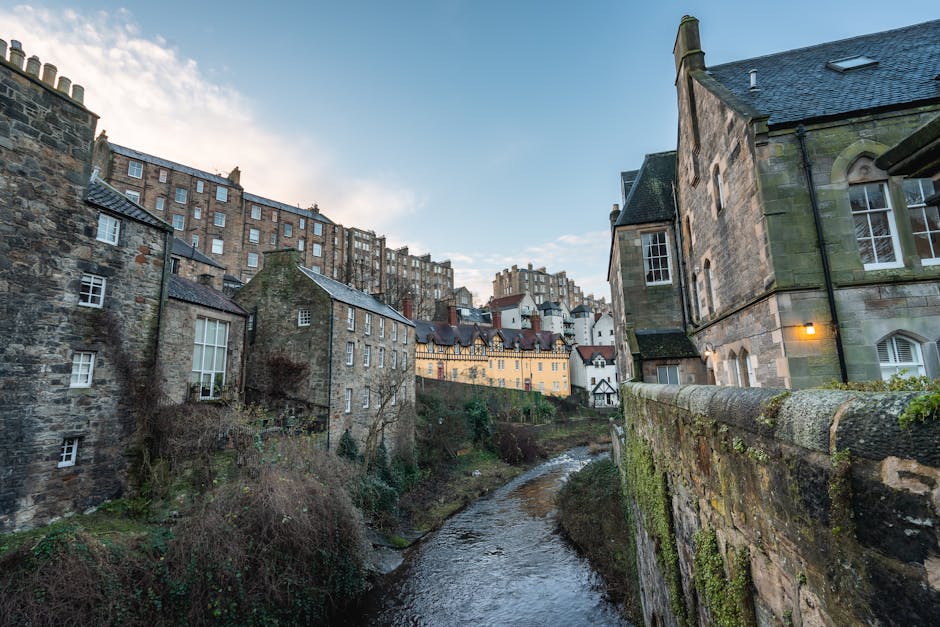
Capture the magic of Edinburgh on this self-guided stroll through the fairy-tale Dean Village, floral Circus Lane, and the scenic Water of Leith.
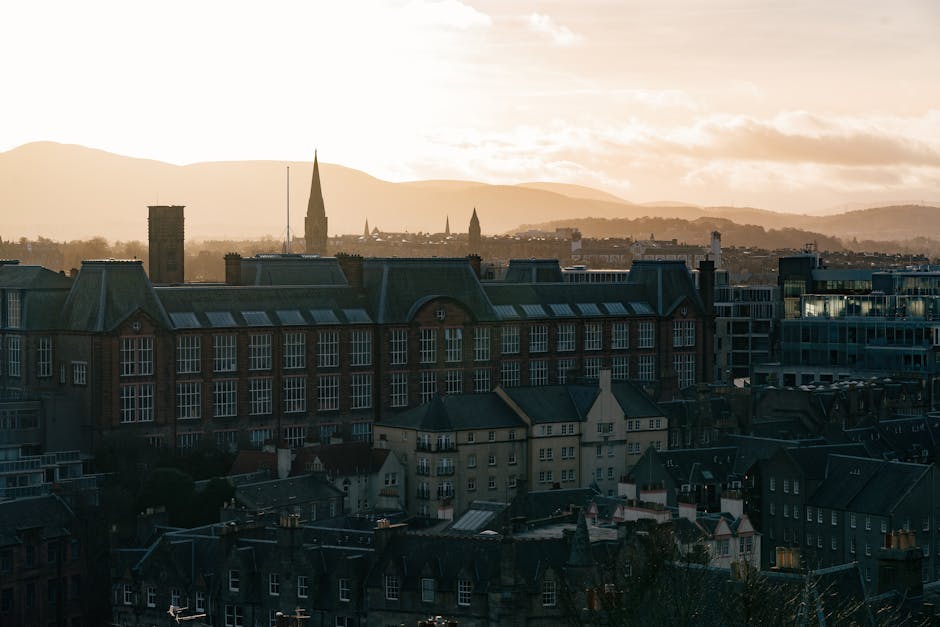 Easy
EasyEdinburgh, United Kingdom
Explore Edinburgh's creative soul on this self-guided walk from historic museums to the stylish galleries and boutiques of the West End.
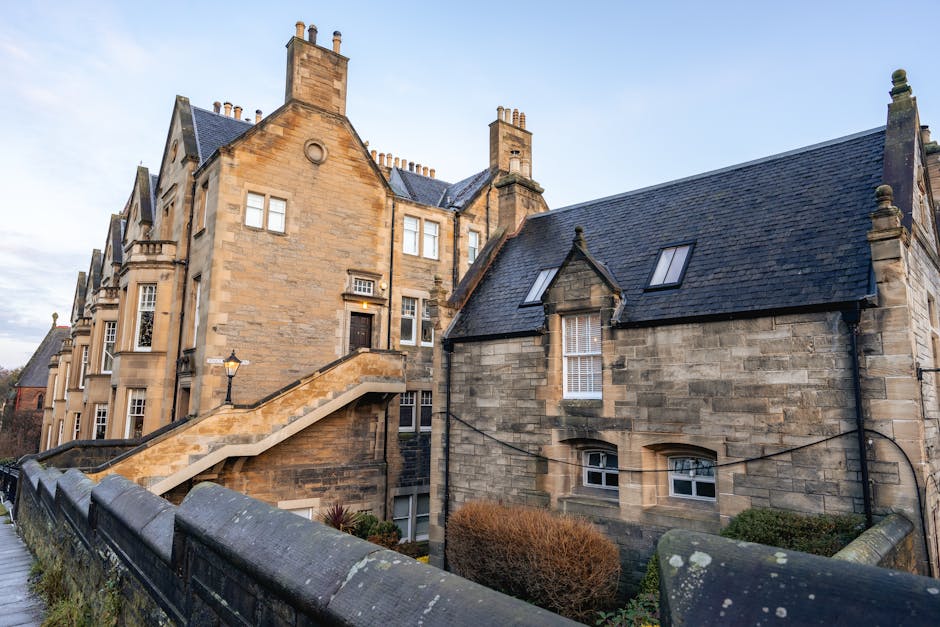 Challenging
Edinburgh, United Kingdom
Ascend an ancient volcano and discover royal history on this challenging self-guided walk through Edinburgh's iconic Holyrood Park.
