Krakow’s Royal Road is more than just a path; it is a journey through the soul of Polish history. This self-guided walk follows the ceremonial route used by kings during coronations and royal funerals, stretching from the northern gates of the Old Town to the heights of Wawel Hill. As you explore independently, you will witness the evolution of architectural styles from Gothic to Renaissance and Baroque, all perfectly preserved within a UNESCO World Heritage site. The route begins in the vast Rynek Główny, one of the largest medieval town squares in Europe, where the echoes of trade and political intrigue still linger. This walking tour Krakow offers is a deep dive into the stories of Polish monarchs and the resilience of a city that has survived centuries of transformation. Along the way, you will encounter iconic landmarks like the Cloth Hall and the towering St. Mary’s Basilica. This neighborhood stroll allows you to discover the 'Secrets of the Royal Road' at your own pace, pausing whenever you wish to soak in the atmosphere of a cafe or admire the intricate stonework of a historic townhouse. Whether you are a first-time visitor or a history enthusiast, this audio walk provides the context needed to understand Krakow's significance. From the defensive might of the Barbican to the royal splendor of Wawel Castle, the route captures the essence of Poland’s former capital. It is an essential walking tour Krakow experience for anyone looking to connect with the city's past without the constraints of a group. Enjoy the freedom to linger under the arches of the Sukiennice or wait for the hourly trumpet call that rings out from the church tower—a sound that has defined Krakow for generations.
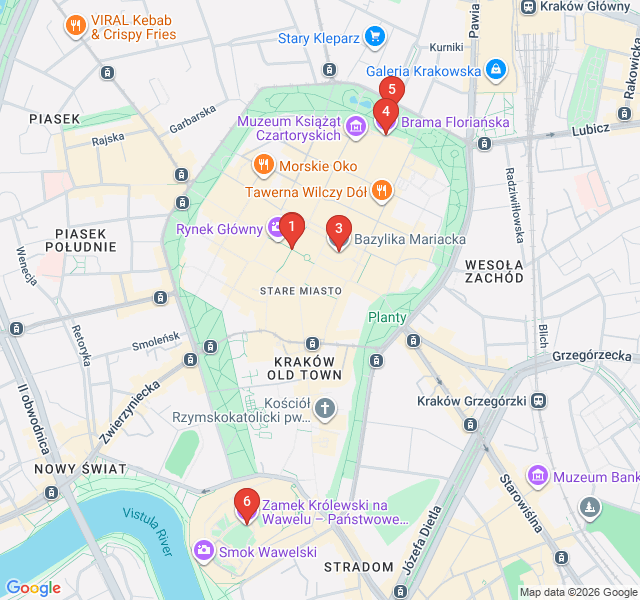
Numbers indicate the order of stops on the tour
Rynek Główny is the pulse of Krakow. Established in 1257 after the Mongol invasion, its 200-meter by 200-meter dimensions make it a masterpiece of medieval urban planning. While you stand here, notice how the square remains the social heart of the city. For centuries, this space hosted public executions, royal ceremonies, and bustling markets. The architecture surrounding you is a timeline of Krakow's wealth, with townhouses that once belonged to wealthy merchants and noble families. Every stone here has a story, from the hidden cellars of ancient taverns to the soaring towers of the nearby churches. As you explore independently, take a moment to appreciate the scale and the vibrant energy that has persisted for over 700 years.
The Sukiennice, or Cloth Hall, stands as a monument to Krakow’s historical role as a center of international trade. During the 15th century, this was the place to find exotic imports like silk, leather, and spices from the East, while Polish lead and salt were exported across Europe. The building you see today features a beautiful Renaissance attic decorated with carved masks, added after a fire in the 16th century. Inside, the ground floor still functions as a market, though today the stalls offer amber jewelry and traditional Polish crafts instead of raw textiles. This walking route highlights how the hall remains a living piece of history. Upstairs, the Sukiennice Museum houses a significant collection of 19th-century Polish painting.
St. Mary’s Basilica is an iconic symbol of Krakow, famous for its two unequal towers and the stunning Veit Stoss altarpiece inside. According to local legend, the towers were built by two brothers; one murdered the other out of jealousy, leading to the height difference. The taller tower is where the famous trumpet call, the Hejnał Mariacki, is played every hour. Listen closely: the tune breaks off abruptly to commemorate a trumpeter who was shot while warning the city of an incoming Mongol attack. The interior is a Gothic masterpiece, with blue vaulted ceilings covered in golden stars. This self-guided walk encourages you to look up and admire the intricate details that have made this church a site of wonder for centuries.
St. Florian’s Gate serves as the grand entrance to the Old Town and the starting point of the historical Royal Road for visiting monarchs. Built around 1300, it is the most significant of the remaining city gates. In the 19th century, most of Krakow’s defensive walls were demolished to create the Planty Park, but St. Florian’s was spared, along with a small fragment of the fortifications. Notice the stone bas-relief of St. Florian on the southern side and the eagle on the northern side. As you pass through the archway, you are following in the footsteps of kings, envoys, and heroes. This neighborhood stroll captures the transition from the external defenses to the prestigious residential streets that lead toward the heart of the city.
Just outside the city walls stands the Barbican, a formidable circular fortress that once protected St. Florian’s Gate. Built in the late 15th century due to the threat of Ottoman invasion, it is a rare example of medieval military engineering. With its seven turrets and 130 loopholes, it was virtually impregnable in its time. The Barbican was once connected to the city gates by a covered passageway known as a 'neck,' which was surrounded by a deep moat. Today, it stands as one of only a few such structures preserved in Europe. This stop on your self-guided adventure offers a glimpse into the defensive strategies of medieval Krakow. The brickwork and the sheer thickness of the walls are a testament to the city’s historical need for security.
Wawel Royal Castle sits atop a limestone hill, serving as the ultimate destination of the Royal Road. For centuries, this was the residence of Polish kings and the site of their coronations. The complex is a stunning mix of architectural styles, but the Renaissance courtyard is particularly famous for its elegant Italian-inspired arcades. Wawel is more than just a castle; it is a national sanctuary. Within its walls, you can find the Royal Private Apartments, the Crown Treasury, and the Cathedral where Poland’s greatest heroes are buried. The castle has witnessed the golden age of the Polish-Lithuanian Commonwealth and the dark periods of foreign partitions. Exploring this site independently allows you to reflect on the rise and fall of dynasties while enjoying views over the Vistula River.
Download Zigway to experience "Secrets of the Royal Road" with AI-powered audio narration. Walk at your own pace while stories unfold around you.
 Easy
EasyKrakow, Poland
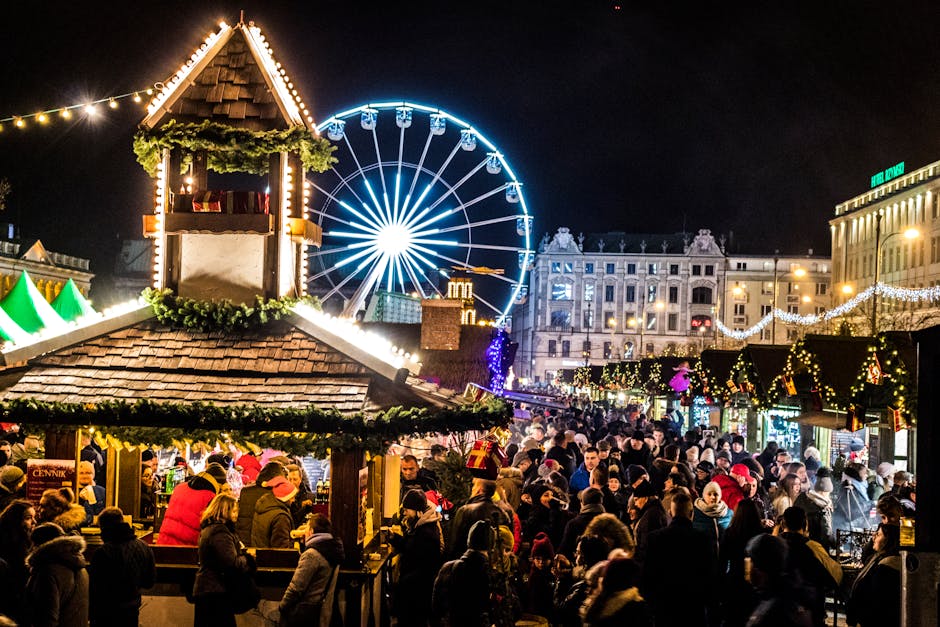
Explore the prestigious Jagiellonian University district, featuring Neo-Gothic architecture, Baroque churches, and Krakow's hidden scholarly gems.
 Easy
EasyKrakow, Poland
Explore Krakow's hidden nightlife with this self-guided walk through medieval cellars, jazz clubs, and bohemian bars in the Old Town and Kazimierz.
 Easy
EasyKrakow, Poland
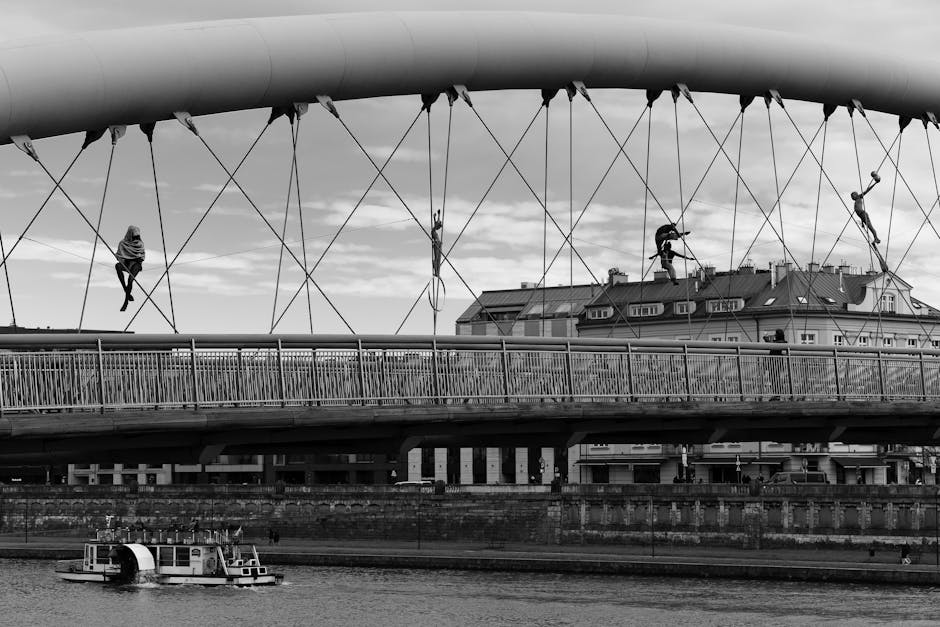
Discover Krakow’s creative soul in Zabłocie, exploring industrial heritage, contemporary art museums, and avant-garde architecture at your own pace.
 Easy
EasyKrakow, Poland
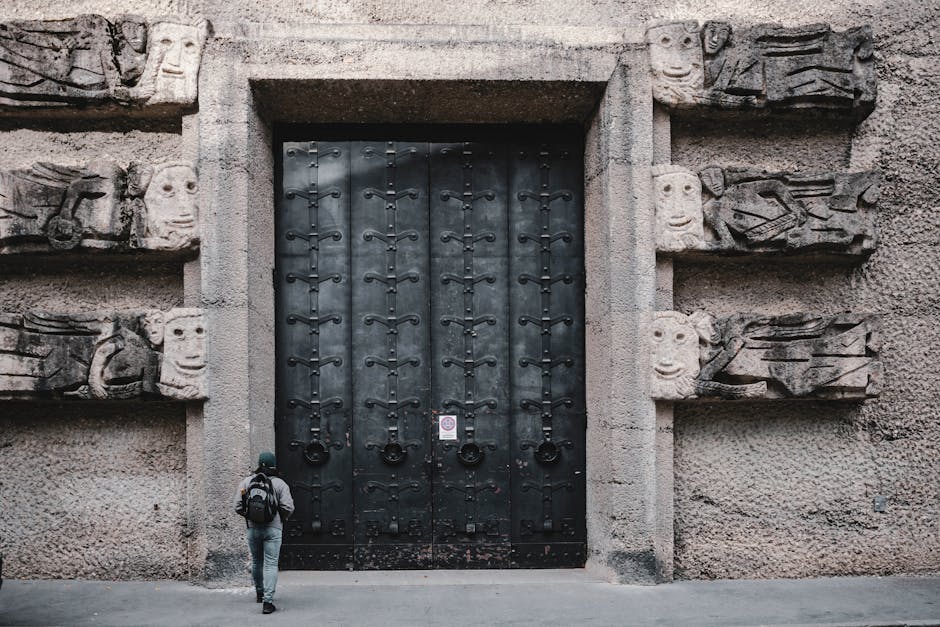
Explore the historic heart of Kazimierz on this self-guided walk through synagogues, ancient cemeteries, and vibrant squares.
 Easy
EasySalzburg, Austria
Discover the 'Rome of the North' on this self-guided walk through the Baroque squares and monumental legacy of Salzburg’s Prince-Archbishops.
 Easy
EasyGdansk, Poland
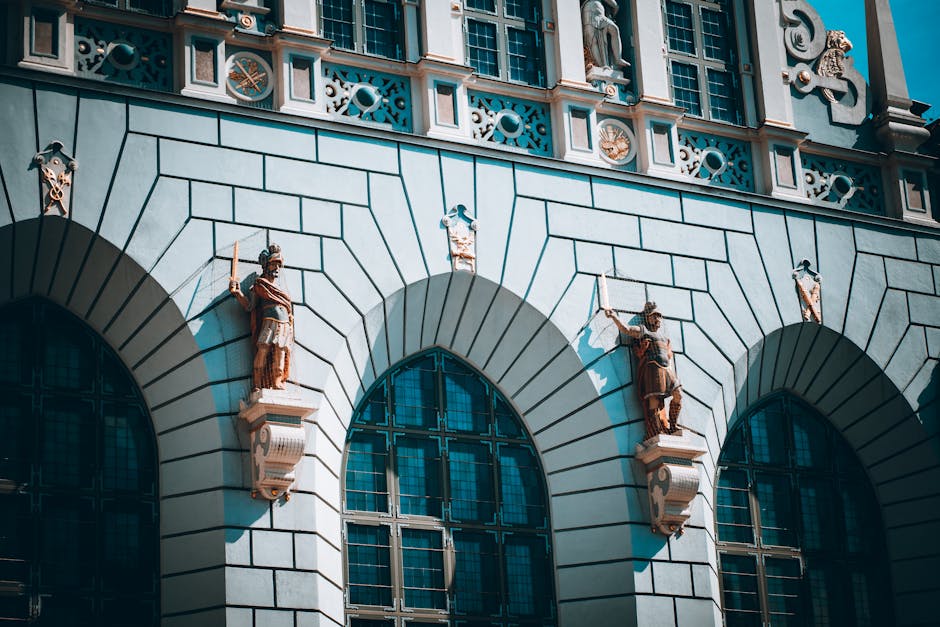
Discover the opulent Royal Way of Gdansk at your own pace. Explore Hanseatic history, gilded architecture, and the iconic Neptune's Fountain.
 Easy
EasyWarsaw, Poland
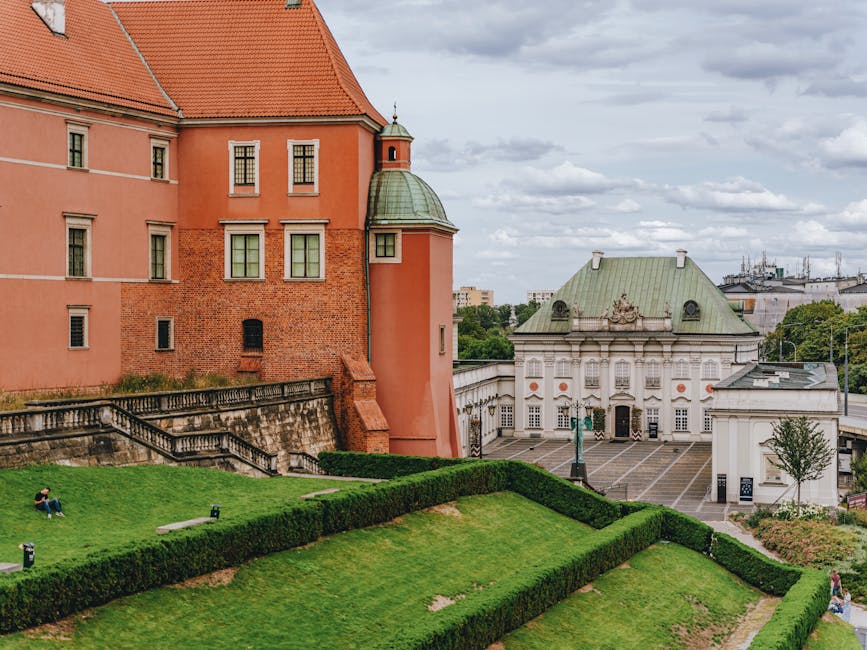
Explore the miracle of Warsaw's reconstructed Old Town on this self-guided walk through royal squares, medieval walls, and heroic monuments.
 Easy
EasyGothenburg, Sweden
Discover Gothenburg’s 17th-century Dutch foundations, historic canals, and military fortifications on this self-guided architectural walk.
 Easy
EasyWarsaw, Poland
Discover the hidden courtyards and grand pre-war architecture of Warsaw's most atmospheric neighborhood on this self-guided stroll.
 Easy
EasyWarsaw, Poland
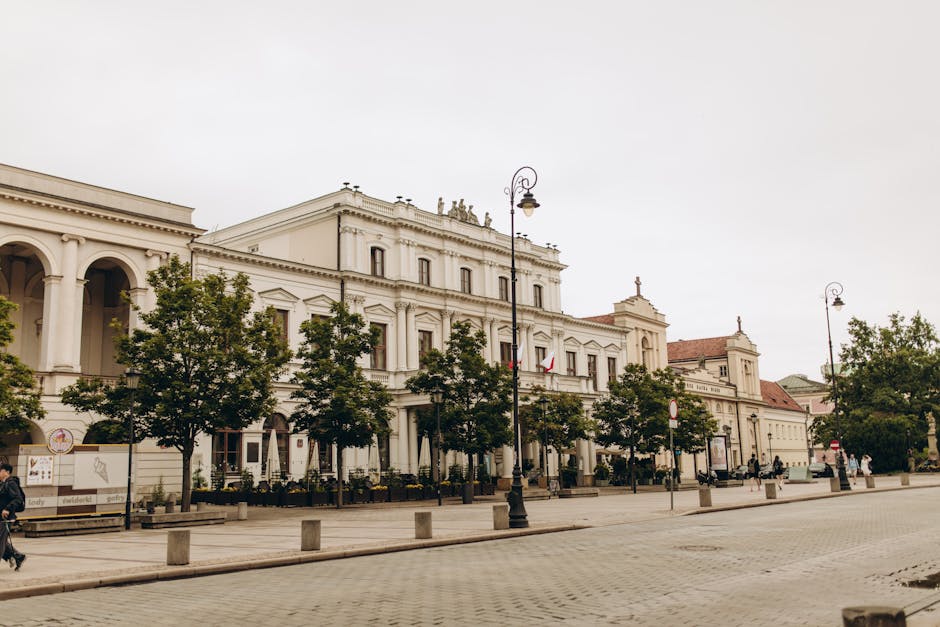
Explore the 'Polish Versailles' at your own pace. Discover Baroque architecture, royal history, and stunning gardens on this self-guided walk.
 Moderate
Warsaw, Poland
Explore the resilient spirit of Warsaw's Muranów district on this self-guided walk through the history and landmarks of the former Jewish Ghetto.
 Moderate
Warsaw, Poland
A powerful self-guided walk through Warsaw's WWII history, tracking the 1944 Uprising from ruined skyscrapers to solemn memorials.
