Krakow is a city where every brick tells a story, and the 'Murals and Makers' self-guided walk invites you to witness its creative soul. This neighborhood stroll bridges the gap between the regal heritage of the Old Town and the gritty, bohemian energy of Kazimierz and Podgórze. You will begin among the high-culture treasures of the Czartoryski Museum, home to Da Vinci’s 'Lady with an Ermine,' before descending through the medieval gates toward the historic Main Market Square. This route isn't just about the classics; it’s an exploration of how a city recovers and reinvents itself through artistic expression. As you move south, the architecture shifts from Gothic spires to the industrial character of the Jewish Quarter. Here, the walls serve as canvases. You’ll encounter massive murals that honor the neighborhood's complex Jewish identity, such as the iconic Yehuda mural, alongside contemporary pieces that celebrate the joy of the present day. This walking route Krakow offers a unique perspective on how the city’s 'makers'—from Renaissance masters to modern street artists—have shaped the local identity. Crossing the Vistula River, the journey continues into Podgórze, where art meets history in the shadow of Oskar Schindler's Factory. The route even extends to the city's outskirts for those who wish to see the massive 'land art' of the Kościuszko Mound or the industrial design of the Aviation Museum. Whether you are a fan of classical oil paintings or vibrant urban spray paint, this self-guided adventure allows you to explore Krakow’s visual landscape at your own pace. Discover hidden courtyards, vibrant street food hubs, and the silent stories told by the city's diverse facades. This is a comprehensive walking route Krakow designed for those who want to see the city as a living, breathing gallery. **Note:** This area is known for its ever-changing character. Street art, pop-up venues, and temporary exhibitions may differ from what's described. That's part of the adventure - you might discover something entirely new!
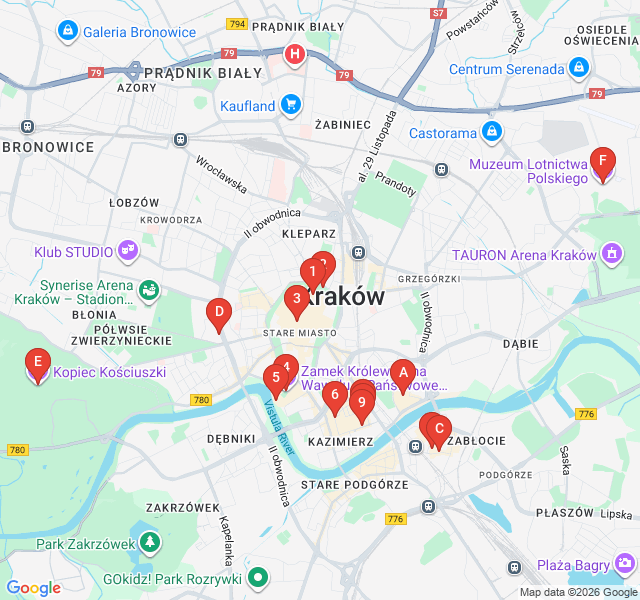
Numbers indicate the order of stops on the tour
Start your self-guided adventure at one of Poland's oldest museums. Founded in 1796 by Princess Izabela Czartoryska, this institution was created to preserve Polish heritage during a time when the country had vanished from the map. The crown jewel here is Leonardo da Vinci's 'Lady with an Ermine.' Unlike the Mona Lisa, this portrait captures a moment of startling intimacy and movement. Notice the detail in the ermine’s fur and the sitter's gaze. The museum's collection also includes works by Rembrandt and various royal curiosities, representing the 'High Art' foundation of Krakow’s creative history.
Standing before this circular fortress, you’re looking at a masterpiece of medieval military engineering. Built around 1498, the Barbican was once connected to St. Florian's Gate by a covered passageway. Its seven turrets and 130 loopholes weren't just for defense; they created a formidable silhouette that signaled the wealth and power of the city. Today, it serves as an outdoor gallery and performance space. The red brick and Gothic architecture provide a stark, beautiful contrast to the modern city life bustling around these ancient walls.
In the center of the Main Market Square sits the Cloth Hall, or Sukiennice. While the ground floor is a market, the upper floor houses the Gallery of 19th-Century Polish Art. This is the place to see massive, dramatic canvases by Jan Matejko, who painted the defining moments of Polish history. The art here reflects the 'Young Poland' movement, where artists used symbolism and folklore to keep the national spirit alive. Even if you don't go inside, admire the building's Renaissance arcades and the grotesque carved heads, known as mascarons, decorating the attic.
Wawel Hill is the heart of Polish identity. The State Art Collection here is famous for its Flemish tapestries, commissioned by King Sigismund II Augustus in the 16th century. These aren't just wall coverings; they are woven narratives of biblical scenes and exotic animals. The castle itself is an architectural patchwork of Romanesque, Gothic, and Renaissance styles. As you walk through the courtyard, look up at the tiered arcades—a testament to the Italian architects who brought the Renaissance to the North. This was the ultimate workshop for the 'makers' of the 1500s.
At the foot of Wawel Hill, you'll find the Smok Wawelski statue. This fire-breathing monument is a piece of public art that brings a local legend to life. Designed by Bronisław Chromy in 1969, its jagged, bronze form perfectly captures the mythical beast that supposedly lived in the cave behind it. Every few minutes, the dragon breathes actual fire—a hit with locals and travelers alike. It represents the intersection of folklore and sculpture, showing how city myths are preserved through artistic landmarks.
As you enter the Kazimierz district, the art becomes more contemporary and spontaneous. The 'I'm Happy Again' mural, created by Marcin Czaja, is a vibrant splash of color on an otherwise gray corner. Street art in Kazimierz often reflects the neighborhood's rebirth. After decades of neglect, the area has become a hub for designers and muralists. Note that street art is inherently temporary; while this piece is a local favorite, the walls of Kazimierz are a living gallery where new voices emerge frequently, reflecting the neighborhood's shifting moods.
Plac Bawół is a quieter corner of Kazimierz that feels like a film set. This area was once the edge of the Jewish city of Kazimierz. The architecture here is more modest than the Old Town, but it's rich in texture. Look for the small details—weathered wooden doors, old signage, and the way the light hits the cobblestones. It’s a favorite spot for photographers and artists looking to capture the 'old world' atmosphere of the district. This square serves as a bridge between the residential life of the past and the creative energy of the present.
The Old Synagogue is the oldest standing Jewish religious building in Poland, dating back to the 15th century. Its fortress-like Gothic-Renaissance design was a necessity for safety. Today, it houses a museum of Jewish history and culture. The interior's reconstructed bimah—the wrought-iron podium in the center—is an artistic masterpiece in its own right. The museum showcases ceremonial art, textiles, and artifacts that tell the story of the community that once made Kazimierz one of the most vibrant Jewish centers in Europe.
Located on the corner of św. Wawrzyńca and Wąska, the Yehuda mural is one of Krakow’s most photographed pieces of street art. Created by Israeli artist Pil Peled, it depicts a child with a lion's head, symbolizing the strength and vulnerability of the Jewish people. The monochrome palette and bold lines are a hallmark of Peled’s style. It stands in a bustling area known for food trucks and nightlife, illustrating how modern art in Krakow lives alongside daily commerce and social gatherings.
While it is primarily a shopping mall, Galeria Kazimierz is an interesting example of adaptive reuse in architecture. The complex incorporates historic 19th-century slaughterhouse buildings into its modern design. The red brickwork and large windows pay homage to the area’s industrial heritage. It’s a place where you can see how the 'makers' of today balance commercial needs with historical preservation. The outdoor plaza often hosts seasonal art installations or markets, making it a modern community hub.
Crossing the river into Podgórze, you arrive at Hala Lipowa. This is 'culinary art' in action. Housed in an industrial warehouse, it’s a collective space for street food chefs and local brewers. The design is minimalist and raw, reflecting the neighborhood's working-class roots. It’s a perfect example of how Krakow’s younger generation of makers has transformed former industrial sites into social landmarks. Grab a local craft beer and soak in the atmosphere of a neighborhood that is rapidly becoming the city's coolest creative enclave.
This is not just a museum; it is a profound piece of narrative art. The permanent exhibition, 'Kraków under Nazi Occupation 1939–1945,' uses immersive scenography to tell a story. You don't just look at artifacts; you walk through recreated streets, train stations, and Schindler's office. The design of the museum itself is meant to evoke the claustrophobia and chaos of the era. It shows how modern curation can turn a factory into a powerful medium for historical memory and artistic storytelling.
Located a short tram ride or long walk from the center, the main building of the National Museum is a monumental example of Polish Modernism. Inside, the 'Gallery of 20th and 21st Century Polish Art' is essential for understanding the country's modern creative identity. From the avant-garde movements of the 1920s to contemporary installations, the museum documents the evolution of Polish thought. Don’t miss the decorative arts section, which showcases the 'makers' of Polish design, from intricate lace to mid-century furniture.
For a different kind of art, visit the Kościuszko Mound. This is 'land art' on a massive scale. Completed in 1823, the mound was built by citizens who manually brought soil from all over Poland to honor the national hero Tadeusz Kościuszko. The geometric perfection of the mound and the surrounding 19th-century brick fortifications create a striking visual landscape. From the top, you get a panoramic view of Krakow, allowing you to see the city as a single, vast piece of art framed by the Vistula River.
The final stop is the Polish Aviation Museum, located on a historic airfield. The main building, shaped like a spinning propeller when viewed from above, is a masterpiece of contemporary architecture. The collection of aircraft represents the art of engineering and industrial design. Seeing these vintage planes parked on the old runways feels like an outdoor sculpture gallery. It’s a fitting end to a route that celebrates all forms of making—from the stroke of a paintbrush to the riveting of a wing.
Download Zigway to experience "Murals and Makers: Kazimierz Art" with AI-powered audio narration. Walk at your own pace while stories unfold around you.
 Easy
EasyKrakow, Poland
Explore the prestigious Jagiellonian University district, featuring Neo-Gothic architecture, Baroque churches, and Krakow's hidden scholarly gems.
 Easy
EasyKrakow, Poland
Explore Krakow's hidden nightlife with this self-guided walk through medieval cellars, jazz clubs, and bohemian bars in the Old Town and Kazimierz.
 Easy
EasyKrakow, Poland
Discover Krakow’s creative soul in Zabłocie, exploring industrial heritage, contemporary art museums, and avant-garde architecture at your own pace.
 Easy
EasyKrakow, Poland
Explore the historic heart of Kazimierz on this self-guided walk through synagogues, ancient cemeteries, and vibrant squares.
 Moderate
Gdansk, Poland
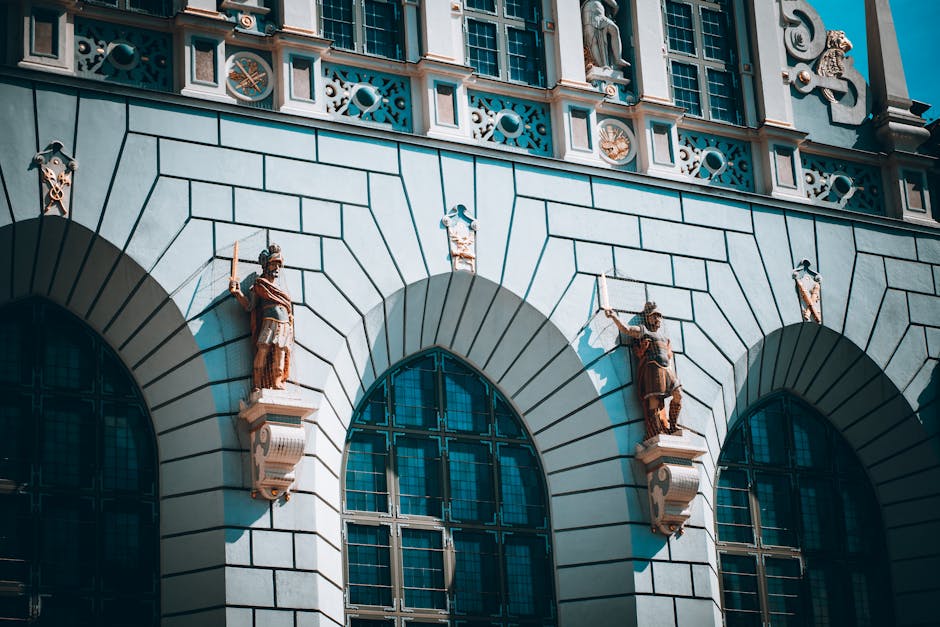
Discover Zaspa, a massive open-air gallery where grey housing blocks are transformed by over 60 monumental murals. Explore at your own pace.
 Moderate
Nairobi, Kenya
Discover the creative soul of Nairobi on this self-guided walk through the city's premier art galleries, markets, and artisan workshops.
 Moderate
Gdansk, Poland
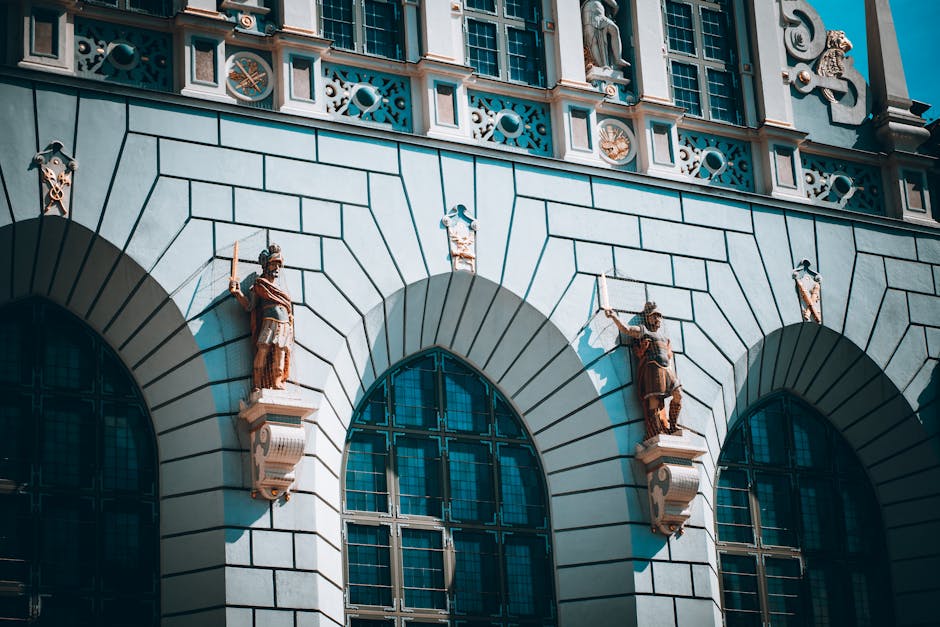
Discover the origins of WWII in Gdansk on this self-guided walk through heroic last stands, massive museums, and strategic hilltop fortifications.
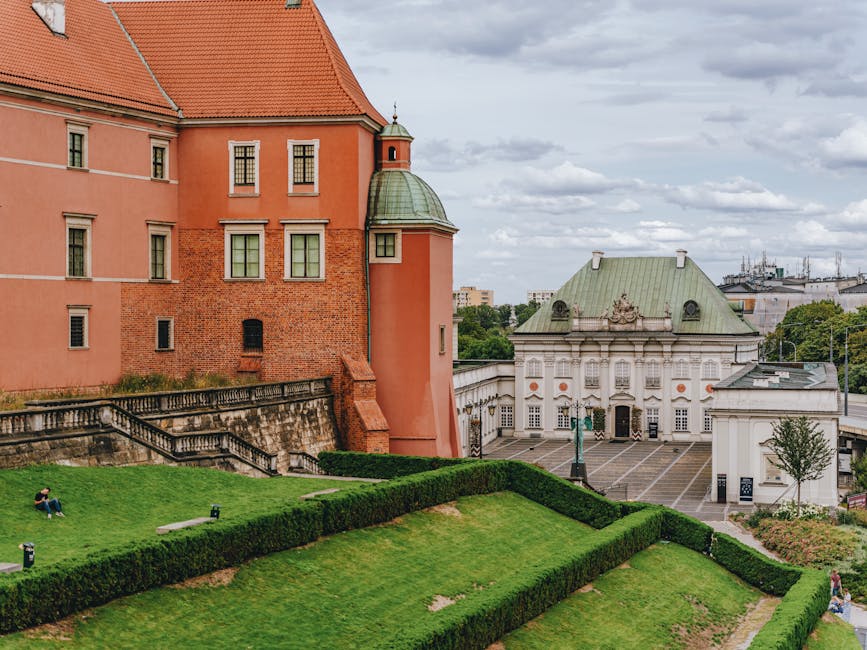 Moderate
Warsaw, Poland
Explore the resilient spirit of Warsaw's Muranów district on this self-guided walk through the history and landmarks of the former Jewish Ghetto.
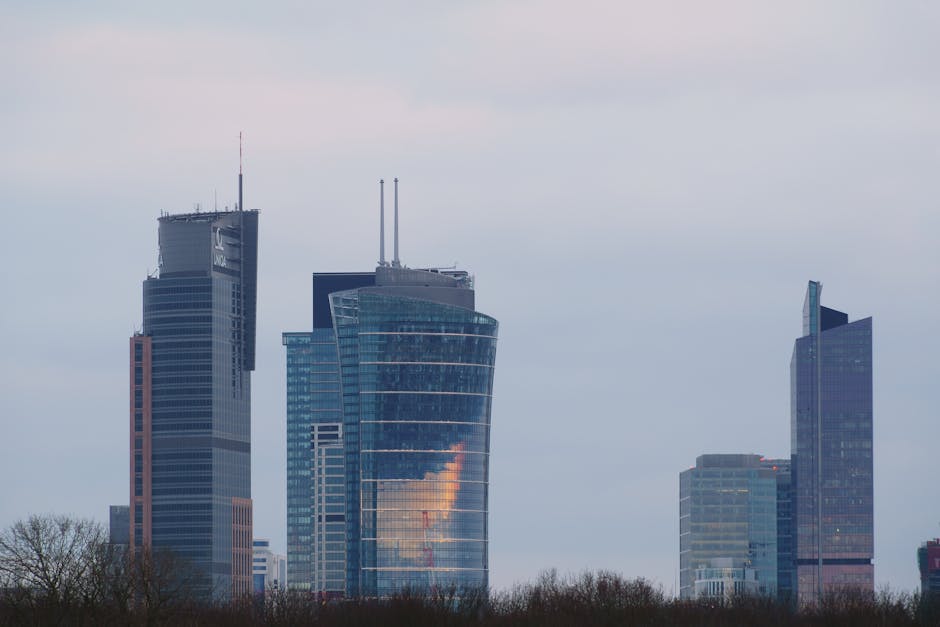 Easy
EasyWarsaw, Poland
Discover the hidden courtyards and grand pre-war architecture of Warsaw's most atmospheric neighborhood on this self-guided stroll.
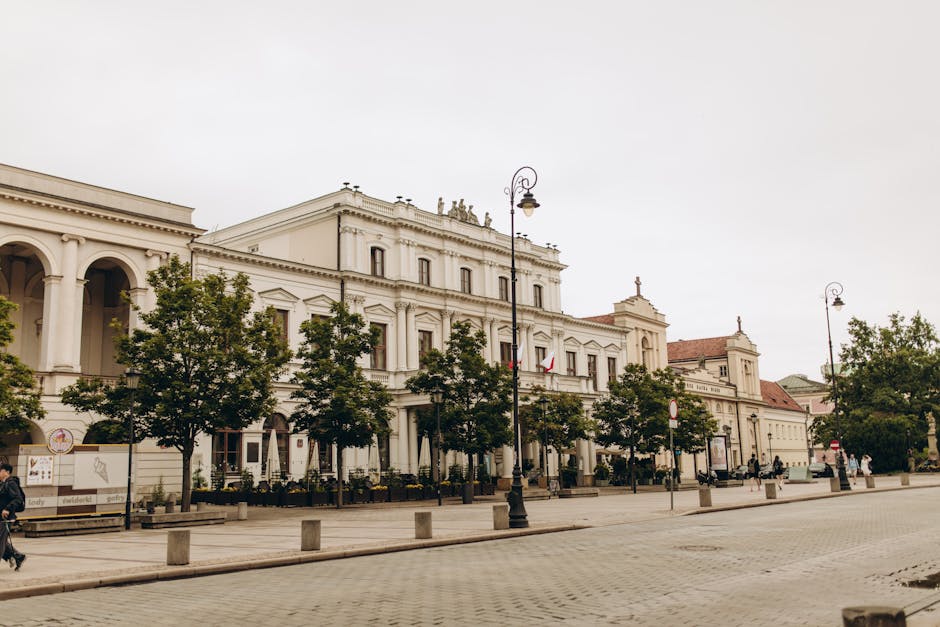 Easy
EasyWarsaw, Poland
Explore the 'Polish Versailles' at your own pace. Discover Baroque architecture, royal history, and stunning gardens on this self-guided walk.
ModerateWarsaw, Poland
Explore the resilient spirit of Warsaw's Muranów district on this self-guided walk through the history and landmarks of the former Jewish Ghetto.
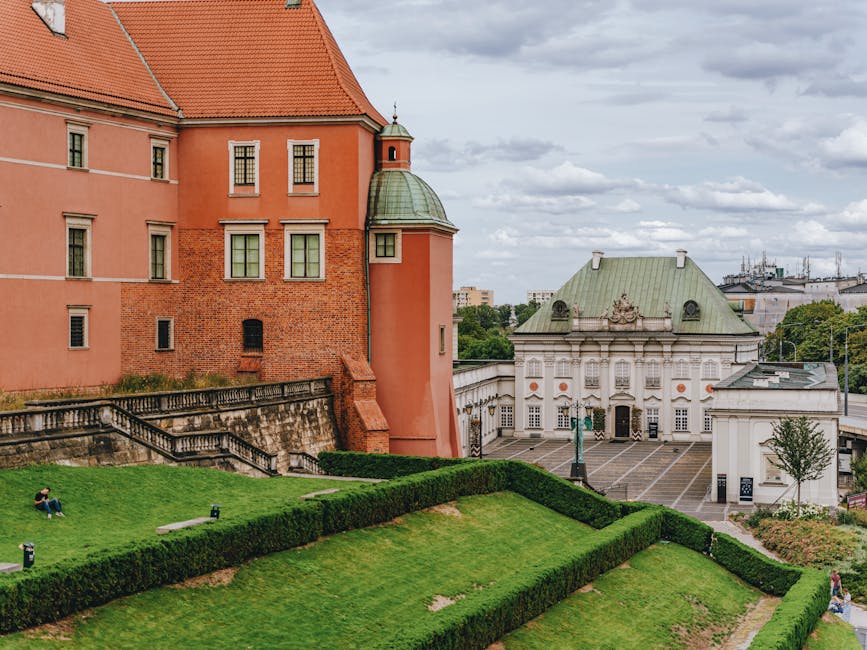 Moderate
Warsaw, Poland
A powerful self-guided walk through Warsaw's WWII history, tracking the 1944 Uprising from ruined skyscrapers to solemn memorials.
