Step into the medieval heart of Alsace with this self-guided walk through Strasbourg’s Grande Île. This neighborhood stroll focuses on the architectural evolution and spiritual legacy of a city that has sat at the crossroads of Europe for centuries. From the aristocratic elegance of the 18th-century Palais Rohan to the intricate timber frames of the Maison Kammerzell, you will explore the layers of history that earned this entire island a place on the UNESCO World Heritage list. The highlight of the route is the Cathédrale Notre-Dame-de-Strasbourg, a pink sandstone masterpiece that once held the title of the world's tallest building. As you explore independently, you’ll discover how the city’s unique position between French and German cultures shaped its art, religion, and urban design. This walking route Strasbourg offers is perfect for those who want to experience the grandeur of Gothic architecture without a fixed schedule. You can spend extra time admiring the Renaissance-era carvings of the Maison Kammerzell or duck into the Musée de l'Œuvre-Notre-Dame to see original cathedral statues up close. Throughout the walk, the presence of the Ill River provides a constant backdrop, reminding travelers of the island's strategic importance. Whether you are interested in the scientific marvel of the Astronomical Clock or the sheer scale of the cathedral's nave, this self-guided adventure allows you to uncover Strasbourg’s secrets at your own pace. For those seeking a deeper understanding of the city's transition from the Middle Ages to the Enlightenment, this route provides the perfect historical framework. By the end of this neighborhood stroll, you will understand why Strasbourg remains one of Europe's most visually stunning and historically significant cities. This is more than just a walk; it is an immersion into the Gothic heights and astronomical wonders that define the Alsatian capital.
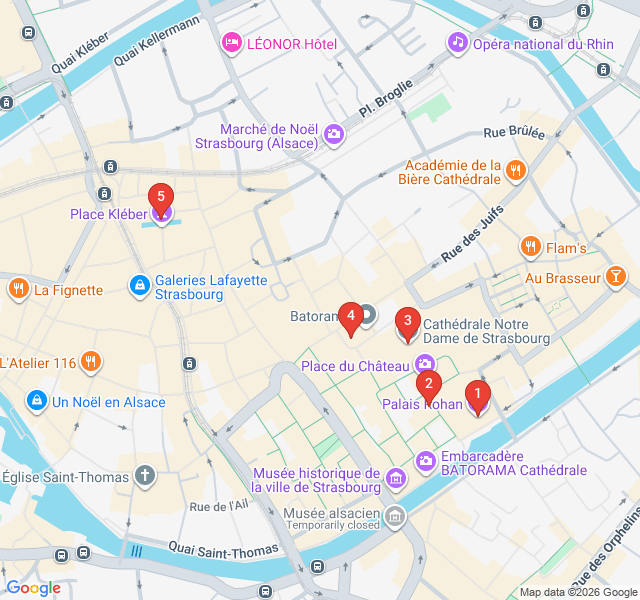
Numbers indicate the order of stops on the tour
Welcome to the start of your self-guided walk at the Palais Rohan. Completed in 1742, this grand residence was built for the Prince-Bishops of the Rohan family, four of whom served as Cardinals and Bishops of Strasbourg. Often called a 'miniature Versailles,' the palace reflects the French classical style that became popular after Strasbourg was annexed by France under Louis XIV. Look at the symmetrical facade and the grand courtyard; it was designed to project power and refinement. Today, the palace houses three of the city's most important museums: the Archaeological Museum, the Museum of Decorative Arts, and the Museum of Fine Arts. It stands as a testament to the city's 18th-century golden age, when Strasbourg transitioned from a medieval stronghold into a sophisticated European cultural hub.
Just a few steps from the cathedral sits the Musée de l'Œuvre-Notre-Dame, located in a building that has been the headquarters of the cathedral's construction workshop since the 14th century. This stop is essential for understanding the craftsmanship behind the Gothic heights you see around you. The museum houses the original sculptures from the cathedral facade, moved here to protect them from erosion and pollution. As you stand outside, notice the blend of Gothic and Renaissance architectural styles in the museum’s own structure. The 'œuvre' refers to the foundation that has maintained the cathedral for over 700 years. This site represents the continuity of Strasbourg's artistic heritage, preserving the masterworks of medieval and Renaissance Upper Rhine art for future generations to admire independently.
Gaze up at the Cathédrale Notre-Dame-de-Strasbourg, a breathtaking example of High Gothic architecture. Constructed from Vosges pink sandstone, the cathedral is famous for its single spire, which made it the tallest building in the world from 1647 to 1874. Victor Hugo famously described it as a 'gigantic and delicate marvel.' Inside, the cathedral houses a 16th-century Astronomical Clock, a masterpiece of mathematics and artistry that features a planetary dial and automated figures that perform daily. The cathedral’s stained-glass windows, some dating back to the 12th century, bathe the interior in a kaleidoscopic light. This sacred space has survived wars, revolutions, and the Protestant Reformation, standing today as the soul of Strasbourg and a symbol of Alsatian resilience and artistic ambition.
On the corner of the Cathedral Square stands the Maison Kammerzell, arguably the most beautiful timber-framed house in Strasbourg. While the stone ground floor dates back to 1427, the richly decorated upper floors were added in 1589 during the height of the Renaissance. Take a close look at the dark wood carvings; they depict a fascinating mix of sacred and profane themes, including the signs of the zodiac, the five senses, and famous historical figures. The house was originally built for a wealthy cheese merchant, and its intricate exterior served as a public display of his status. Today, it functions as a renowned restaurant, but it remains a primary landmark for anyone exploring the architectural history of the Grande Île and the transition from medieval to early modern life.
Your walking route concludes with a broader look at the Grande-Île, the historic island heart of Strasbourg. Encircled by the Ill River and the Canal du Faux-Rempart, this area was the first city center in France to be entirely classified as a UNESCO World Heritage site. The island’s layout follows a medieval street plan, where narrow alleys open into grand squares like the one you are standing in. The architecture here tells the story of a city that was a free imperial city of the Holy Roman Empire before becoming a French provincial capital. As you finish your walk, take a moment to enjoy the atmosphere of the surrounding streets, where traditional winstubs (Alsatian taverns) sit alongside modern boutiques, illustrating the vibrant, living history of this unique European crossroads.
Download Zigway to experience "Gothic Heights and Astronomical Wonders" with AI-powered audio narration. Walk at your own pace while stories unfold around you.
 Easy
EasyStrasbourg, France
Discover the vibrant soul of Strasbourg’s student district. Explore historic factories, lively squares, and canal-side hangouts at your own pace.
 Easy
EasyStrasbourg, France
Discover Strasbourg’s soul on this self-guided stroll along historic quays, scenic bridges, and the fairytale canals of Petite France.
 Moderate
Strasbourg, France
Explore the military genius of Vauban on this self-guided walk through Strasbourg’s historic bridges, dams, and riverside defenses.
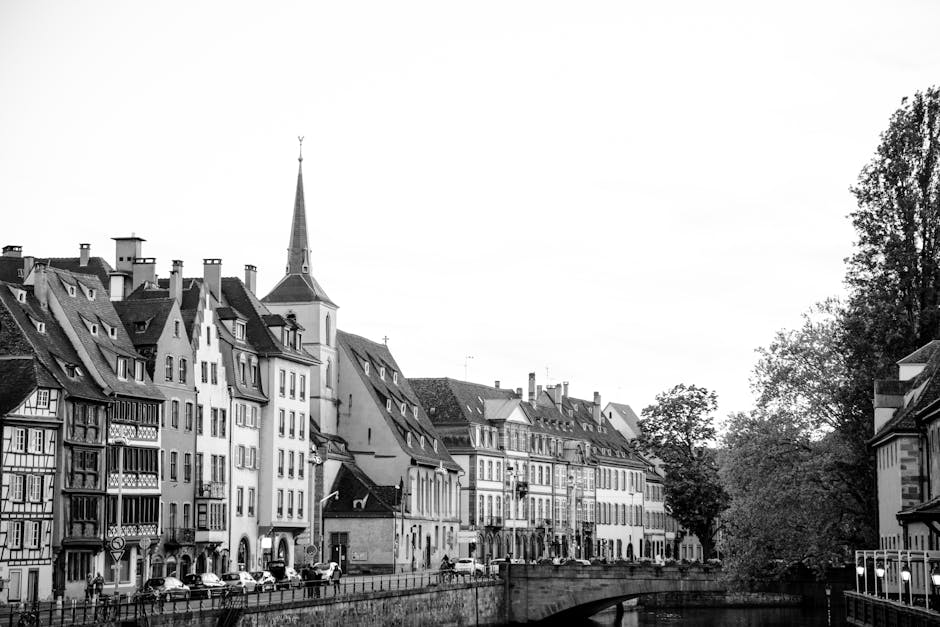 Moderate
Strasbourg, France
Discover the monumental Prussian architecture and imperial history of Strasbourg's UNESCO-listed Neustadt on this self-guided audio walk.
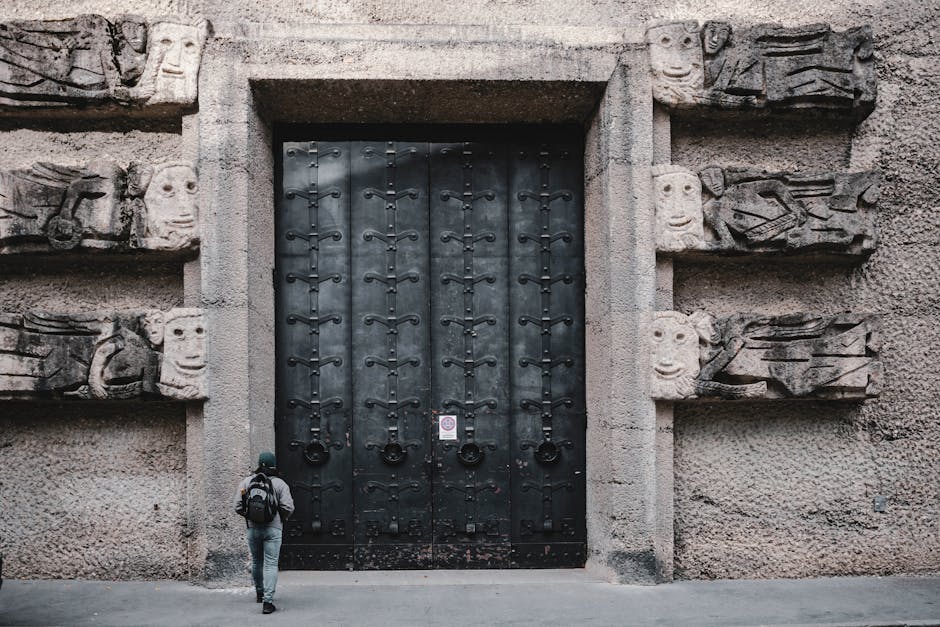 Easy
EasySalzburg, Austria
Discover the 'Rome of the North' on this self-guided walk through the Baroque squares and monumental legacy of Salzburg’s Prince-Archbishops.
 Easy
EasyNairobi, Kenya
Explore Nairobi's architectural evolution from colonial-era landmarks to iconic Brutalist skyscrapers on this historic self-guided walking route.
 Easy
EasyNairobi, Kenya
Discover Nairobi's iconic skyline on this self-guided architecture walk through the CBD’s most famous modernist and Brutalist landmarks.
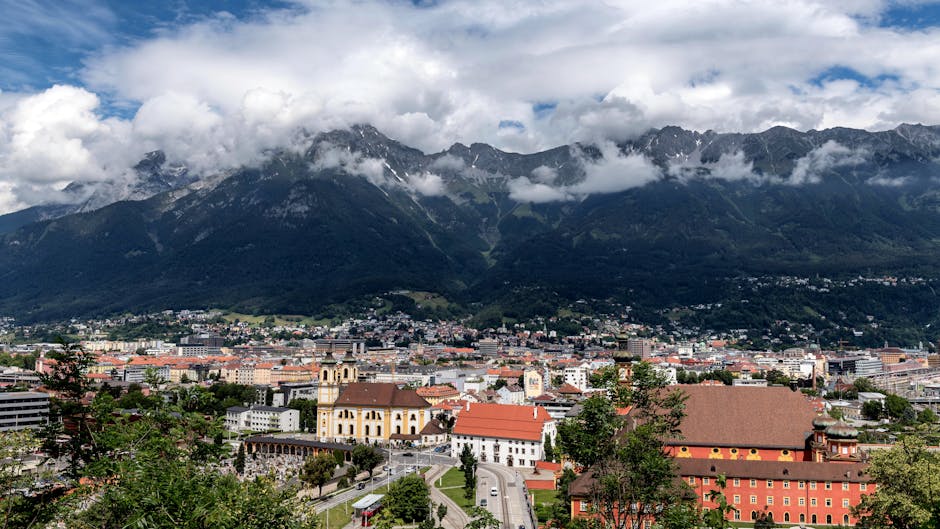 Easy
EasyInnsbruck, Austria
Uncover the myths and legends of Innsbruck on this self-guided walk through the historic Altstadt and beyond.
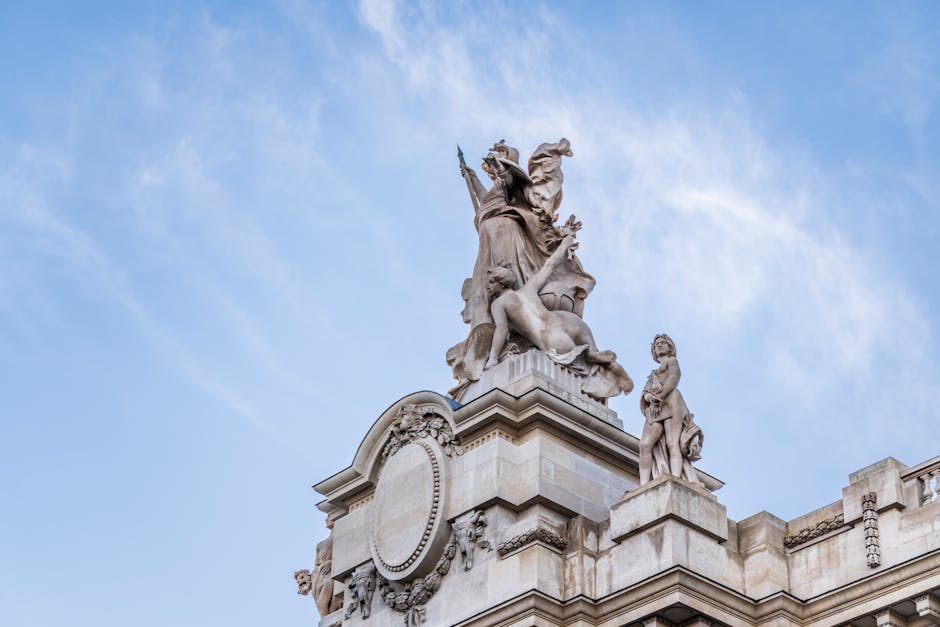 Challenging
Paris, France
Explore the secret vineyards, legendary artist studios, and hidden squares of Paris's iconic hilltop on this self-guided bohemian walking route.
 Easy
EasyParis, France
Explore the evolution of Parisian design from Art Nouveau whimsy to Le Corbusier's Modernist masterpieces on this self-guided architectural walk.
 Easy
EasyParis, France
Explore the flavors and history of Bastille on this self-guided walk through the legendary Aligre Market and the scenic Coulée Verte.
 Easy
EasyParis, France
Discover aristocratic mansions, secret medieval courtyards, and royal history on this self-guided walk through the enchanting Marais district.
