Step away from the crowded boulevards and ascend to the summit of the Butte, where the village-like atmosphere of Montmartre preserves the spirit of the Belle Époque. This self-guided walk invites you to explore the winding alleys and steep staircases that once served as the playground for the world’s most revolutionary artists. While many visitors stick to the main squares, this walking route delves into the quieter, northern slopes where the neighborhood's true bohemian heart beats. Your journey begins at the majestic Basilique du Sacré-Cœur, offering a panoramic view that stretches across the entire city of Paris. From here, you’ll navigate past the last remaining vineyard in the city, a surprising splash of green amidst the urban stone. Discover the legendary cabarets where poets and painters once traded canvases for meals, and stand before the humble buildings where Cubism was born. This neighborhood stroll is more than just a history lesson; it’s an immersion into a landscape that has inspired countless films and masterpieces. You’ll encounter the iconic pink facade of La Maison Rose and the poignant memorial to Dalida, the 'Saint of Montmartre.' As you wander, you’ll understand why this hilltop remains a sanctuary for dreamers. Because of the steep terrain and numerous steps, this route offers a physical challenge, but the reward is an authentic glimpse into a Paris that feels frozen in time. Whether you are a first-time visitor or a repeat traveler, discovering Montmartre at your own pace allows you to notice the small details—the ivy-covered walls, the hidden gardens, and the lingering echoes of the artistic revolution that changed the world. This walking tour Paris experience provides the freedom to pause for a coffee at a local bistro or spend extra time capturing the perfect photograph of the cobblestone streets. It is an essential neighborhood stroll for anyone seeking the romantic and rebellious soul of the city.
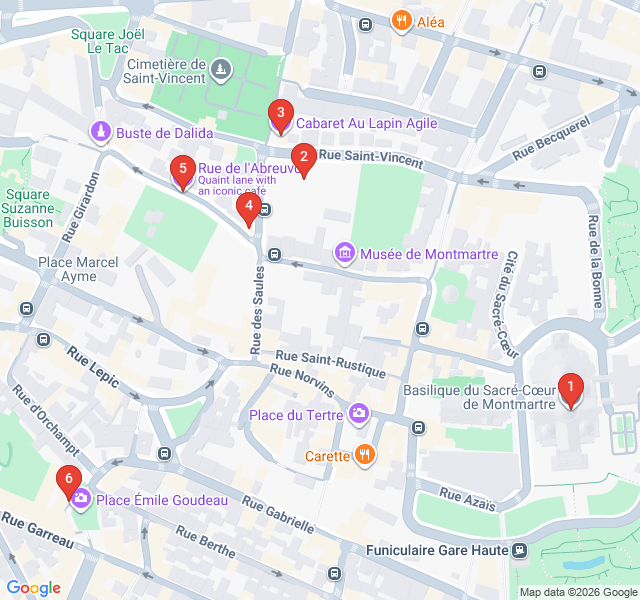
Numbers indicate the order of stops on the tour
Perched at the highest point in Paris, the Basilique du Sacré-Cœur is more than just a religious monument; it is a symbol of the city's complex history. Built between 1875 and 1914, its Romano-Byzantine style stands in stark contrast to the Gothic architecture found elsewhere in Paris. The stone used, known as Château-Landon travertine, actually bleaches itself when it rains, keeping the basilica white despite the city's pollution. Inside, you will find one of the world's largest mosaics, but the real draw for many is the view from the parvis. This site was chosen for its height and spiritual significance, long before it became the landmark we see today.
Tucked away on the northern slope of the hill is the Vigne du Clos Montmartre, the last active vineyard in the city of Paris. Planted in 1933 to prevent real estate developers from building on the site, this small plot produces around 1,500 bottles of wine annually. The vineyard is a reminder of a time when Montmartre was a rural village covered in vines and windmills. Every October, the neighborhood celebrates the Fête des Vendanges, a harvest festival that draws visitors from across the globe. While the wine is known more for its rarity than its flavor, the vineyard remains a cherished piece of the neighborhood's agricultural heritage.
This small, brightly painted cottage is the Cabaret Au Lapin Agile, one of the oldest and most legendary bars in Montmartre. In the early 20th century, it was the preferred hangout for starving artists like Picasso, Modigliani, and Utrillo. The name comes from a mural painted by André Gill featuring a rabbit jumping out of a saucepan—'Le Lapin à Gill' eventually became 'Au Lapin Agile.' It was here that a famous prank took place: a donkey named Lolo had a paintbrush tied to its tail to create an abstract painting that was later exhibited at a prestigious art show to mock modern art critics.
Possibly the most photographed house in Montmartre, La Maison Rose is famous for its pastel pink walls and green shutters. Its fame dates back to the early 1900s when it was owned by Germaine Pichot, a model and friend of many local artists. Maurice Utrillo, a prominent Montmartre painter, immortalized the house in his work 'The Little Pink House.' Today, it remains a functioning restaurant and a perfect example of the charming, village-like architecture that defines this part of Paris. It sits at the corner of Rue de l'Abreuvoir, often cited as the most beautiful street in the city.
This peaceful square is dedicated to Dalida, the legendary Italian-French singer who lived nearby and became a cultural icon. Known for her tragic life and incredible voice, she sold over 170 million records worldwide. The bronze bust of her, created by sculptor Alain Aslan, is a site of pilgrimage for fans. Local legend says that touching the bust brings good luck, which explains the polished appearance of the bronze. The square itself offers a stunning view down the Rue de l'Abreuvoir toward the Sacré-Cœur, capturing the essence of the neighborhood's romantic and melancholic charm.
Though the original building was destroyed by fire in 1970 and subsequently rebuilt, Le Bateau-Lavoir remains a sacred site in art history. In the early 1900s, this former piano factory served as a studio complex for some of the greatest minds of the century. It was here that Pablo Picasso lived and painted his groundbreaking work, 'Les Demoiselles d'Avignon,' marking the birth of Cubism. The name, meaning 'The Laundry Boat,' was coined by poet Max Jacob because the building was drafty, rickety, and resembled the laundry barges on the Seine. Today, it still houses artist studios, continuing the creative legacy of the hilltop.
Download Zigway to experience "Montmartre's Hidden Bohemian Trails" with AI-powered audio narration. Walk at your own pace while stories unfold around you.
 Easy
EasyParis, France
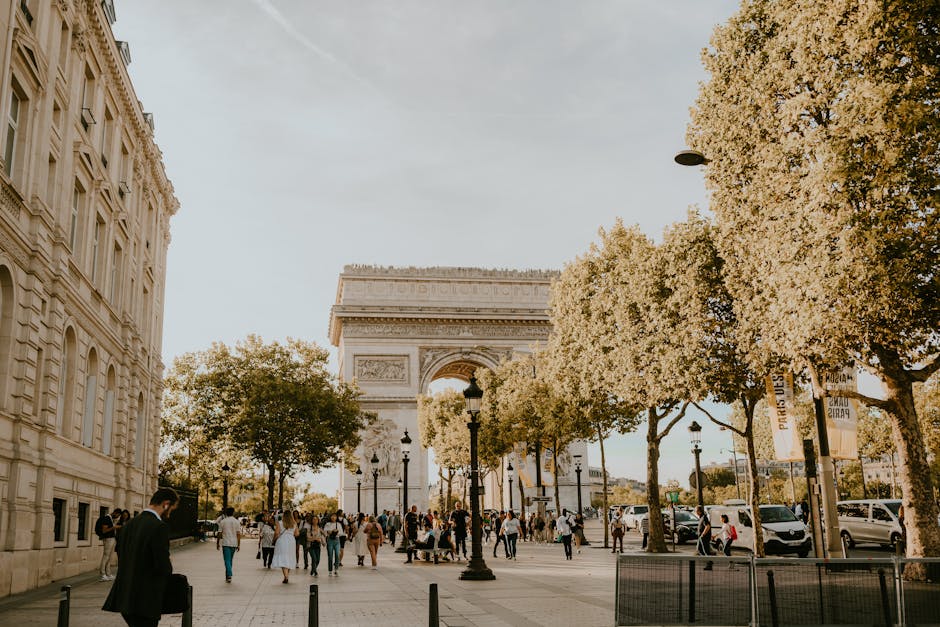
Explore the evolution of Parisian design from Art Nouveau whimsy to Le Corbusier's Modernist masterpieces on this self-guided architectural walk.
 Easy
EasyParis, France
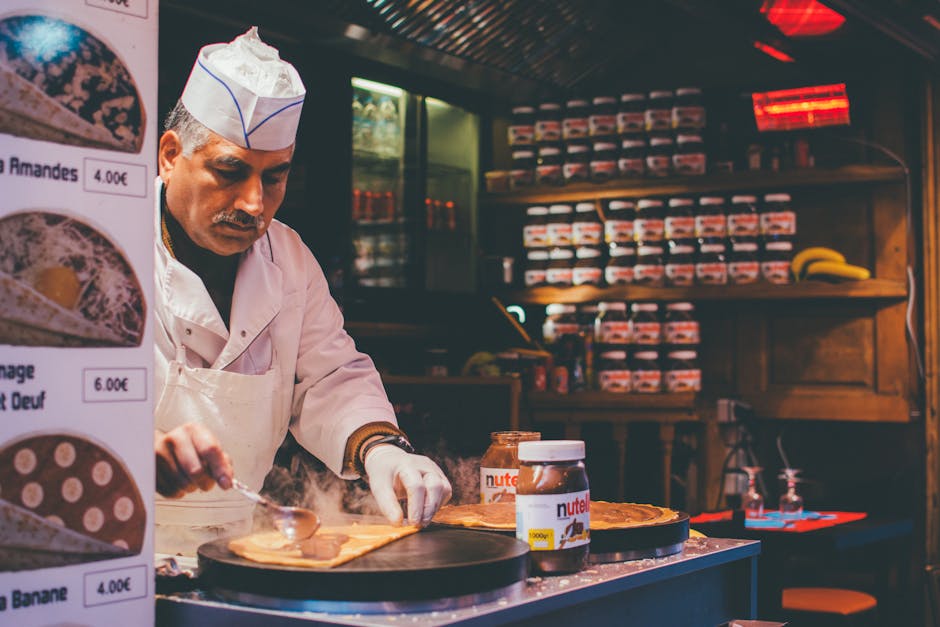
Explore the flavors and history of Bastille on this self-guided walk through the legendary Aligre Market and the scenic Coulée Verte.
 Easy
EasyParis, France
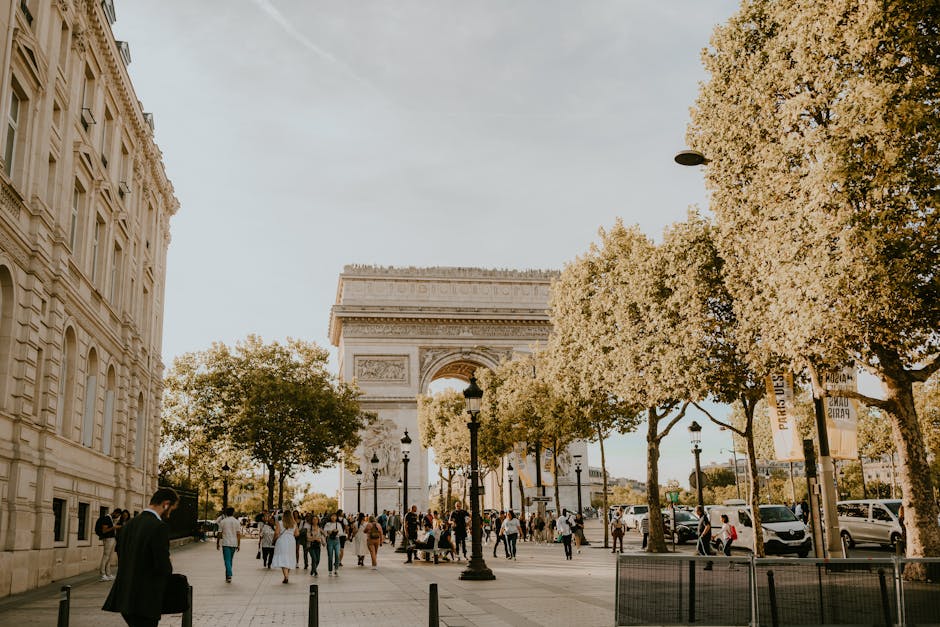
Discover aristocratic mansions, secret medieval courtyards, and royal history on this self-guided walk through the enchanting Marais district.
 Moderate
Paris, France
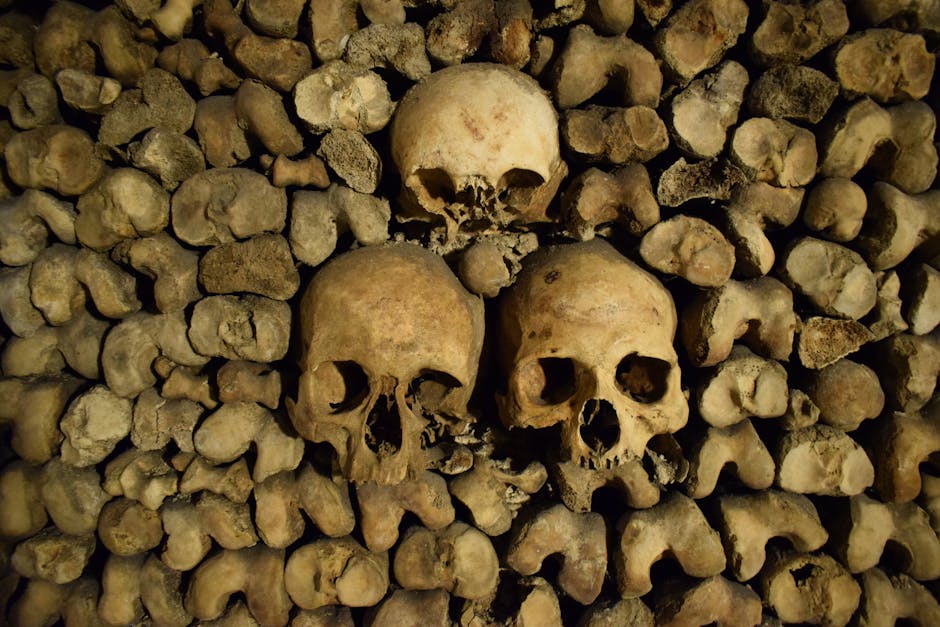
Explore the world's most famous cemetery independently. Discover the final resting places of Chopin, Jim Morrison, and Oscar Wilde at your own pace.
 Easy
EasyGdansk, Poland
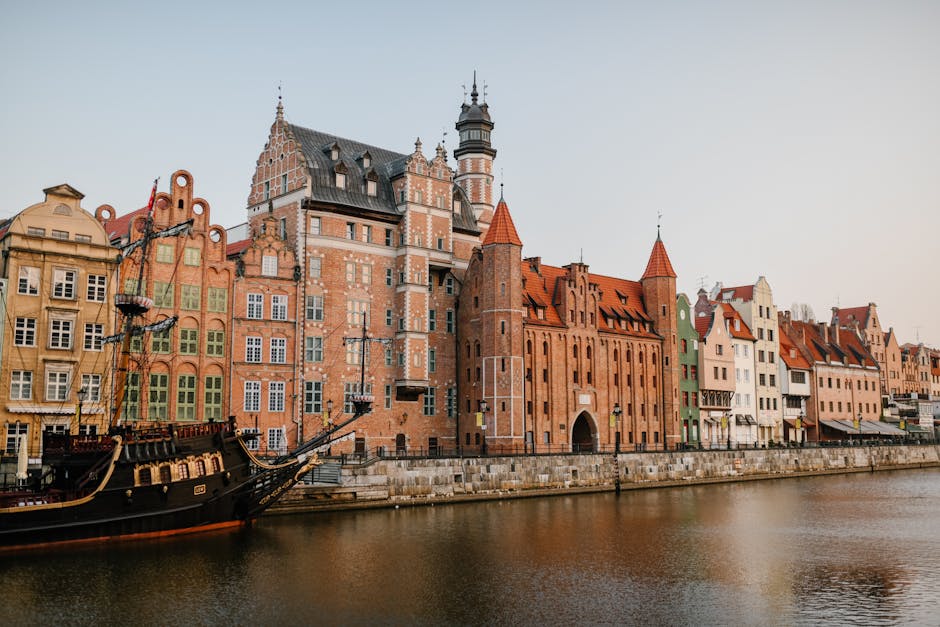
Discover the 'Baltic Gold' on this self-guided walk through Gdansk's historic mills, massive cathedrals, and the magical Mariacka Street.
 Easy
EasyNairobi, Kenya
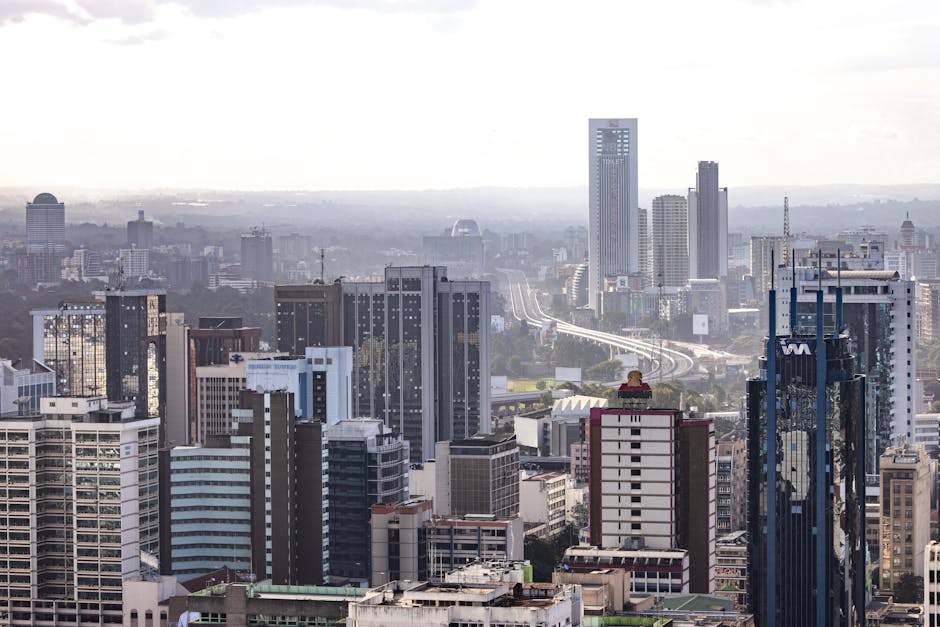
Explore the history of Kenya’s independence through the statues, monuments, and parks that define Nairobi’s political heart on this self-guided walk.
 Moderate
Vienna, Austria
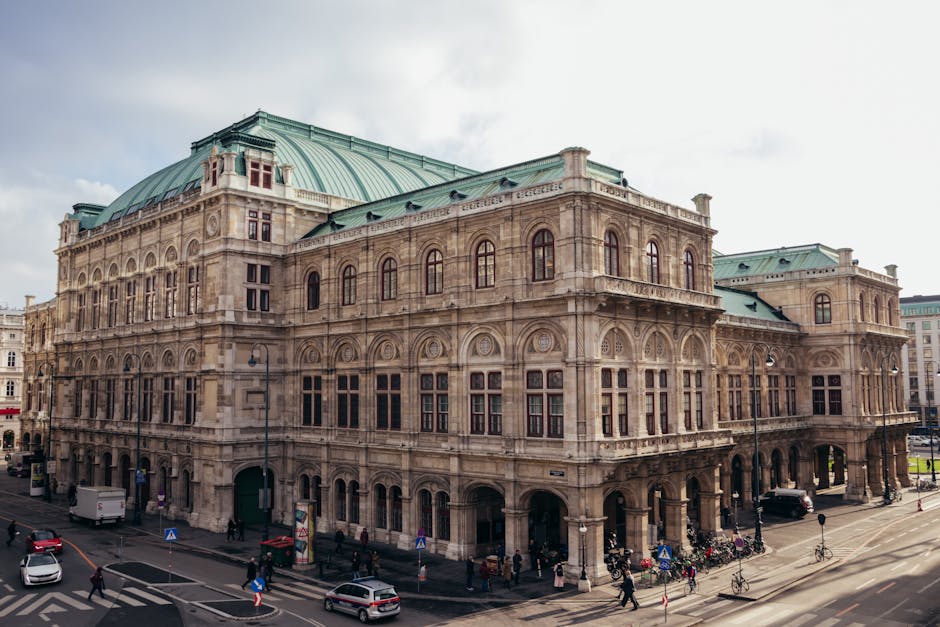
Discover the noir world of The Third Man and Cold War Vienna on this atmospheric self-guided audio walk through the historic Innere Stadt.
 Moderate
Krakow, Poland
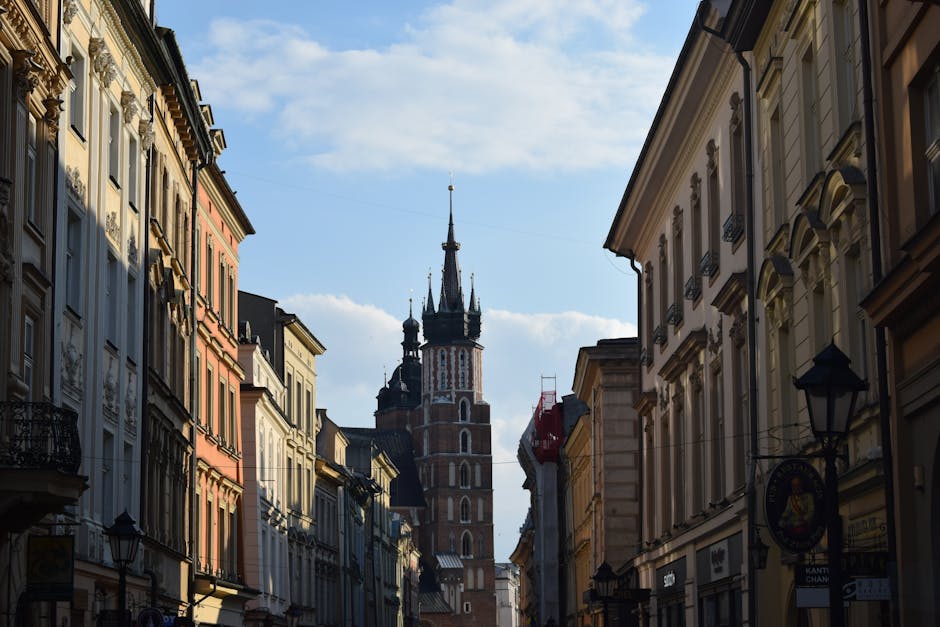
Discover Krakow’s stunning skyline and riverside charm on this self-guided audio walk through scenic viewpoints and historic mounds.
 Easy
EasyLyon, France
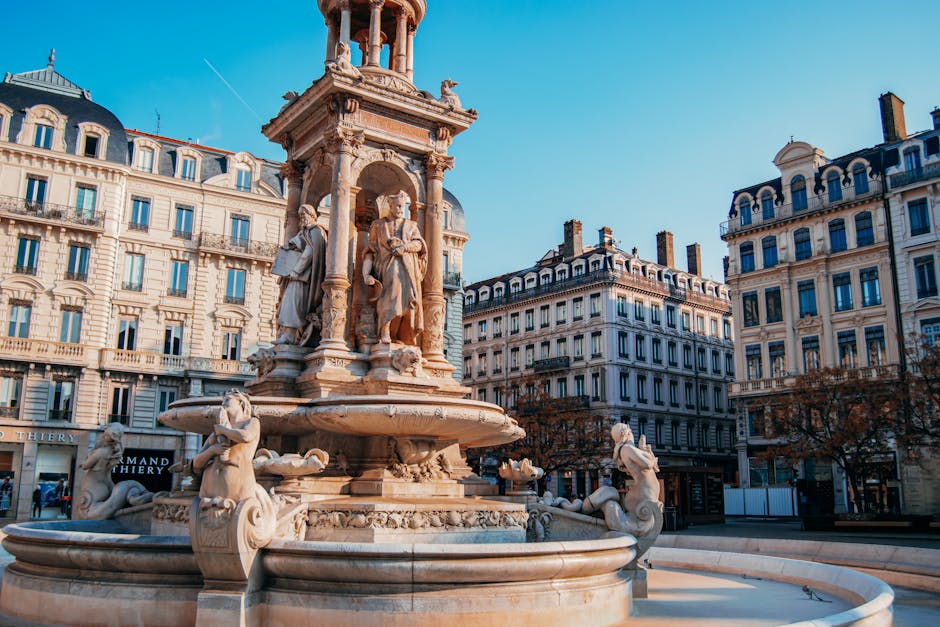
Discover Lyon's culinary soul on this self-guided walk from historic Presqu'île to the legendary Halles Paul Bocuse food market.
 Easy
EasyLyon, France
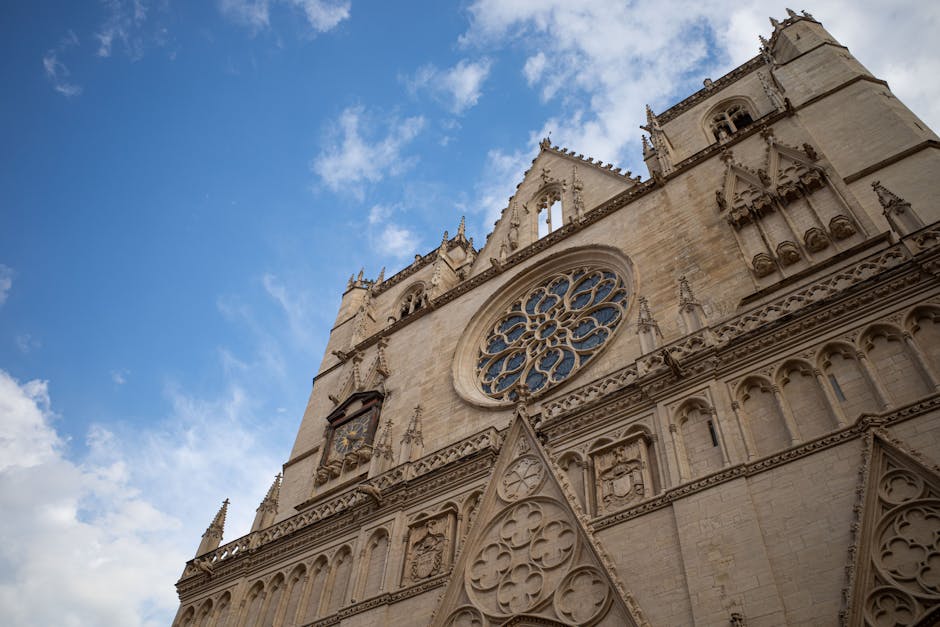
Explore Lyon’s futuristic waterfront! A self-guided walk through Confluence’s bold architecture and reclaimed industrial docks.
 Easy
EasyLyon, France
Discover the multicultural soul and industrial heritage of Lyon's 7th arrondissement on this vibrant self-guided walking route.
 Moderate
Lyon, France
Ascend the 'Hill that Prays' to explore Roman ruins, a shimmering basilica, and secret panoramic gardens on this historic self-guided walk in Lyon.
