Step into the flickering shadows of post-war Vienna with this atmospheric self-guided walk through the locations that inspired and hosted the 1949 cinematic masterpiece, The Third Man. As you navigate the cobblestone streets of the Innere Stadt, you will uncover a city that was once a fractured landscape of four-power occupation, black markets, and Cold War espionage. This neighborhood stroll captures the noir aesthetic of a Vienna rebuilding itself from the rubble of World War II, transitioning from the imperial grandeur of the Habsburgs to a gritty world of international intrigue. This walking route is designed for film enthusiasts, history buffs, and photographers looking to capture the moody essence of the city. You will begin at the dedicated Third Man Museum, providing the perfect historical context for the film's production and the reality of life in the 1940s. From there, the route takes you into the heart of the First District, where you will stand before the elegant Palais Pallavicini, known to film fans as the exterior of Harry Lime’s apartment. As you explore independently, you will visit the Hoher Markt and the ancient Ruprechtskirche, where the narrow alleys still echo with the tension of the famous chase scenes. This audio walk also touches on the darker history of the era at Morzinplatz, the former site of the Gestapo headquarters, before concluding at the iconic Mölker Bastei. Whether you are a fan of Orson Welles or simply interested in the geopolitical history of the Cold War, this self-guided walk offers a unique perspective on the Austrian capital. This walking tour Vienna experience allows you to pause whenever you like, perhaps for a coffee in a traditional Viennese café, while soaking in the same atmosphere that captivated director Carol Reed and novelist Graham Greene.
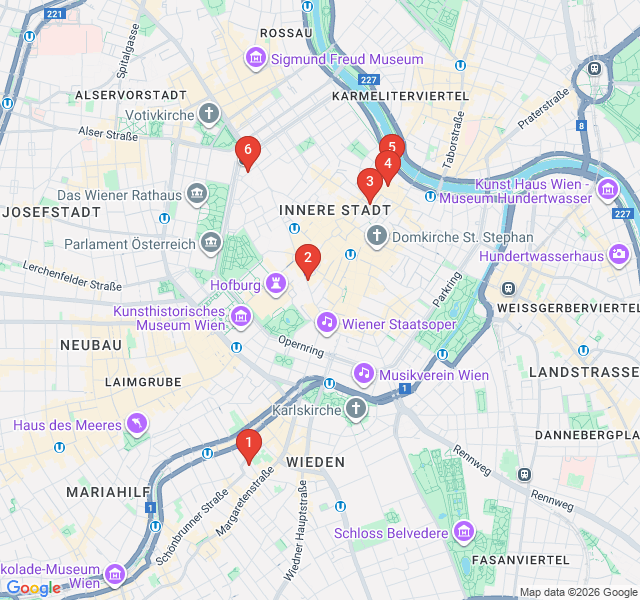
Numbers indicate the order of stops on the tour
Begin your self-guided adventure at this remarkable private museum, which serves as the ultimate introduction to the film and its era. This is not just a collection of movie props; it is an immersive dive into the social and political reality of Vienna between 1945 and 1955. You will find original scripts, the zither used by Anton Karas to create the haunting theme music, and even one of the original projectors from 1949. The museum also painstakingly documents the hardships of the 'rubble years,' explaining how the city was divided into American, British, French, and Soviet sectors. Understanding this fractured reality is essential to appreciating the shadows you will walk through today.
Located at Josefsplatz, this stunning Baroque palace served as the exterior of Harry Lime’s apartment in the film. While the interior scenes were shot in a studio, the grand entrance and the statues flanking the doorway are instantly recognizable to fans. Notice the contrast between the palace's aristocratic elegance and the shady dealings of the film's characters. In 1948, when filming began, many of these grand buildings were damaged or neglected. Director Carol Reed used 'Dutch angles'—tilting the camera—to reflect the psychological unease and the literal instability of a city in ruins. Imagine the black market deals being whispered in the doorways of such magnificent estates.
As you enter one of Vienna's oldest squares, you are standing in an area that looks vastly different today than it did in the late 1940s. The Hoher Markt was heavily bombed during the war, and in The Third Man, it appears as a landscape of skeletal buildings and mountains of bricks. Today, it is famous for the Art Nouveau Anker Clock, but for a history-focused walking route, it represents the resilience of the city. This square was a hub for the black market trade in penicillin and cigarettes, a central plot point in the film. The ruins provided the perfect hiding spots for the 'shadow people' moving between the city's sectors.
Perched on a hill overlooking the Danube Canal, Ruprechtskirche is widely considered the oldest church in Vienna, dating back to the 8th century. Its ivy-covered stone walls and narrow, winding staircases provided the perfect backdrop for the film's tense foot chases. The area around the church, known locally as the 'Bermuda Triangle,' is a maze of medieval alleys that retain a heavy, historic atmosphere. At night, the long shadows cast by the streetlamps here recreate the high-contrast noir look that defined the movie. It is easy to imagine the sound of running footsteps echoing against these ancient stones as characters vanished into the night.
This stop marks a somber chapter in Vienna’s history. During the war, the Hotel Metropole, which stood here, was converted into the headquarters of the Gestapo. After the building was destroyed by Allied bombing, it was never rebuilt; instead, a memorial now stands here to honor the victims of the Nazi regime. In the context of the Cold War shadows, Morzinplatz was a site of transition from one form of surveillance and control to another. The film hints at this atmosphere of constant observation and the lack of trust between the occupying powers. It serves as a reminder that the noir tension of the screen was rooted in very real human tragedy.
Conclude your stroll at one of the most iconic locations in cinematic history. The Mölker Bastei is a remnant of the old city walls, elevated above the Ringstrasse. It is here, in a darkened doorway across from the house where Beethoven once lived, that Harry Lime is first revealed to the audience by a sudden beam of light. The architecture here is beautifully preserved, offering a glimpse of 'Old Vienna.' As you stand by the ramparts, you can look down toward the university and the Votivkirche. This spot perfectly encapsulates the theme of our walk: the intersection of high culture, ancient history, and the dark, lingering shadows of the Cold War.
Download Zigway to experience "Cold War Shadows: The Third Man Noir Walk" with AI-powered audio narration. Walk at your own pace while stories unfold around you.
 Easy
EasyVienna, Austria
Explore Vienna’s vibrant open-air gallery along the Danube Canal on this self-guided street art and nightlife stroll through Leopoldstadt.
 Moderate
Vienna, Austria
Follow the footsteps of Mozart and Strauss through Vienna’s historic center on this self-guided walk through the city's rich musical history.
 Easy
EasyVienna, Austria
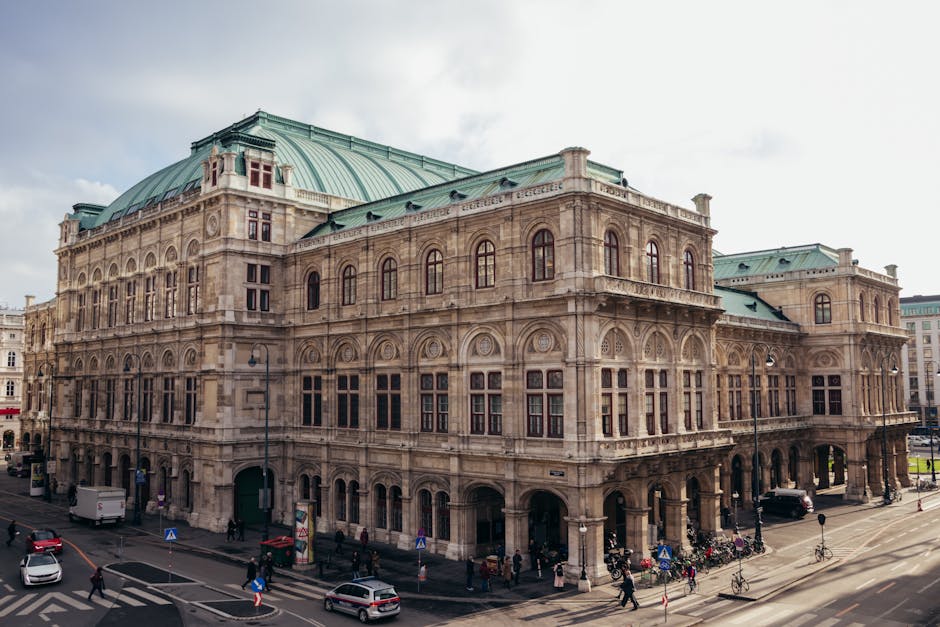
Discover the literary haunts and architectural gems of Vienna's legendary coffee culture on this self-guided stroll through the historic city center.
 Easy
EasyVienna, Austria
Explore the resilient spirit of Vienna's Jewish community on this self-guided audio walk through the historic Second District.
 Easy
EasyGothenburg, Sweden
Explore Gothenburg’s historic wooden houses, legendary giant cinnamon buns, and panoramic fortress views on this self-guided neighborhood stroll.
 Moderate
Krakow, Poland
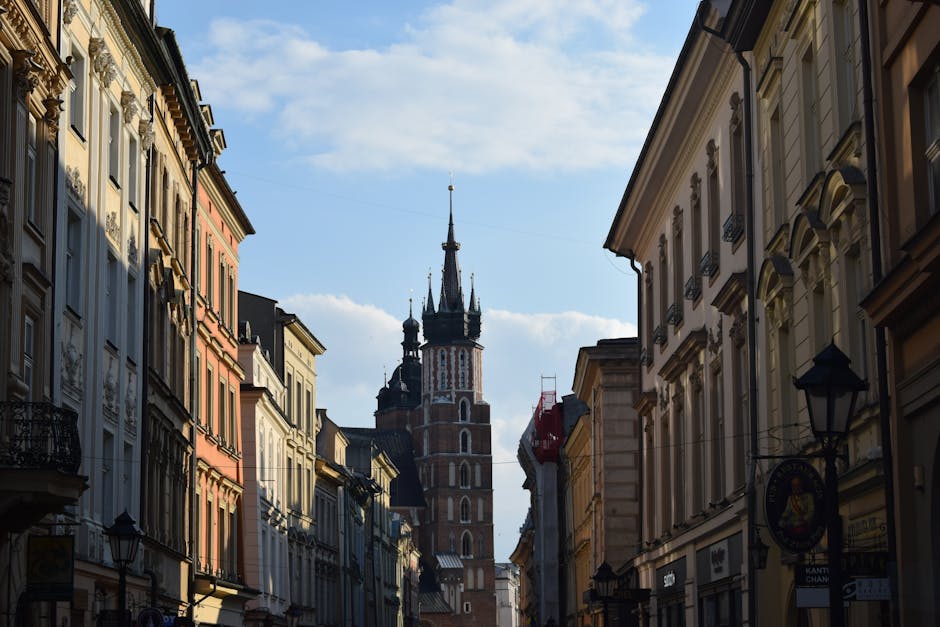
Discover Krakow’s stunning skyline and riverside charm on this self-guided audio walk through scenic viewpoints and historic mounds.
 Easy
EasyGdansk, Poland
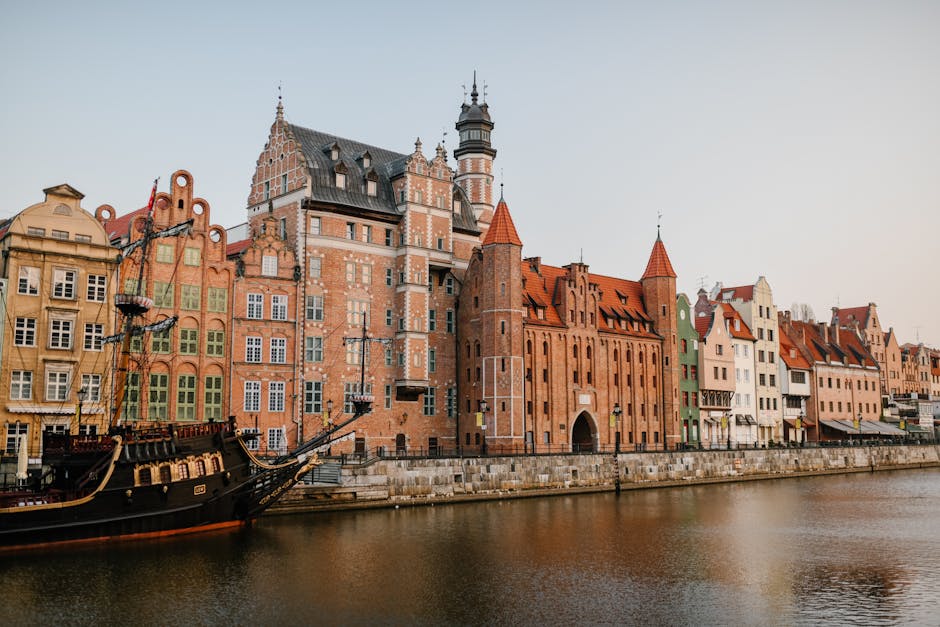
Discover the 'Baltic Gold' on this self-guided walk through Gdansk's historic mills, massive cathedrals, and the magical Mariacka Street.
 Moderate
Helsinki, Finland
Explore Helsinki's bohemian heart. Discover historic saunas, granite churches, and the vibrant local life of the Kallio neighborhood at your own pace.
 Easy
EasySalzburg, Austria
Discover the 'Rome of the North' on this self-guided walk through the Baroque squares and monumental legacy of Salzburg’s Prince-Archbishops.
 Easy
EasySalzburg, Austria
Discover Salzburg's oldest medieval alley, the birthplace of the 'Silent Night' author, and breathtaking views on this quiet self-guided walk.
 Easy
EasySalzburg, Austria
Walk through the iconic filming locations of The Sound of Music and discover the real history of the von Trapp family in Salzburg.
 Challenging
Salzburg, Austria
Scale the heights of Salzburg on this self-guided walk to the Hohensalzburg Fortress, exploring medieval walls and ancient monastic grounds.
