Step into a postcard of 19th-century Sweden with this self-guided walk through Haga, Gothenburg’s oldest and most charming suburb. Once a working-class district outside the city walls, Haga has transformed into a vibrant hub of independent boutiques, historic architecture, and the aromatic heart of Swedish fika culture. This walking route invites you to explore the neighborhood at your own pace, moving from the tranquil grounds of a neo-Gothic church to the panoramic heights of a 17th-century fortress. What makes this neighborhood stroll truly special is the preservation of its unique 'Landshövdingehus' or Governor’s houses. These buildings, featuring a ground floor of stone and two upper floors of wood, were a clever solution to 19th-century fire regulations and now provide the backdrop for one of the most photographed streets in Scandinavia, Haga Nygata. As you wander, you’ll discover the story of how these wooden homes were saved from demolition by passionate locals, preserving a vital piece of Gothenburg’s industrial heritage. No visit to Haga is complete without experiencing fika, the Swedish tradition of a coffee and pastry break. This route leads you directly to the home of the 'Hagabullen'—a cinnamon bun so large it has become a local legend. Beyond the treats, you’ll encounter the elegant Hagabadet, a historic bathhouse that once served as a sanctuary for the neighborhood’s poor, and Järntorget, a square steeped in labor history and the city's iron trade legacy. While many travelers look for a walking tour Gothenburg style, this independent audio walk offers the freedom to linger over a coffee or browse local handicraft shops without a schedule. The journey concludes with a climb to Skansen Kronan, a crown-topped fortress offering 360-degree views of the red-roofed houses below and the harbor beyond. Whether you are a history buff, an architecture enthusiast, or a food lover, this neighborhood stroll captures the cozy, resilient spirit of Gothenburg.
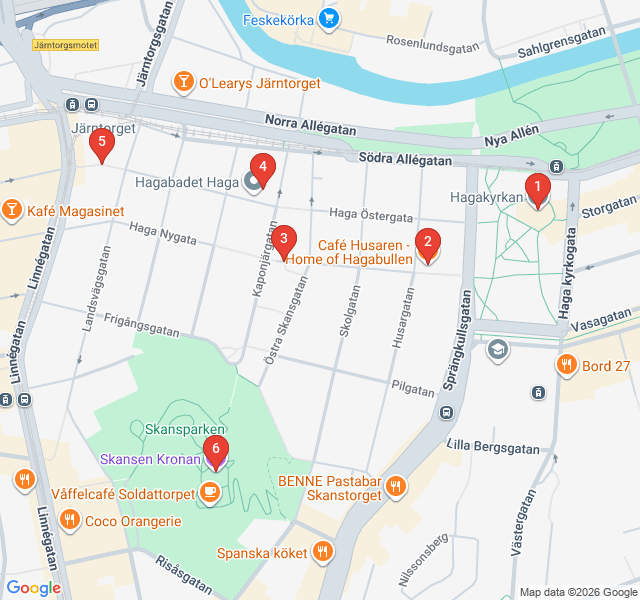
Numbers indicate the order of stops on the tour
Welcome to the starting point of your self-guided walk. Haga Kyrka, or Haga Church, was completed in 1859 and stands as a beautiful example of neo-Gothic architecture. Notice the yellow brick and the slender spire that reaches toward the sky. When it was built, this area was a poor working-class suburb located outside the city’s defensive moats. The church was intended to provide a spiritual center for the thousands of laborers who lived in the nearby wooden tenements. The surrounding park, Haga Kyrkoplan, offers a moment of serenity before you dive into the bustling streets of the neighborhood. It’s a place where history and modern city life meet, separating the grander city center from the cozy, narrow lanes of Haga.
As you walk down Haga Nygata, the smell of cinnamon and cardamom will likely lead you here. Café Husaren is housed in a magnificent building with a late 19th-century glass-covered courtyard. This spot is famous for the 'Hagabullen'—a cinnamon bun roughly the size of a dinner plate. Fika is more than just a coffee break in Sweden; it’s a social institution, a moment to slow down and connect. In the 1980s, when Haga was undergoing renovation, this cafe helped cement the neighborhood's reputation as the city's premier fika destination. Even if you don't have an appetite for a giant pastry, the interior’s historic charm and ornate ceilings are worth a look.
This is the heart of Haga. Look closely at the buildings lining this cobblestone street. You are seeing the famous 'Landshövdingehus,' or Governor’s houses. In the late 1800s, fire regulations forbade building wooden houses more than two stories high. To bypass this and house more people, builders created a stone first floor and added two wooden floors on top. This unique architectural style is found almost nowhere else in the world. In the 1970s, many of these buildings were slated for demolition to make way for modern apartments. However, local protests saved the street, turning it into the picturesque thoroughfare of independent shops, antique dealers, and chocolate makers you see today.
This grand building with its romantic facade is Hagabadet, a historic spa and bathhouse that opened in 1876. Originally known as Renströmska Badanstalten, it was built using a donation from Sven Renström to promote hygiene and health among the local working class, who often lived in cramped, unsanitary conditions. The architecture is a mix of styles, including Neo-Renaissance and Art Nouveau. Inside, the Great Hall features beautiful ceiling paintings and a sense of timeless luxury. It serves as a reminder that even in the 19th century, the city invested in the well-being of its citizens, transitioning from a place of necessity to one of modern relaxation and wellness.
Leaving the quiet of Haga’s wooden streets, you arrive at Järntorget, or 'The Iron Square.' For centuries, this was the site where iron from the Swedish countryside was weighed and prepared for export via the nearby harbor. Today, it is a center for Gothenburg’s labor movement and nightlife. The square is dominated by the 'Five Continents' fountain, representing the global reach of Swedish trade. Surrounding the square, you’ll find the headquarters of several trade unions and a variety of gritty, authentic pubs and music venues. It marks the boundary between the historic charm of Haga and the more industrial, alternative vibe of the Linné district.
To reach the final stop, follow the paths up the hill of Risåsberget. You are standing before Skansen Kronan, a fortress completed in 1698. It was built to defend Gothenburg against potential Danish attacks from the south, though its 23 cannons were never actually fired in combat. The walls are up to five meters thick, made of granite and brick. The name 'Kronan' comes from the massive gilded crown that sits atop the tower. While it has served as a prison and an emergency residence, today it is the city’s best lookout point. Take a moment to look down over the wooden roofs of Haga where you just walked; it’s the perfect spot to appreciate the scale and history of the city.
Download Zigway to experience "Haga's Wooden Heritage and Fika Culture" with AI-powered audio narration. Walk at your own pace while stories unfold around you.
 Easy
EasyGothenburg, Sweden
Discover Gothenburg’s maritime flavors on this self-guided walk through historic market halls and iconic seafood landmarks.
 Moderate
Gothenburg, Sweden
Discover Gothenburg’s maritime soul on this self-guided walk from the historic Central Station to the scenic riverfront at Stenpiren.
 Easy
EasyGothenburg, Sweden
Explore Gothenburg's elegant academic district, featuring grand 19th-century stone architecture and the iconic cultural hub of Götaplatsen.
 Easy
EasyGothenburg, Sweden
Explore Gothenburg's maritime soul on this self-guided walk from historic shipyards to sleek modern piers and iconic industrial landmarks.
 Moderate
Vienna, Austria
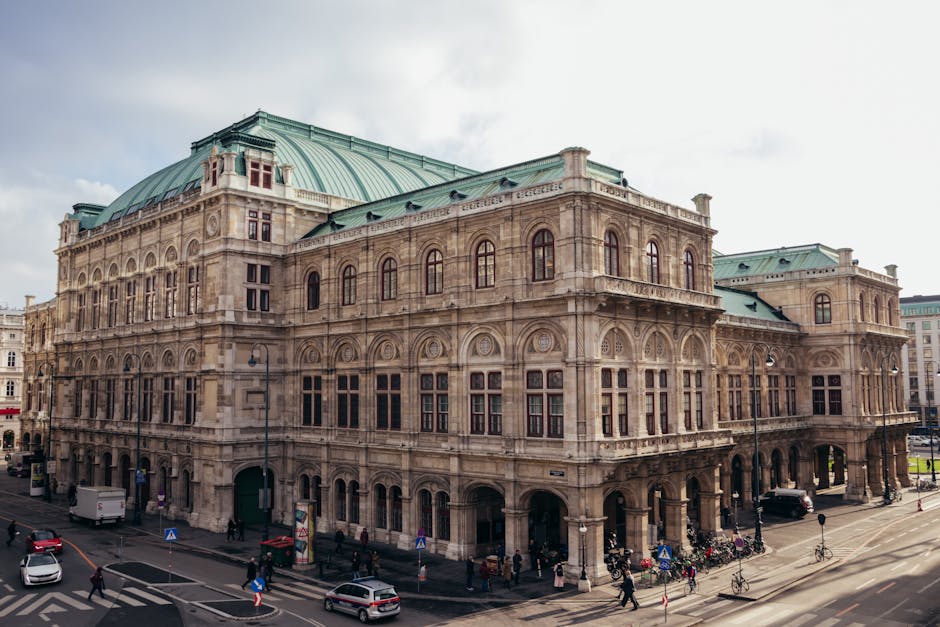
Discover the noir world of The Third Man and Cold War Vienna on this atmospheric self-guided audio walk through the historic Innere Stadt.
 Easy
EasyGdansk, Poland
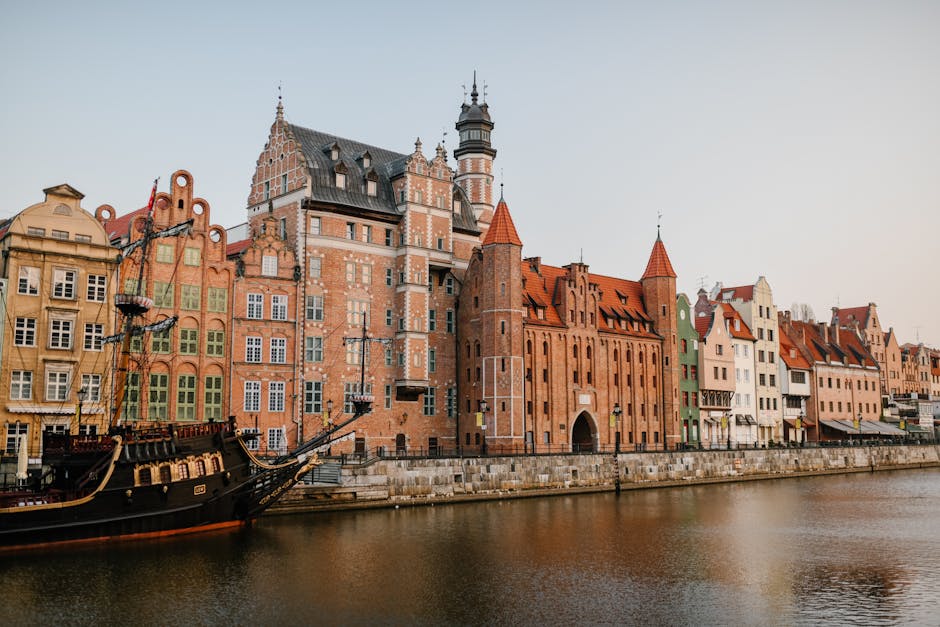
Discover the 'Baltic Gold' on this self-guided walk through Gdansk's historic mills, massive cathedrals, and the magical Mariacka Street.
 Easy
EasyWarsaw, Poland
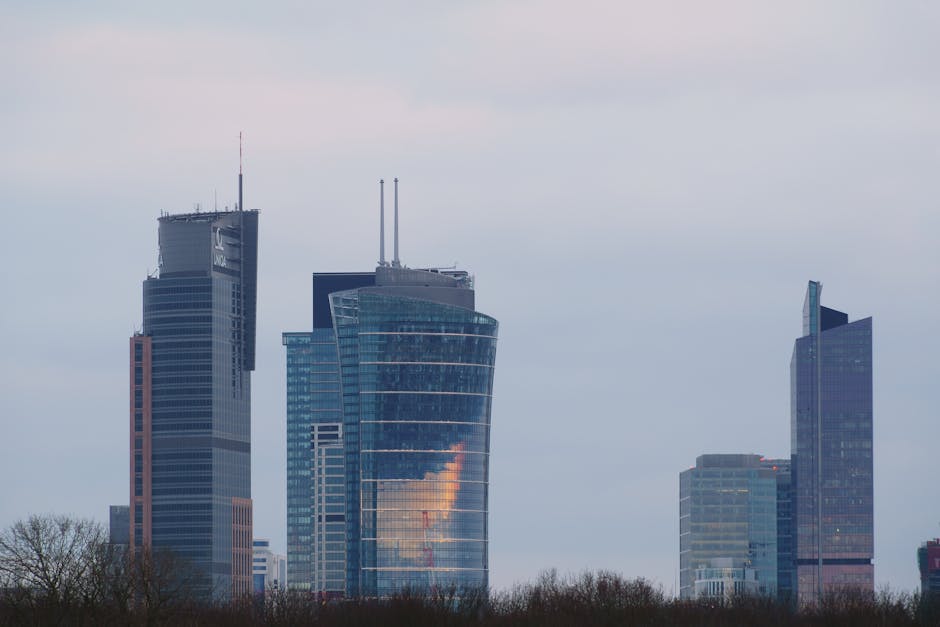
Discover the hidden courtyards and grand pre-war architecture of Warsaw's most atmospheric neighborhood on this self-guided stroll.
 Easy
EasyNairobi, Kenya
Discover Nairobi's iconic skyline on this self-guided architecture walk through the CBD’s most famous modernist and Brutalist landmarks.
 Easy
EasyStockholm, Sweden
Taste your way through Stockholm's premier food halls and historic cafes on this flavor-focused self-guided walk through the city's heart.
 Easy
EasyStockholm, Sweden
Discover Stockholm's naval legacy on this peaceful self-guided walk through historic barracks, grand admiralty houses, and scenic island fortresses.
 Moderate
Stockholm, Sweden
Walk the gritty, atmospheric streets of Södermalm and discover the real-life locations of Stieg Larsson's Millennium trilogy.
 Easy
EasyStockholm, Sweden
Explore the world's longest art gallery on this self-guided walk through Stockholm’s most stunning cavernous subway stations.
