Descend beneath the streets of Stockholm to explore what is frequently hailed as the world’s longest art gallery. This self-guided walk takes you along the Blue Line (Blå Linjen) of the Tunnelbana, where the functional architecture of a transit system meets the visionary imagination of dozens of artists. Unlike many metropolitan subways that hide their structural origins behind tiles and panels, Stockholm’s Blue Line embraces the raw, blasted bedrock of the Scandinavian Shield, creating a series of dramatic, cavernous spaces that serve as a unique canvas for modern art. Your walking route begins at Kungsträdgården, a station that feels like an underground archaeological dig, before moving to the iconic blue vines of T-Centralen. As you travel further from the city center toward the suburbs of Kungsholmen and beyond, you will witness how the art shifts from historical tributes to environmental and social commentary. At Rådhuset, the station appears as a giant subterranean grotto, while Solna Centrum offers a vivid, blood-red sky that tells a story of Sweden’s changing landscape in the 1970s. This neighborhood stroll is not just about transit; it is an immersive experience in Swedish cultural history. Exploring independently allows you to set your own pace, spending as much time as you like capturing photography of the vibrant murals or examining the intricate sculptures embedded in the rock walls. This travel experience highlights the democratic nature of Swedish art—making world-class masterpieces accessible to anyone with a transit ticket. Whether you are an architecture enthusiast or a casual traveler, this walking tour Stockholm provides a deep dive into the creative soul of the city, far removed from the typical tourist trails above ground.
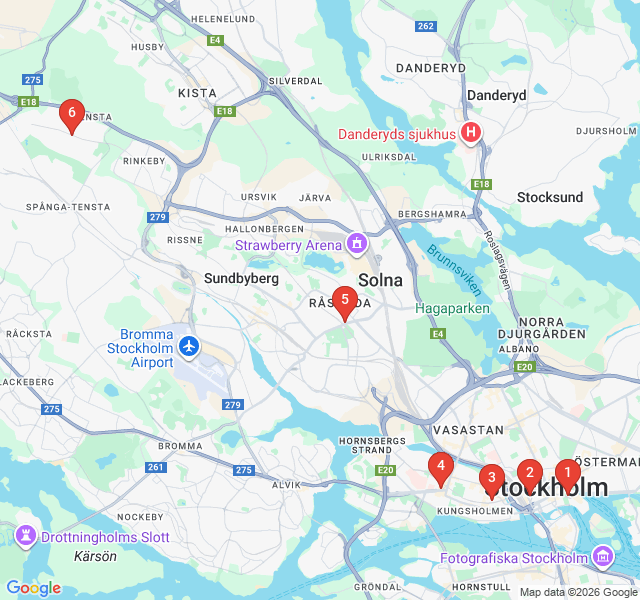
Numbers indicate the order of stops on the tour
Start your self-guided adventure at Kungsträdgården, one of Stockholm's most visually complex stations. Designed by artist Ulrik Samuelson in 1977, the station is a subterranean tribute to the 'Makalös' palace that once stood in the park above. Notice the green, red, and white color scheme—red for the palace's walls, green for the gardens, and white for the marble statues. The station even features genuine archaeological remains, including columns and fragments salvaged from buildings demolished during the redevelopment of central Stockholm. Look closely at the walls; the unique ecosystem here, created by the constant humidity, has even fostered the growth of a rare spider species found nowhere else in the city.
Continue to the heart of the system. While T-Centralen is the busiest hub in Stockholm, the Blue Line platform offers a sanctuary of calm. Artist Per Olov Ultvedt chose a soothing blue and white palette to provide a sense of peace for rushing commuters. The giant stylized vines and floral motifs climbing the cavern walls are iconic. If you look at the silhouettes on the walls, you’ll see depictions of the workers who built the station—a tribute to the laborers whose efforts are often forgotten. This station is perhaps the most photographed spot in the entire Tunnelbana, showcasing the perfect marriage of raw geology and delicate design.
As you arrive at Rådhuset, the environment shifts. Named after the Courthouse above, this station is famous for its 'organic' look. The artist, Sigvard Olsson, left the blasted bedrock largely exposed but painted it a warm, earthy pink-brown. The design is meant to evoke an archaeological site where remnants of Stockholm’s past are being unearthed. Look for the quirky details embedded in the walls and ceilings, such as a stack of hay baskets, old-fashioned boots, and even a heavy wooden door that seems to lead into the earth itself. It feels less like a train station and more like a scene from a prehistoric cavern or a fantasy novel.
At Fridhemsplan, the theme transitions to the maritime heritage of the nearby Kungsholmen district. Artist Ingegerd Möller used objects and motifs related to the sea and the Swedish coast. You’ll find glass display cases containing nautical artifacts, including a wooden boat and various items collected from the Baltic Sea. The use of cool tones and natural textures reflects the connection between the city and its surrounding waters. This station serves as a major transfer point, but taking a moment to appreciate the small-scale installations provides a wonderful contrast to the grander, more expansive murals found at other stops on this walking route.
Solna Centrum is one of the most politically charged stations in the city. Created in 1975 by Karl-Olov Björk and Anders Åberg, the station features a bright red sky over a dark green spruce forest. This isn't just a landscape; it’s a social commentary on the rural depopulation and environmental issues facing Sweden during the 1970s. Look for the various vignettes painted along the walls that depict the struggle between industrialization and nature, as well as scenes of traditional Swedish life. The stark red ceiling is meant to represent the sunset of the old rural way of life, creating one of the most visually arresting environments in the world.
Finalize your journey at Tensta, a station that celebrates community and diversity. Artist Helga Henschen spent a year decorating these walls with a series titled 'A Rose for the Immigrants.' Because Tensta is a multicultural neighborhood, the art includes greetings in dozens of languages, alongside paintings of birds, flowers, and animals. The station is designed to feel welcoming and inclusive, resembling a giant, friendly cave filled with folk-art-style illustrations. It serves as a reminder that the subway is a shared space for all residents. Before you head back, take a moment to find the poems and quotes etched into the walls that champion peace and global understanding.
Download Zigway to experience "Subterranean Masterpieces: The Blue Line Art Walk" with AI-powered audio narration. Walk at your own pace while stories unfold around you.
 Easy
EasyStockholm, Sweden
Taste your way through Stockholm's premier food halls and historic cafes on this flavor-focused self-guided walk through the city's heart.
 Easy
EasyStockholm, Sweden
Discover Stockholm's naval legacy on this peaceful self-guided walk through historic barracks, grand admiralty houses, and scenic island fortresses.
 Moderate
Stockholm, Sweden
Walk the gritty, atmospheric streets of Södermalm and discover the real-life locations of Stieg Larsson's Millennium trilogy.
 Easy
EasyStockholm, Sweden
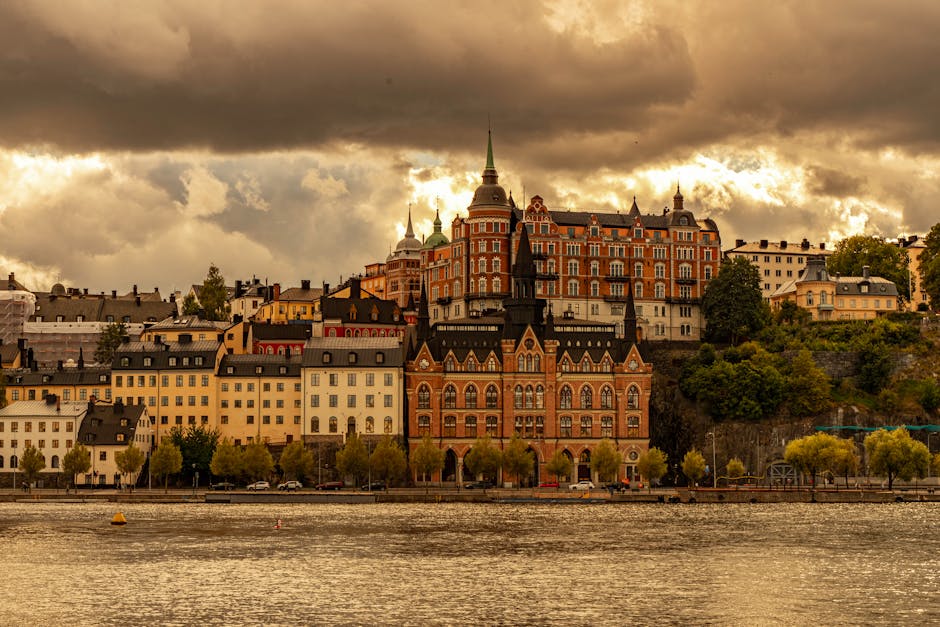
Discover Stockholm's bold modern transformation through the glass facades and iconic skyscrapers of the Norrmalm district.
 Easy
EasyGdansk, Poland
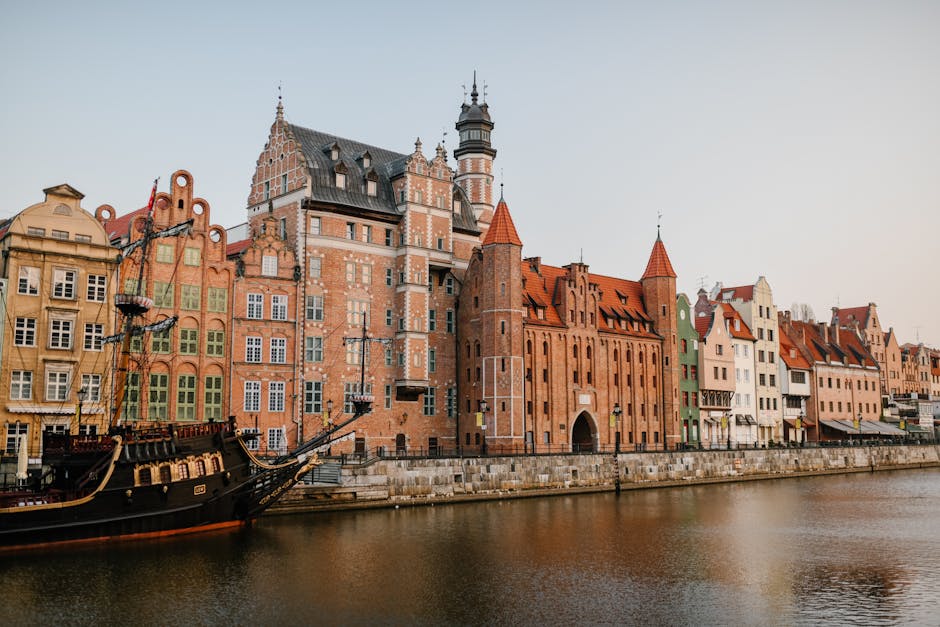
Discover the 'Baltic Gold' on this self-guided walk through Gdansk's historic mills, massive cathedrals, and the magical Mariacka Street.
 Easy
EasyWarsaw, Poland
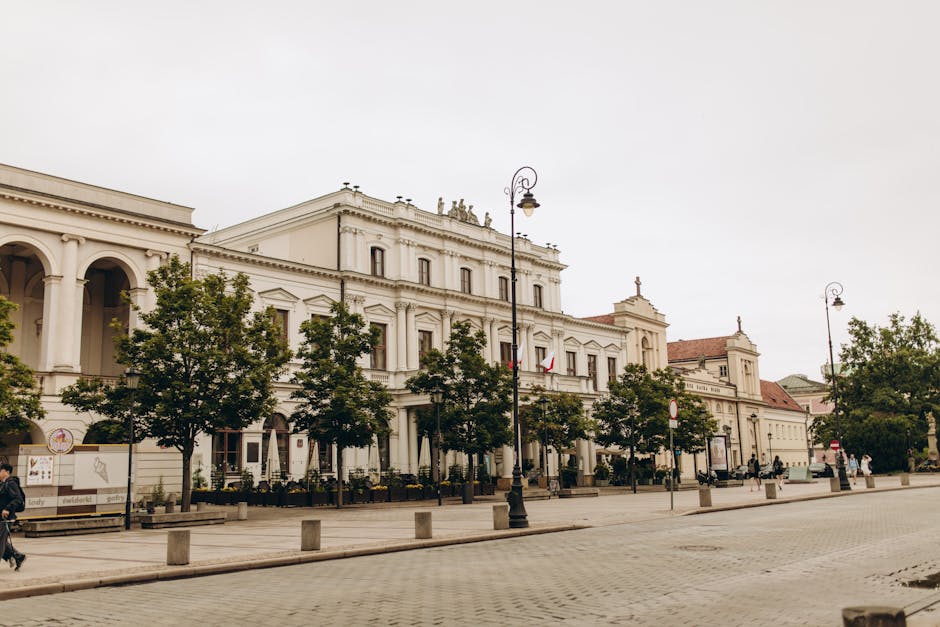
Explore Warsaw's scenic riverfront, rooftop gardens, and industrial-chic architecture on this self-guided stroll through the Powiśle district.
 Easy
EasyWarsaw, Poland
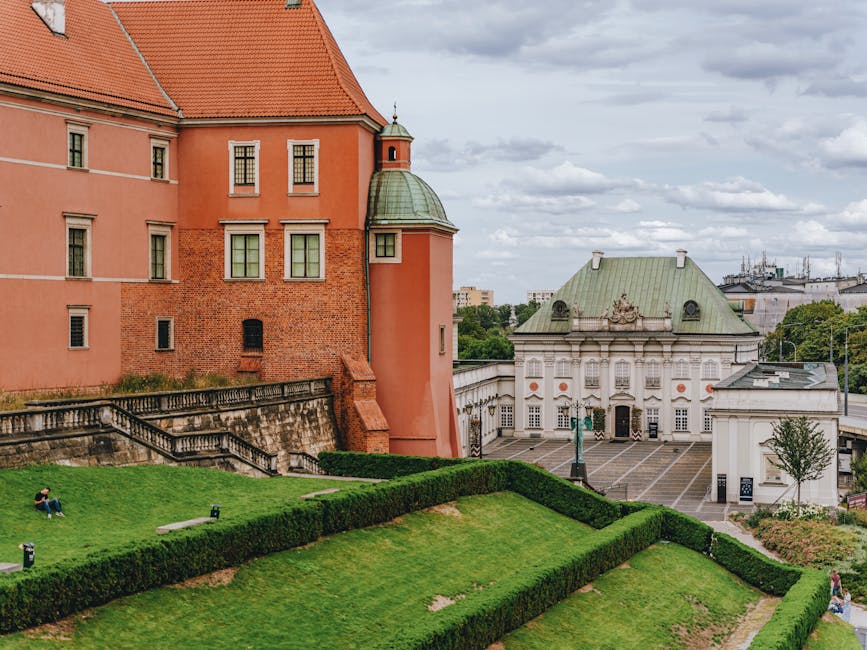
Explore the miracle of Warsaw's reconstructed Old Town on this self-guided walk through royal squares, medieval walls, and heroic monuments.
 Easy
EasyGothenburg, Sweden
Explore Gothenburg's elegant academic district, featuring grand 19th-century stone architecture and the iconic cultural hub of Götaplatsen.
 Easy
EasyGothenburg, Sweden
Discover Gothenburg’s maritime flavors on this self-guided walk through historic market halls and iconic seafood landmarks.
 Moderate
Gothenburg, Sweden
Discover Gothenburg’s maritime soul on this self-guided walk from the historic Central Station to the scenic riverfront at Stenpiren.
EasyGothenburg, Sweden
Explore Gothenburg's elegant academic district, featuring grand 19th-century stone architecture and the iconic cultural hub of Götaplatsen.
 Easy
EasyGothenburg, Sweden
Explore Gothenburg’s historic wooden houses, legendary giant cinnamon buns, and panoramic fortress views on this self-guided neighborhood stroll.
