Step into a world where glass meets concrete and history blends with futuristic ambition. This self-guided walk through Norrmalm reveals the dramatic transformation of Stockholm's city center during the mid-20th century. Known as the 'Norrmalm Regulation,' this massive urban renewal project saw the demolition of hundreds of historic buildings to make way for a vision of a modern, efficient, and transparent city. As you explore this walking route, you will witness the architectural shift from the neoclassical grandeur of the early 1900s to the bold, functionalist lines of the 1960s. The journey begins at the Stockholm City Theatre, a glass-walled masterpiece designed to be the city's 'living room,' and takes you through the geometric wonders of Sergels torg. You will see how Swedish architects looked toward New York for inspiration when creating the King’s Towers and how they embraced the Nobel legacy at the Blue Concert Hall. This neighborhood stroll is more than just a look at buildings; it is an exploration of the Swedish social project, where architecture was used to reflect democratic values and progress. From the subterranean atmosphere of the Brunkeberg Tunnel to the soaring heights of Sweden's first skyscrapers, this audio walk offers a deep dive into the soul of modern Stockholm. It is a perfect choice for those interested in urban design and the evolution of a capital city. Discover the stories behind the five skyscrapers of Hötorget and the controversial history of the city's most famous sunken plaza at your own pace.
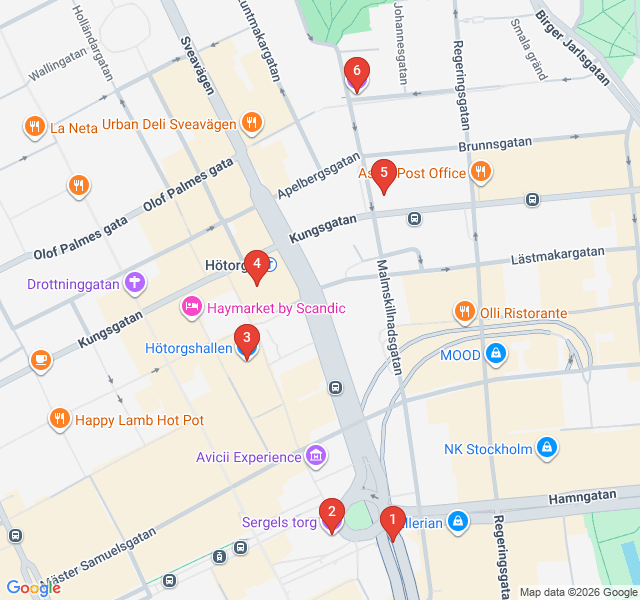
Numbers indicate the order of stops on the tour
Begin your self-guided adventure at Kulturhuset, the House of Culture. Designed by architect Peter Celsing and completed in 1974, this building is the ultimate symbol of Stockholm's modern era. Look at the massive glass facade; the idea was to create a 'street room' where the activities inside are visible to everyone outside, emphasizing transparency and democracy. It was built on the site of old residential blocks that were cleared away during the 1950s. Today, it remains a vibrant hub for art, literature, and performance, truly living up to its original goal of being a public living room for the people of Stockholm.
Just outside Kulturhuset lies Sergels torg, the most famous plaza in Sweden. Notice the striking black-and-white triangular pattern of the pavement—a hallmark of 1960s graphic design. In the center stands the 'Kristallvertikalaccent,' a 37-meter-tall glass obelisk that glows at night. This plaza was the centerpiece of the city's transformation, designed as a multi-level traffic and pedestrian hub. While it was once controversial for its stark concrete aesthetic, it has become the city's primary gathering spot for celebrations and demonstrations, representing the heart of the modern Swedish state.
As you walk toward the five high-rise buildings known as the Hötorgsskraporna, you'll find Hötorgshallen. These five towers, often called the 'five trumpet blasts,' were intended to signal the arrival of a new, modern era. They were inspired by the Lever House in New York and were revolutionary for Sweden at the time. Below the surface, Hötorgshallen is a bustling food market with a history dating back to the 1880s, though the current structure is a product of the 1950s redevelopment. It is a fantastic place to witness the international flavors that have become part of Stockholm's modern identity.
Standing in contrast to the glass towers is the bright blue Stockholm Concert Hall, or Konserthuset. Designed by Ivar Tengbom in the 1920s, it is a masterpiece of Swedish Grace, a style of neoclassical architecture. This is where the Nobel Prizes in Physics, Chemistry, Medicine, and Literature are awarded every December 10th. Take a moment to look at the Orpheus Fountain in front of the building, created by Carl Milles. The hall was placed here to anchor the square, providing a sense of cultural weight to the commercial bustle of the surrounding market.
Look up at the twin towers flanking Kungsgatan—the North and South Kungstornen. Built in the 1920s, these were Sweden's first true skyscrapers. At the time, Stockholm's planners were obsessed with American urbanism, and these towers were designed to create a 'canyon' effect similar to Lower Manhattan. The North Tower is decorated with neoclassical statues, while the South Tower features more modern, streamlined details. For decades, they were the tallest buildings in the city, serving as a symbolic gateway into the commercial heart of Stockholm.
This walking route concludes at a hidden gem of engineering: the Brunkeberg Tunnel. Opened in 1886, this 231-meter-long pedestrian tunnel cuts directly through the massive Brunkeberg Esker, a glacial ridge that divides Norrmalm. It was a massive undertaking at the time, requiring innovative freezing techniques to stabilize the sand and gravel. Walking through its yellow-tiled interior feels like stepping into a different dimension, away from the traffic of the city above. It remains one of the most atmospheric and photographed passageways in Stockholm, connecting the modern city center back to its geological roots.
Download Zigway to experience "Modernism and Glass: The Transformation of Norrmalm" with AI-powered audio narration. Walk at your own pace while stories unfold around you.
 Easy
EasyStockholm, Sweden
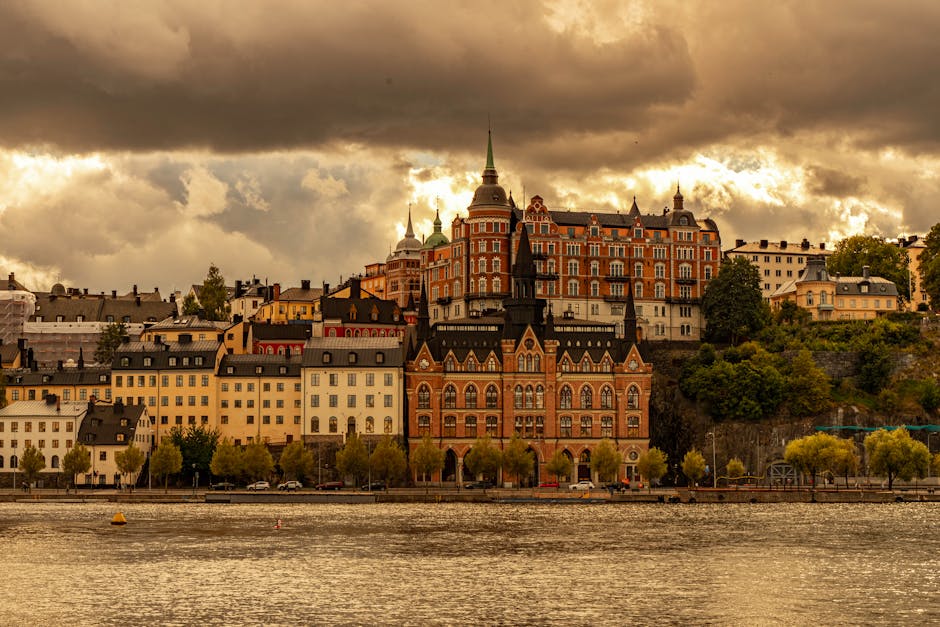
Taste your way through Stockholm's premier food halls and historic cafes on this flavor-focused self-guided walk through the city's heart.
 Easy
EasyStockholm, Sweden
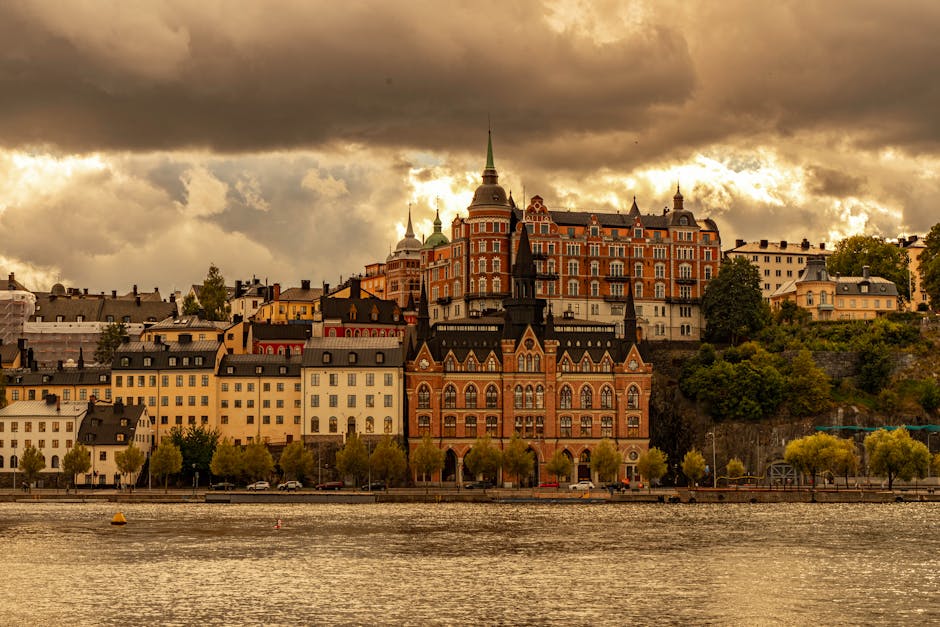
Discover Stockholm's naval legacy on this peaceful self-guided walk through historic barracks, grand admiralty houses, and scenic island fortresses.
 Moderate
Stockholm, Sweden
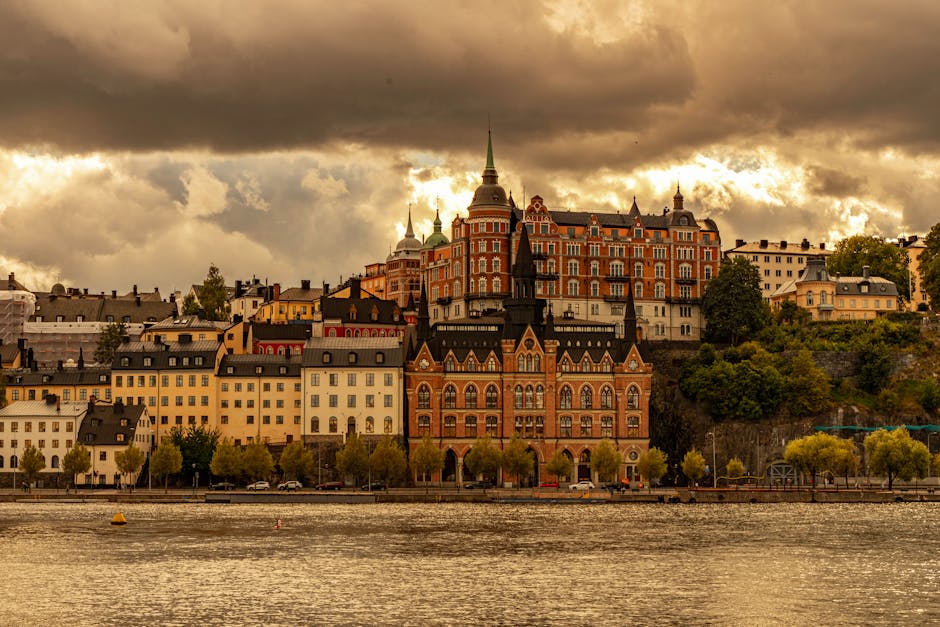
Walk the gritty, atmospheric streets of Södermalm and discover the real-life locations of Stieg Larsson's Millennium trilogy.
 Easy
EasyStockholm, Sweden
Explore the world's longest art gallery on this self-guided walk through Stockholm’s most stunning cavernous subway stations.
 Easy
EasyNairobi, Kenya
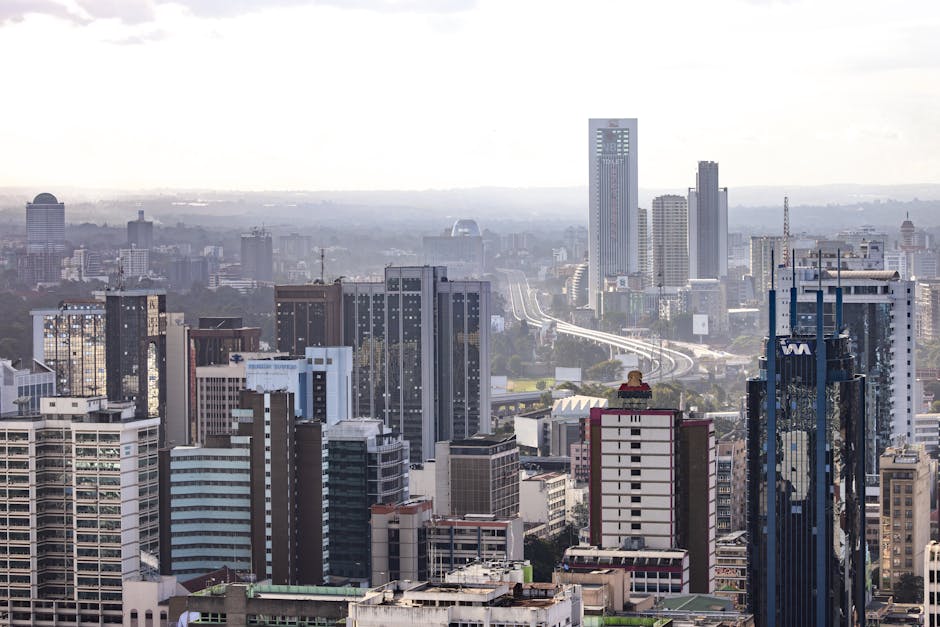
Discover Nairobi's iconic skyline on this self-guided architecture walk through the CBD’s most famous modernist and Brutalist landmarks.
 Easy
EasyWarsaw, Poland
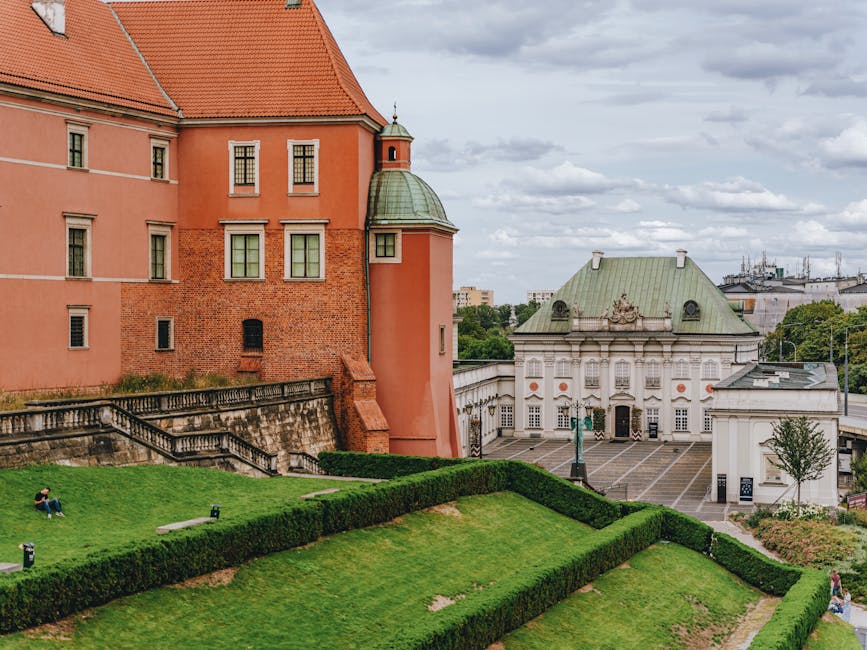
Explore the miracle of Warsaw's reconstructed Old Town on this self-guided walk through royal squares, medieval walls, and heroic monuments.
 Easy
EasyGothenburg, Sweden
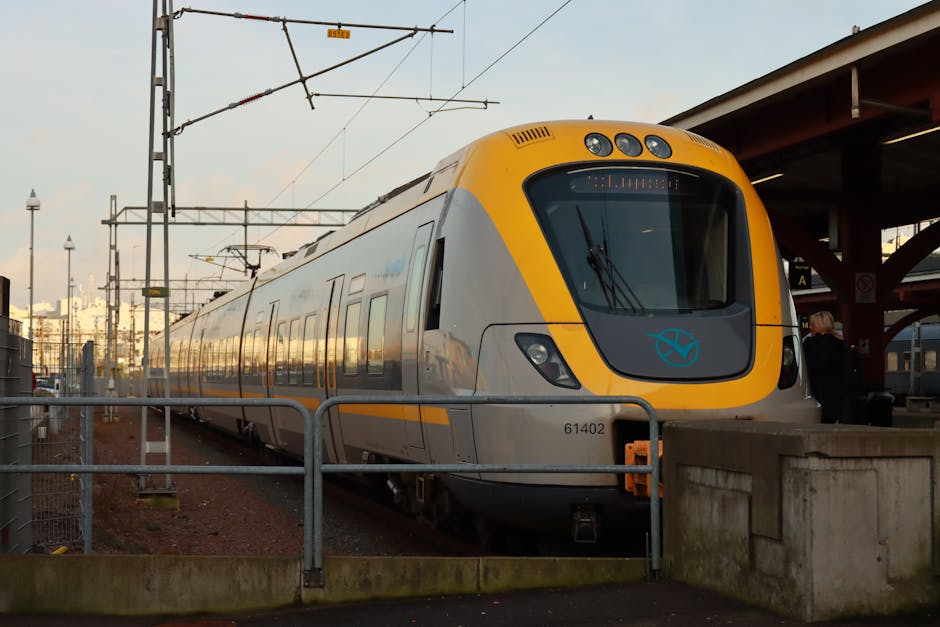
Discover Gothenburg’s 17th-century Dutch foundations, historic canals, and military fortifications on this self-guided architectural walk.
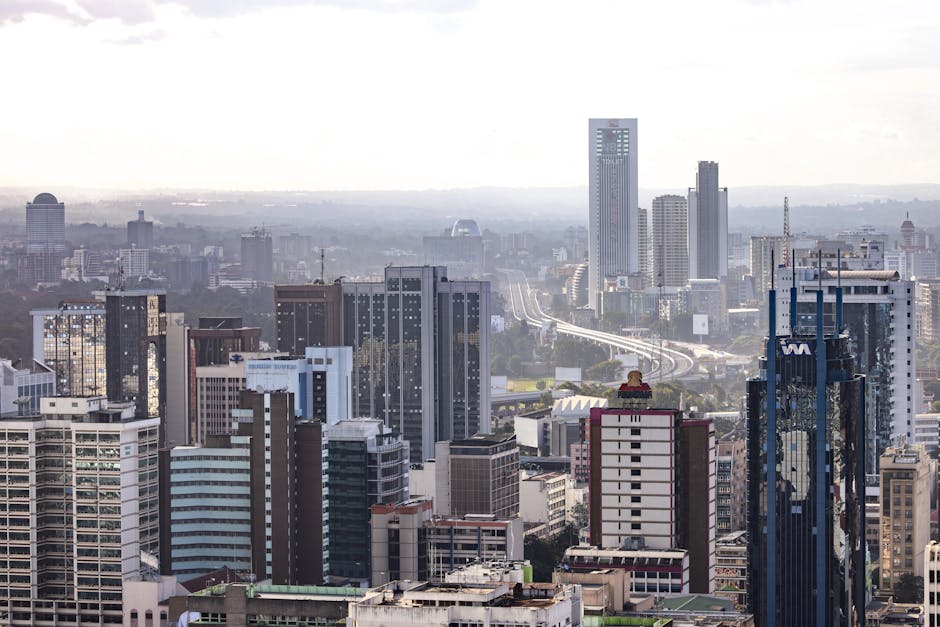 Easy
EasyNairobi, Kenya
Explore Nairobi's architectural evolution from colonial-era landmarks to iconic Brutalist skyscrapers on this historic self-guided walking route.
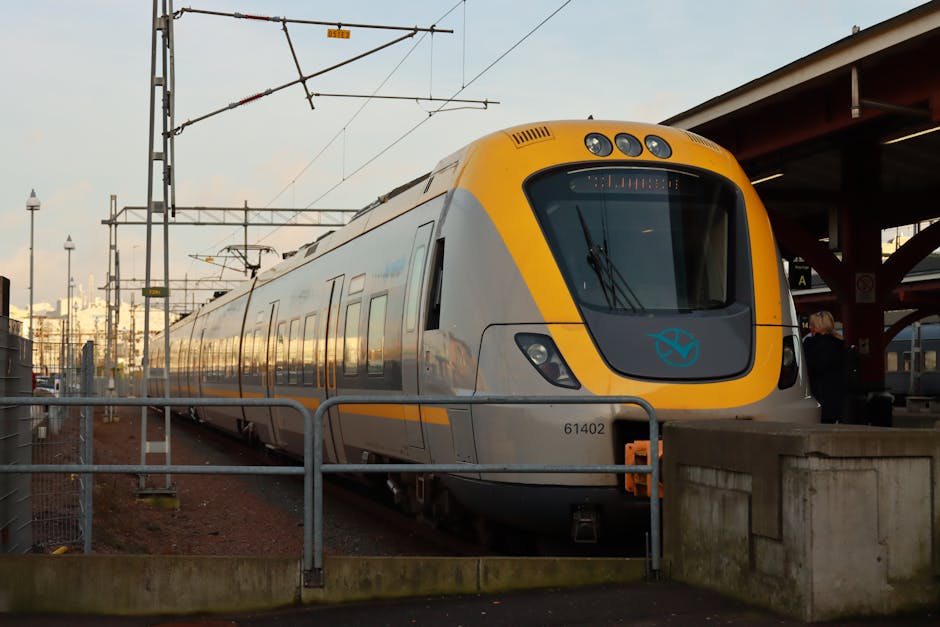 Easy
EasyGothenburg, Sweden
Discover Gothenburg’s maritime flavors on this self-guided walk through historic market halls and iconic seafood landmarks.
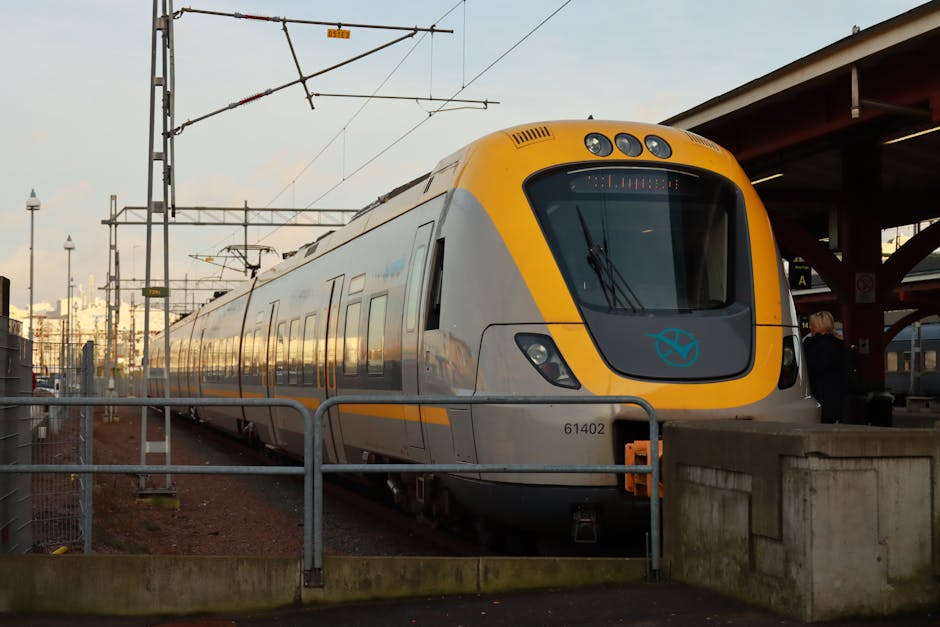 Moderate
Gothenburg, Sweden
Discover Gothenburg’s maritime soul on this self-guided walk from the historic Central Station to the scenic riverfront at Stenpiren.
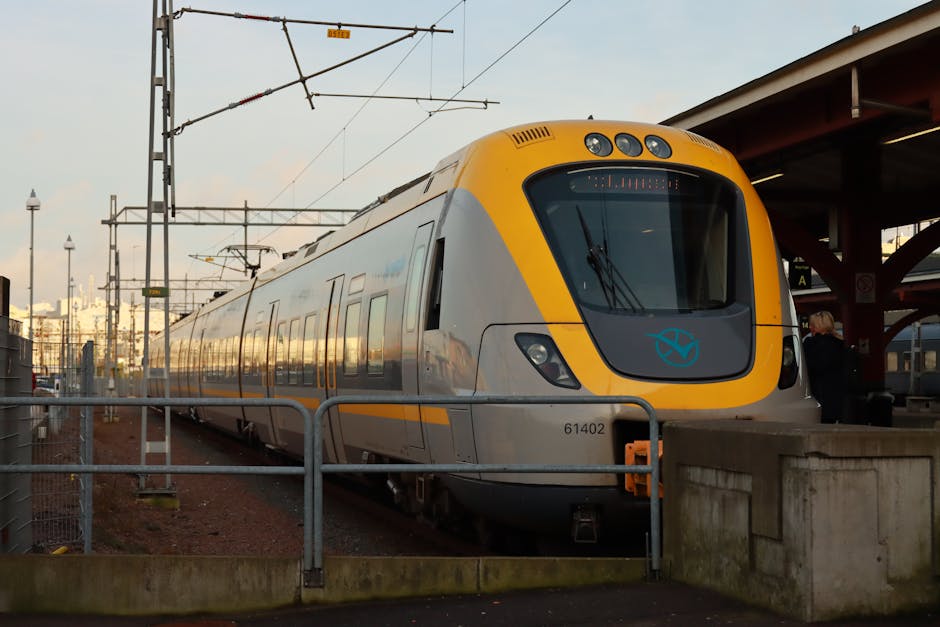 Easy
EasyGothenburg, Sweden
Explore Gothenburg's elegant academic district, featuring grand 19th-century stone architecture and the iconic cultural hub of Götaplatsen.
 Easy
EasyGothenburg, Sweden
Explore Gothenburg’s historic wooden houses, legendary giant cinnamon buns, and panoramic fortress views on this self-guided neighborhood stroll.
