Perched high above the confluence of the Saône and Rhône rivers, the Fourvière hill is known as the 'Hill that Prays.' This self-guided walk invites you to explore the very foundation of Lyon, spanning two millennia of human history. From the grandeur of 19th-century religious architecture to the remarkably preserved remnants of the Roman city of Lugdunum, this route offers a profound look at how faith and power have shaped the city’s skyline. Your journey begins at the summit, where the white stone of the Basilica of Notre-Dame de Fourvière glimmers against the sky, before winding through tranquil gardens and ancient stone theaters that once echoed with the voices of Roman citizens. On this walking route, you will discover why Lyon is a UNESCO World Heritage site. Unlike a standard walking tour Lyon offers elsewhere, this path focuses on the verticality of the city, transitioning from the 'heavenly' heights of the basilica to the archaeological 'depths' of the Roman theaters. You’ll encounter the Metallic Tower, a structure that rivals the Eiffel Tower in height relative to the city below, and stroll along the Passerelle des Quatre Vents, a former viaduct that now serves as a peaceful park with sweeping views. The experience culminates in a hidden garden that offers perhaps the most poetic panoramic view of the red-tiled roofs of the old town. This neighborhood stroll is perfect for those who want to understand the dual identity of Lyon: a city that looks toward the future while standing firmly on its imperial Roman roots. Whether you are a history buff or a photography enthusiast, this audio walk provides the context and stories needed to bring these silent stones to life at your own pace.
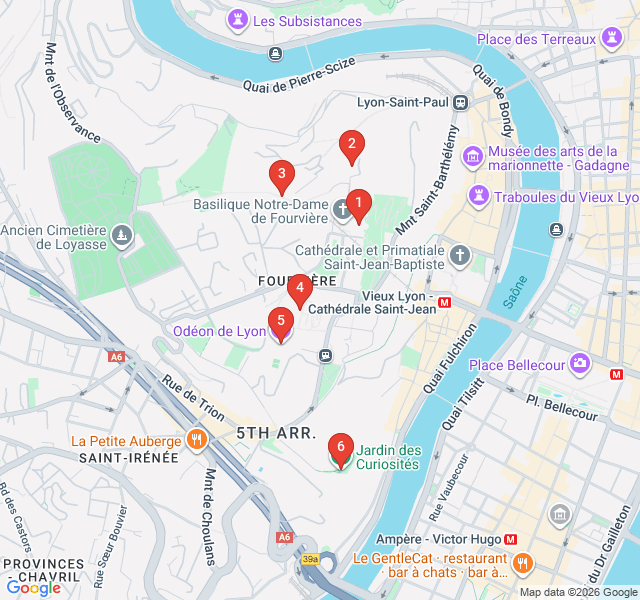
Numbers indicate the order of stops on the tour
Standing atop the hill, this basilica is the undisputed symbol of Lyon. Built between 1872 and 1884, it was funded by private donations to fulfill a vow made during the Franco-Prussian War. Locals often call it the 'upside-down elephant' because of its four heavy corner towers and rounded body. While the exterior is a mix of Romanesque and Byzantine styles, the interior is a masterclass in 19th-century maximalism. Take a moment to look at the intricate mosaics and stained glass that depict the history of France and the city's devotion to the Virgin Mary. The basilica was intended to demonstrate the power of the church in an era of rising secularism, and its position ensures it is visible from almost anywhere in the city below.
Just a short walk from the basilica stands the Tour Métallique, a structure that often confuses visitors. Built in 1894, it was a private initiative intended to be a secular landmark to rival the religious dominance of the basilica next door. Standing at 85 meters tall, its summit is actually higher than the Eiffel Tower in Paris because of the hill's elevation. Originally, it housed a restaurant and a hydraulic elevator for tourists, but today it serves as a television and radio transmitter and is closed to the public. It remains a striking piece of 19th-century ironwork and a reminder of the historical rivalry between the church and the state in French society.
This peaceful walkway, translated as the 'Bridge of the Four Winds,' offers a moment of tranquility away from the tourist crowds. It was originally built as a viaduct for a funeral tramway that carried coffins from the city up to the nearby Loyasse Cemetery. Today, the tracks are gone, replaced by a lush, landscaped path that feels like a garden in the sky. As you walk along this elevated route, look through the trees for unique glimpses of the Saône river and the rooftops of the Croix-Rousse district. It is a favorite spot for local joggers and those seeking a quiet vantage point over the urban sprawl.
You are now standing in the heart of Lugdunum, the capital of the Roman province of Gallia Lugdunensis. This Great Theater is one of the oldest in France, dating back to 15 BC. In its prime, it could hold 10,000 spectators who came to watch comedies and tragedies. What makes this site remarkable is its state of preservation; you can still see the remains of the stage wall and the semicircular seating area built directly into the hillside. Every summer, the theater returns to its original purpose during the Nuits de Fourvière festival, hosting concerts and plays under the stars, proving that Roman engineering remains functional even after two thousand years.
Right next to the Great Theater is its smaller, more sophisticated sibling: the Odeon. With a capacity of about 3,000, this smaller theater was designed for more intimate performances, such as poetry readings and musical competitions. Only the elite of Roman society were typically invited here. If you look closely at the floor of the orchestra pit, you can still see fragments of rare, multicolored marble imported from across the Roman Empire, including green porphyry from Greece and red marble from Egypt. This level of luxury indicates the immense wealth and importance of Lyon during the reign of Hadrian. It is one of only two such theater-odeon pairings in all of Gaul.
To conclude your journey, step into this hidden gem of a park. The Jardin des Curiosités was a gift from the city of Montreal to Lyon in 2000 to mark the 20th anniversary of their twinning. It is tucked away at the end of a quiet street and features six peculiar metal chairs fixed to the ground, each inscribed with poetic phrases. This is perhaps the best spot in the city to watch the light change over Lyon. From here, you can see the distinct 'Pencil' and 'Oxygène' skyscrapers in Part-Dieu, the historic Saint-Jean Cathedral, and the winding Saône. It is a place for reflection, perfectly bridging the gap between the ancient ruins you've just seen and the modern city below.
Download Zigway to experience "Roman Ruins to Heavenly Heights" with AI-powered audio narration. Walk at your own pace while stories unfold around you.
 Easy
EasyLyon, France
Discover Lyon's culinary soul on this self-guided walk from historic Presqu'île to the legendary Halles Paul Bocuse food market.
 Easy
EasyLyon, France
Explore Lyon’s futuristic waterfront! A self-guided walk through Confluence’s bold architecture and reclaimed industrial docks.
 Easy
EasyLyon, France
Discover the multicultural soul and industrial heritage of Lyon's 7th arrondissement on this vibrant self-guided walking route.
 Easy
EasyLyon, France
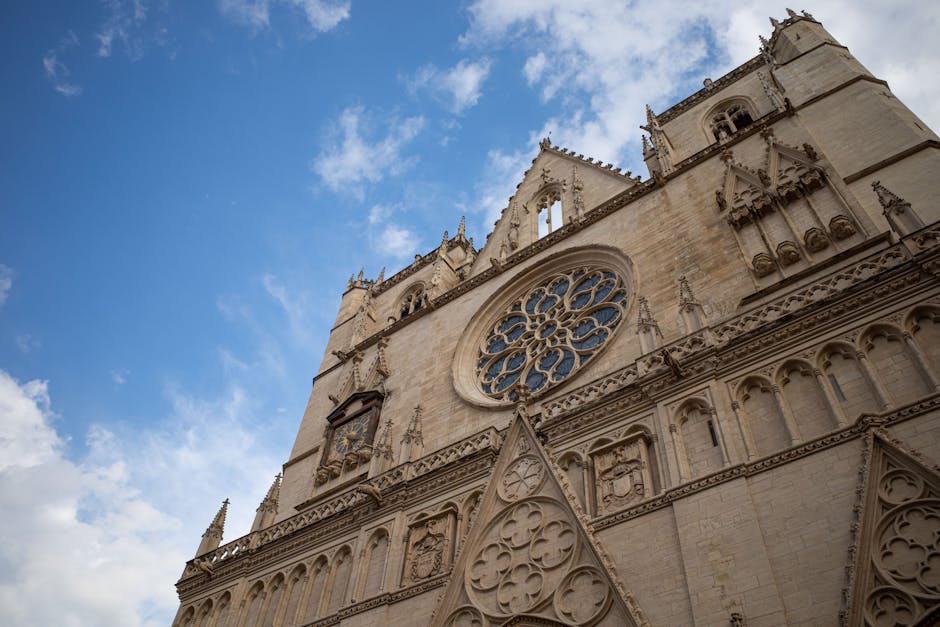
Discover the 19th-century elegance of Lyon's Presqu'île on this self-guided walk through grand squares and architectural gems.
 Moderate
Gothenburg, Sweden
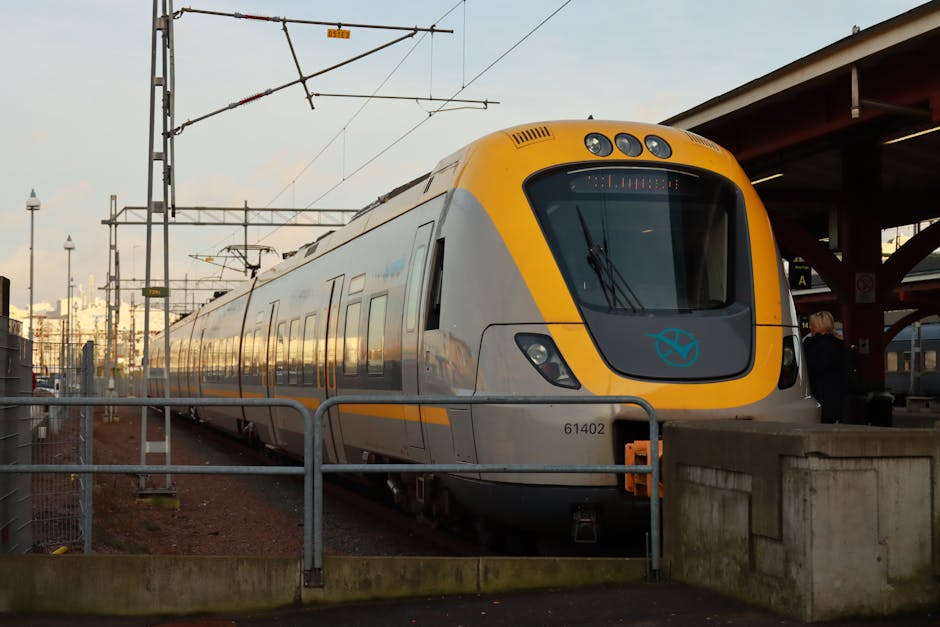
Discover Gothenburg’s maritime soul on this self-guided walk from the historic Central Station to the scenic riverfront at Stenpiren.
 Moderate
Vienna, Austria
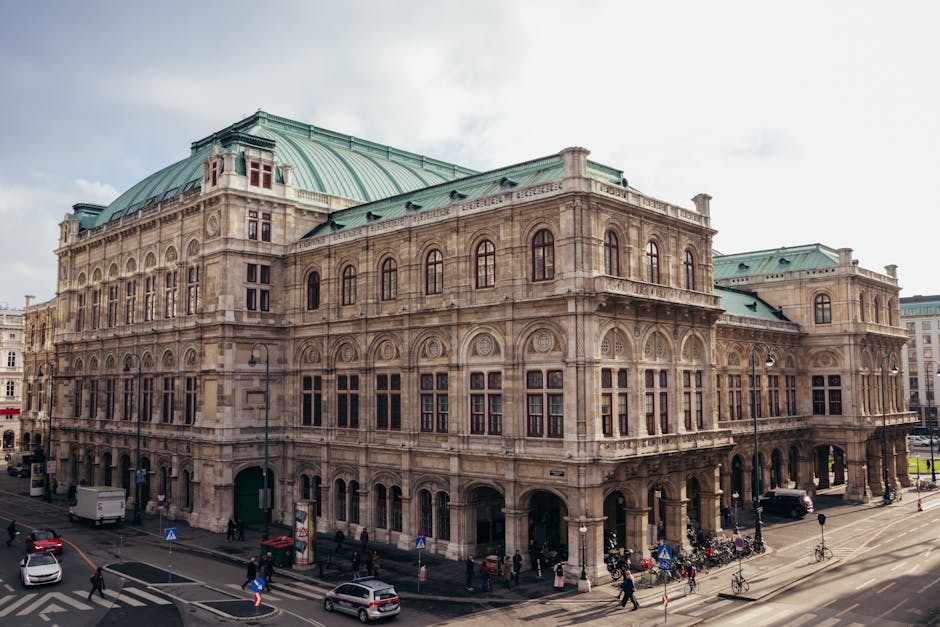
Follow the footsteps of Mozart and Strauss through Vienna’s historic center on this self-guided walk through the city's rich musical history.
 Moderate
Warsaw, Poland
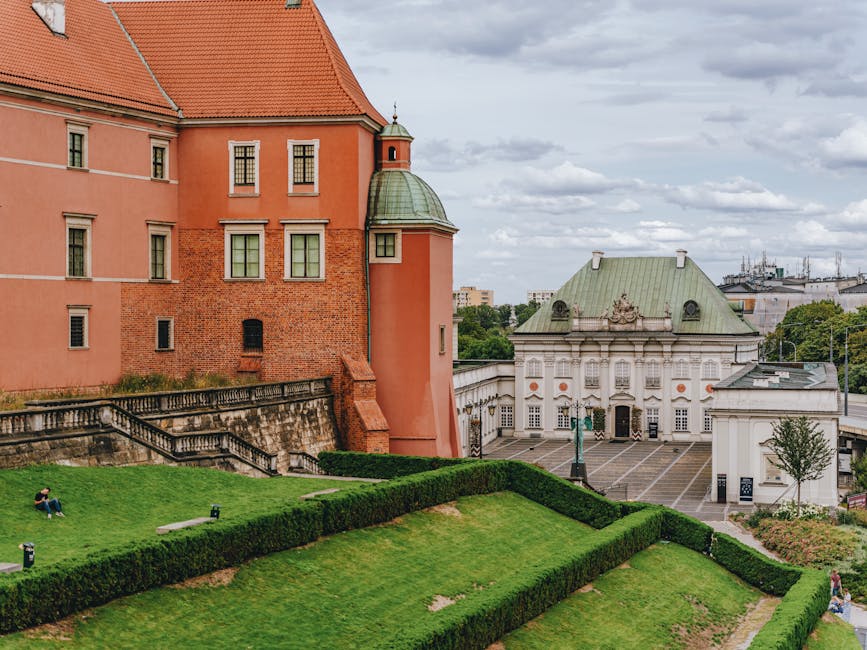
Explore the resilient spirit of Warsaw's Muranów district on this self-guided walk through the history and landmarks of the former Jewish Ghetto.
 Easy
EasyNairobi, Kenya
Discover Nairobi's iconic skyline on this self-guided architecture walk through the CBD’s most famous modernist and Brutalist landmarks.
 Challenging
Paris, France
Explore the secret vineyards, legendary artist studios, and hidden squares of Paris's iconic hilltop on this self-guided bohemian walking route.
 Easy
EasyParis, France
Explore the evolution of Parisian design from Art Nouveau whimsy to Le Corbusier's Modernist masterpieces on this self-guided architectural walk.
 Easy
EasyParis, France
Explore the flavors and history of Bastille on this self-guided walk through the legendary Aligre Market and the scenic Coulée Verte.
 Easy
EasyParis, France
Discover aristocratic mansions, secret medieval courtyards, and royal history on this self-guided walk through the enchanting Marais district.
