Nice is often celebrated for its azure waters and Italianate charm, but a deeper layer of history awaits those who look beyond the Promenade des Anglais. This self-guided walk explores the Russian Heritage Trail, a journey through the Gambetta neighborhood and beyond, where the legacy of the Romanovs and the Russian nobility remains etched into the city's skyline. In the mid-19th century, Nice became a sanctuary for the Russian elite, who sought the healing Mediterranean air and a glamorous winter retreat. This influence transformed the architectural landscape, leaving behind some of the most stunning examples of Byzantine and Russian Revival styles outside of Russia. As you embark on this neighborhood stroll, you will encounter the breathtaking Saint Nicholas Cathedral, an icon of the city with its vibrant onion domes and intricate mosaics. The route also introduces you to the tragic story of Tsarevich Nicholas Alexandrovich, whose passing in Nice forever linked the Russian Imperial family to this coastal gem. Beyond the grand religious monuments, this walking route delves into the broader Eastern European and Mediterranean connections that define Nice’s cosmopolitan identity. From the peaceful Jardin de l'Arménie to the architectural grandeur of Masséna High School, you'll see how various cultures have woven their stories into the fabric of the French Riviera. The stroll concludes with a visit to the hills of Mont Boron, where the elite once built their sprawling estates to overlook the Baie des Anges. This audio walk is perfect for history enthusiasts and architecture lovers who want to discover at their own pace. Whether you are a first-time visitor or a repeat traveler, exploring Nice through its Russian heritage offers a unique perspective on how a sleepy coastal town became a playground for emperors and artists alike.
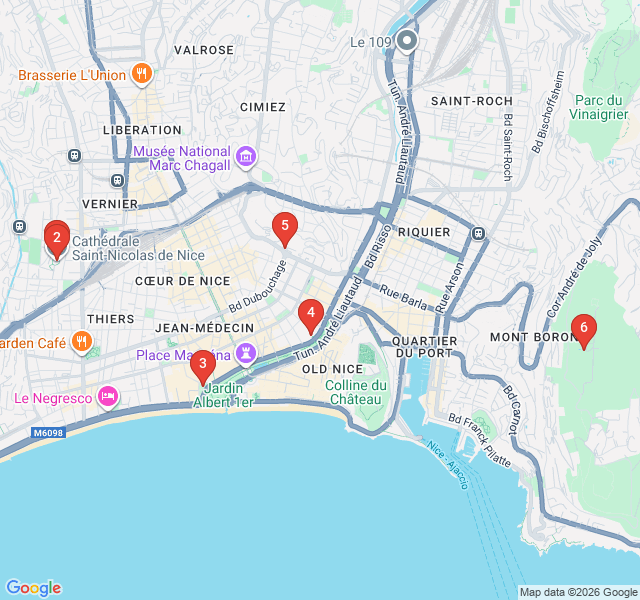
Numbers indicate the order of stops on the tour
Our self-guided adventure begins at the statue of Tsarevich Nicholas Alexandrovich. This monument marks a pivotal moment in the history of Nice. In 1865, the young heir to the Russian throne passed away at the nearby Villa Bermond after a long illness. His death deeply moved the city and the Russian Imperial family. His father, Tsar Alexander II, purchased the land where the villa stood to build a memorial chapel in his son's honor. This act effectively established a permanent Russian presence in Nice. As you look at the statue, consider how the grief of an Emperor transformed this Mediterranean hillside into a piece of Russian soil, setting the stage for the magnificent cathedral that now stands behind it.
Before you stands the Cathédrale Saint-Nicolas, arguably the most beautiful Russian Orthodox church outside of Russia. Completed in 1912 under the patronage of Tsar Nicholas II, it is a masterpiece of the Russian Revival style. Notice the five emerald-green onion domes and the intricate brickwork combined with turquoise tiles. The cathedral was designed to accommodate the growing Russian community who spent their winters on the Riviera. Inside, the atmosphere is heavy with the scent of incense and the glow of hundreds of icons. It remains a national monument of France and a living place of worship, symbolizing the deep cultural bond between the two nations that flourished during the Belle Époque.
Continuing our neighborhood stroll toward the coast, we reach the Jardin de l'Arménie. This peaceful green space serves as a bridge between the Russian influence we've just seen and the broader Eastern Christian heritage in Nice. The garden is a memorial to the Armenian people and their long-standing community in the city. It offers a moment of reflection amidst the bustle of the Gambetta district. Notice the 'Khatchkar' or Armenian cross-stone, a traditional hand-carved monument. This stop highlights how Nice has historically been a refuge and a home for various Eastern communities, each contributing to the city's rich, multicultural tapestry that extends far beyond its French and Italian roots.
We now move toward the heart of the city to admire the Lycée Masséna. While primarily an educational institution, its architecture is a grand example of the era when Nice was reinventing itself as a world-class destination. Built in the late 18th century and expanded during the height of the Russian aristocratic influx, its elegant clock tower and classical facade represent the intellectual and social ambitions of the time. Many children of the European elite, including those from prominent Russian families, were influenced by the academic culture centered around this area. It stands as a reminder that the heritage of Nice is built on a foundation of international exchange and architectural ambition.
A short walk brings us to the Greek Orthodox Church of Saint-Spyridon. While the Russian Cathedral is the most famous, this church represents the diversity of the Orthodox faith in Nice. Built in the mid-20th century, it serves the Greek community that has been part of the French Riviera's fabric for decades. The architecture is more modest than its Russian counterpart but equally significant in its cultural role. The presence of multiple Orthodox churches within walking distance of each other illustrates how Nice became a spiritual hub for those coming from Eastern Europe and the Levant, seeking both the sun and a familiar place of worship.
To conclude our walking route, we ascend toward Parc du Mont Boron. This hill was the preferred location for the most eccentric and grand villas built by foreign nobility. From here, you can look back across the city and see the domes of the cathedral you visited earlier. Many wealthy Russians commissioned estates on these slopes to enjoy the panoramic views of the Villefranche bay and the Baie des Anges. One of the most famous landmarks nearby is the 'Château de l'Anglais,' a pink, neo-Gothic fantasy that epitomizes the architectural freedom of the 19th century. Enjoy the Mediterranean breeze and the stunning vistas as you reflect on the imperial legacy that shaped the skyline of Nice.
Download Zigway to experience "The Russian Heritage Trail" with AI-powered audio narration. Walk at your own pace while stories unfold around you.
 Moderate
Nice, France
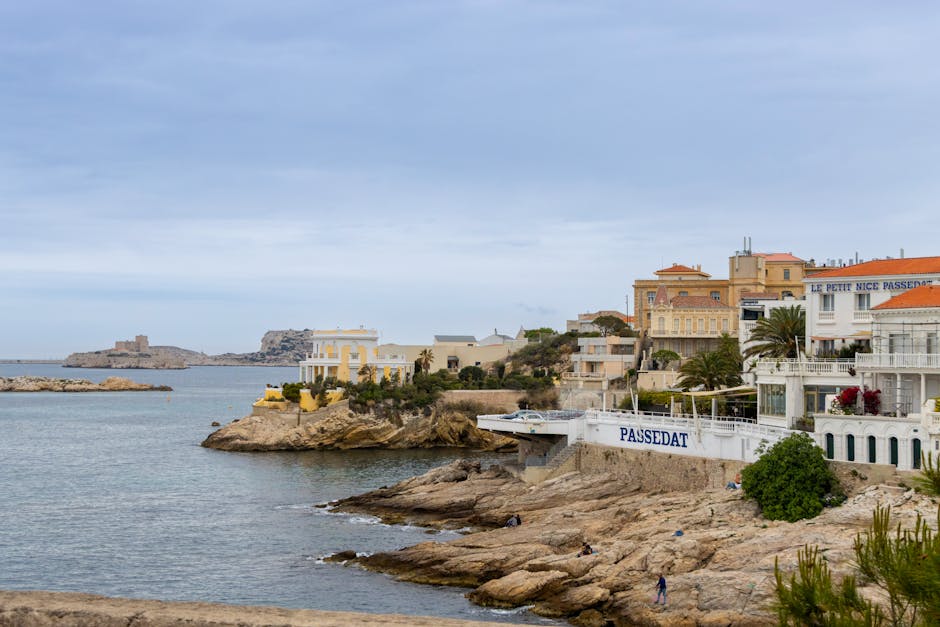
Ascend Nice's historic 'Castle Hill' for stunning Mediterranean views, hidden ruins, and a cooling waterfall on this scenic self-guided walk.
 Easy
EasyNice, France
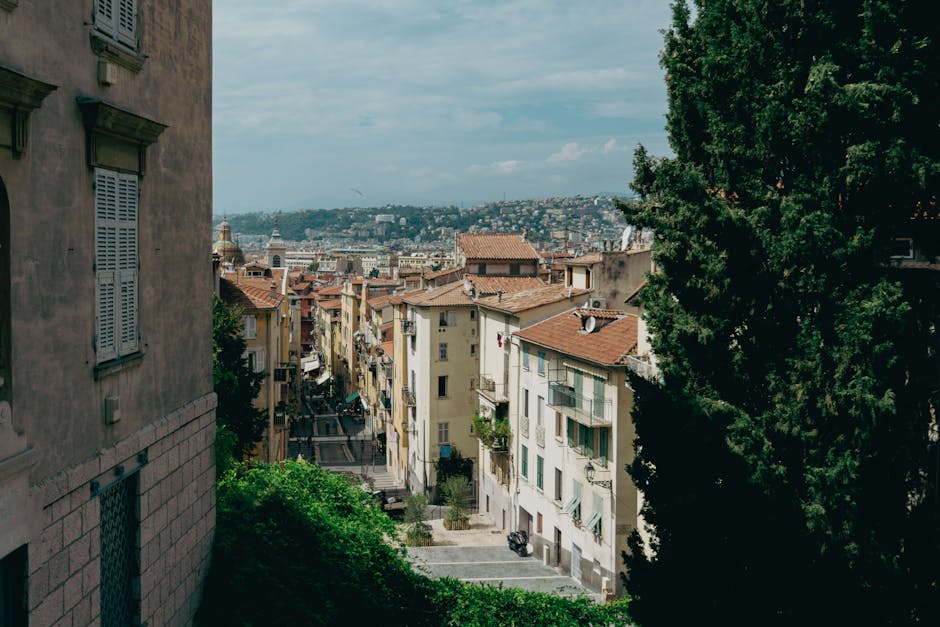
Discover the medieval heart of Nice. Explore Baroque palaces, hidden squares, and vibrant alleys at your own pace on this self-guided walk.
 Easy
EasyNice, France
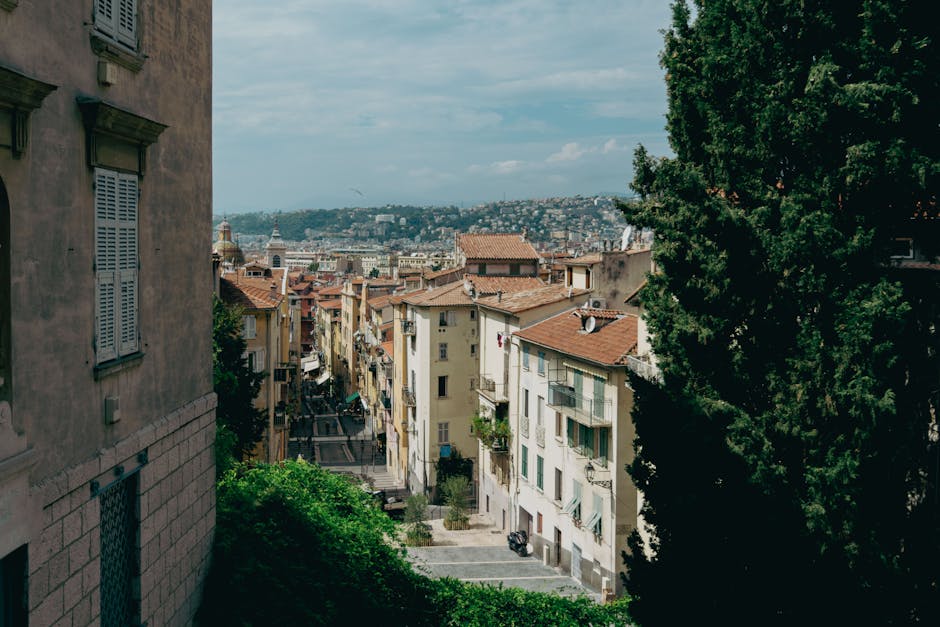
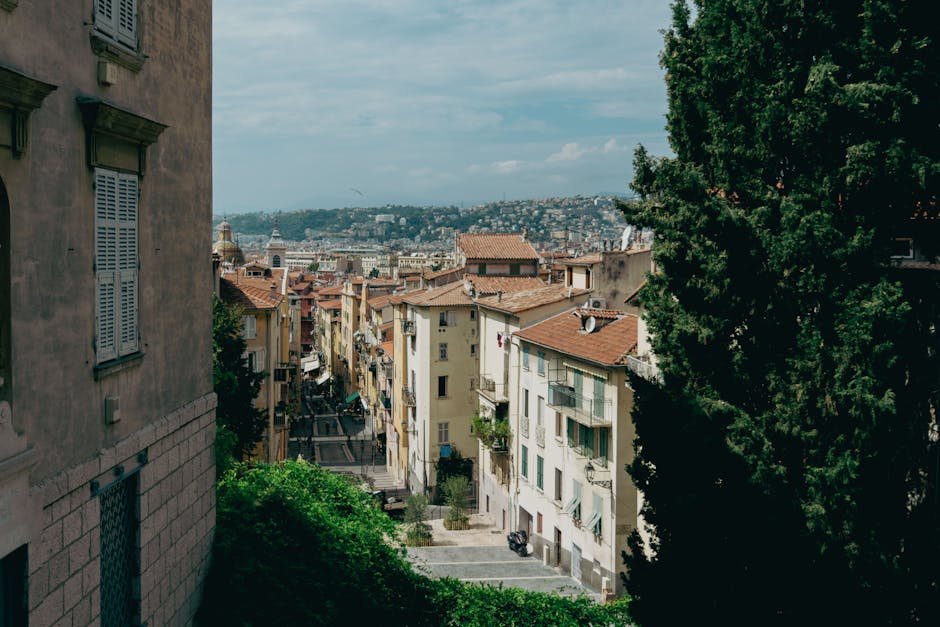
Explore Nice's rugged coastline and maritime legacy on this scenic self-guided walk from the Old Town to the historic Port Lympia.
 Easy
EasyNice, France
Discover the vibrant soul of Nice! Explore the Libération market, modern street art, and the stunning 'meringue' church on this self-guided walk.
 Easy
EasyKrakow, Poland
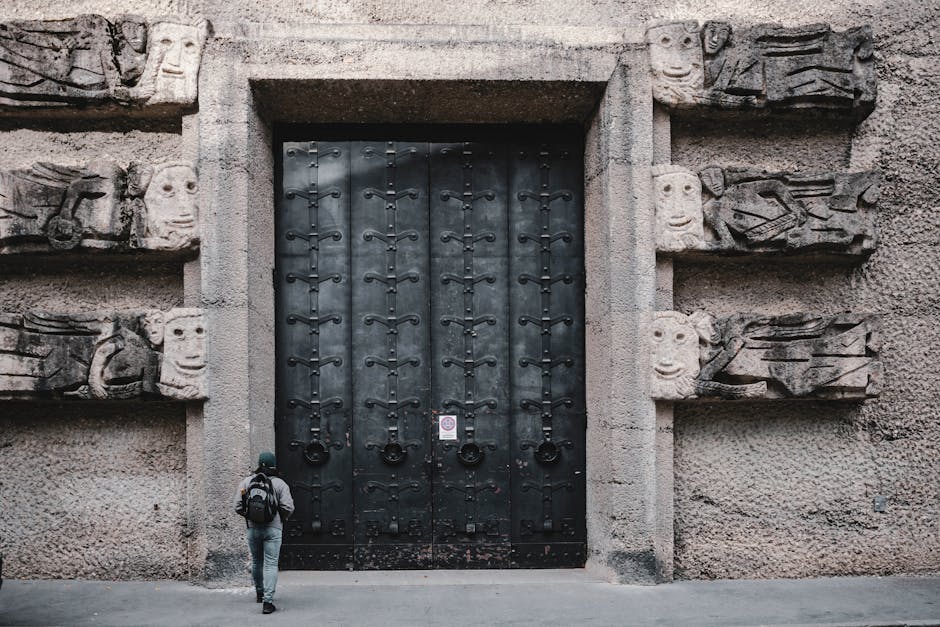
Explore the historic heart of Kazimierz on this self-guided walk through synagogues, ancient cemeteries, and vibrant squares.
 Easy
EasySalzburg, Austria
Discover the 'Rome of the North' on this self-guided walk through the Baroque squares and monumental legacy of Salzburg’s Prince-Archbishops.
 Easy
EasyGdansk, Poland
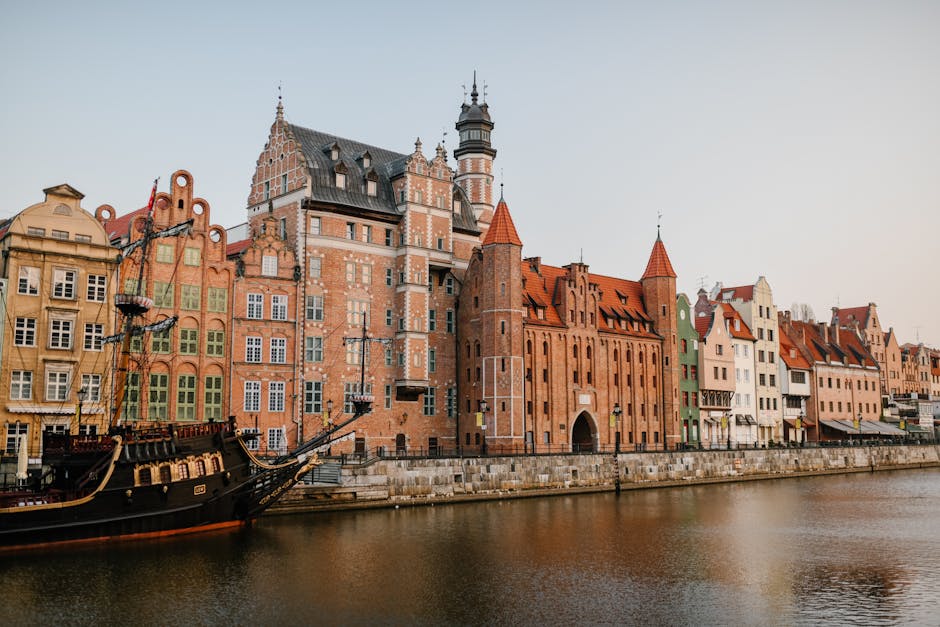
Discover the 'Baltic Gold' on this self-guided walk through Gdansk's historic mills, massive cathedrals, and the magical Mariacka Street.
 Easy
EasyWarsaw, Poland
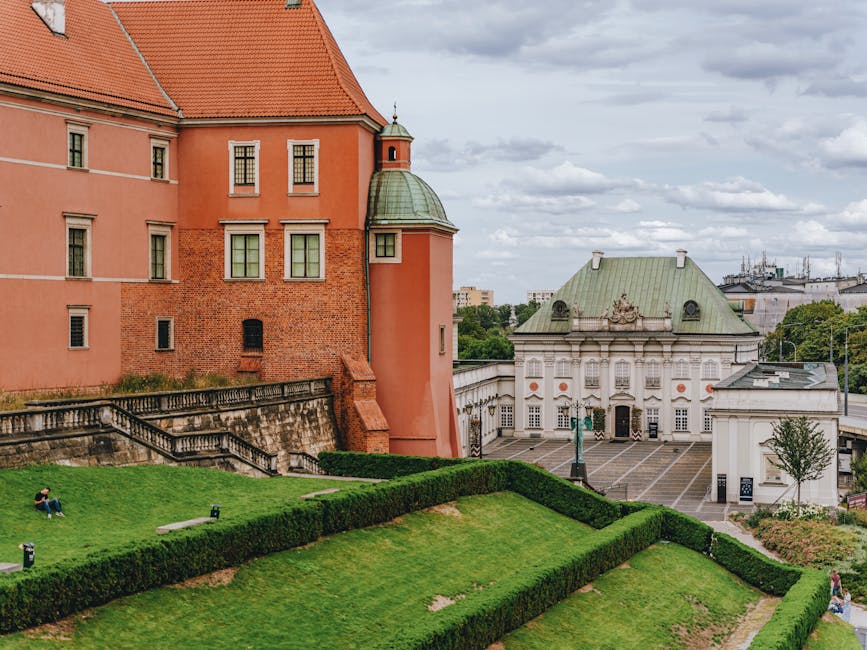
Explore the miracle of Warsaw's reconstructed Old Town on this self-guided walk through royal squares, medieval walls, and heroic monuments.
 Challenging
Paris, France
Explore the secret vineyards, legendary artist studios, and hidden squares of Paris's iconic hilltop on this self-guided bohemian walking route.
 Easy
EasyParis, France
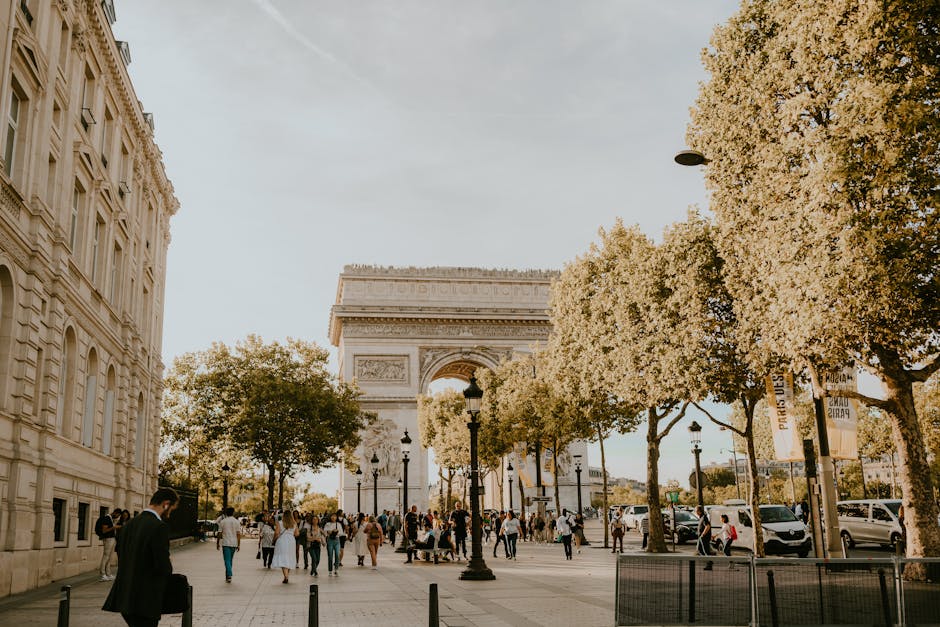
Explore the evolution of Parisian design from Art Nouveau whimsy to Le Corbusier's Modernist masterpieces on this self-guided architectural walk.
 Easy
EasyParis, France
Explore the flavors and history of Bastille on this self-guided walk through the legendary Aligre Market and the scenic Coulée Verte.
 Easy
EasyParis, France
Discover aristocratic mansions, secret medieval courtyards, and royal history on this self-guided walk through the enchanting Marais district.
