Step into the medieval heart of Ghent with a self-guided walk through Patershol, a neighborhood where history is served alongside world-class cuisine. This ancient district, nestled in the shadow of the Gravensteen castle, has transformed from a 19th-century industrial slum into the city's most sought-after culinary destination. As you navigate the maze of narrow, winding alleys, you will discover the unique blend of Flemish heritage and modern gastronomy that defines this quarter. This walking route highlights the architectural evolution of the city, from the silent cloisters of the Karmelietenklooster to the vibrant energy of the Plotersgracht. Patershol is famous for its 'culinary cobblestones,' where every corner reveals a new flavor, from traditional Belgian stews to innovative international fusion. Along the way, you can admire the beautifully restored facades of the Kraanlei and explore the hidden courtyards that offer a peaceful escape from the bustling city center. This neighborhood stroll is perfect for those who want to experience the authentic atmosphere of Ghent at their own pace. Whether you are interested in the storied past of the leather workers who once called these streets home or you are looking for the perfect spot to sample a glass of Jenever, this route provides the historical context and local insights needed for a truly immersive experience. Unlike a standard walking tour Ghent offers in more commercial areas, Patershol maintains an intimate, village-like feel that rewards the curious traveler. Exploring independently allows you to linger at the Huis van Alijn or take a detour down a side alley that catches your eye. By the time you reach the end of the circuit, you will understand why this district is considered the soul of Ghent's food scene. This self-guided adventure is a must for any visitor looking to connect with the city's living history and vibrant present. **Note:** This area is known for its ever-changing character. Street art, pop-up venues, and temporary exhibitions may differ from what's described. That's part of the adventure - you might discover something entirely new!
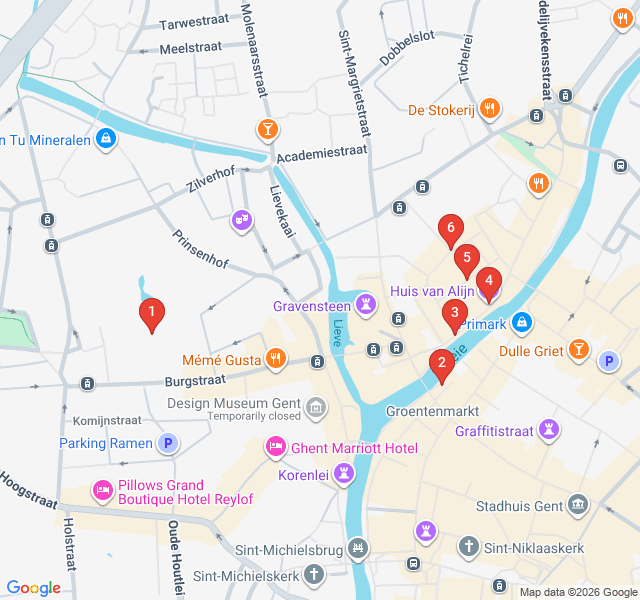
Numbers indicate the order of stops on the tour
Begin your exploration at the Karmelietenklooster, or the Monastery of the Discalced Carmelites. This site has been a spiritual anchor in Ghent since the early 17th century. The complex, often referred to as the Caermersklooster, features a stunning church and several tranquil cloisters. While the religious function has evolved, the architecture remains a testament to the Counter-Reformation period. Today, the space often serves as a cultural center, hosting art exhibitions and community events. As you stand here, notice the contrast between the grand, sober brickwork of the monastery and the intimate domestic scale of the surrounding Patershol streets. It is the perfect place to appreciate the quiet dignity of Ghent's ecclesiastical history before diving into the more boisterous culinary streets ahead. The monastery's presence is a reminder that this neighborhood was once a place of silence and reflection long before it became a hub for food lovers.
Just a short walk toward the water brings you to 't Dreupelkot, a true Ghent institution. This is the realm of Jenever, the traditional grain spirit of the Low Countries and the ancestor of modern gin. The bar is famous for its owner, Pol, and an incredible variety of house-made Jenevers. You might find flavors ranging from classic grain and juniper to more adventurous options like cactus, chocolate, or pepper. The atmosphere inside is quintessentially 'brown cafe'—cozy, dimly lit, and full of character. Jenever is traditionally served in a small tulip glass, filled to the very brim, requiring you to take your first sip without picking up the glass. Please note that the specific flavors available can change seasonally, and the bar's opening hours may vary, so it is always a good idea to check if you are planning a specific tasting stop.
The Kraanlei is one of Ghent's most picturesque quays, running along the Leie river. As you walk here, look up at the ornate facades. One of the most famous houses is 'Het Vliegend Hert' (The Flying Deer), which dates back to the 17th century and features exquisite stone carvings. You might also spot a small statue of a urinating boy, Ghent's own version of Brussels' Manneken Pis, perched on a facade. Historically, this quay was a bustling commercial area where cranes (kraan) unloaded goods from river boats. Today, it serves as the gateway to Patershol. The view across the water toward the Fish Market and the back of the Gravensteen castle is one of the most photographed spots in the city. The mix of residential life, historic architecture, and the gentle flow of the river creates a timeless atmosphere that captures the essence of medieval Ghent.
The Huis van Alijn is a museum dedicated to the daily life of 20th-century Ghent, but the building itself has a much older story. It was originally a 'godshuis' or almshouse, founded in the 14th century as a place of charity for the elderly and the poor. The complex consists of several small white-painted houses surrounding a beautiful, central courtyard. This courtyard is a hidden gem, offering a peaceful respite from the city streets. Even if you don't enter the museum galleries, you can usually stroll through the courtyard and enjoy the cafe located within. The site transition from a house of mourning and charity to a museum of folk culture mirrors the broader transition of Patershol from a neighborhood of struggle to one of preservation and celebration. It is a vital link to the social history of the ordinary people who lived in this district for centuries.
Turn into the Corduwaniersstraat to experience the most iconic street in Patershol. The name refers to the 'cordwainers' or leather workers from Cordoba who once lived and worked here. This narrow, cobbled lane is a perfect example of the medieval street pattern that survived the industrialization of the 19th century. During that era, these houses were divided into tiny, overcrowded apartments for factory workers, and the area was considered a slum. In the 1970s and 80s, a massive restoration project saved these buildings from demolition, turning them into some of the most desirable residences and restaurants in Ghent. Notice the 'trapgevels' or stepped gables that lean slightly over the street. The street is now home to several highly-regarded eateries, making it the literal and figurative heart of the neighborhood's culinary identity.
Conclude your walk at the Plotersgracht. The name 'Ploters' refers to the tanners who used the water of the canal that once ran through this street. Because tanning was a smelly and messy business, it was often relegated to the edges of the medieval city. The canal was eventually filled in, but the street retains a sense of its watery past. Today, Plotersgracht is famous for its incredible density of restaurants. You can find everything here from traditional Flemish carbonade (beef stew) to Japanese, Thai, and Italian cuisine. It is a testament to Ghent's modern, cosmopolitan nature. As you stand at the end of this street, you are just steps away from the castle and the main canal loop, making it an ideal place to finish your stroll and perhaps choose a spot for dinner. The evolution from a tanner's ditch to a gourmet street is the ultimate Patershol success story.
Download Zigway to experience "The Culinary Cobblestones of Patershol" with AI-powered audio narration. Walk at your own pace while stories unfold around you.
 Challenging
Ghent, Belgium
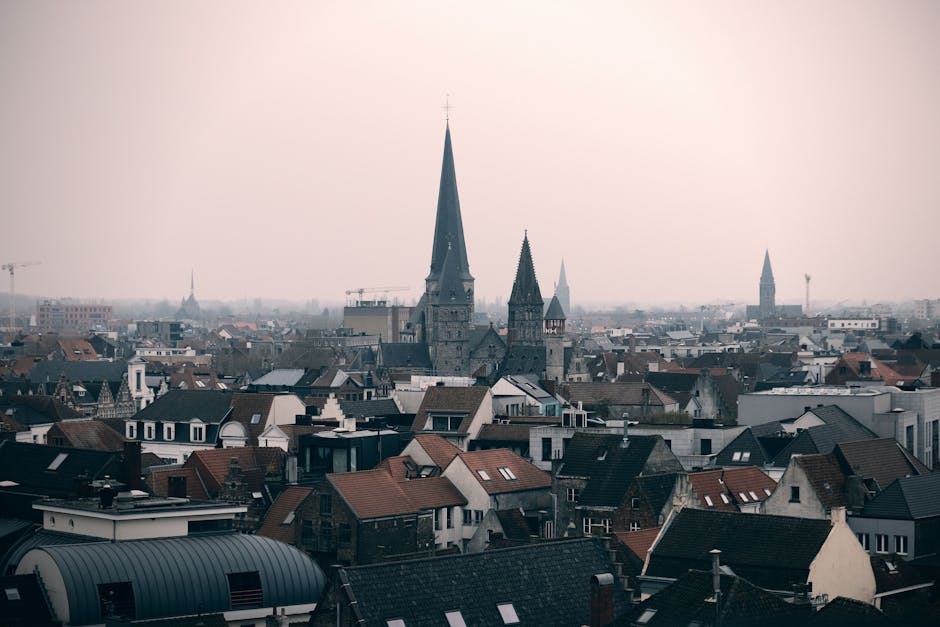
Explore Ghent's gritty past and modern rebirth on this self-guided walking route through the historic Northern Docks and industrial heritage sites.
 Easy
EasyGhent, Belgium
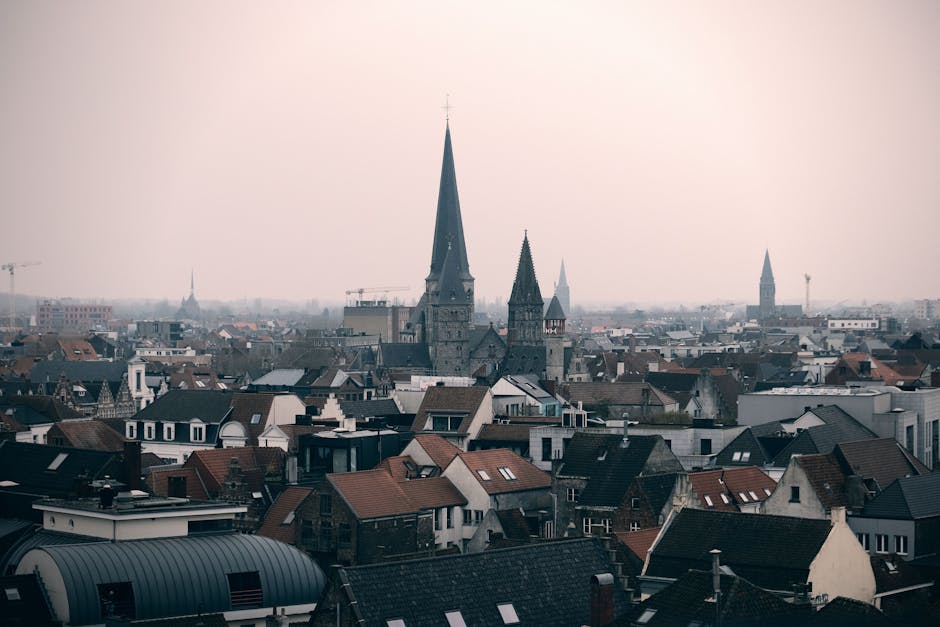
Explore Ghent’s bold architectural evolution from medieval markets to modernist icons on this self-guided walking route through the city center.
 Easy
EasyGhent, Belgium
Discover the sugary secrets of Ghent on this self-guided stroll through historic bakeries, candy shops, and artisanal chocolatiers.
 Easy
EasyGhent, Belgium
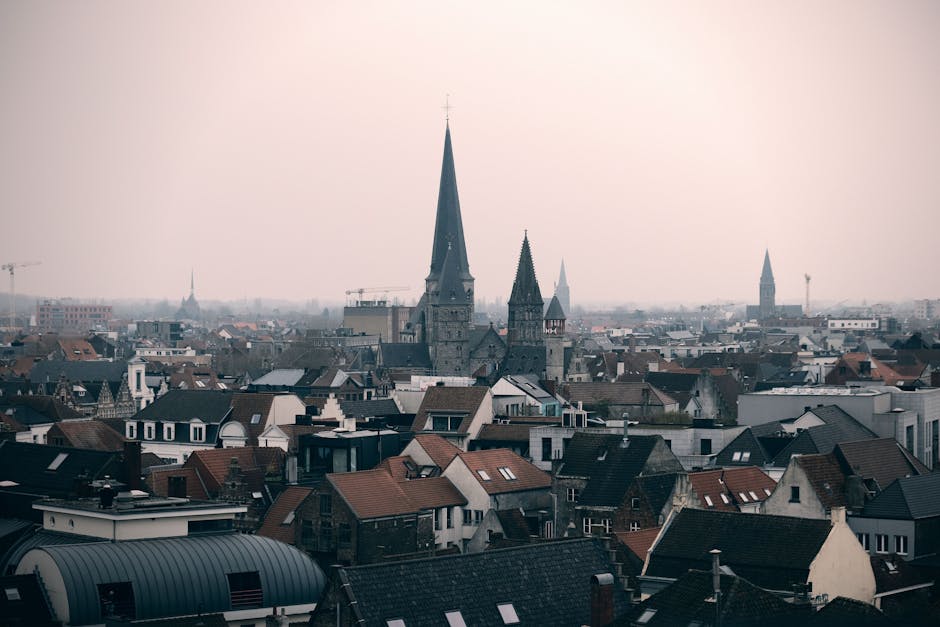
Discover the scenic riverside of Ghent, from the iconic Graslei to the historic Rabot towers, on this atmospheric self-guided walk.
 Easy
EasyKrakow, Poland
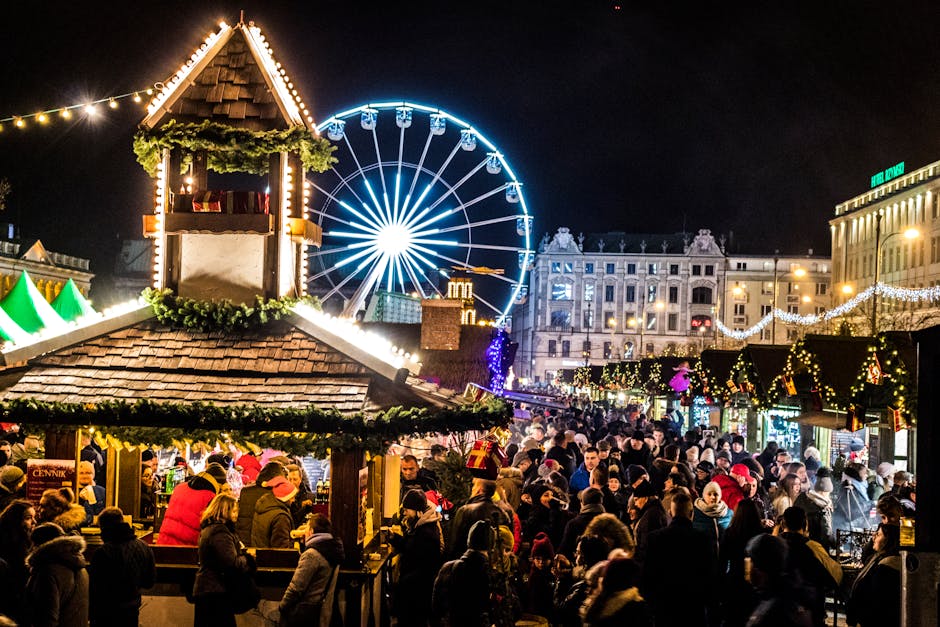
Explore Krakow's hidden nightlife with this self-guided walk through medieval cellars, jazz clubs, and bohemian bars in the Old Town and Kazimierz.
 Moderate
Nairobi, Kenya
Taste your way through Nairobi's Westlands on this self-guided walk featuring street snacks, cultural landmarks, and hidden foodie gems.
 Easy
EasyGdansk, Poland
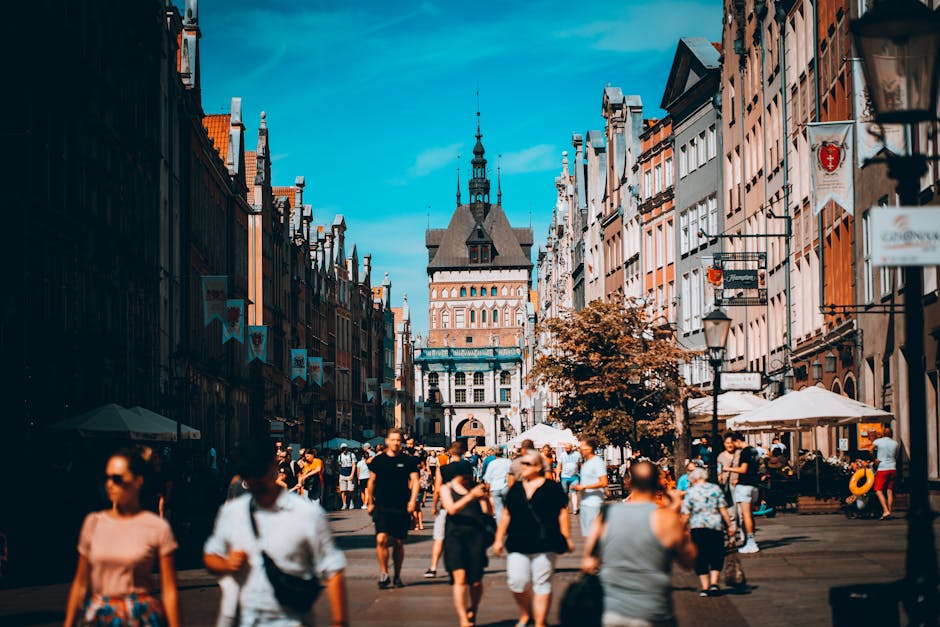
Taste the history of the Baltic. Explore Gdansk's culinary heritage from medieval markets to gold-flecked liqueurs on this self-guided walk.
 Easy
EasyWarsaw, Poland
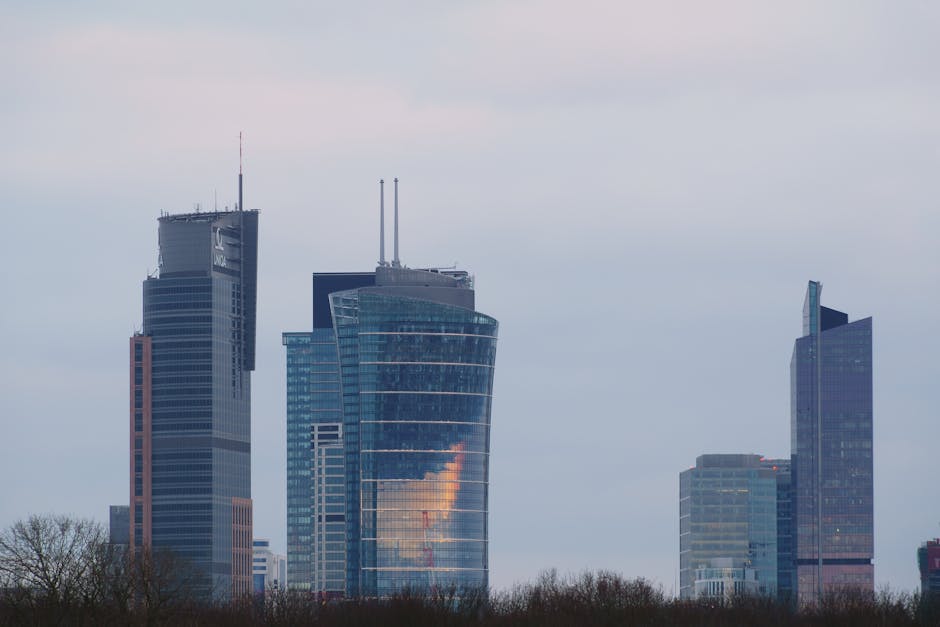
Discover the hidden courtyards and grand pre-war architecture of Warsaw's most atmospheric neighborhood on this self-guided stroll.
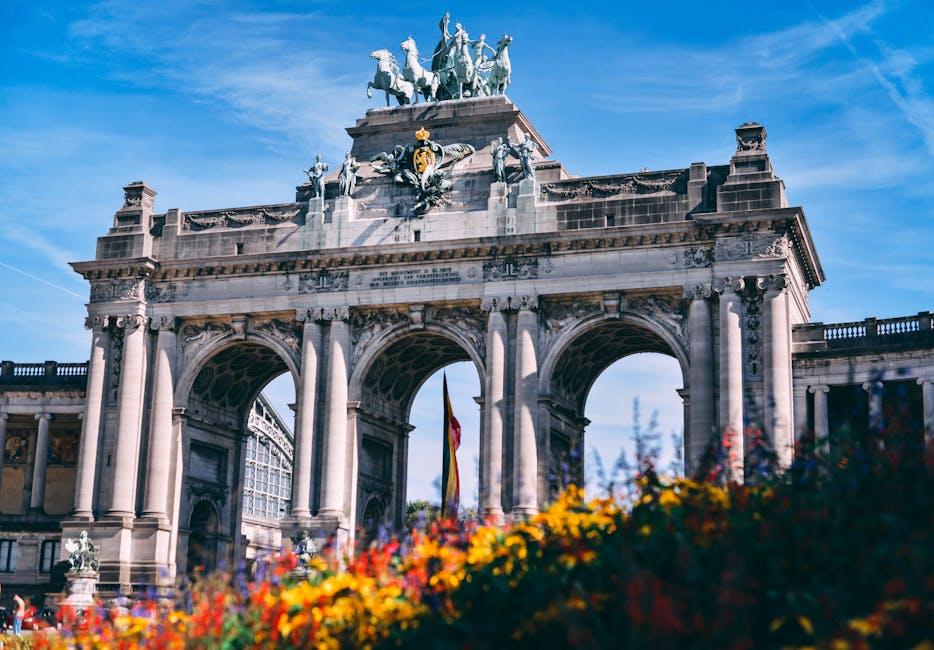 Easy
EasyBrussels, Belgium
Discover the colorful world of Belgian comics on this independent walking route through the creative streets and murals of central Brussels.
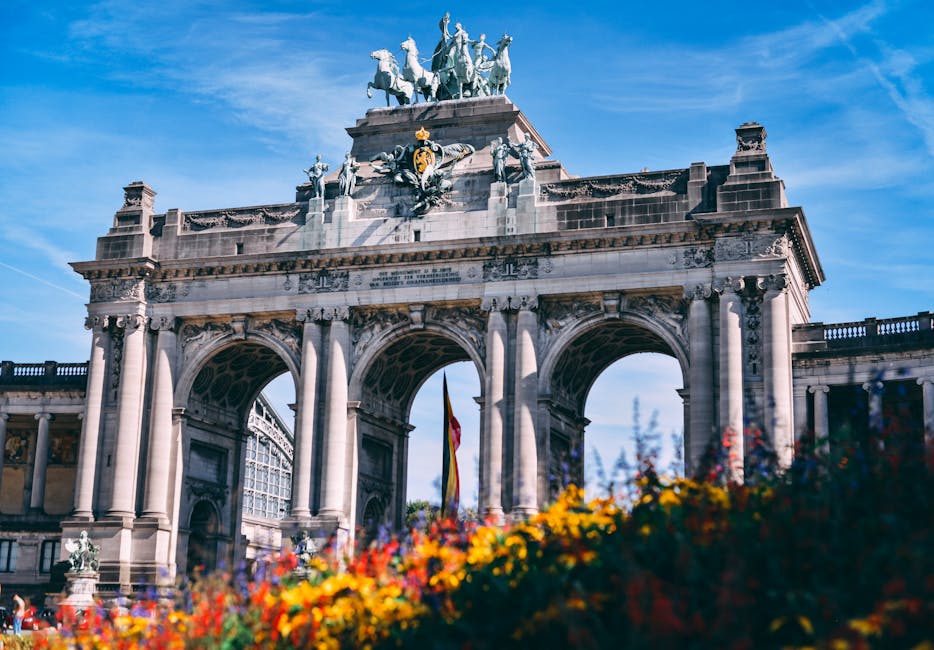 Moderate
Brussels, Belgium
Explore the majestic Royal Quarter, from Art Nouveau gems to the King's Palace and the iconic views of Mont des Arts on this self-guided walk.
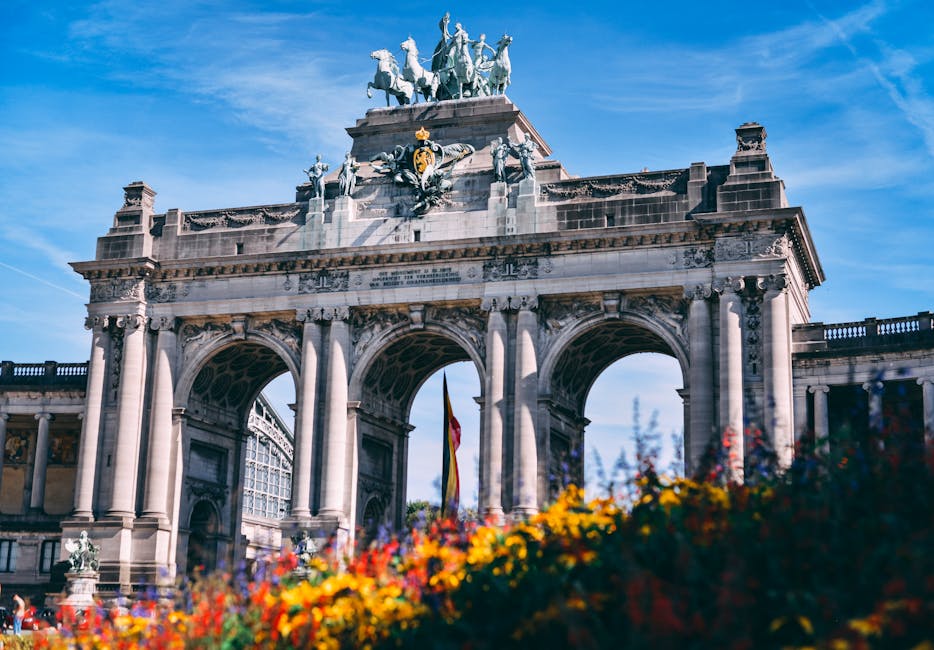 Moderate
Brussels, Belgium
Explore Brussels' industrial heart and artistic rebirth on this self-guided walk through Molenbeek and the Canal district's iconic landmarks.
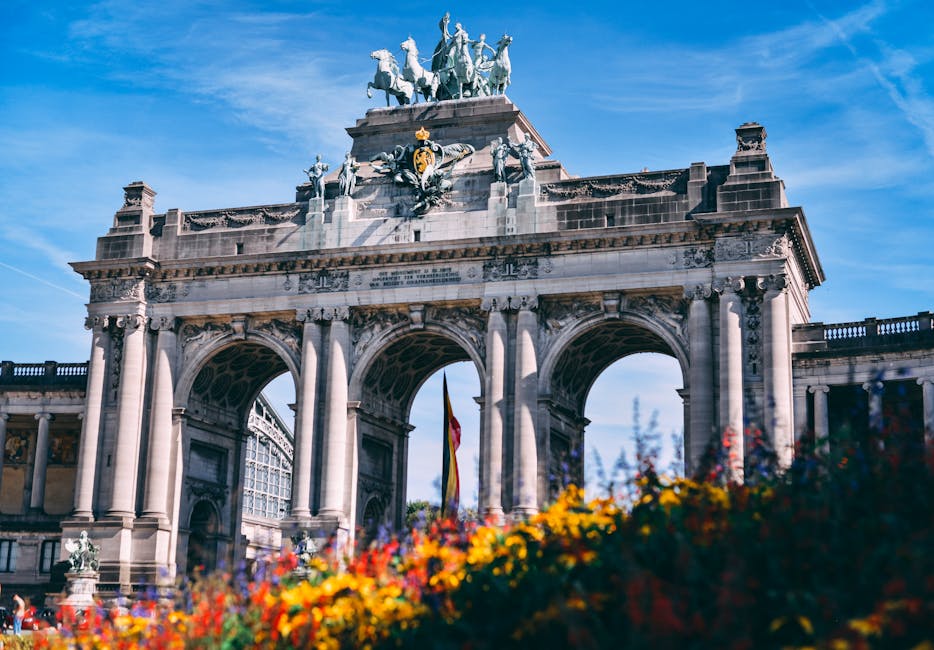 Moderate
Brussels, Belgium
Discover Brussels' Art Nouveau masterpieces at your own pace, from Victor Horta's UNESCO sites to the flamboyant Maison Saint-Cyr.
