Step into the heart of the United Arab Emirates' capital with this self-guided walk through the Al Hosn district and Abu Dhabi's downtown core. This walking route offers a unique perspective on a city that transformed from a modest fishing and pearling village into a global powerhouse in less than a century. At the center of this narrative is Qasr Al Hosn, the oldest standing structure in Abu Dhabi, which serves as a symbolic anchor for the surrounding modern skyscrapers. As you explore independently, you will witness the architectural evolution of the city, from the traditional coral stone and mangrove beams of the 18th-century watchtower to the bold modernist designs of the 1980s and the high-tech glass towers of today. The journey begins at the Cultural Foundation, a masterpiece of modern architecture that has served as the city's intellectual hub since its opening. From there, the path leads you through the serene grounds of the Musalla Al Hosn, an award-winning contemporary prayer space that blends seamlessly with the desert landscape. You will also encounter the iconic e& (Etisalat) building, famous for the giant 'golf ball' atop its spire, which has become a permanent fixture of the city's skyline. This walking tour Abu Dhabi experience provides the perfect balance between historic preservation and urban energy. Whether you are interested in the intricate patterns of traditional Emirati weaving at the House of Artisans or the bustling commercial life along Hamdan Bin Mohammed Street, this route captures the true essence of Abu Dhabi’s identity. Discover the stories of the Al Nahyan family, the importance of the freshwater well that started it all, and the vision of the late Sheikh Zayed bin Sultan Al Nahyan. This self-paced adventure allows you to linger at the sites that interest you most, making it an ideal way to connect with the local heritage and the vibrant pulse of the downtown district.
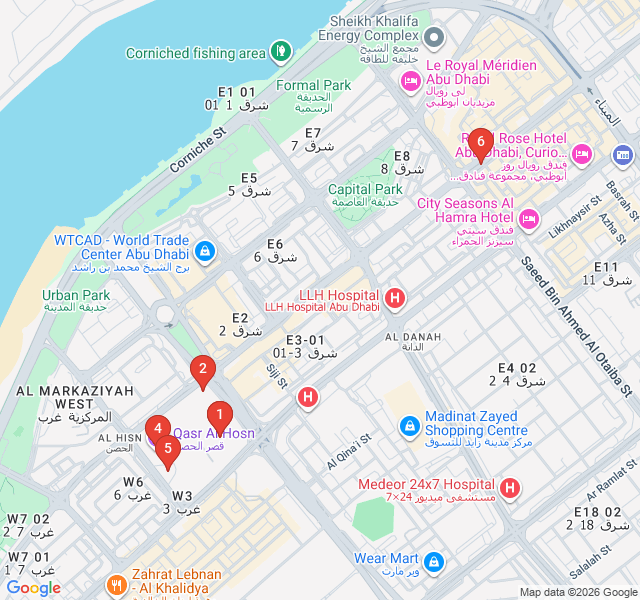
Numbers indicate the order of stops on the tour
Welcome to the Cultural Foundation, a site that represents the dawn of Abu Dhabi's modern cultural era. Opened in 1981, this building was the first dedicated cultural center in the United Arab Emirates. Notice the striking geometric patterns and the fusion of traditional Islamic motifs with modern architecture. It was designed to house a national library, a performance theater, and an exhibition center. For decades, this has been the soul of the city's artistic life. As you explore the exterior, consider how this structure bridged the gap between the old desert life and the international city Abu Dhabi was becoming. It remains a vibrant community space where locals and visitors alike engage with art and literature.
Before you is the Musalla Al Hosn, a contemporary prayer space that achieved international acclaim for its design. Unlike traditional mosques with high domes and minarets, this structure uses a series of small, interconnected buildings with geometric shapes that mimic the cracked earth of the desert. The design won the World Building of the Year at the 2019 World Architecture Festival. The interior is a place of profound silence and peace, using light and shadow to create a spiritual atmosphere. It serves as a physical bridge between the historic Qasr Al Hosn fort and the modern Cultural Foundation, showing how Abu Dhabi honors its religious heritage through forward-thinking design.
Look up toward the skyline to see one of Abu Dhabi’s most recognizable landmarks: the Etisalat building, now known as e&. Topped with a massive, white spherical structure that looks like a giant golf ball, this building has been a navigation point for residents for decades. The sphere actually houses telecommunications equipment, but its unique aesthetic has made it an architectural icon. Built in the early 1990s, it symbolizes the rapid technological advancement of the UAE. In a city of soaring glass towers, this building stands out as a quirky yet essential piece of the downtown landscape, marking the intersection of communication, technology, and urban growth.
You are standing before the symbolic birthplace of Abu Dhabi: Qasr Al Hosn. The oldest part of this complex is the watchtower, built around 1761 to protect the only freshwater well on the island. Over the centuries, it expanded into a massive fort and served as the ancestral home of the ruling Al Nahyan family. Known as the 'White Fort,' it was the seat of government for generations. Walking around these walls, you can see the traditional coral stone and mangrove wood construction. This site is more than just a building; it is the physical manifestation of the UAE's history, having witnessed the transition from a pearl-diving society to a modern nation.
Inside this dedicated space, the intangible heritage of the United Arab Emirates comes to life. The House of Artisans celebrates traditional crafts that were vital to survival in the desert and coastal environments. You can observe the practice of 'Al Sadu,' a traditional form of weaving used to make tents and camel saddles, or 'Talli,' the intricate embroidery used for clothing. These crafts were typically passed down through generations of women. By preserving these techniques, the site ensures that the skills of the Bedouin ancestors are not lost to history. It is a wonderful place to see the human connection to the materials of the land—wool, leather, and palm fronds.
Concluding this walking route is Hamdan Bin Mohammed Street, commonly known as Hamdan Street. This is one of the city's oldest and most famous commercial thoroughfares. Named after a member of the ruling family, it represents the bustling, multi-cultural heart of modern Abu Dhabi. Here, the grand history of the fort gives way to the everyday energy of the city. You’ll find a mix of high-end retailers, traditional gold shops, and diverse eateries. The street planning here reflects the grid system established in the 1970s, which transformed the island into a functional metropolis. It is the perfect place to experience the local lifestyle and find a refreshing drink after your walk.
Download Zigway to experience "Foundations of the Fortress: Qasr Al Hosn and Downtown Heritage" with AI-powered audio narration. Walk at your own pace while stories unfold around you.
 Easy
EasyAbu Dhabi, United Arab Emirates
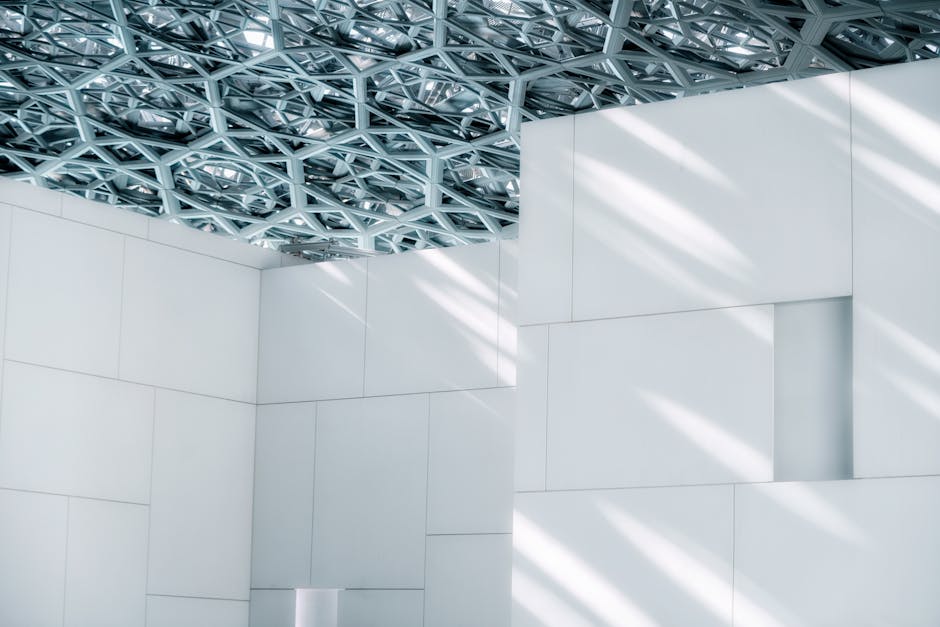
Explore a world-class cultural hub featuring the Louvre, the Abrahamic Family House, and stunning architecture on this self-guided Saadiyat walk.
 Easy
EasyAbu Dhabi, United Arab Emirates
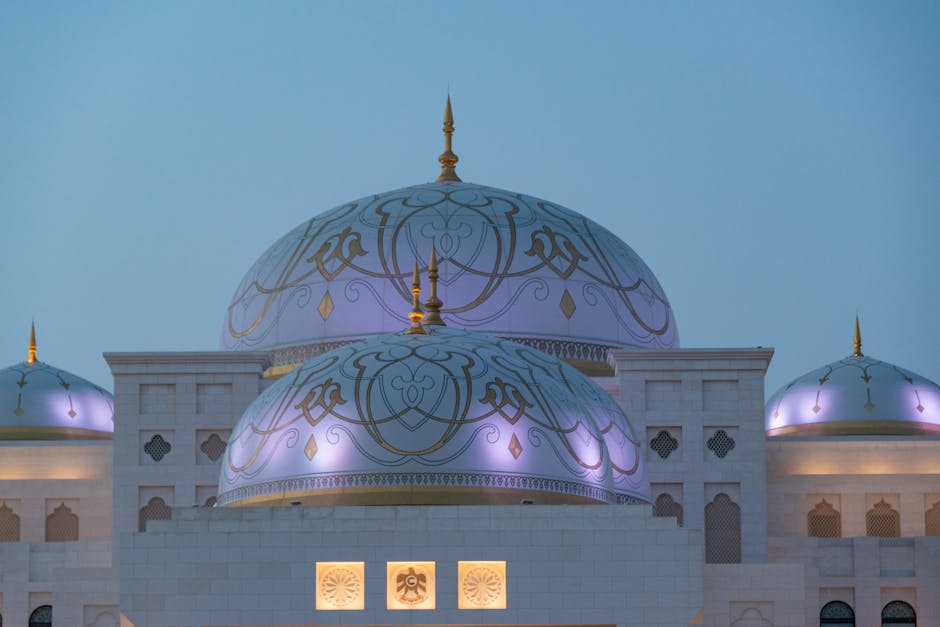
Discover Abu Dhabi's futuristic financial hub and luxury waterfront on this easy self-guided stroll through Al Maryah Island's glass canyons.
 Moderate
Abu Dhabi, United Arab Emirates
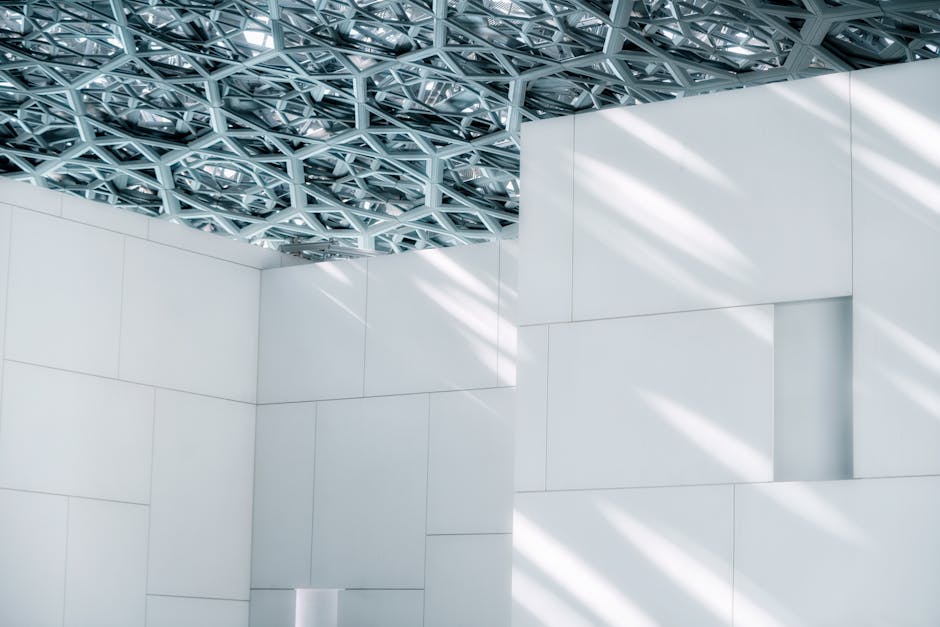
Discover the royal heart of Abu Dhabi on this self-guided walk through iconic palaces, memorials, and architectural marvels in Ras Al Akhdar.
 Easy
EasyAbu Dhabi, United Arab Emirates
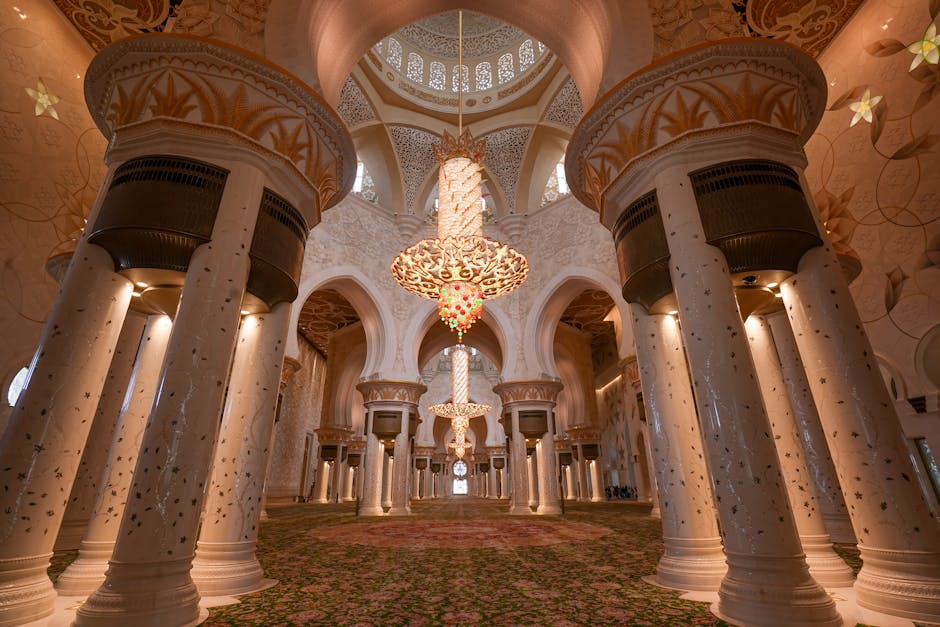
Explore Abu Dhabi's historic gateway and the majestic Grand Mosque on this scenic, self-guided perimeter walk filled with history and photography.
 Easy
EasyNairobi, Kenya
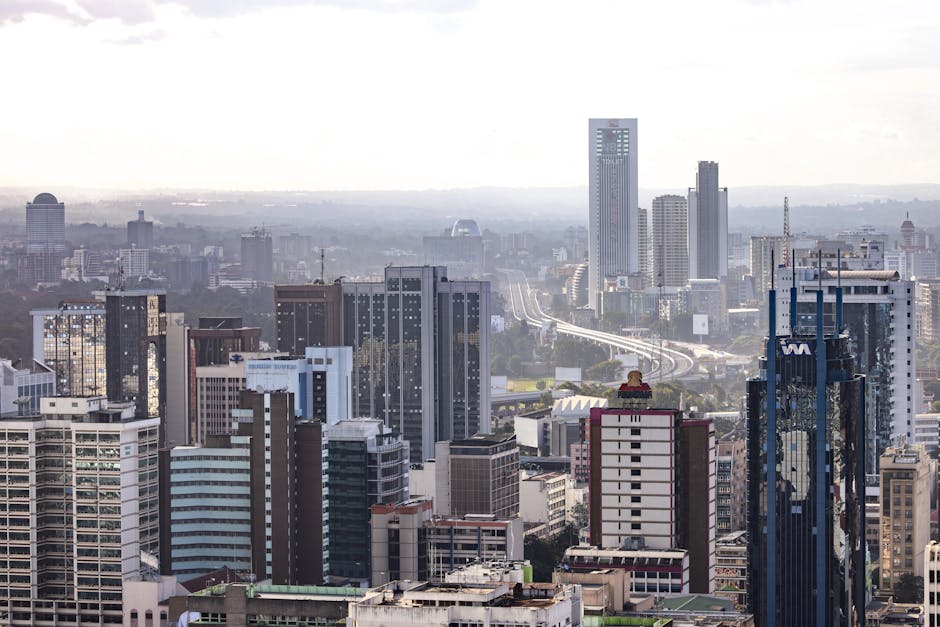
Explore Nairobi's architectural evolution from colonial-era landmarks to iconic Brutalist skyscrapers on this historic self-guided walking route.
 Easy
EasyNairobi, Kenya
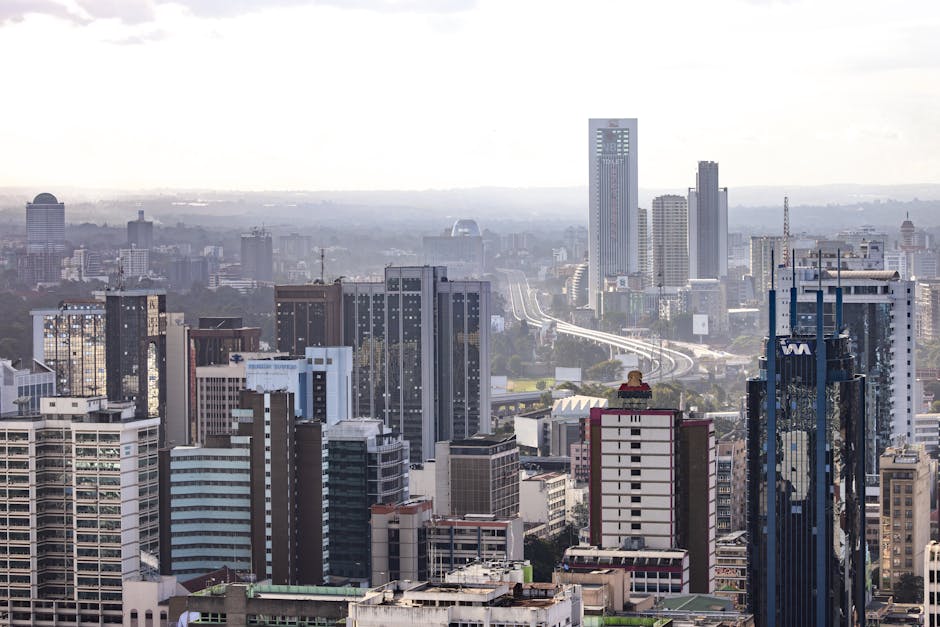
Discover Nairobi's iconic skyline on this self-guided architecture walk through the CBD’s most famous modernist and Brutalist landmarks.
 Easy
EasyGdansk, Poland
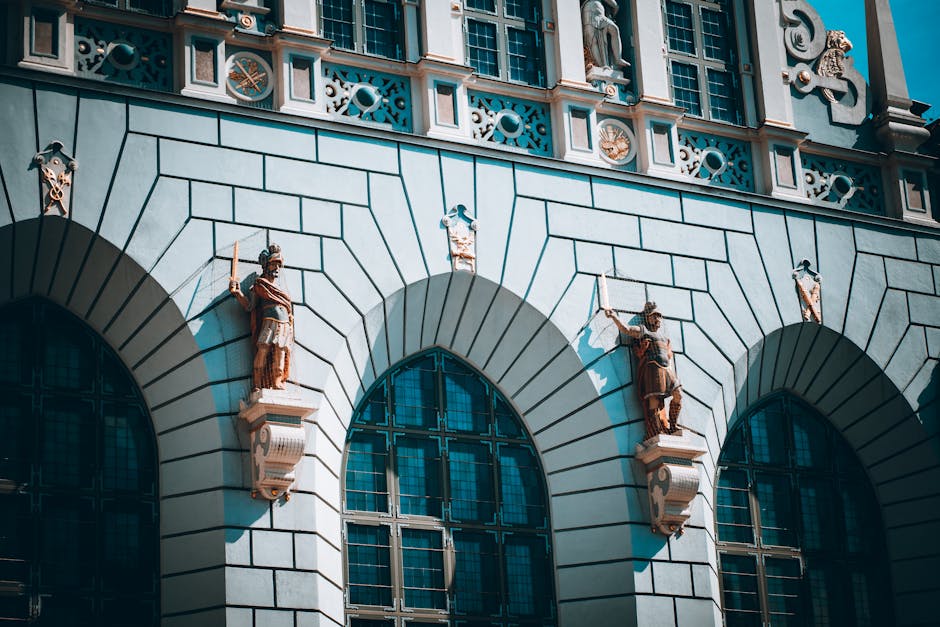
Discover the opulent Royal Way of Gdansk at your own pace. Explore Hanseatic history, gilded architecture, and the iconic Neptune's Fountain.
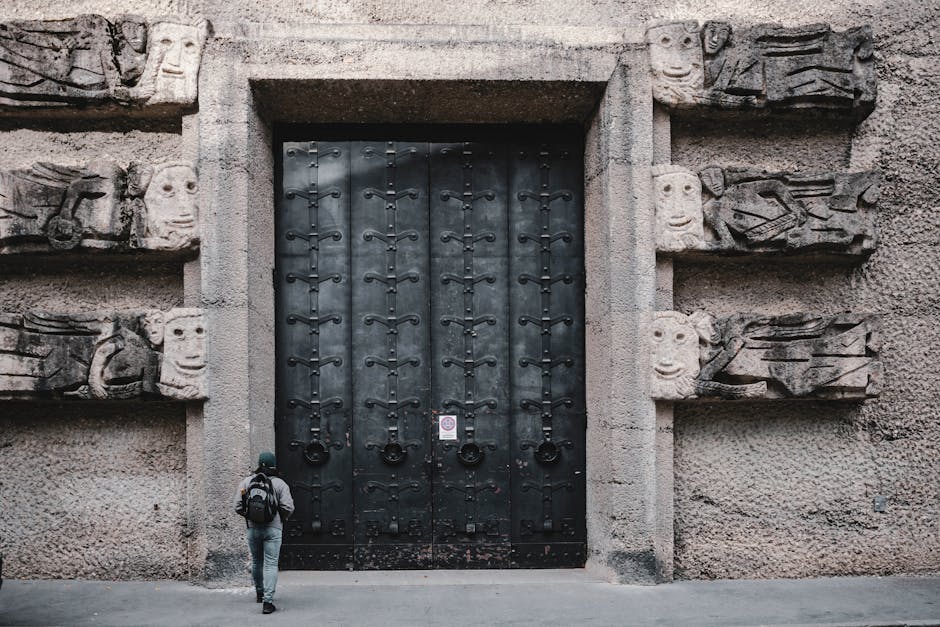 Easy
EasySalzburg, Austria
Discover the 'Rome of the North' on this self-guided walk through the Baroque squares and monumental legacy of Salzburg’s Prince-Archbishops.
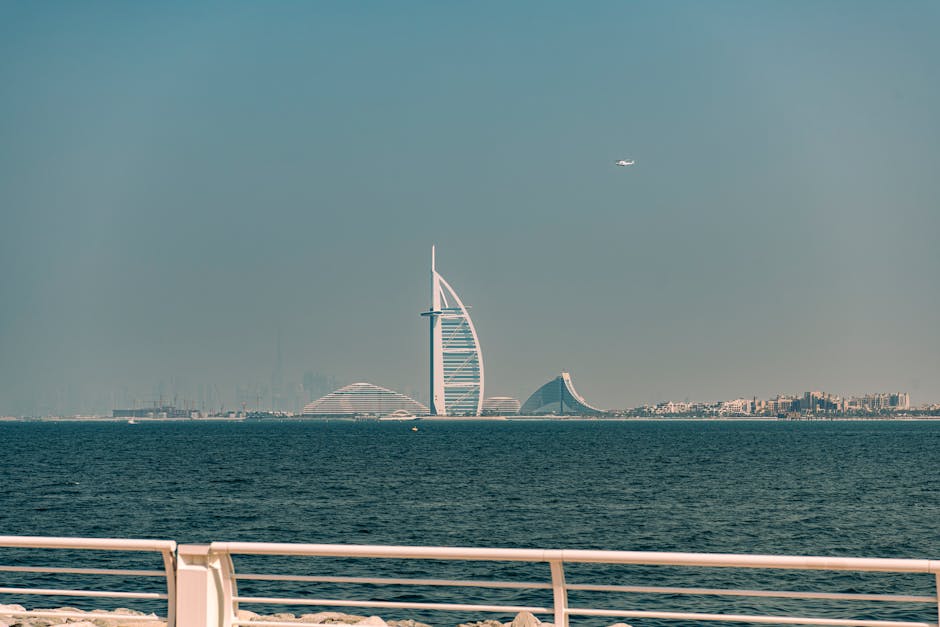 Moderate
Dubai, United Arab Emirates
Discover the futuristic skyline and shimmering waters of Business Bay on this self-guided walking route along the Dubai Water Canal.
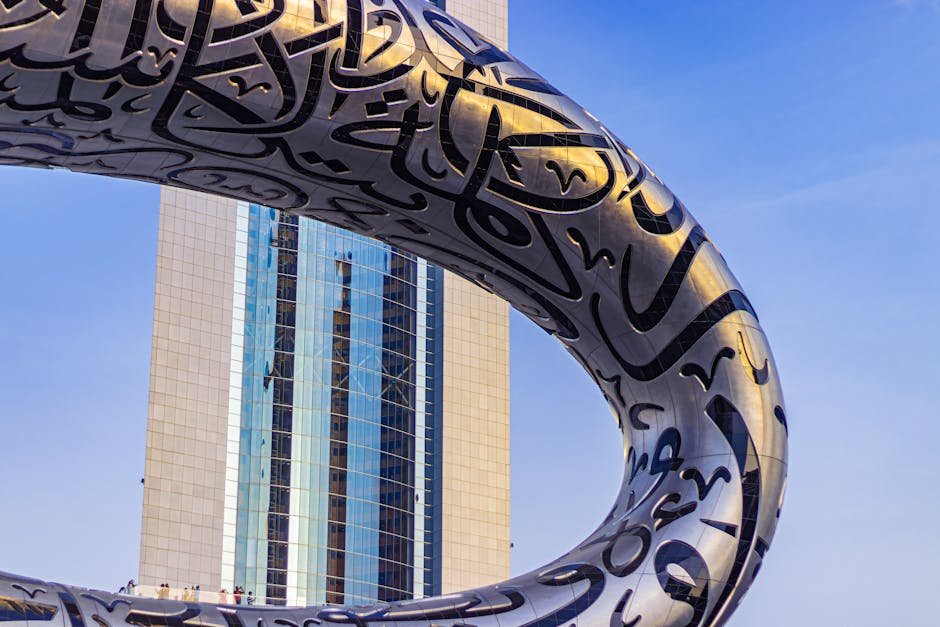 Easy
EasyDubai, United Arab Emirates
Explore Dubai's creative soul on this self-guided walk from historic museums to the futuristic galleries of the Dubai Design District.
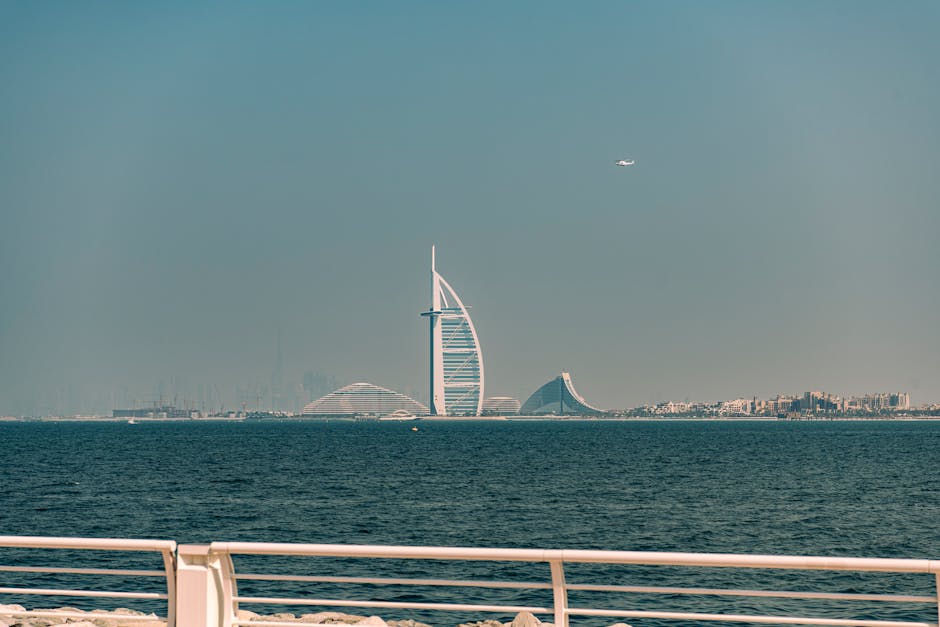 Easy
EasyDubai, United Arab Emirates
Explore Dubai Marina’s record-breaking architecture and scenic waterfront at your own pace on this self-guided skyline adventure.
 Easy
EasyDubai, United Arab Emirates
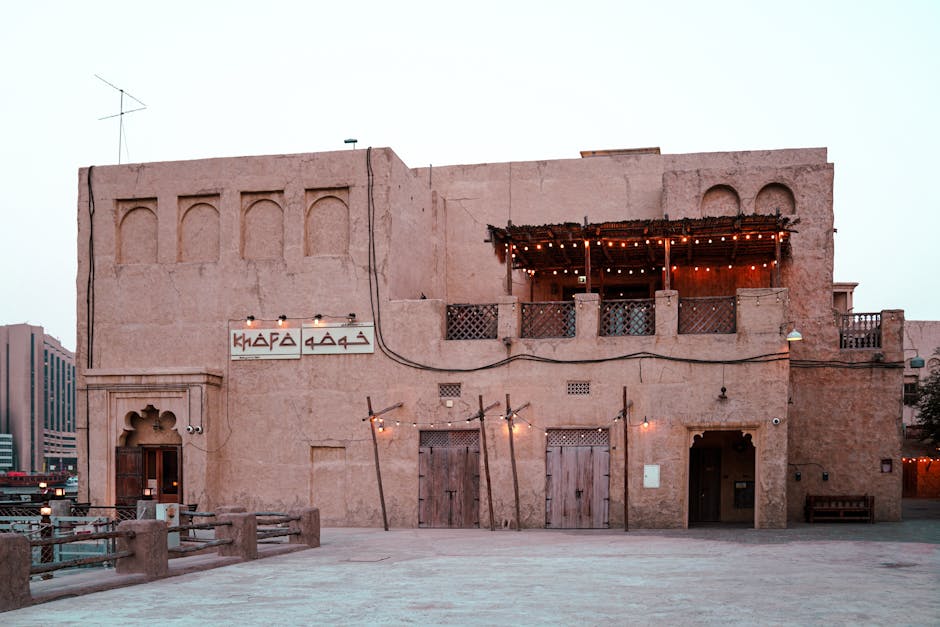
Discover the soul of old Dubai on this self-guided stroll through historic wind towers, hidden art galleries, and maritime heritage sites.
