Escape the bustling government district and step into the bohemian charm of the Zeeheldenkwartier, one of The Hague’s most beloved historic neighborhoods. This neighborhood stroll invites you to discover a side of the city often missed by those sticking to the main palace routes. Known as the 'Sea Heroes Quarter,' this area was developed in the late 19th century and remains a vibrant hub of local culture, Art Nouveau architecture, and secret green spaces. This self-guided walk begins at the edge of the city center at the Hof van Wouw, a 17th-century almshouse that offers a peaceful glimpse into the charitable history of the Netherlands. From there, you will transition into the heart of the Zeeheldenkwartier, where the streets are named after famous Dutch naval explorers. As you explore independently, you will witness the architectural shift from the intimate brickwork of the Golden Age to the grand, ornate facades of the fin de siècle. The route highlights the community spirit of the area, particularly at the Zeeheldentuin, a hidden garden reclaimed by residents. You will also experience the elegance of Anna Paulownaplein, a square that feels more like a corner of Paris than a Dutch administrative center. The walk concludes at Carnegieplein, home to the world-renowned Peace Palace, providing a powerful contrast between the local intimacy of the neighborhood and the international significance of The Hague. Whether you are interested in historical architecture or simply want to find the best local spots for a coffee away from the crowds, this walking route provides a comprehensive look at the city's living history. This is an ideal walking tour The Hague offers for those who prefer the flexibility of an audio walk without the constraints of a group. Enjoy the freedom to linger in a courtyard or browse the boutiques of Piet Heinstraat at your own pace.
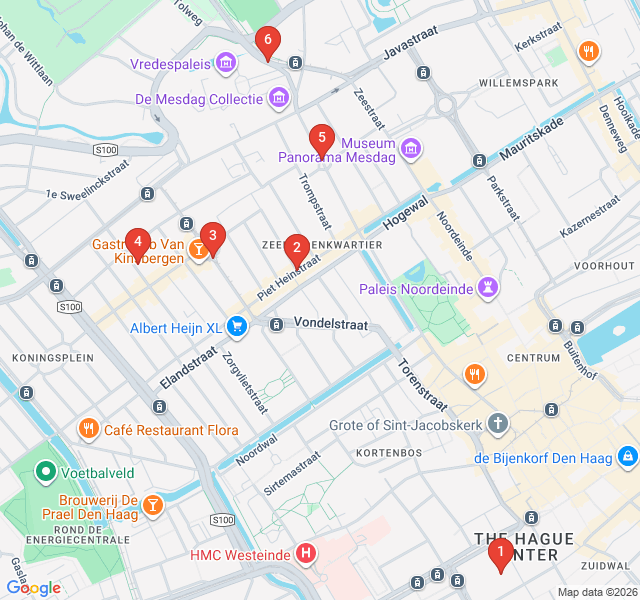
Numbers indicate the order of stops on the tour
Welcome to the Hof van Wouw, a true sanctuary established in 1647. This 'hofje' or almshouse was founded by Cornelia van Wouw to provide housing for single women of the Reformed faith. As you stand in this meticulously maintained courtyard, notice the Garden of Hesperides, filled with citrus trees and historic flora. These courtyards were the social safety nets of the 17th century, offering protection and community. While many of these spaces are still private residences, the Hof van Wouw remains one of the best-preserved examples in the city, showcasing the transition from the Dutch Golden Age to the modern era. Take a moment to appreciate the silence before we head toward the 19th-century streets ahead.
You are now entering the Piet Heinstraat, the primary artery of the Zeeheldenkwartier. Named after the 17th-century naval hero Piet Hein, this street captures the neighborhood's eclectic spirit. Look up as you walk; many of the buildings here feature beautiful Art Nouveau elements, such as curved window frames and decorative tiling. Unlike the formal city center, this street is lined with independent boutiques, design shops, and local bakeries. It serves as a perfect example of how The Hague expanded in the late 1800s to accommodate a growing middle class, creating a neighborhood that was both stylish and functional. It remains a favorite spot for locals to gather and shop far from the global retail chains.
Prins Hendrikplein is the beating heart of the Sea Heroes Quarter. This circular square is dominated by a grand monument and fountain, originally erected to commemorate the national independence of 1813. Around the square, you will see some of the most impressive architecture in the district, including houses designed in the eclectic and neo-Renaissance styles. The square often hosts local markets and festivals, acting as a communal living room for the neighborhood. Notice the sundial and the intricate paving patterns. This spot perfectly illustrates the Dutch concept of 'gezelligheid'—a sense of coziness and social belonging that defines the Zeeheldenkwartier.
This hidden gem is a testament to community power. The Zeeheldentuin, or 'Sea Heroes Garden,' was once the site of a school building. When the school was demolished, residents fought to turn the vacant lot into a public garden rather than a parking garage. Today, it is a lush, sustainable park maintained by volunteers. It features a vegetable garden, a playground made of natural materials, and quiet corners for reading. It represents the modern evolution of the Dutch 'hofje' tradition—a shared green space that fosters local connection. It is one of the neighborhood's best-kept secrets and a perfect place to pause and enjoy the sound of birds in the middle of the city.
Often cited as one of the most beautiful squares in The Hague, Anna Paulownaplein exudes a distinct European elegance. Named after the Russian Grand Duchess who became Queen of the Netherlands, the square is surrounded by stately white-plastered buildings and towering trees. The atmosphere here is sophisticated yet relaxed, with several high-end cafes and restaurants spilling out onto the pavement. The architecture reflects the wealth and international outlook of The Hague during the late 19th century. As you walk through, you might feel as though you have been transported to a quiet corner of Paris, showcasing the diversity of urban design found within a single neighborhood.
The walk concludes at Carnegieplein, dominated by the majestic Peace Palace. This building is the seat of the International Court of Justice and the Permanent Court of Arbitration. Funded by American philanthropist Andrew Carnegie and completed in 1913, it symbolizes the city's role as the International City of Peace and Justice. At the entrance to the square, you will find the Eternal Peace Flame, surrounded by a path of stones from countries all over the world. Standing here, you can see the contrast between the local, lived-in streets of the Zeeheldenkwartier we just explored and the formal, global significance of this monumental site. It is a fitting end to a journey through The Hague's many layers.
Download Zigway to experience "Hidden Courtyards of Zeeheldenkwartier" with AI-powered audio narration. Walk at your own pace while stories unfold around you.
 Easy
EasyThe Hague, Netherlands
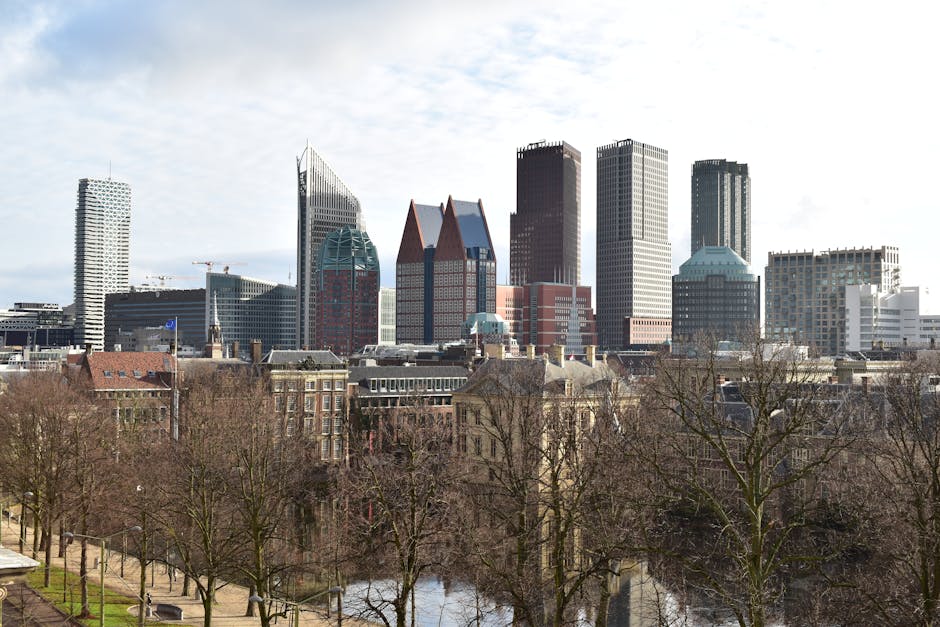
Explore The Hague’s artistic soul on this self-guided walk from Golden Age treasures to the mind-bending illusions of M.C. Escher.
 Moderate
The Hague, Netherlands
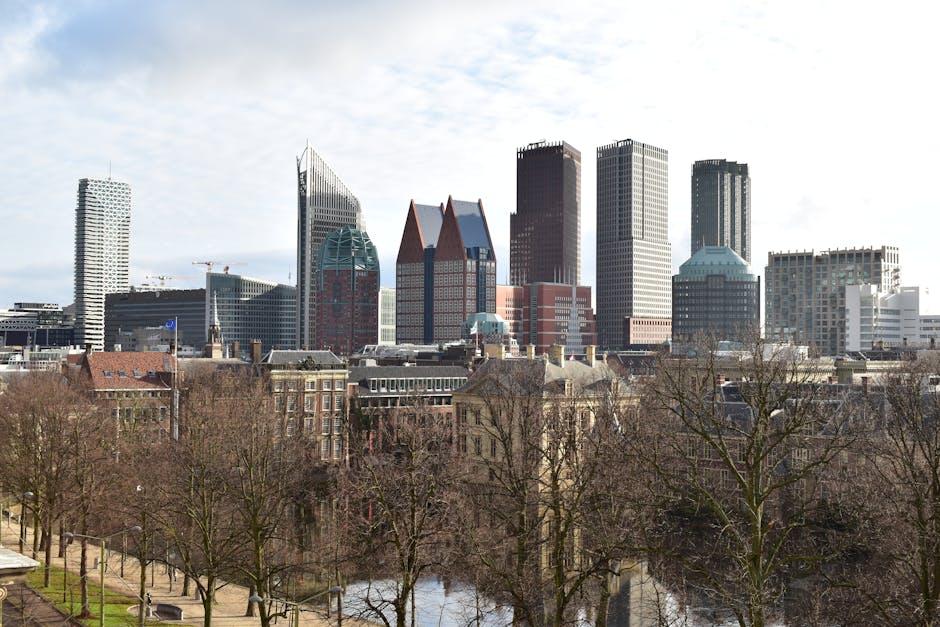
Explore the heart of international law on this self-guided walk through The Hague’s world-renowned Peace and Justice district.
 Easy
EasyThe Hague, Netherlands
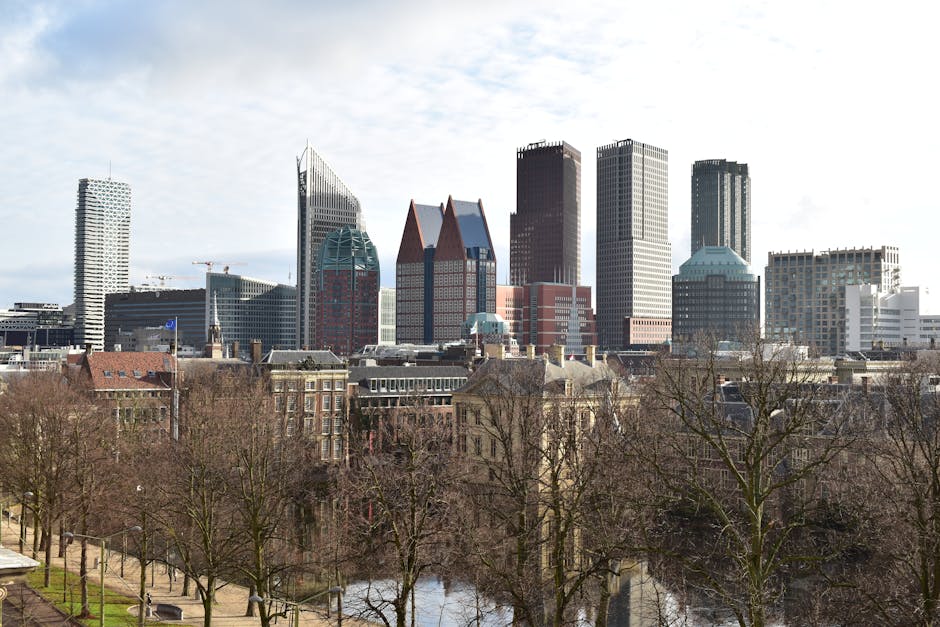
Discover the liquid history of The Hague on this self-guided walk through historic distilleries, vibrant markets, and iconic local pubs.
 Moderate
The Hague, Netherlands
Explore the gritty, creative soul of The Hague's industrial district on this self-guided street art and architecture walk.
 Easy
EasyWarsaw, Poland
Discover the hidden courtyards and grand pre-war architecture of Warsaw's most atmospheric neighborhood on this self-guided stroll.
 Easy
EasySalzburg, Austria
Discover Salzburg's oldest medieval alley, the birthplace of the 'Silent Night' author, and breathtaking views on this quiet self-guided walk.
 Easy
EasyWarsaw, Poland
Explore Warsaw's scenic riverfront, rooftop gardens, and industrial-chic architecture on this self-guided stroll through the Powiśle district.
 Easy
EasyHelsinki, Finland
Discover Helsinki's oldest neighborhood on this self-guided audio walk through Kruununhaka’s historic streets, hidden courtyards, and scenic shores.
 Easy
EasyAmsterdam, Netherlands
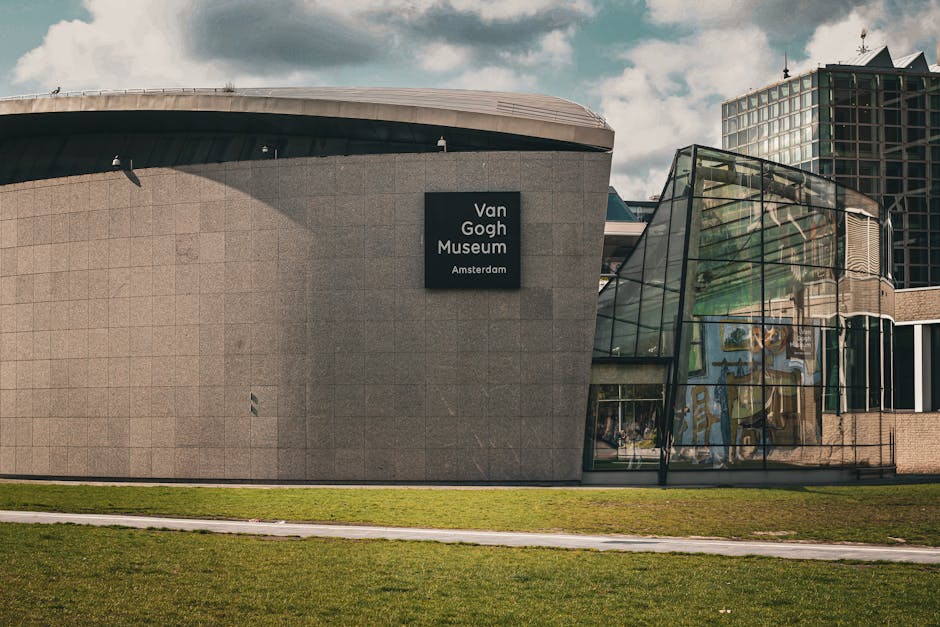
Discover Amsterdam's cultural heart on this self-guided walk from the iconic Museumplein to the serene blooming gardens of Vondelpark.
 Easy
EasyAmsterdam, Netherlands
Discover Amsterdam's literary heart on this self-guided walk through historic bookshops, writers' haunts, and the homes of revolutionary thinkers.
 Easy
EasyAmsterdam, Netherlands
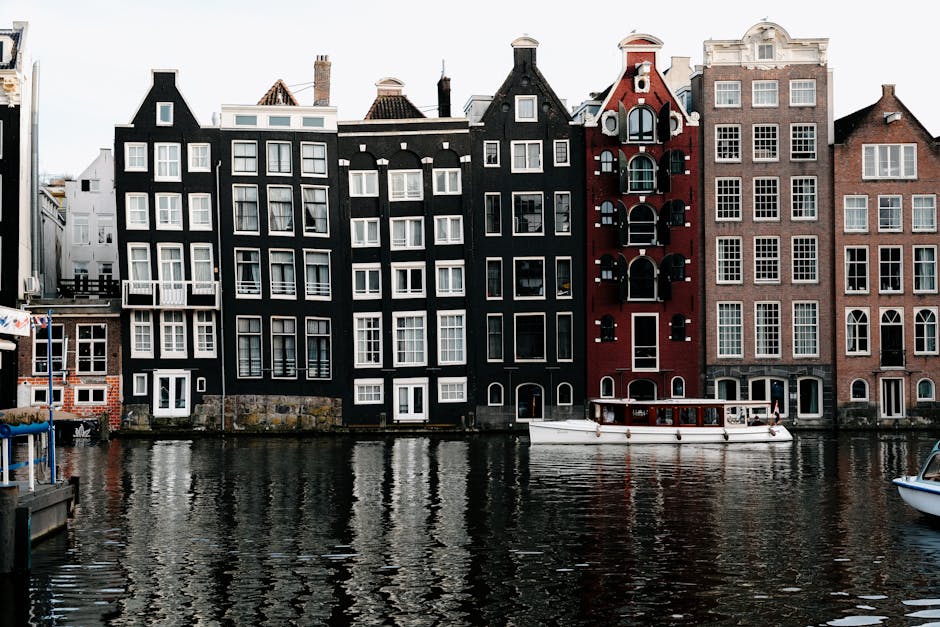
Capture the magic of Amsterdam with this self-guided photography walk across the iconic bridges and scenic banks of the Amstel River.
 Easy
EasyAmsterdam, Netherlands
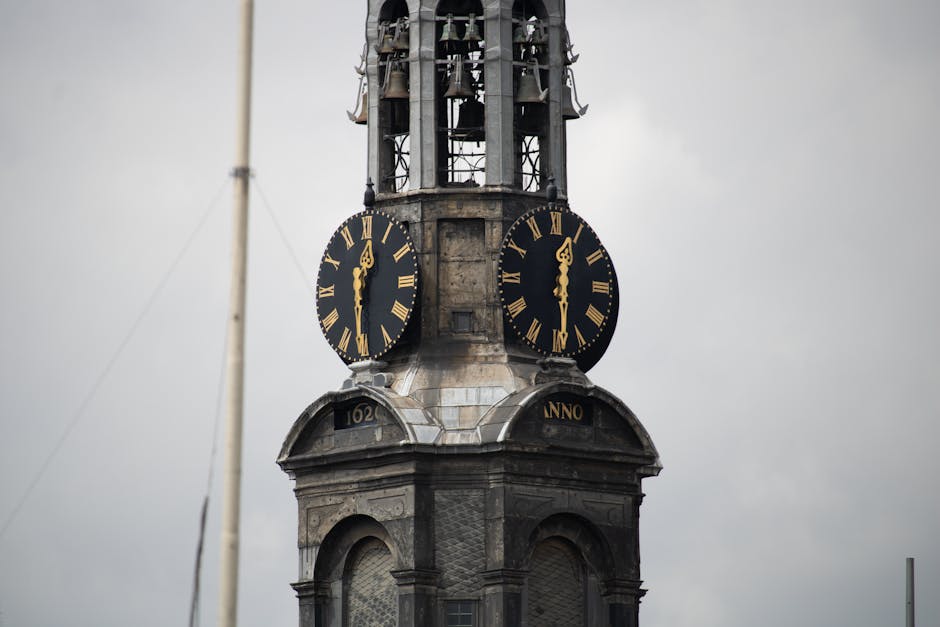
Discover the opulent 17th-century mansions and rich history of Amsterdam's famous Canal Belt on this self-guided architectural walking route.
