Step back into the 17th century and explore the vibrant artistic legacy of Utrecht, a city that rivaled Amsterdam as a cultural powerhouse during the Dutch Golden Age. While Amsterdam had Rembrandt, Utrecht had the Caravaggisti—a group of rebellious painters who traveled to Italy and returned with a revolutionary style defined by dramatic lighting and gritty realism. This self-guided walk leads you through the atmospheric Museumkwartier, where the cobblestone streets and hidden courtyards still echo the footsteps of masters like Hendrick ter Brugghen and Gerrit van Honthorst. This neighborhood stroll is more than just an art history lesson; it is an immersion into the religious and social shifts that shaped the Netherlands. You will begin at a former medieval convent, now housing one of the country's most significant collections of religious art, before weaving through the city to discover the grand residence of the only Dutch Pope in history. Along the walking route, you will encounter the 'cross of churches' that defined Utrecht's medieval layout and visit the sites that inspired the precise architectural paintings of Pieter Saenredam. The journey culminates in the heart of the museum district, where the largest collection of Utrecht Caravaggisti works in the world is housed. This travel experience allows you to discover the city's unique Romanesque and Gothic architecture while understanding why Utrecht remained a bastion of Catholic tradition and Italian-inspired flair in a predominantly Protestant nation. Whether you are a dedicated art enthusiast or a curious traveler, this audio walk offers a flexible way to explore the intersections of faith, power, and creativity. Discover at your own pace as the narration unveils the stories behind the facades, from the twin towers of the Nicolaïkerk to the serene remains of the Mariaplaats cloister. It is an essential route for anyone looking to understand the soul of Utrecht beyond the famous Dom Tower.
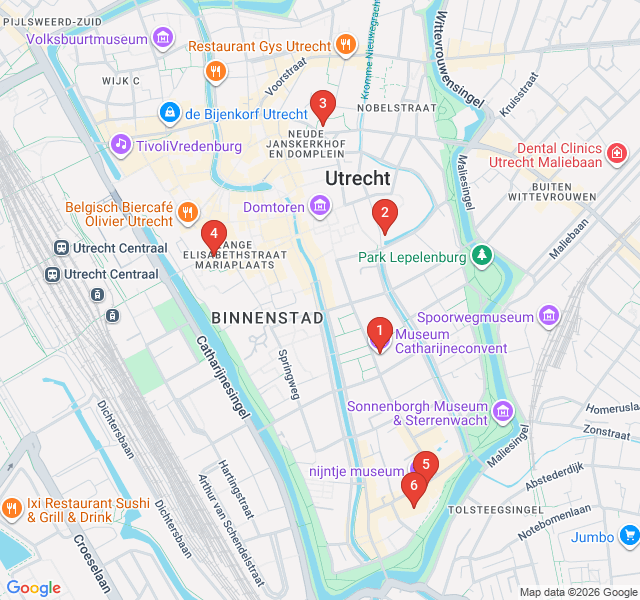
Numbers indicate the order of stops on the tour
Welcome to the start of your journey into Utrecht's Golden Age. You are standing before the Museum Catharijneconvent, a former medieval monastery dedicated to Saint Catherine. This site is the perfect introduction to the city's artistic soul because it bridges the gap between the medieval religious world and the creative explosion of the 17th century. While much of the Netherlands turned toward austere Protestantism, Utrecht maintained deep Catholic roots, which heavily influenced its artists. Inside this complex, the evolution of Dutch art is on full display, from shimmering altarpieces to the dramatic canvases of the Utrecht Caravaggisti. Take a moment to admire the late-Gothic architecture of the courtyard, which provides a serene escape from the modern city and sets the stage for the stories of faith and light that define this walking route.
As you reach this grand building, you are looking at Paushuize, or 'The Pope's House.' It was built in 1517 for Adriaan Florenszoon Boeyens, the Utrecht-born man who would become Pope Adrian VI—the only Dutchman ever to hold the papacy. Though he died in Rome before he could return to live here, the house remains a symbol of Utrecht's prestige and its unique connection to Italy. This Italian influence is a recurring theme in the city's art history. The Utrecht painters who traveled to Rome were inspired by the works of Caravaggio, and that same spirit of international ambition is reflected in the Renaissance and Gothic elements of this facade. It is one of the oldest and most significant heritage sites in the city, representing a time when Utrecht was the center of the northern world's religious and political life.
Before you stands the Janskerk, one of the four original 'cross churches' that formed a symbolic crucifix around the Dom Tower. Founded in the 11th century, this Romanesque structure has survived centuries of transformation. During the Golden Age, churches like this were favorite subjects for architectural painters like Pieter Saenredam, who was famous for his clean, white-washed interior views that captured the light and space of the Reformation era. While the Caravaggisti focused on the drama of people and shadows, Saenredam focused on the drama of the buildings themselves. As you look at the sturdy red-brick exterior and the choir, imagine the transition from the ornate Catholic decorations of the past to the minimalist, light-filled spaces that defined the Dutch aesthetic in the 1600s.
You are now in Mariaplaats, a square that once housed the grand Mariakerk, one of the most beautiful Romanesque churches in the Low Countries. Although the church was demolished in the 19th century, its spirit lives on in the paintings of the Dutch masters. Pieter Saenredam depicted its unique architecture frequently, and today, only the 11th-century cloister remains tucked away behind the square. This area was a hub for the city's elite and its artistic community. The square retains a peaceful, creative atmosphere, often hosting markets or musicians. It serves as a reminder of the 'lost' Utrecht—the medieval city that was gradually reshaped during the Golden Age into the vibrant, canal-lined cultural center we see today.
This is the highlight for any art lover exploring the city. The Centraal Museum is housed in a former medieval convent and is the oldest municipal museum in the Netherlands. It holds the definitive collection of the Utrecht Caravaggisti— Hendrick ter Brugghen, Gerrit van Honthorst, and Dirck van Baburen. These artists were the 'rock stars' of their time, bringing back a style from Rome that used 'chiaroscuro'—an intense contrast between light and dark. Their work influenced even the great Rembrandt. Even if you don't go inside today, the building itself is a masterpiece of adaptive reuse, blending medieval walls with modern design. It stands as a testament to Utrecht's enduring commitment to fostering world-class art and preserving the history of its most famous creative sons.
Your walk concludes at the Nicolaïkerk, the parish church of the Museumkwartier. Easily recognized by its distinctive twin towers, this church has stood here since the 12th century. It was originally dedicated to Saint Nicholas, the patron saint of sailors—a nod to Utrecht's history as a river port. During the 17th century, this neighborhood was home to many of the artists you've learned about today. The church’s carillon, which still rings out over the city, was cast by the famous Hemony brothers in the 1600s, adding a Golden Age soundtrack to the streets. From here, you are perfectly positioned to enjoy the cafes along the Oudegracht or continue exploring the nearby botanical gardens. This church serves as a sturdy, beautiful anchor to a neighborhood that remains the heart of Utrecht's artistic identity.
Download Zigway to experience "The Golden Age of Utrecht Painting" with AI-powered audio narration. Walk at your own pace while stories unfold around you.
 Easy
EasyUtrecht, Netherlands
Explore Utrecht's 2,000-year history from Roman fortresses to medieval cathedrals on this self-guided audio walk through the city center.
 Easy
EasyUtrecht, Netherlands
Explore Utrecht's industrial evolution on this self-guided walk from the medieval Dom Tower to the creative warehouses and design hubs of Rotsoord.
 Easy
EasyUtrecht, Netherlands
Explore Utrecht’s liquid history on this self-guided walk from historic canal-side cafes to modern craft breweries.
 Moderate
Utrecht, Netherlands
Explore Utrecht's longest street on this self-guided walk featuring giant murals, industrial heritage, and the famous 'Boekenkast' street art.
 Easy
EasyGothenburg, Sweden
Explore Gothenburg's elegant academic district, featuring grand 19th-century stone architecture and the iconic cultural hub of Götaplatsen.
 Easy
EasyGothenburg, Sweden
Discover Gothenburg’s 17th-century Dutch foundations, historic canals, and military fortifications on this self-guided architectural walk.
 Easy
EasyKrakow, Poland
Explore the prestigious Jagiellonian University district, featuring Neo-Gothic architecture, Baroque churches, and Krakow's hidden scholarly gems.
 Easy
EasyNairobi, Kenya
Explore Nairobi's architectural evolution from colonial-era landmarks to iconic Brutalist skyscrapers on this historic self-guided walking route.
 Easy
EasyAmsterdam, Netherlands
Discover Amsterdam's cultural heart on this self-guided walk from the iconic Museumplein to the serene blooming gardens of Vondelpark.
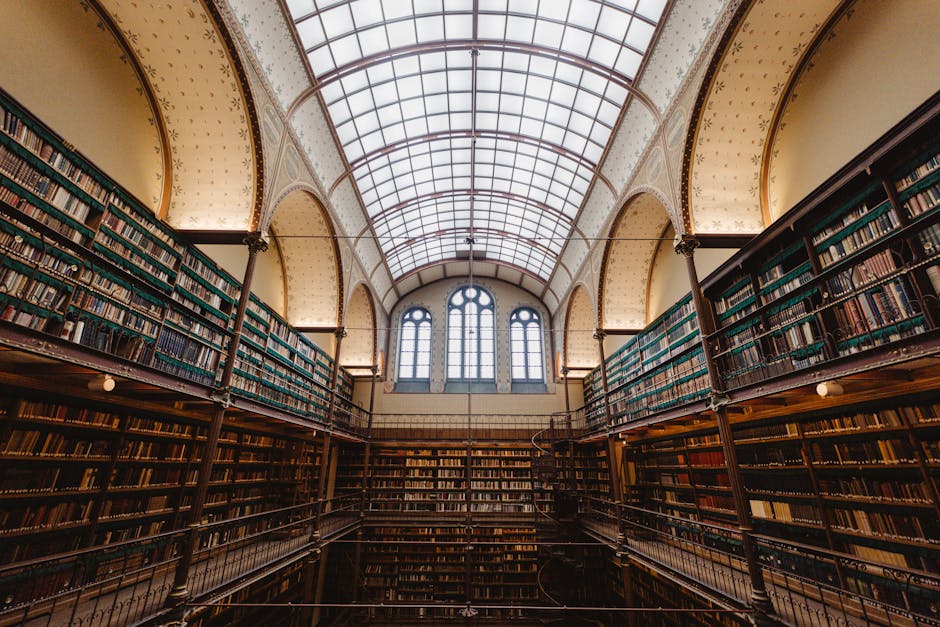 Easy
EasyAmsterdam, Netherlands
Discover Amsterdam's literary heart on this self-guided walk through historic bookshops, writers' haunts, and the homes of revolutionary thinkers.
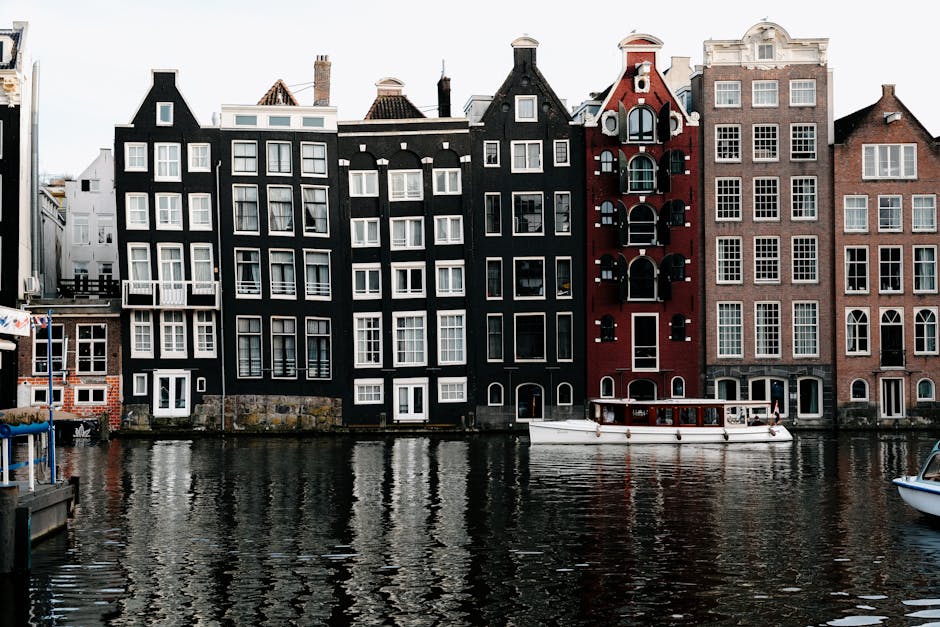 Easy
EasyAmsterdam, Netherlands
Capture the magic of Amsterdam with this self-guided photography walk across the iconic bridges and scenic banks of the Amstel River.
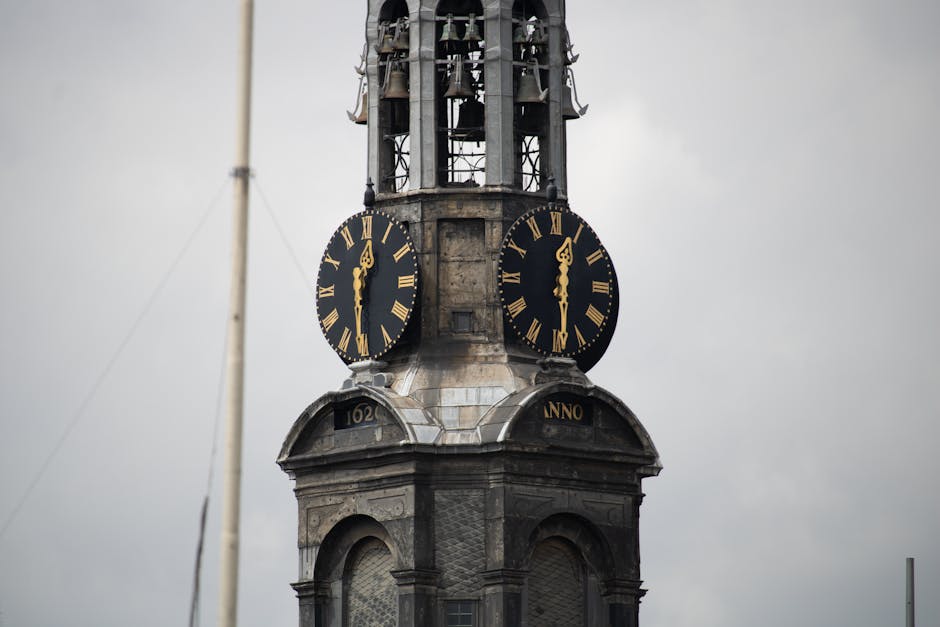 Easy
EasyAmsterdam, Netherlands
Discover the opulent 17th-century mansions and rich history of Amsterdam's famous Canal Belt on this self-guided architectural walking route.
