Step into the heart of the Red City and discover the echoes of empires. This self-guided walk through the Marrakech Medina is a journey through time, connecting the intellectual rigor of ancient Islamic schools with the opulent legacies of the sultans who once ruled North Africa. As you navigate the winding alleys, you will uncover the layers of history that transformed Marrakech from a desert outpost into a center of global power and architectural innovation. This route focuses on the monumental heritage of the Almohad and Saadian dynasties, offering an independent way to explore the city's most significant landmarks without the constraints of a traditional walking tour Marrakech. The journey begins at the Madrasa Ben Youssef, a masterpiece of 16th-century craftsmanship that served as the largest Islamic college in North Africa. From there, you will traverse the Medina toward the iconic Koutoubia Mosque, whose minaret has served as a navigational beacon for centuries. The path then leads you through the imposing Bab Agnaou, the royal gateway to the Kasbah district, where the hidden Saadian Tombs lay forgotten for centuries. You will conclude your exploration amidst the ruins of the once-golden El Badi Palace and the intricate, sprawling courtyards of the Bahia Palace. Throughout this neighborhood stroll, the audio narration provides context on the evolution of Moroccan architecture, from the stark geometric precision of the Almohads to the lavish, floral-inspired carvings of the later viziers. This self-guided adventure allows you to set your own pace, whether you choose to spend an hour photographing the zellij tilework or simply soak in the atmosphere of the historic Mellah. By following this walking route, you gain a deep understanding of how Marrakech became a crossroads of culture, art, and scholarship, all while enjoying the freedom to explore independently.
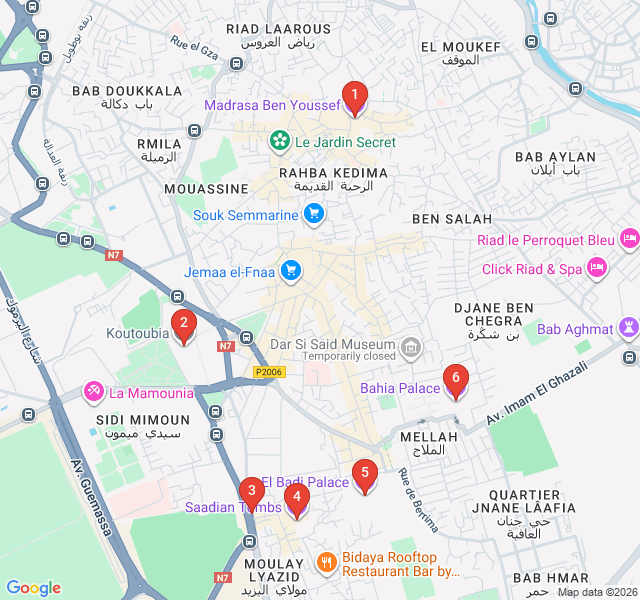
Numbers indicate the order of stops on the tour
Founded in the 14th century and rebuilt in the 16th by the Saadian Sultan Abdallah al-Ghalib, this was once the largest Islamic college in North Africa, housing up to 800 students. As you stand in the central courtyard, notice the harmony of materials: Italian Carrara marble, intricately carved cedar wood from the Atlas Mountains, and 'zellij'—hand-cut geometric tiles. The inscription over the entrance reads, 'May whoever enters my door have his highest hopes exceeded.' The small, cell-like rooms upstairs offer a stark contrast to the courtyard's opulence, reminding us of the scholarly devotion that defined this intellectual hub.
The Koutoubia is the spiritual heart of Marrakech. Its name comes from the Arabic 'al-Koutoubiyyin,' or booksellers, as dozens of manuscript sellers once surrounded its base. Completed in the 12th century under the Almohad Caliph Yaqub al-Mansur, its minaret served as the architectural blueprint for the Giralda in Seville and the Hassan Tower in Rabat. While non-Muslims cannot enter the mosque, the exterior reveals the evolution of Moorish design, featuring different decorative motifs on each of the four faces of the tower. Look up at the top to see the three golden copper spheres, which legend says were originally made from the melted-down jewelry of a sultan's wife.
Built in the 12th century, Bab Agnaou is the most impressive of the nineteen gates of Marrakech. It served as the royal entrance to the Kasbah, the fortified administrative district of the city. Unlike many other gates made of red brick, this one was constructed using blue-grey limestone, which has weathered over time into a reddish hue. The horseshoe arch is decorated with concentric semi-circles and floral patterns, featuring a large Kufic script inscription of verses from the Quran. In centuries past, this gate was a site of public display, where the heads of executed rebels were occasionally hung to deter dissent against the Sultan.
These tombs remained a secret to the outside world until they were spotted from the air by French officials in 1917. They serve as the final resting place for Sultan Ahmad al-Mansur and his successors. The most famous room is the Hall of Twelve Columns, where the Sultan is buried beneath a ceiling of gilded honeycomb carvings and Italian marble pillars. The beauty of the site was preserved because the Alaouite Sultan Moulay Ismail, who destroyed the nearby El Badi Palace, feared desecrating the graves and instead chose to wall them off, leaving them frozen in time for nearly 200 years.
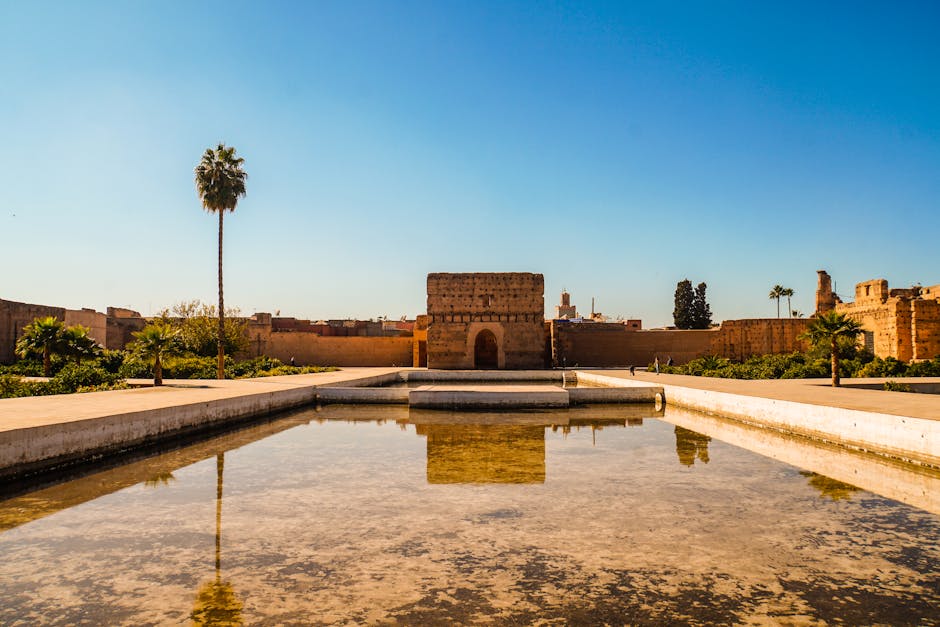
Once known as 'The Incomparable,' this palace was commissioned by Sultan Ahmad al-Mansur following his victory in the Battle of the Three Kings in 1578. It was funded by a massive ransom of gold from Portugal. In its heyday, the walls were encrusted with gold, turquoise, and crystal. Today, it stands as a majestic ruin, its massive sunken gardens and reflecting pools giving a sense of its former scale. Look up at the high ramparts to see the many white storks that have made the palace their permanent home. Don't miss the Koutoubia Minbar, a 12th-century wooden pulpit housed in a small museum on-site.
The Bahia Palace, meaning 'The Brilliance,' was built in the late 19th century by Grand Vizier Si Moussa and later expanded by his son, Ba Ahmed. Unlike the earlier royal sites, this palace reflects the tastes of the Moroccan elite just before the colonial era. It is a sprawling complex of 160 rooms, riads, and courtyards, designed so that no two rooms are alike. The most famous area is the Grand Cour d'Honneur, a massive marble courtyard surrounded by the apartments of the Vizier's four wives and his harem. The painted cedar wood ceilings and stained-glass windows are among the finest examples of late-Islamic art in the city.
Download Zigway to experience "Sultans and Scholars: The Royal Medina Route" with AI-powered audio narration. Walk at your own pace while stories unfold around you.
 Challenging
Marrakech, Morocco
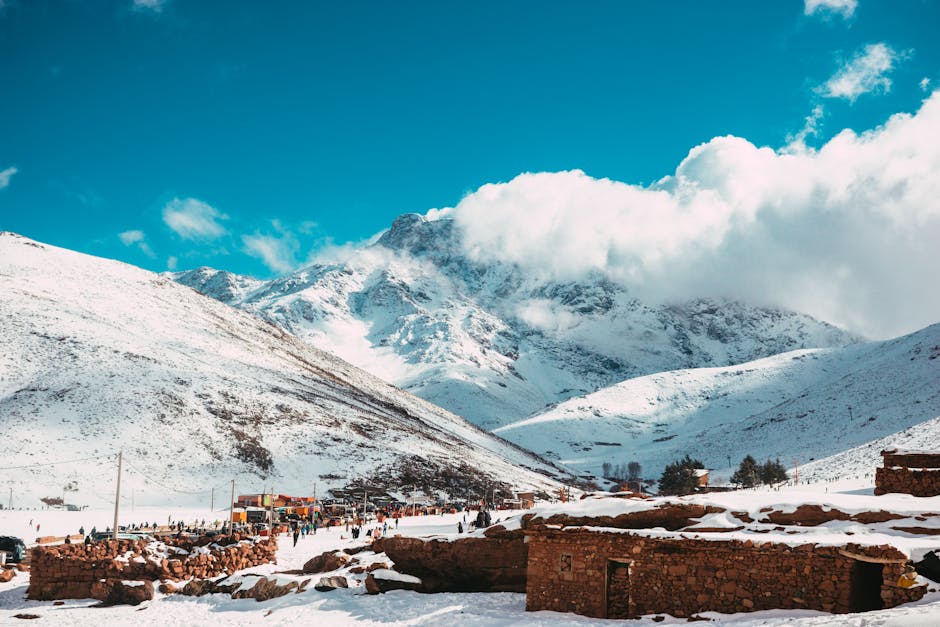
Discover the 'Sabatu Rijal' on this self-guided spiritual walk through the Medina's historic shrines and hidden Sufi landmarks.
 Easy
EasyMarrakech, Morocco
Follow the footsteps of Yves Saint Laurent through Marrakech's iconic gardens and colonial landmarks on this elegant self-guided fashion walk.
 Easy
EasyMarrakech, Morocco
Discover the stylish side of the Red City on this self-guided walk through Marrakech's premier design concept stores and contemporary art galleries.
 Easy
EasyMarrakech, Morocco
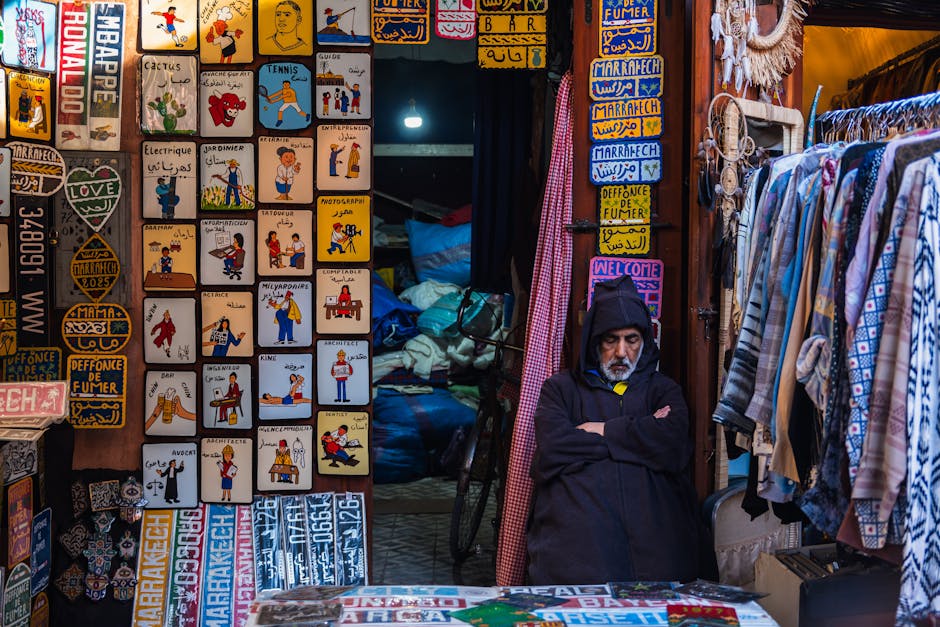
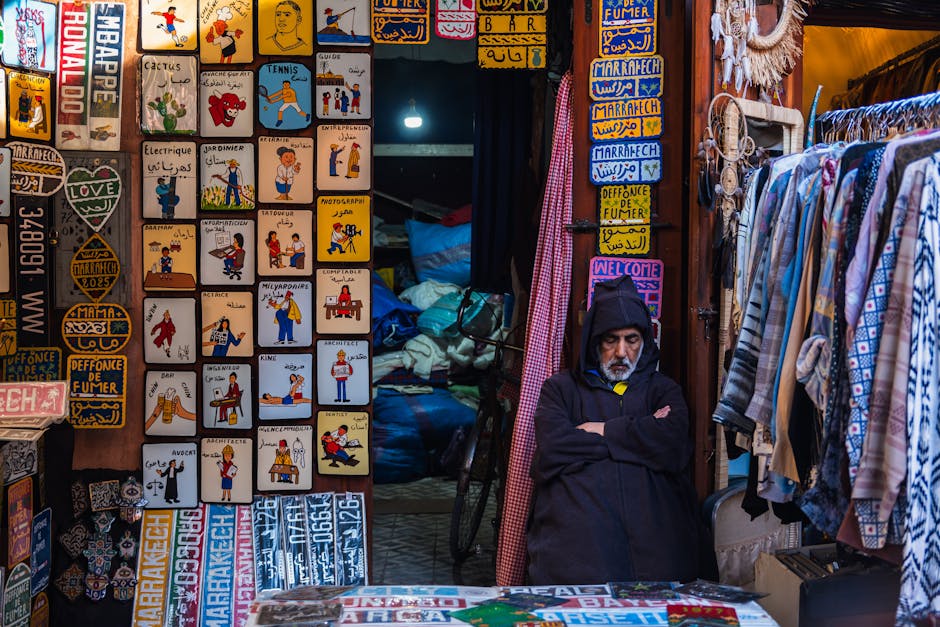
Discover the intricate art and hidden history of Marrakech's historic doors and riads on this self-guided architectural walk through Mouassine.
 Easy
EasyWarsaw, Poland
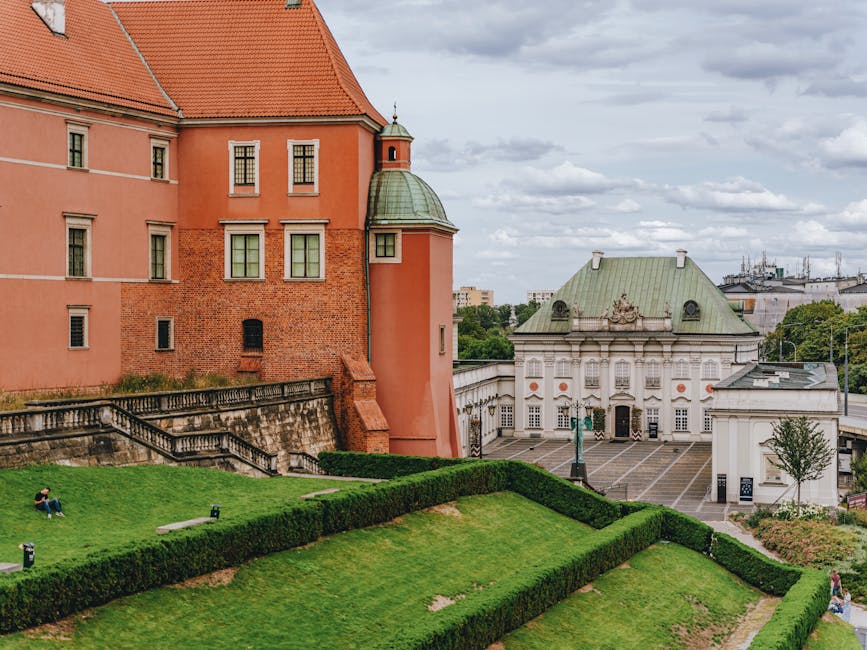
Explore the miracle of Warsaw's reconstructed Old Town on this self-guided walk through royal squares, medieval walls, and heroic monuments.
 Moderate
Gothenburg, Sweden
Discover Gothenburg’s maritime soul on this self-guided walk from the historic Central Station to the scenic riverfront at Stenpiren.
 Moderate
Vienna, Austria
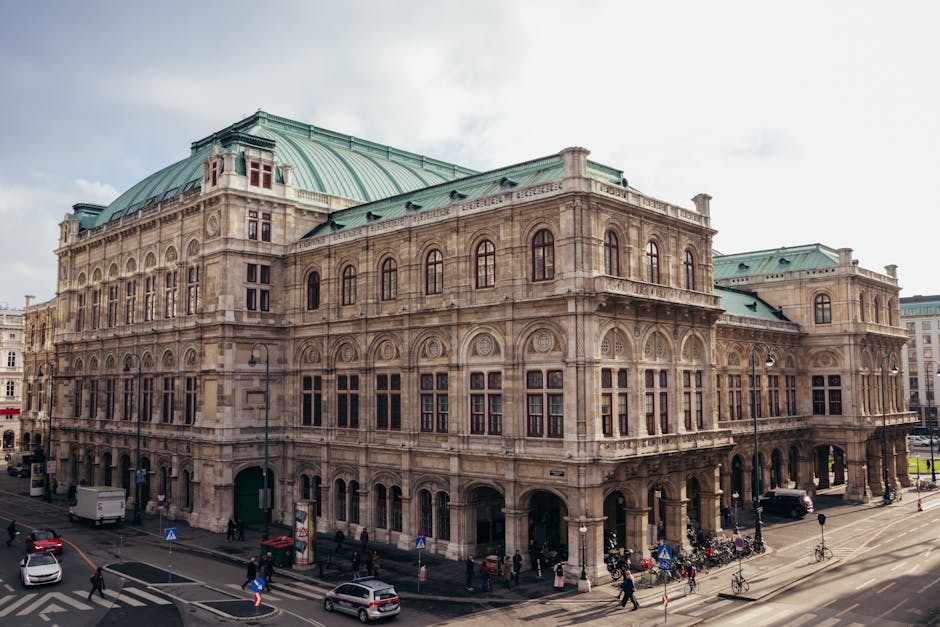
Follow the footsteps of Mozart and Strauss through Vienna’s historic center on this self-guided walk through the city's rich musical history.
 Easy
EasyGdansk, Poland
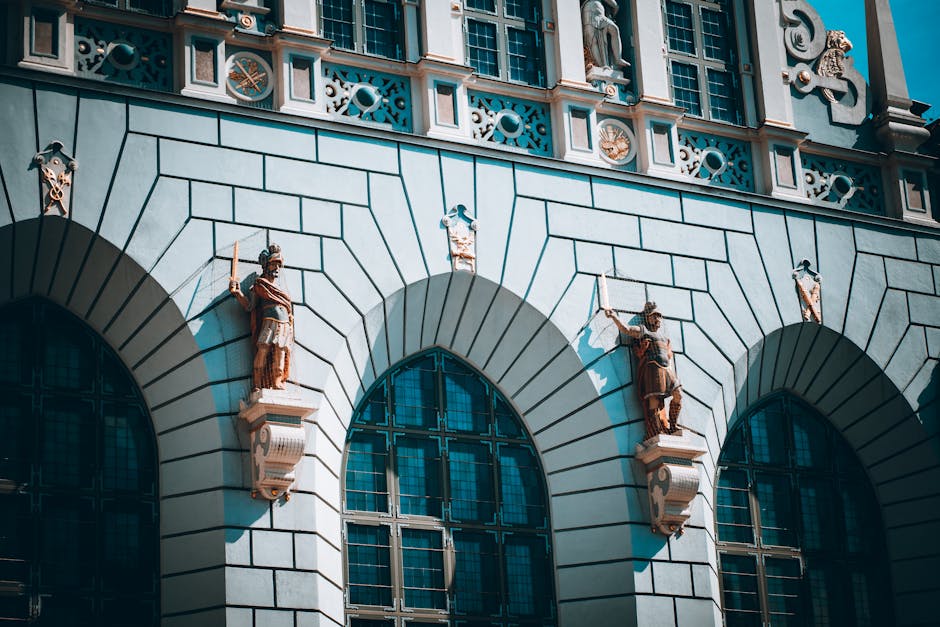
Discover the opulent Royal Way of Gdansk at your own pace. Explore Hanseatic history, gilded architecture, and the iconic Neptune's Fountain.
 Moderate
Fes, Morocco
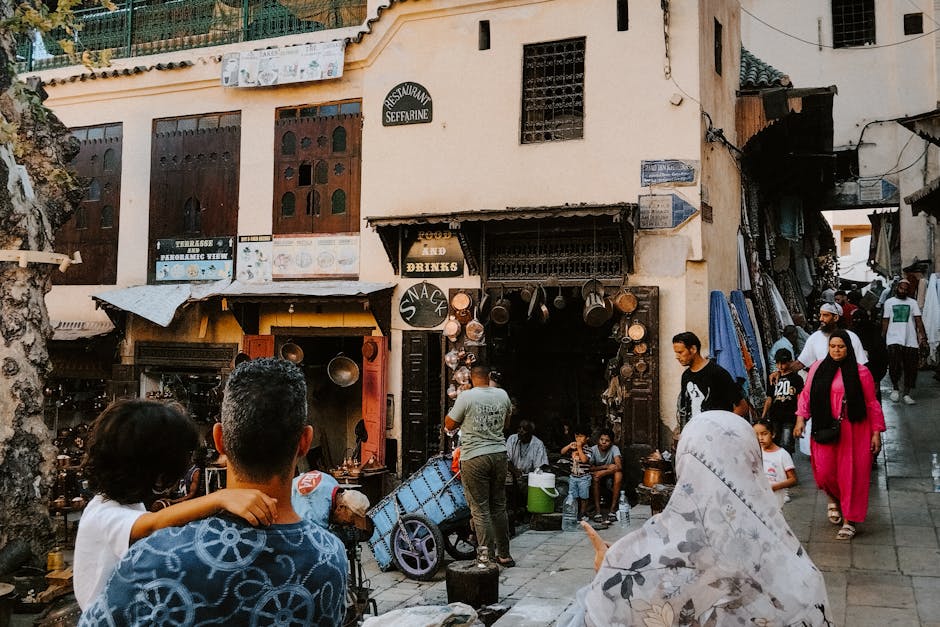
Taste your way through the medieval medina of Fes. Discover ancient spice markets, hidden street eats, and the evolution of Moroccan flavors.
 Easy
EasyFes, Morocco
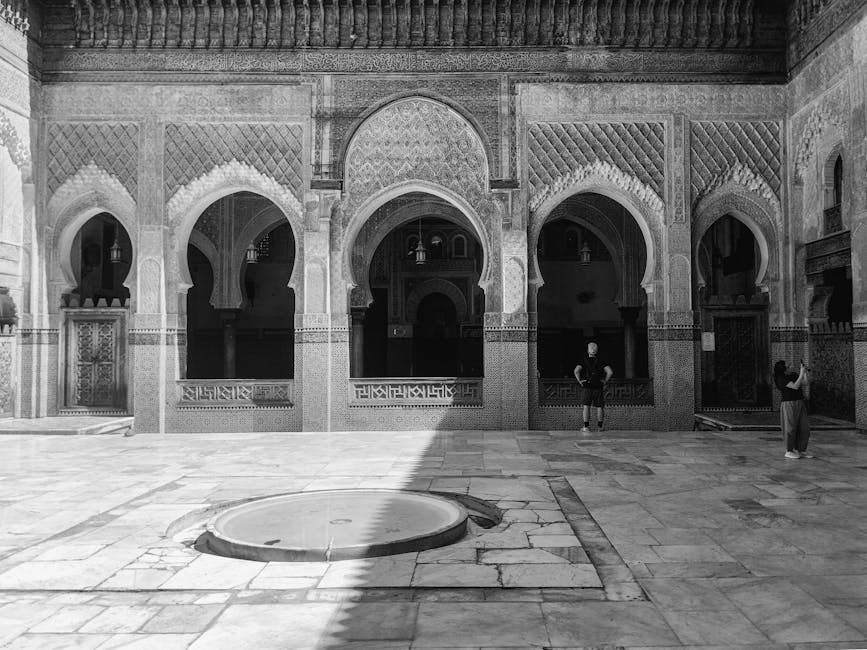
Explore the French-era boulevards and Art Deco gems of Fes on this self-guided walk through the vibrant Ville Nouvelle neighborhood.
 Challenging
Fes, Morocco
Ascend the northern hills of Fes for a breathtaking sunset walk overlooking the world's largest car-free urban space and ancient royal ruins.
 Easy
EasyFes, Morocco
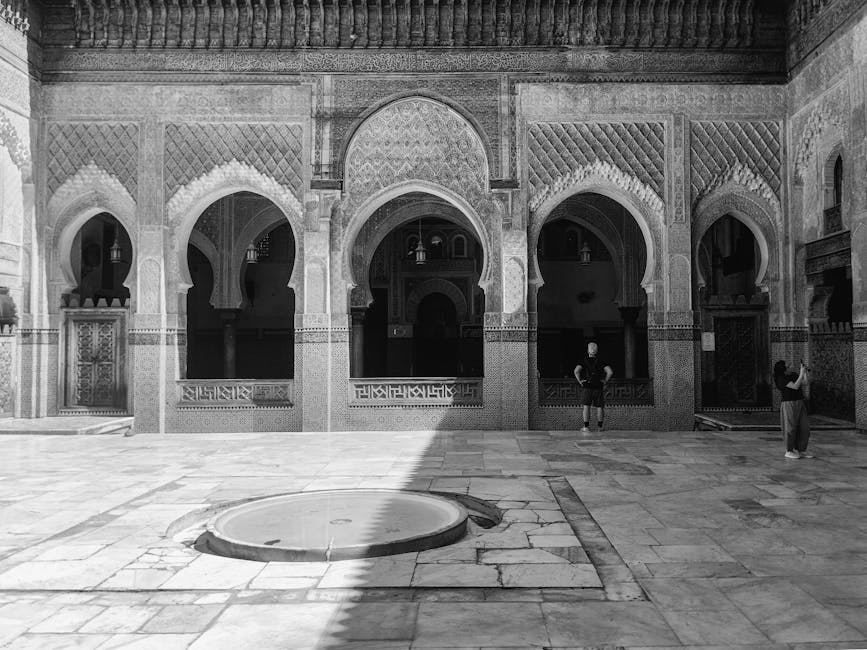
Discover the architectural wonders of Fes. Explore medieval madrasas and sacred sites on this self-guided walk through the ancient medina.
