Step into the sensory heart of Fes el Bali, a UNESCO World Heritage site and the world's largest car-free urban area. This self-guided walk invites you to navigate the labyrinthine alleys of the medina, where the air shifts from the fragrance of cedarwood to the sharp, earthy scent of ancient tanneries. On this walking route, you will experience the living history of Moroccan craftsmanship, moving beyond the surface-level bustle to understand the traditions that have sustained this city for over a millennium. Fes is a city of layers, and this neighborhood stroll is designed to peel them back at your own pace. Your journey begins at the Place en-Nejjarine, home to the beautifully restored Museum of Wooden Arts and Crafts. From there, you will weave through the Henna Souk, one of the oldest markets in the city, where pottery and traditional cosmetics are still sold under the shade of ancient trees. As you explore independently, you will encounter the Cherratine Madrasa, a 17th-century center of learning, before emerging into the rhythmic clanging of Place Seffarine, where coppersmiths have hammered out their trade for centuries. This route captures the essence of a walking tour Fes is famous for: a mix of architectural grandeur and gritty, authentic industry. The climax of this exploration is the iconic Chouara Tannery. Known for its honeycomb of stone vessels filled with vibrant dyes, it is perhaps the most photographed site in Morocco. While many visitors feel the need for a guided tour Fes locals often recommend finding a high terrace to observe the process from above. Finally, the walk concludes at Bab Guissa, a monumental gate that offers a transition from the dense medina to the open hills overlooking the city. Whether you are a photography enthusiast or a history buff, this self-guided adventure provides the freedom to linger where you choose, capturing the soul of Fes without the pressure of a group.
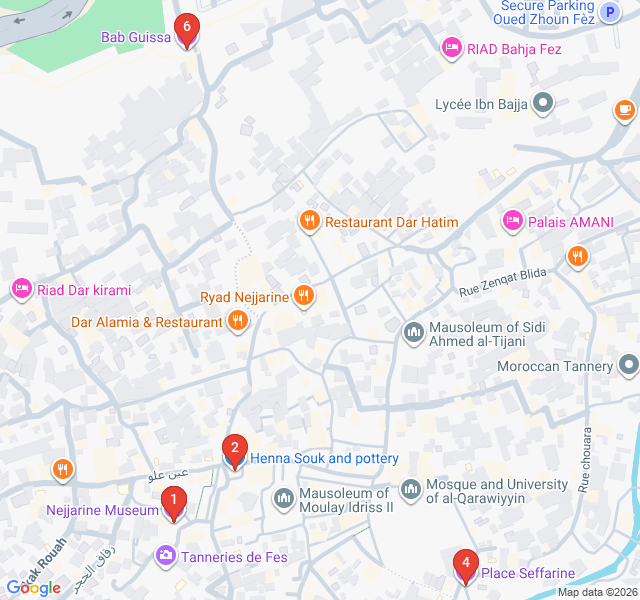
Numbers indicate the order of stops on the tour
Start your journey at Place en-Nejjarine. The museum is housed in a former 'fondouk'—an 18th-century inn for traveling merchants. Look up at the cedarwood canopy over the entrance; it is a masterpiece of Moroccan 'zellige' and carved wood. Inside, the three floors of galleries showcase everything from traditional wedding chests to musical instruments and tools. The architecture of the building itself, with its central courtyard and intricately carved balconies, is as much a museum piece as the artifacts. It serves as a testament to the guild of carpenters who have worked in this plaza for generations.
Leaving the woodwork behind, you enter the Henna Souk. This is one of the oldest and most atmospheric markets in Fes, shaded by large plane trees. Originally a site for a 13th-century hospital (Maristan), it now serves as the center for traditional cosmetics. You will find mounds of green henna powder, black soap, and ghassoul clay. This is also a primary spot for Fassi pottery, recognizable by its distinct cobalt blue patterns. The pace here is slightly slower than the main thoroughfares, allowing you to observe the locals shopping for their beauty and household essentials.
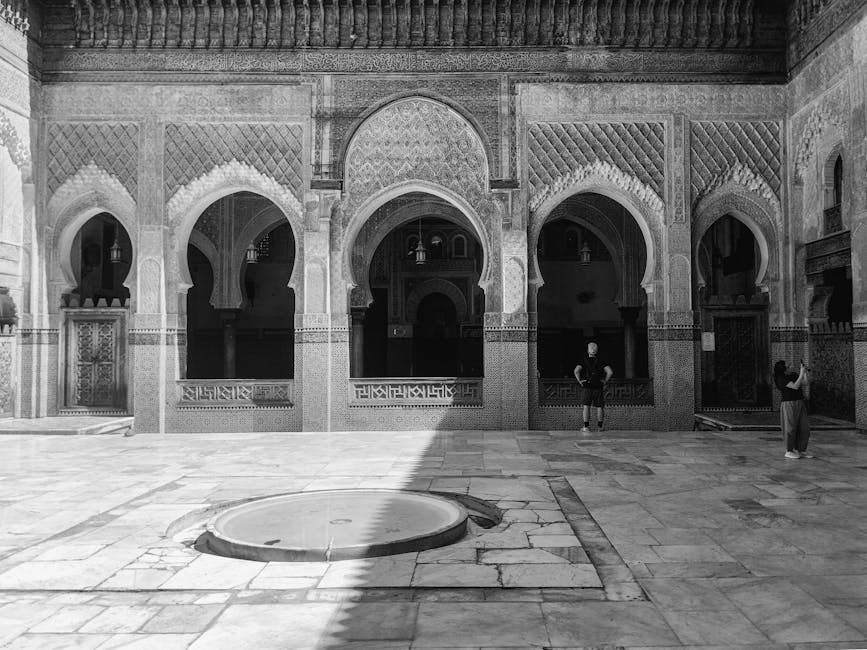
Tucked away in the winding streets is the Cherratine Madrasa, commissioned by Sultan Moulay Rashid in 1670. Unlike the more famous Al-Attarine Madrasa, this school is known for its more functional, yet still beautiful, design. It was built to house students from across Morocco, and you can still see the small, austere dorm rooms surrounding the central courtyard. The bronze-plated doors and the intricate plasterwork (stucco) offer a quiet space for reflection away from the market noise. It highlights the long-standing importance of Fes as a center of Islamic scholarship and residential student life.
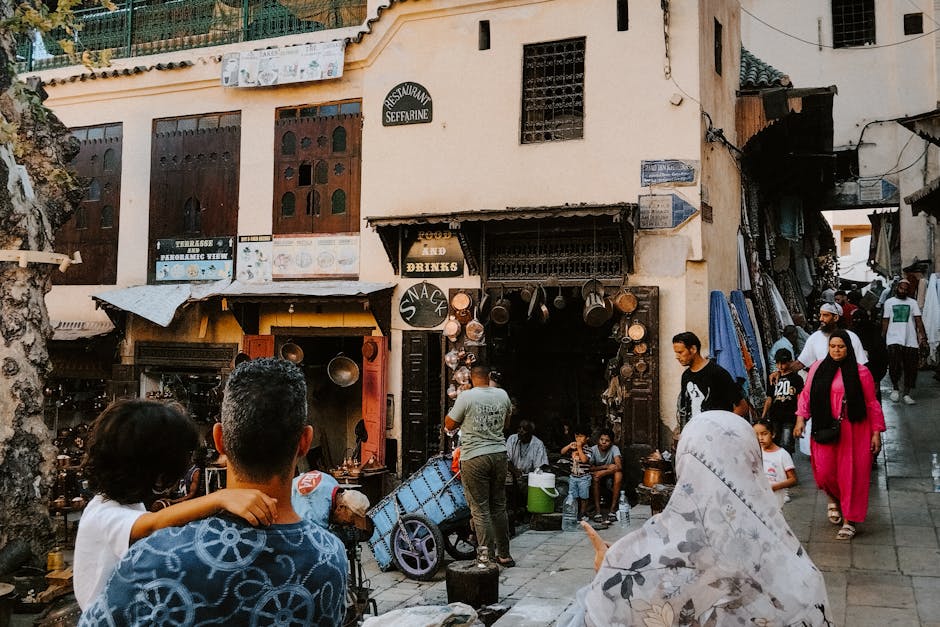
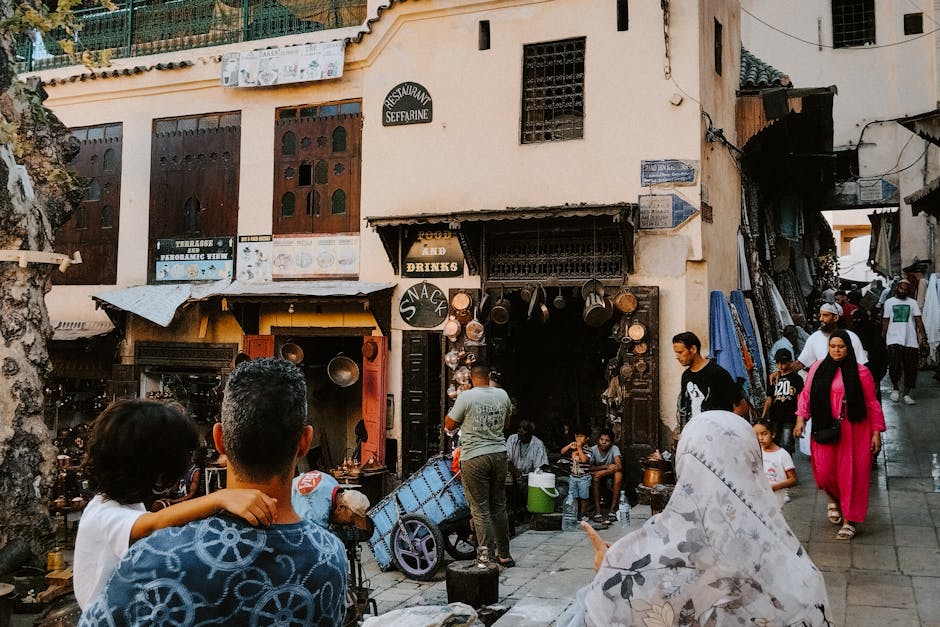
As you approach Place Seffarine, you will hear it before you see it. This small square is the domain of the coppersmiths. The rhythmic, metallic 'cling-clang' is the sound of artisans hammering out massive cauldrons, teapots, and trays. In the center of the square stands a large tree, and surrounding it are workshops that have been in the same families for centuries. This square also sits adjacent to the library of the Al-Quaraouiyine University, the oldest continually operating educational institution in the world. It is a perfect spot to witness the raw, industrial energy that still powers the old city.
Prepare your senses as you reach the Chouara Tannery, the largest and oldest of its kind in Fes. Since the 11th century, leather has been processed here using the same natural ingredients: pigeon droppings, limestone, and vegetable dyes like saffron and poppy. From the surrounding leather shop balconies, you can look down upon hundreds of stone pits filled with colored liquids. Workers stand waist-deep in the vats, treading on the hides to soften them. It is a grueling, ancient process that produces some of the finest leather in the world. Many shops will offer you a sprig of mint to help with the pungent aroma.
Your walk concludes at Bab Guissa, a monumental 12th-century gate on the northern edge of the medina. This gate served as a primary entrance for travelers arriving from the north. Just outside the gate lies the Bab Guissa Cemetery and the Merenid Tombs on the hill above. The atmosphere here is a stark contrast to the cramped streets you just navigated—open, breezy, and offering a wide-angle view of the green-tiled roofs and minarets of Fes el Bali. It is a place where locals often gather at sunset to look over the city and reflect on the day.
Download Zigway to experience "The Scent of History: Chouara Tannery and Artisan Souks" with AI-powered audio narration. Walk at your own pace while stories unfold around you.
 Moderate
Fes, Morocco
Taste your way through the medieval medina of Fes. Discover ancient spice markets, hidden street eats, and the evolution of Moroccan flavors.
 Easy
EasyFes, Morocco
Explore the French-era boulevards and Art Deco gems of Fes on this self-guided walk through the vibrant Ville Nouvelle neighborhood.
 Challenging
Fes, Morocco
Ascend the northern hills of Fes for a breathtaking sunset walk overlooking the world's largest car-free urban space and ancient royal ruins.
 Easy
EasyFes, Morocco
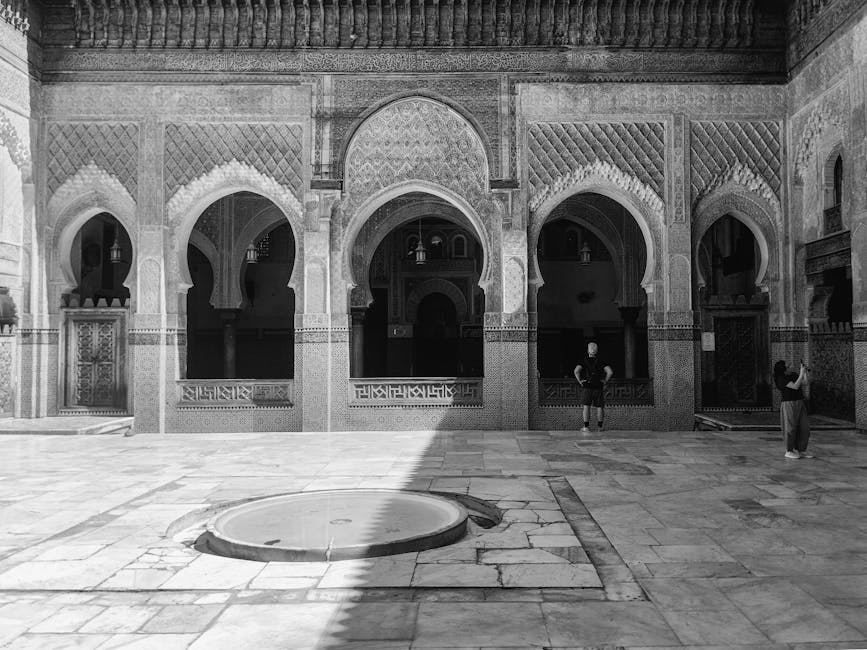
Discover the architectural wonders of Fes. Explore medieval madrasas and sacred sites on this self-guided walk through the ancient medina.
 Easy
EasyNairobi, Kenya
Discover Nairobi's iconic skyline on this self-guided architecture walk through the CBD’s most famous modernist and Brutalist landmarks.
 Moderate
Vienna, Austria
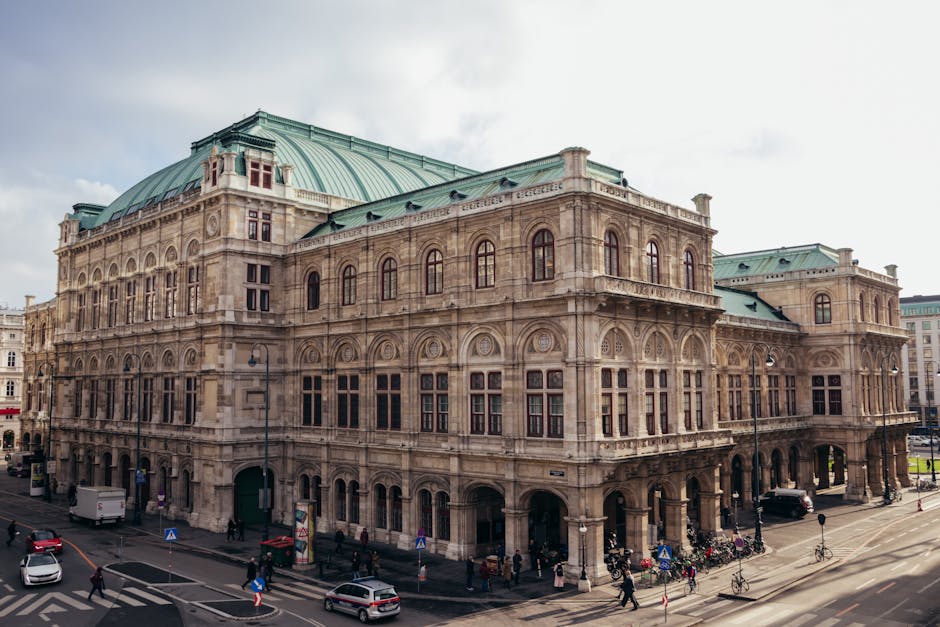
Discover the noir world of The Third Man and Cold War Vienna on this atmospheric self-guided audio walk through the historic Innere Stadt.
 Easy
EasySalzburg, Austria
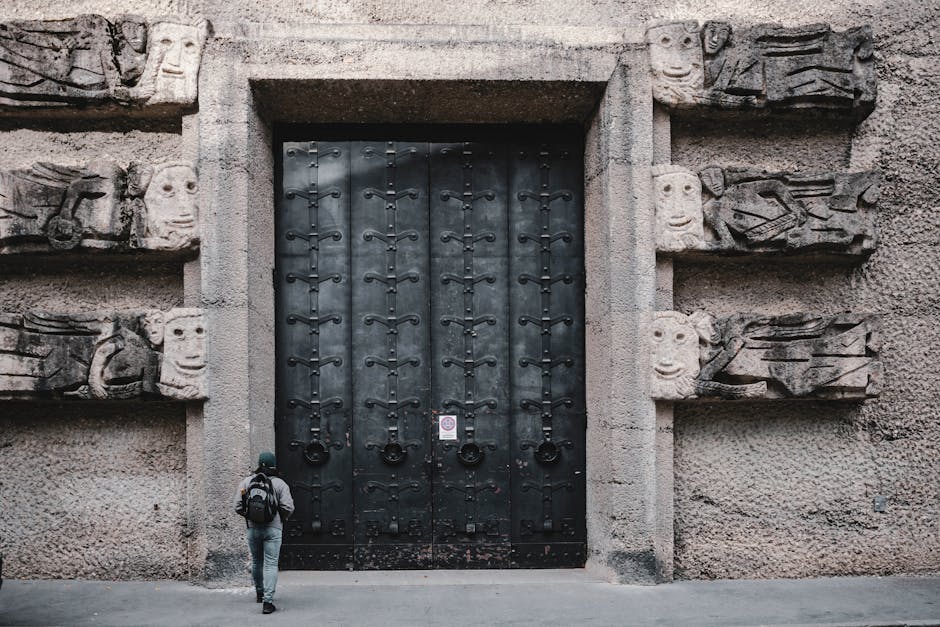
Discover the 'Rome of the North' on this self-guided walk through the Baroque squares and monumental legacy of Salzburg’s Prince-Archbishops.
 Easy
EasyGdansk, Poland
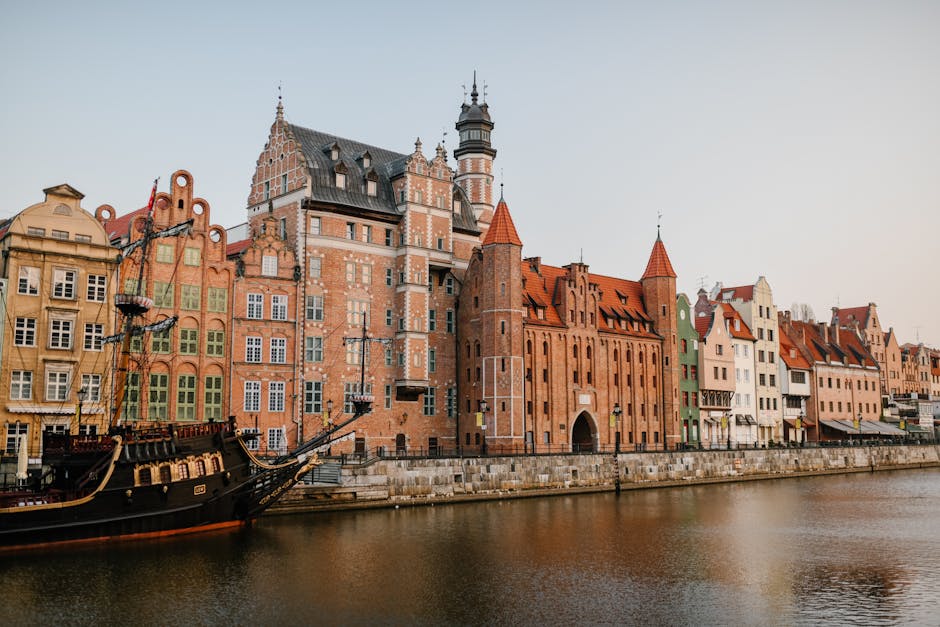
Discover the 'Baltic Gold' on this self-guided walk through Gdansk's historic mills, massive cathedrals, and the magical Mariacka Street.
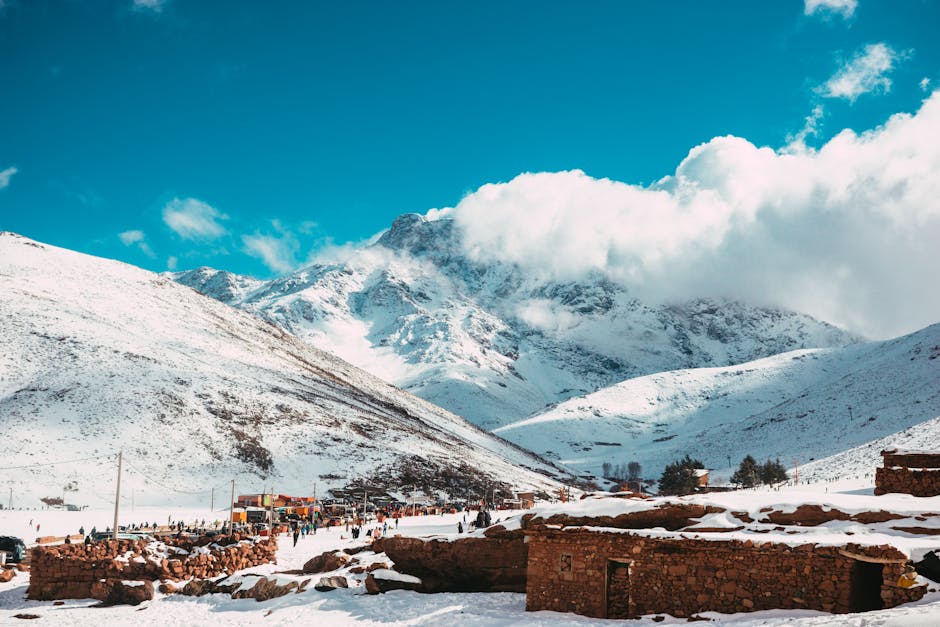 Challenging
Marrakech, Morocco
Discover the 'Sabatu Rijal' on this self-guided spiritual walk through the Medina's historic shrines and hidden Sufi landmarks.
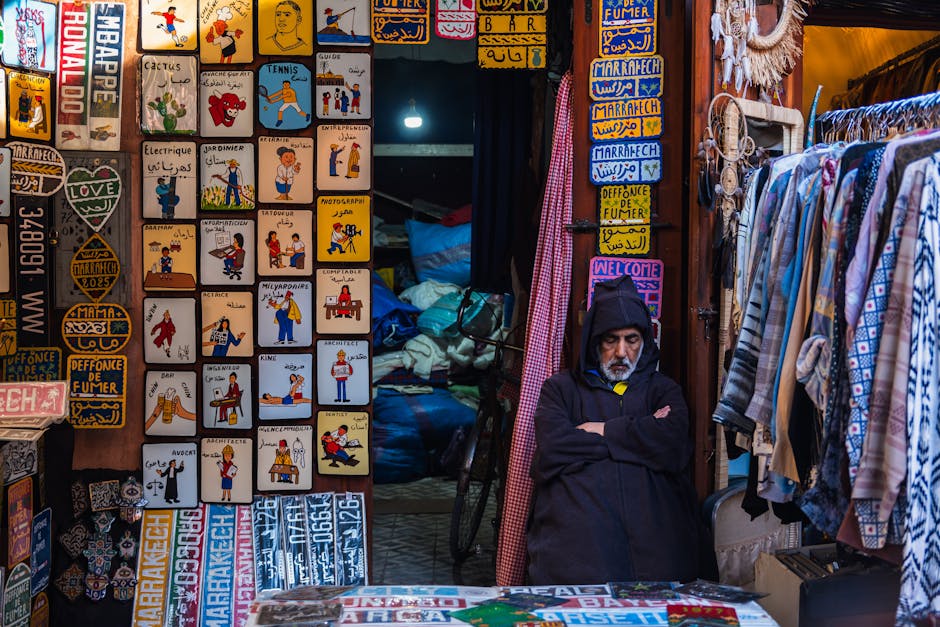 Easy
EasyMarrakech, Morocco
Follow the footsteps of Yves Saint Laurent through Marrakech's iconic gardens and colonial landmarks on this elegant self-guided fashion walk.
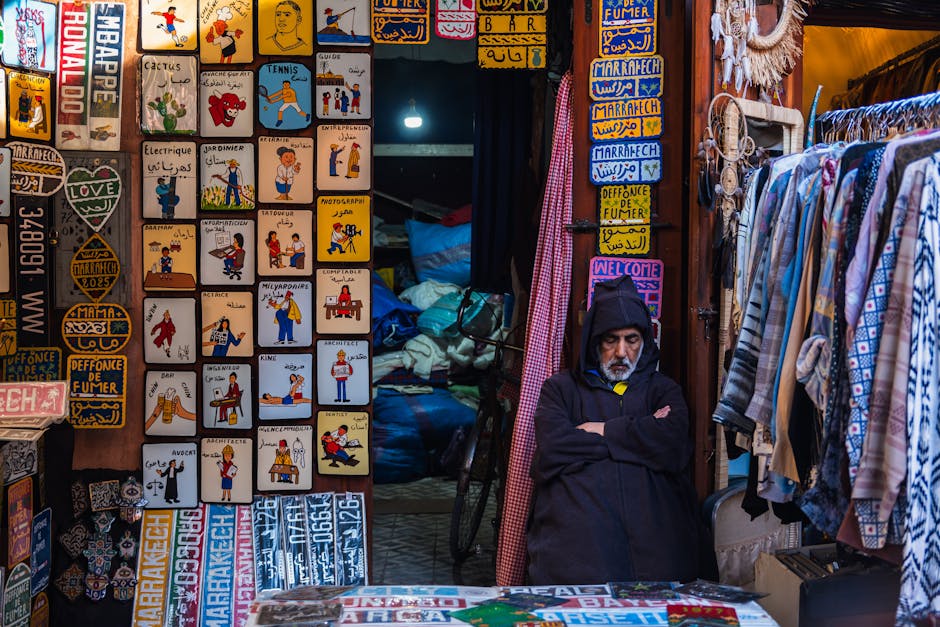 Easy
EasyMarrakech, Morocco
Discover the stylish side of the Red City on this self-guided walk through Marrakech's premier design concept stores and contemporary art galleries.
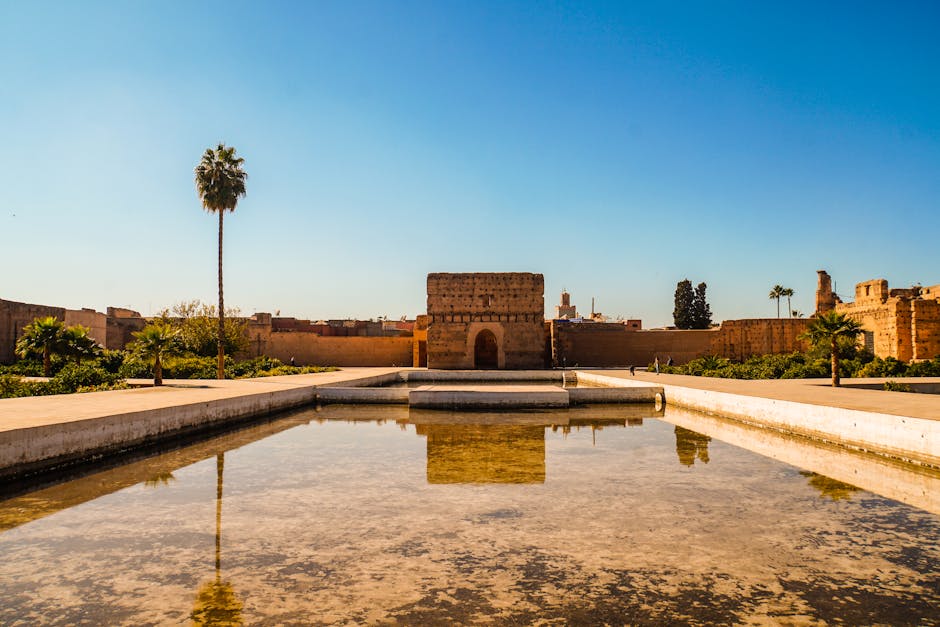 Easy
EasyMarrakech, Morocco
Discover the intricate art and hidden history of Marrakech's historic doors and riads on this self-guided architectural walk through Mouassine.
