Bilbao has undergone a radical transformation from a gritty industrial port to a global capital of culture, and nowhere is this metamorphosis more visible than along the banks of the Nervión River. This self-guided walk through the Abandoibarra district invites you to explore an open-air gallery where the world’s most renowned architects and sculptors have left their mark. Instead of being confined to a museum, the art here breathes with the city, interacting with the light, the water, and the avant-garde architecture that surrounds it. This walking route is designed for those who want to experience the soul of modern Bilbao at their own pace. Your journey begins at the iconic Guggenheim Museum Bilbao, a masterpiece of titanium and limestone that redefined the city's skyline. As you wander along the riverfront promenade, you will encounter a curated collection of public art that spans from the surrealist visions of Salvador Dalí to the heavy, industrial ironwork of Basque master Eduardo Chillida. The route highlights the dialogue between the city’s maritime past and its creative present. You will see how Anish Kapoor’s reflective spheres play with the museum’s shimmering facade and how Santiago Calatrava’s bridge connects the old and new parts of the city with skeletal elegance. Beyond the famous landmarks, this neighborhood stroll offers countless opportunities for photography, with the river serving as a mirror for the bold shapes of the Abandoibarra district. Whether you are an art aficionado or simply a curious traveler, this self-guided adventure provides the historical context and artistic insight needed to appreciate Bilbao’s outdoor collection. The path is flat, accessible, and winds through some of the city’s most beautiful green spaces, making it a perfect way to spend a morning or afternoon in the Basque Country. By following this walking route, you can discover why Bilbao is considered one of the most successful examples of urban renewal in the world.
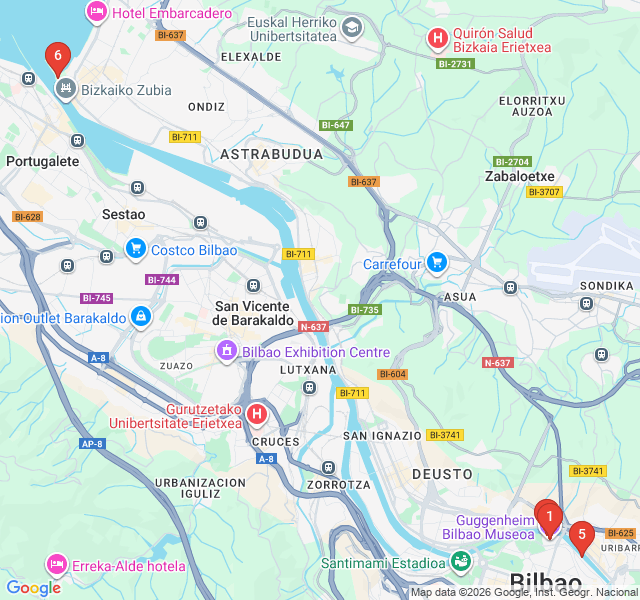
Numbers indicate the order of stops on the tour
Welcome to the heart of Bilbao's cultural revolution. Designed by Frank Gehry and opened in 1997, this titanium-clad marvel is more than just a museum; it is a sculpture in itself. The building’s organic, swirling shapes were inspired by the scales of a fish and the hulls of ships, paying homage to Bilbao’s maritime history. As you stand outside, notice how the light changes on the metal panels. Don't miss the 'external' residents of the museum, like Jeff Koons' flower-covered 'Puppy' or Louise Bourgeois' giant spider, 'Maman.' This site sparked the 'Guggenheim Effect,' turning a declining industrial city into a global tourist destination.
Located in the pond behind the Guggenheim, this striking installation by Anish Kapoor consists of 73 reflective stainless steel spheres anchored around three axes. The work is a masterclass in optical illusion and mathematical precision. As you look at the spheres, you’ll see the museum, the sky, and the river reflected and refracted in a complex web of images. Kapoor intended to create a sense of weightlessness and infinite space. The spheres act like eyes, observing the observer, and the 'tall tree' structure suggests a biological or molecular form, bridging the gap between nature and high-tech engineering.
Standing tall on the Abandoibarra promenade is 'Begirari IV,' a powerful iron sculpture by the legendary Basque artist Eduardo Chillida. The title translates to 'The Watchman' or 'The Lookout' in Euskara. Chillida was famous for his ability to make heavy, industrial materials like iron and steel appear as if they were organic and searching for meaning. This piece, standing nearly 7 meters tall, looks out over the river like a silent guardian of the city’s heritage. Its rugged, oxidized surface connects the modern promenade to the iron-working traditions that once dominated the Basque economy.
Here you encounter a touch of surrealism in the middle of a modern park. This bronze sculpture by Salvador Dalí represents Terpsichore, the Muse of Dance in Greek mythology. Characteristically Dalíesque, the figure is divided into two distinct parts: a smooth, classical feminine form and a more jagged, cubist-inspired section. This contrast explores the duality between the grace of movement and the rigid structure of form. It’s a rare opportunity to see a Dalí work in a public, open-air setting, standing in dialogue with the more contemporary and industrial pieces elsewhere on the riverfront.
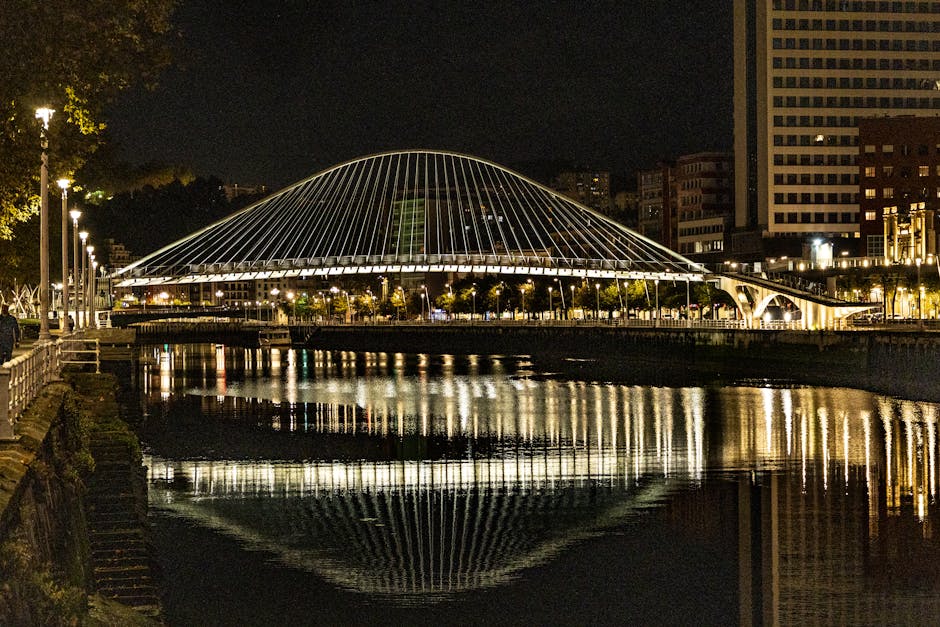
The 'Zubizuri,' which means 'White Bridge' in Basque, is one of Bilbao’s most recognizable landmarks. Designed by the architect Santiago Calatrava, its elegant tied-arch design and glass-tile walkway resemble a sail caught in the wind. Since its opening in 1997, it has been both praised for its beauty and criticized for its practicality—the glass tiles famously became slippery in Bilbao’s frequent rain, leading the city to install a rubber carpet. The bridge serves as a vital pedestrian link between the Abandoibarra district and the historic streets of the right bank, symbolizing the connection between the city's past and its future.
To reach this final stop, you will travel toward the mouth of the river in Getxo. This grand monument honors Evaristo de Churruca, the engineer responsible for the 'Iron Pier' and the canalization of the Nervión River. Without his work in the late 19th century, the heavy ships that built Bilbao’s wealth could never have navigated these waters safely. The monument features a lighthouse and a bronze figure representing the struggle between man and the sea. It serves as a poignant reminder that before the art and the titanium, Bilbao was a city built on the grit, engineering, and determination of people who tamed the river.
Download Zigway to experience "Riverfront Sculptures: An Open-Air Gallery" with AI-powered audio narration. Walk at your own pace while stories unfold around you.
 Easy
EasyBilbao, Spain
Explore Bilbao’s elegant Museum Mile and its lush 'Green Lung' on this self-guided stroll through art, architecture, and romantic gardens.
 Easy
EasyBilbao, Spain
Discover the vibrant murals, industrial history, and bohemian soul of 'Bilbi' on this self-guided neighborhood stroll through Bilbao's coolest district.
 Easy
EasyBilbao, Spain
Follow the life of philosopher Miguel de Unamuno through Bilbao's Casco Viejo on this literary self-guided walk.
 Easy
EasyBilbao, Spain
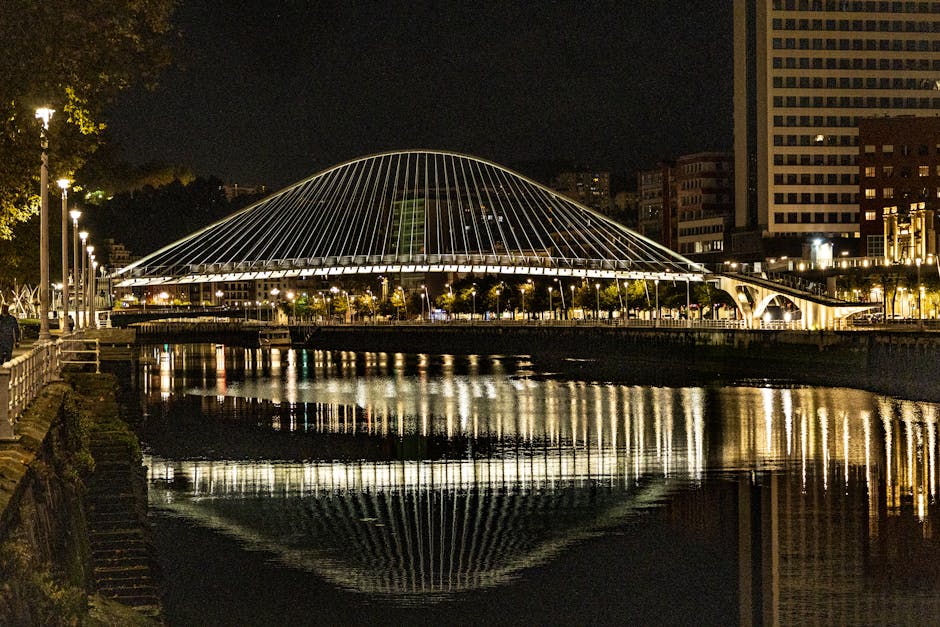
Trace Bilbao's industrial roots and maritime legacy on this self-guided stroll along the Nervión river, from historic shipyards to local Olabeaga.
 Easy
EasyNairobi, Kenya
Discover Nairobi's iconic skyline on this self-guided architecture walk through the CBD’s most famous modernist and Brutalist landmarks.
 Easy
EasyGdansk, Poland
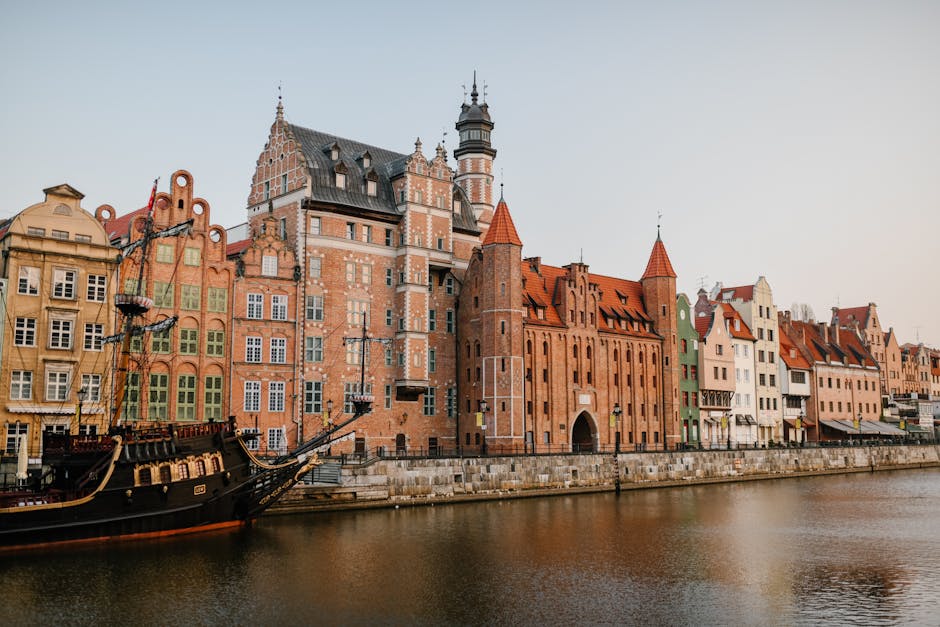
Discover the 'Baltic Gold' on this self-guided walk through Gdansk's historic mills, massive cathedrals, and the magical Mariacka Street.
 Easy
EasyWarsaw, Poland
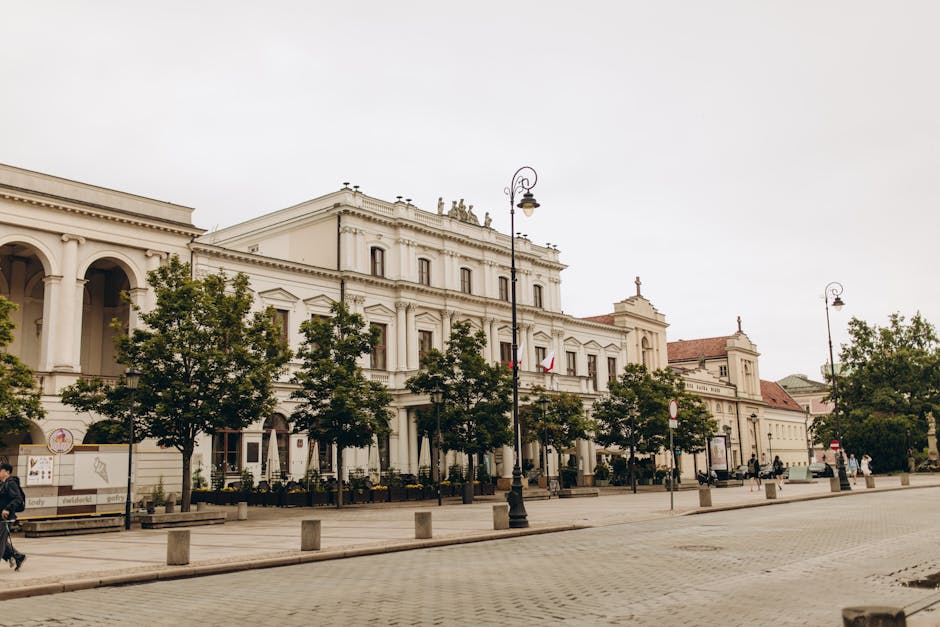
Discover Warsaw's intellectual heart through historic campuses, peaceful parks, and the stunning rooftop gardens of the University Library.
 Easy
EasyNairobi, Kenya
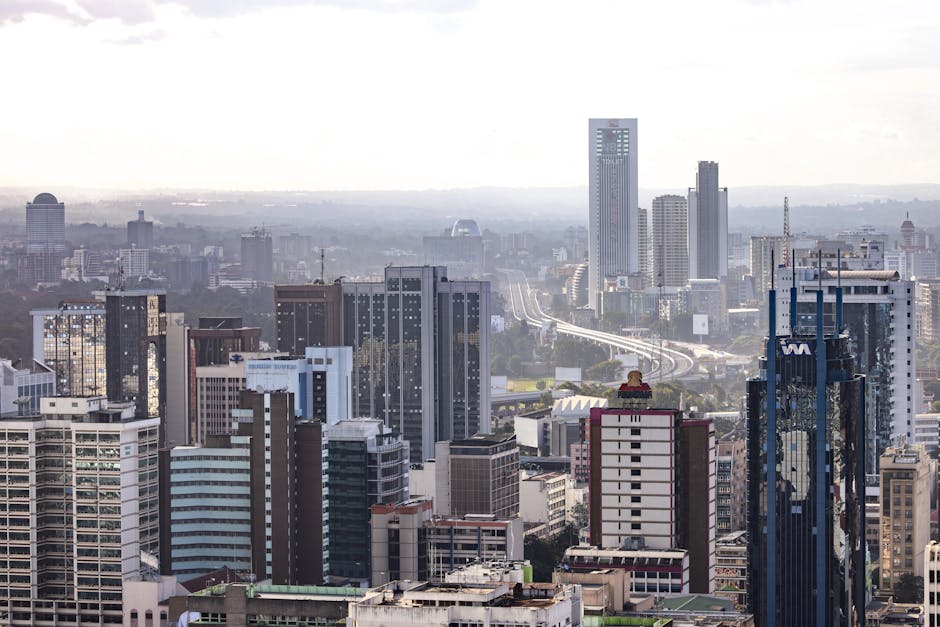
Explore Nairobi's architectural evolution from colonial-era landmarks to iconic Brutalist skyscrapers on this historic self-guided walking route.
 Moderate
Barcelona, Spain
Explore the elegant 'village' of Sarrià, where Gothic monasteries and Gaudí's hidden gems meet charming local markets and narrow streets.
 Moderate
Barcelona, Spain
Discover the revolutionary history and haunting scars of the Spanish Civil War on this self-guided walk through Barcelona's historic streets.
 Easy
EasyBarcelona, Spain
Discover the architectural wonders of Barcelona's Golden Square on this self-guided stroll through Eixample's most luxurious Modernista streets.
 Challenging
Barcelona, Spain
Explore Montjuïc’s lush gardens, historic fortress, and iconic Olympic venues on this scenic self-guided walk with panoramic Mediterranean views.
