Step into a world where cutting-edge technology meets visionary architecture. This neighborhood stroll through Munich's Milbertshofen district offers a striking contrast to the city's medieval Altstadt. Your journey begins at the intersection of industry and art, where the silver 'Salad Bowl' of the BMW Museum stands as a testament to German engineering. This walking route is designed for those who appreciate how design can shape a city's identity, leading you from the high-octane world of luxury automobiles into the sprawling, green oasis of the Olympiapark. As you explore independently, you will discover the stories behind the 1972 Summer Olympics, an event that redefined Munich on the global stage. The route highlights the revolutionary 'tent roof' of the Olympic Stadium, an engineering marvel that remains one of the most photographed structures in Germany. You will also have the opportunity to ascend the Olympiaberg, a man-made hill offering panoramic views of the city skyline and the distant Bavarian Alps. This self-guided walk is not just about the past; it explores the living legacy of the Olympic Village, now a vibrant student community where residents are encouraged to paint their own homes. Whether you are an automotive enthusiast, an architecture buff, or a sports fan, this walking route provides a comprehensive look at Munich's forward-looking spirit. Unlike a standard walking tour Munich often presents, this experience allows you to linger at the 'Double Cone' of BMW Welt or take a break in the park at your own pace. Discover how the rubble of World War II was transformed into a futuristic landscape that continues to inspire. This is the ultimate way to explore the technical and athletic heart of the city without the constraints of a group, making it a premier choice for a self-guided adventure in northern Munich.
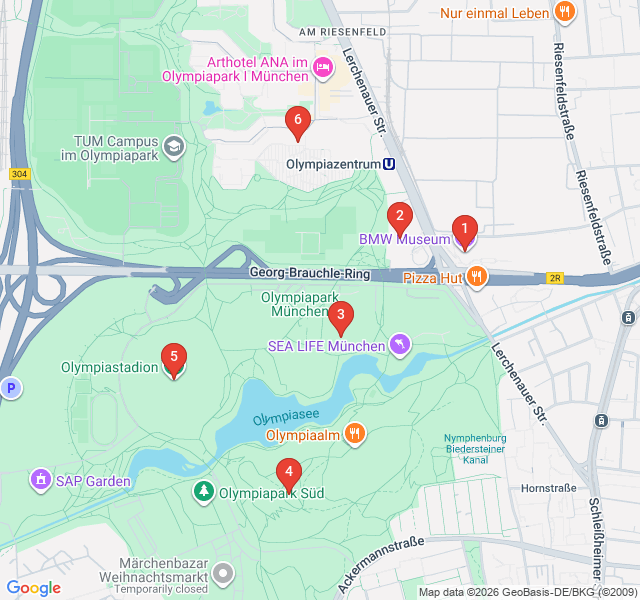
Numbers indicate the order of stops on the tour
Welcome to the start of your journey into Munich's futuristic soul. Before you stands the BMW Museum, often called the 'Salad Bowl' due to its unique circular design. Completed in 1973 by architect Karl Schwanzer, this silver structure was intended to look like a continuation of the road. Inside, the museum doesn't just show cars; it explores the evolution of movement. The architecture itself is a marvel, featuring a spiral ramp that leads visitors through different thematic islands. It stands as a symbol of Munich's post-war economic miracle and its status as a global leader in technology and design. Take a moment to appreciate how the building's smooth, windowless exterior contrasts with the surrounding greenery.
Cross the bridge to enter BMW Welt, a masterpiece of contemporary architecture designed by the firm Coop Himmelb(l)au. Notice the 'Double Cone' structure at the entrance, which looks like a swirling glass vortex. This building is not just a showroom; it is a multi-functional space that serves as a car delivery center, an exhibition hall, and an event venue. The roof is covered in a massive solar array, making it a model of sustainable industrial design. As you walk through, you'll feel the openness of the space, which was designed to feel like a modern town square. It is one of Munich's most visited attractions, representing the pinnacle of 21st-century engineering and luxury.
Towering above the park at 291 meters is the Olympiaturm, or Olympic Tower. Built in the late 1960s to provide television broadcasts for the 1972 Games, it remains one of the tallest structures in Germany. The tower is a symbol of the 'Cheerful Games,' the nickname given to the 1972 Olympics to distance the event from the 1936 Berlin Games. If you look up, you can see the observation decks which offer views as far as the Zugspitze on clear days. The tower also houses a small rock-and-roll museum at its top level, a quirky addition to this landmark of telecommunications and sports history.
As you walk toward this hill, you are actually walking on history. The Olympiaberg is a man-made hill constructed from the rubble of Munich after World War II. It was a conscious choice by the city planners to transform the remains of destruction into a place of recreation and beauty. The climb to the top is moderate, but the reward is the best view in northern Munich. From here, you can see the entire layout of the Olympic Park, including the famous roof structures. In the summer, the hillsides are often filled with locals enjoying picnics or listening to concerts that echo from the stadium nearby.
The centerpiece of the park is the Olympic Stadium, famous for its revolutionary tent-like roof. Designed by Günter Behnisch and Frei Otto, the roof consists of steel cables and acrylic glass panels that mimic the contours of the Alps. At the time of its construction, this was a world-first in engineering, moving away from the heavy, stone architecture of the past toward something light, transparent, and democratic. This stadium has hosted the 1972 Olympics, the 1974 World Cup Final, and countless legendary concerts. Its design was meant to symbolize the new, open, and modern West Germany.
Your walk concludes at the Olympic Village, specifically the student quarter. During the 1972 Games, these bungalows housed female athletes. Today, it is one of the most sought-after student residences in the city. There is a unique tradition here: every student who moves into a bungalow is allowed to paint the exterior. This has resulted in a vibrant, colorful maze of street art and personal expression. As you stroll through the narrow paths, you'll see everything from homages to famous movies to abstract geometric patterns. It is a living example of how Olympic infrastructure can be successfully repurposed for the local community.
Download Zigway to experience "Futuristic Munich: BMW Welt and the Olympic Legacy" with AI-powered audio narration. Walk at your own pace while stories unfold around you.
 Easy
EasyMunich, Germany
Explore Munich's creative heartbeat in Werksviertel-Mitte. Discover vibrant street art, upcycled containers, and rooftop sheep on this urban stroll.
 Moderate
Munich, Germany
Discover river surfing, iconic Greek temples, and Bavarian beer culture on this scenic self-guided walk through Munich's English Garden.
 Easy
EasyMunich, Germany
Discover Munich's culinary heart on this self-guided walk through the vibrant Viktualienmarkt and its legendary food stalls.
 Easy
EasyMunich, Germany
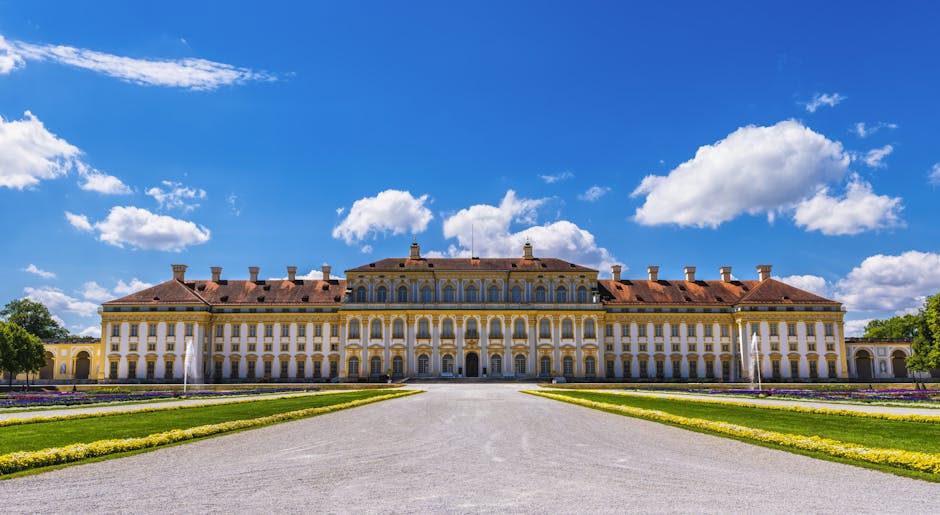
Explore the majestic gardens and hidden pavilions of the Wittelsbach summer residence on this peaceful, self-guided walking route in Munich.
 Easy
EasyGdansk, Poland
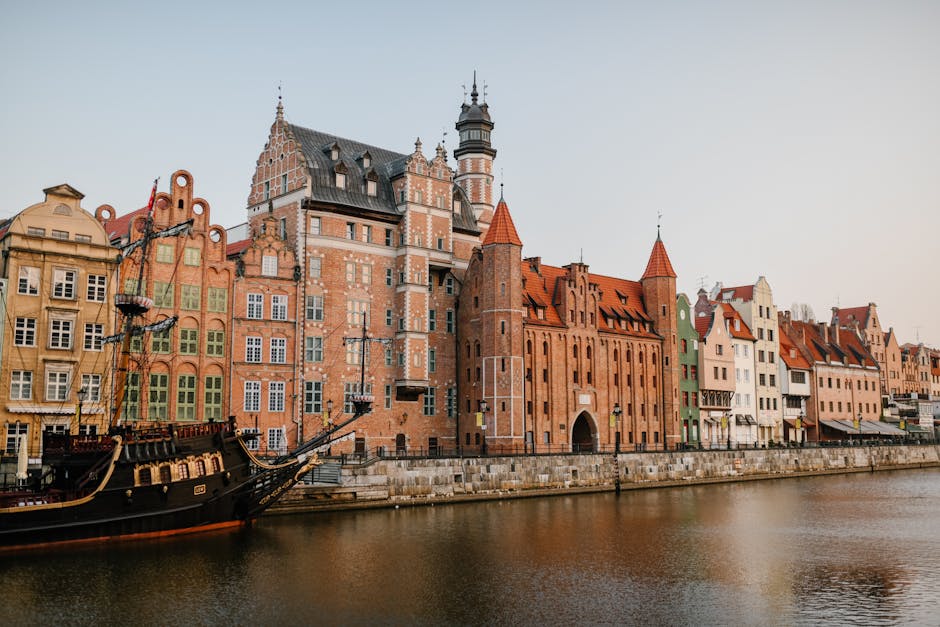
Discover the 'Baltic Gold' on this self-guided walk through Gdansk's historic mills, massive cathedrals, and the magical Mariacka Street.
 Easy
EasyWarsaw, Poland
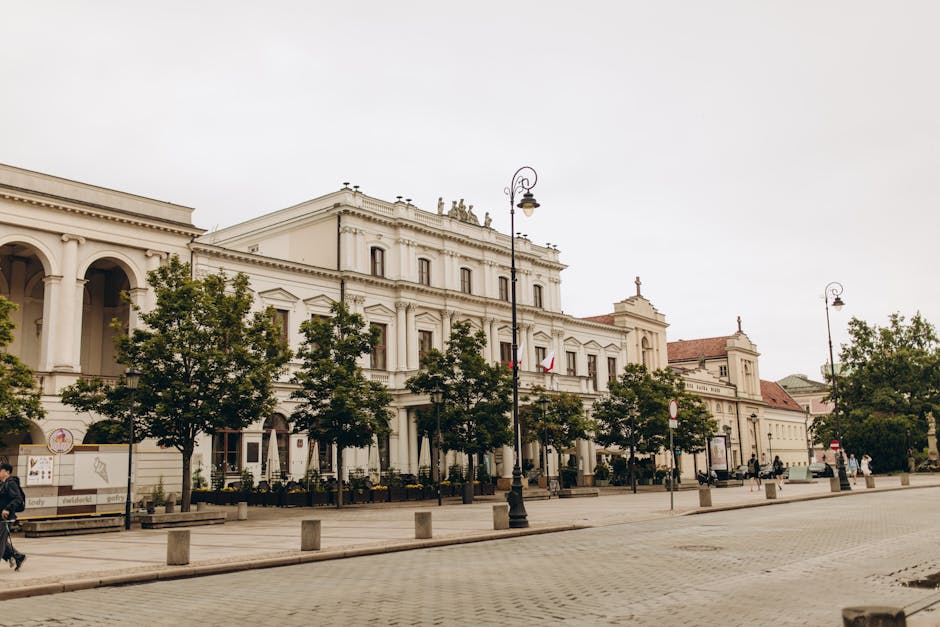
Discover Warsaw's intellectual heart through historic campuses, peaceful parks, and the stunning rooftop gardens of the University Library.
 Moderate
Gothenburg, Sweden
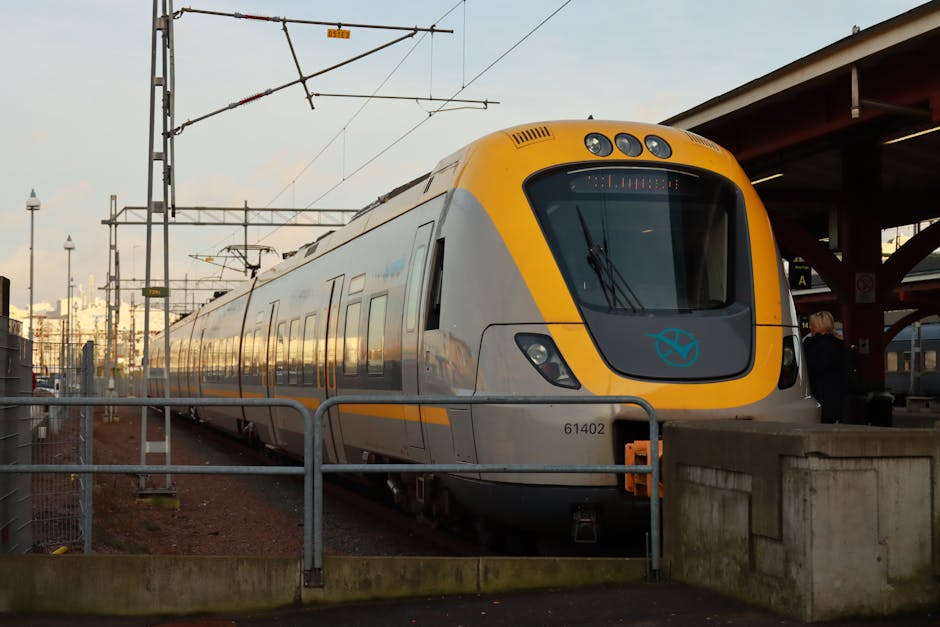
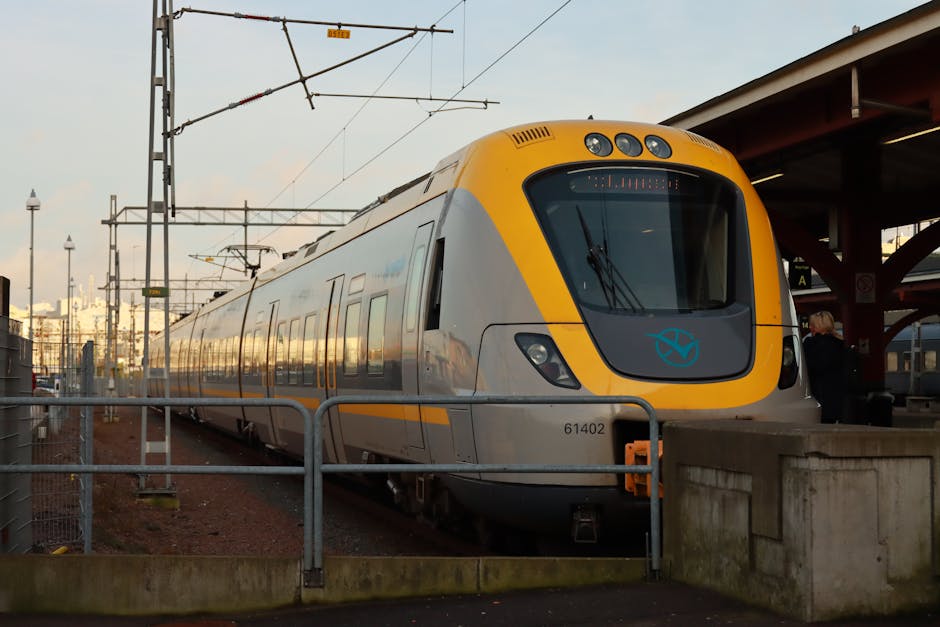
Discover Gothenburg’s maritime soul on this self-guided walk from the historic Central Station to the scenic riverfront at Stenpiren.
 Easy
EasyGothenburg, Sweden
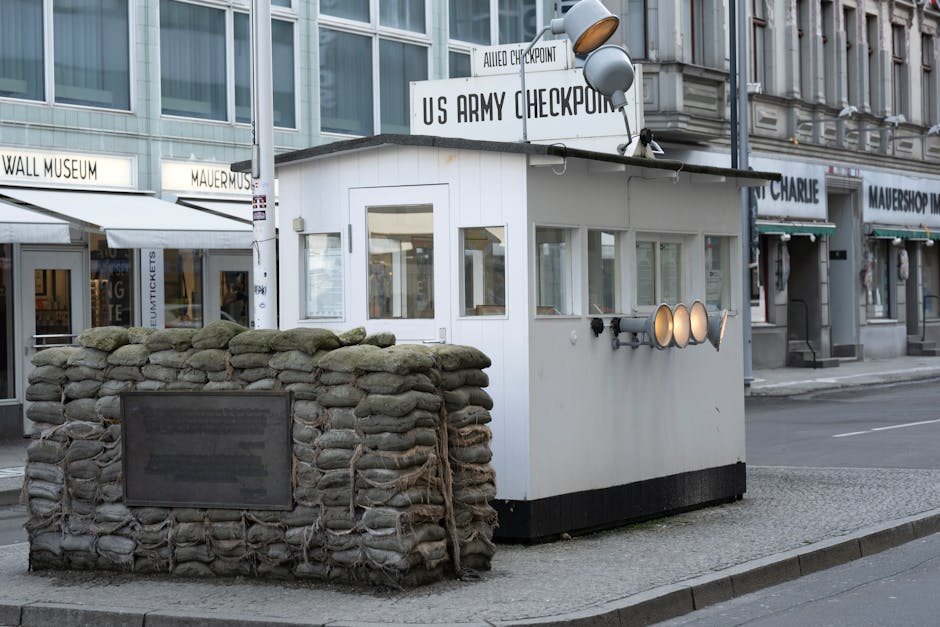
Explore Gothenburg’s historic wooden houses, legendary giant cinnamon buns, and panoramic fortress views on this self-guided neighborhood stroll.
 Easy
EasyBerlin, Germany
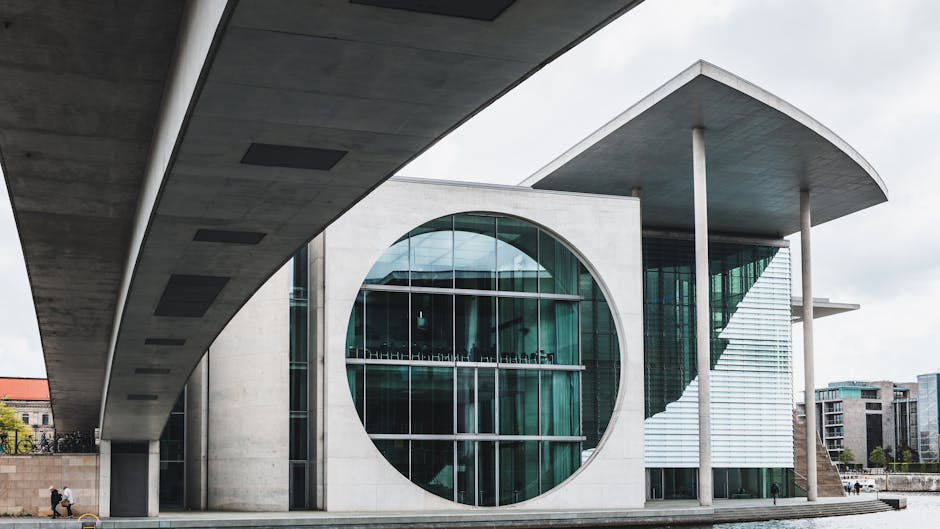
Explore the sites of Nazi power and the memorials that honor its victims on this self-guided walk through Berlin's historic Wilhelmstraße district.
 Moderate
Berlin, Germany
Explore Berlin’s 'Green Heart' on a self-guided walk through royal history, Cold War memorials, and serene lakeside gardens.
 Moderate
Berlin, Germany
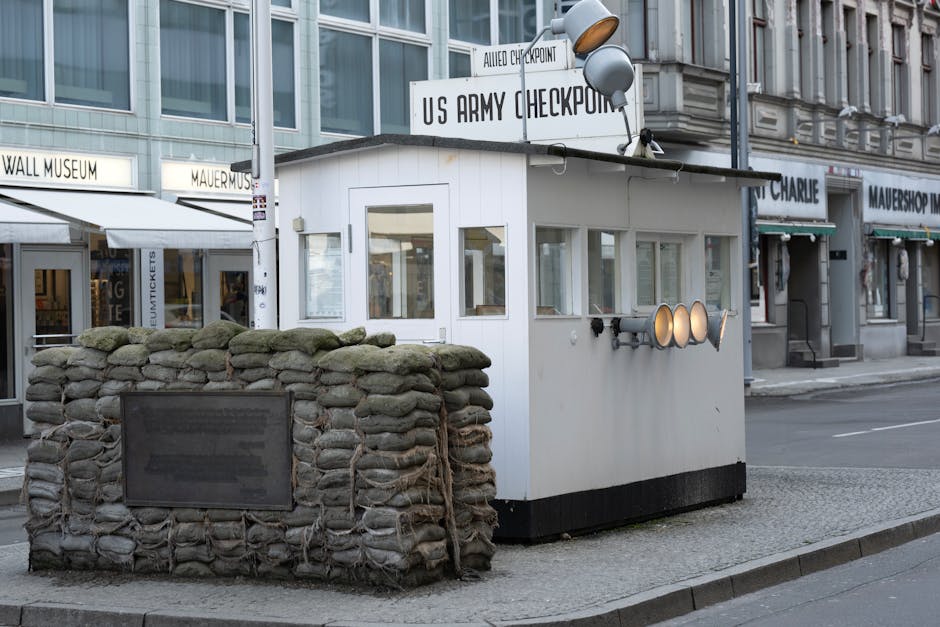
Discover the legacy of the Berlin Wall on this self-guided walk from historic ghost stations to the vibrant street art and cafes of Mauerpark.
 Easy
EasyBerlin, Germany
Discover the soul of 1920s Berlin on a self-guided walk through Charlottenburg’s iconic literary cafes, historic theaters, and artistic landmarks.
