Porto is a city where history is not just found in books, but is painted across its walls in shimmering shades of cobalt and white. This self-guided walk invites you to explore the 'Azulejo' tradition, the iconic ceramic tiles that have defined the Portuguese aesthetic for centuries. As you wander through the historic Baixa district, you will discover how these tiles evolved from simple geometric decorations into massive narrative murals that tell the story of a nation. The route begins near the banks of the Douro and climbs through the city's heart, revealing how art and architecture blend seamlessly in the local landscape. On this walking route, the city reveals its most famous landmarks, including the world-renowned São Bento Station, where over 20,000 tiles depict the history of Portugal. You will encounter the 'Twin Churches' of Carmo and Carmelitas, separated by one of the narrowest houses in the world, and see the breathtaking Chapel of Souls, whose entire exterior is wrapped in a blue ceramic skin. Beyond the famous facades, this neighborhood stroll allows you to appreciate the smaller details—the way light reflects off the glaze at sunset and the intricate patterns that decorate even the most modest townhouses. This is an essential experience for anyone interested in art, photography, or the unique cultural heritage of the Iberian Peninsula. Exploring independently means you can linger at the most photogenic spots or stop for a coffee in a historic square whenever you choose. Whether you are a first-time visitor or a repeat traveler, this walking tour Porto provides a structured yet flexible way to see the city's highlights. By following this trail, you will gain a deeper understanding of why Porto is often called the 'Blue City' and how these fragile ceramics have survived centuries of change to remain the pride of the Portuguese people.
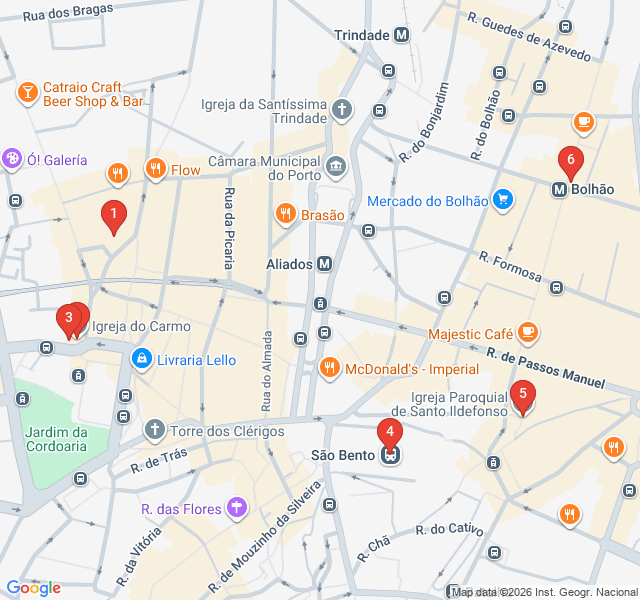
Numbers indicate the order of stops on the tour
Start exploring with Zigway at this historical hub. While Porto is famous for its blue tiles, its ceramic history goes back much further. This site provides the archaeological context of the city's development. Before the 18th-century boom of narrative tiles, Porto used ceramics for practical and geometric decoration. As you stand here, notice the surrounding buildings; many traditional homes in this area feature older, repeating tile patterns that were designed to protect walls from the humid Atlantic air. This stop sets the stage for the grand artistic displays you will encounter as you move deeper into the city center.
As you approach the Igreja do Carmo, you are greeted by one of the most magnificent tile displays in the city. The entire side wall is covered in a massive mural designed by Silvestre Silvestri and painted in 1912. The scenes depict the founding of the Carmelite Order and Mount Carmel. This is a prime example of the Rococo style, where the architecture itself seems to flow into the art. Take a moment to look at the scale of the individual tiles; each one was hand-painted to fit into this giant puzzle, creating a seamless narrative that has become one of Porto's most photographed locations.
Standing immediately next to the Igreja do Carmo is the Igreja dos Carmelitas. At first glance, they might look like one enormous building, but look closely at the center. There is a tiny, one-meter-wide house separating them. Known as the 'Casa Escondida' or Hidden House, it was built to ensure the two churches didn't share a common wall and to prevent any contact between the monks of Carmo and the nuns of Carmelitas. While this church lacks the massive exterior tile mural of its neighbor, its classical facade offers a beautiful contrast, highlighting the architectural diversity of Porto's religious buildings.
Step inside the atrium of São Bento Station to witness what many consider the 'Sistine Chapel of Tiles.' This masterpiece features approximately 20,000 azulejo tiles installed between 1905 and 1916 by the artist Jorge Colaço. The blue and white panels depict significant moments in Portuguese history, such as the Battle of Valdevez and the Conquest of Ceuta. Higher up, a colored frieze illustrates the history of transport. The station was built on the site of a former convent, and the tilework was intended to make the transit hub a grand gateway to the city. It remains a functioning station, blending daily life with high art.
Perched on a hill overlooking the Praça da Batalha, the Church of Saint Ildefonso features a stunning facade decorated with over 11,000 tiles. These were also created by Jorge Colaço, the same artist responsible for the work at São Bento Station. Completed in 1932, the tiles depict scenes from the life of Saint Ildefonso and allegorical imagery from the Gospels. The elevated position of the church makes the blue tiles stand out brilliantly against the sky, especially during the 'golden hour' before sunset. The granite bell towers and the intricate tilework represent a perfect marriage of Porto's traditional building materials.
The final stop on this walking route is perhaps the most visually striking. The Capela das Almas, or Chapel of Souls, is almost entirely wrapped in blue and white tiles. Added in 1929, the 15,947 tiles cover nearly 360 square meters of wall space. The artist, Eduardo Leite, painted them in an 18th-century style to match the classic aesthetic of the city, despite being a 20th-century addition. The murals depict the death of Saint Francis of Assisi and the martyrdom of Saint Catherine. Standing at the busy intersection of Rua de Santa Catarina, the chapel serves as a vibrant, blue anchor in the midst of Porto's modern shopping district.
Download Zigway to experience "The Blue Tile Trail of Porto" with AI-powered audio narration. Walk at your own pace while stories unfold around you.
 Easy
EasyPorto, Portugal
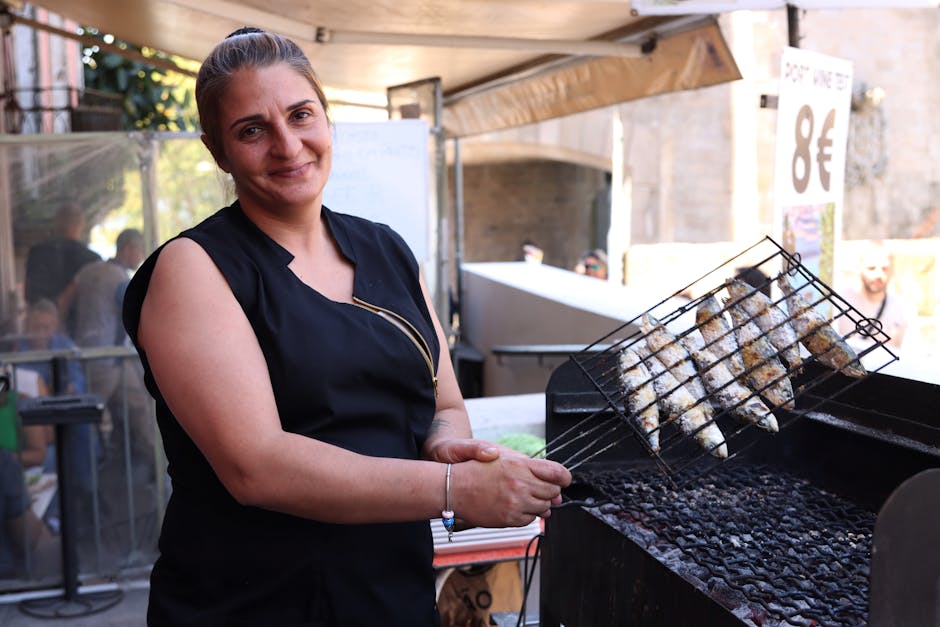
Taste the soul of Porto on this self-guided stroll through the historic Bolhão Market and its legendary surrounding food shops.
 Moderate
Porto, Portugal
Uncover the hidden history of Porto's Jewish community and the secrets of the Inquisition on this self-guided walking route through historic Miragaia.
 Challenging
Porto, Portugal
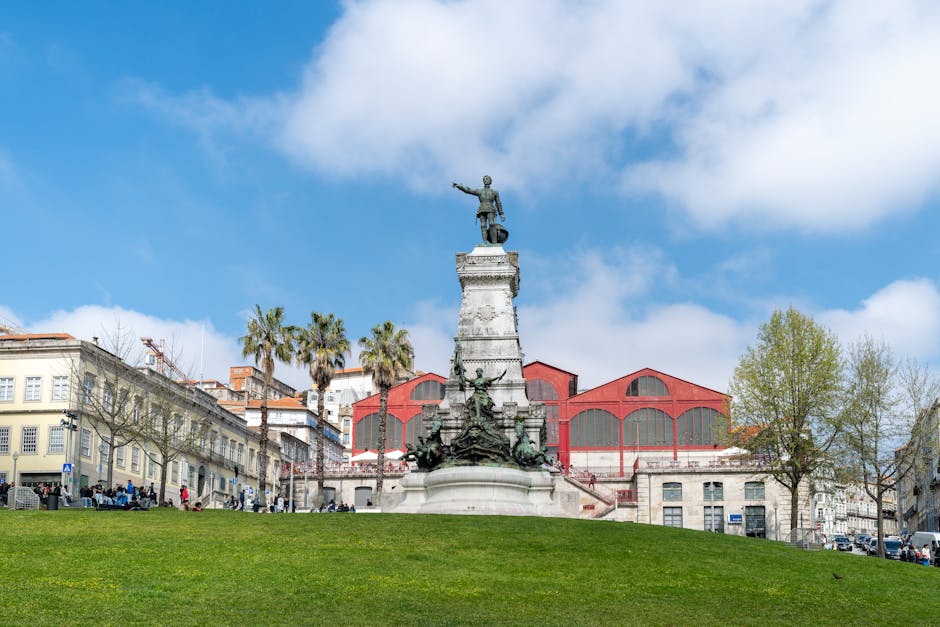
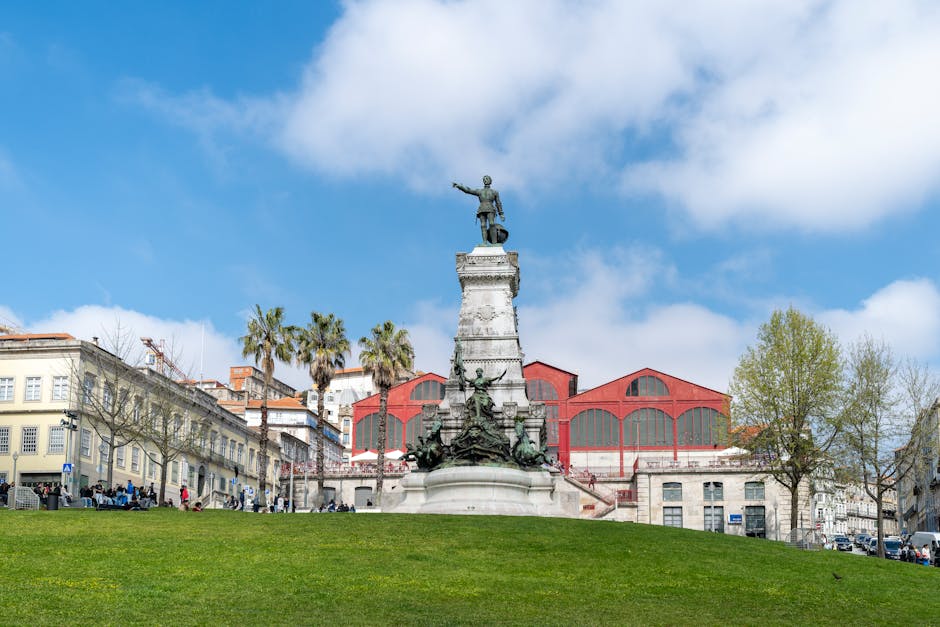
Explore Porto's 'High City' on this self-guided walk through Baroque landmarks, medieval cathedrals, and stunning panoramic viewpoints.
 Moderate
Porto, Portugal
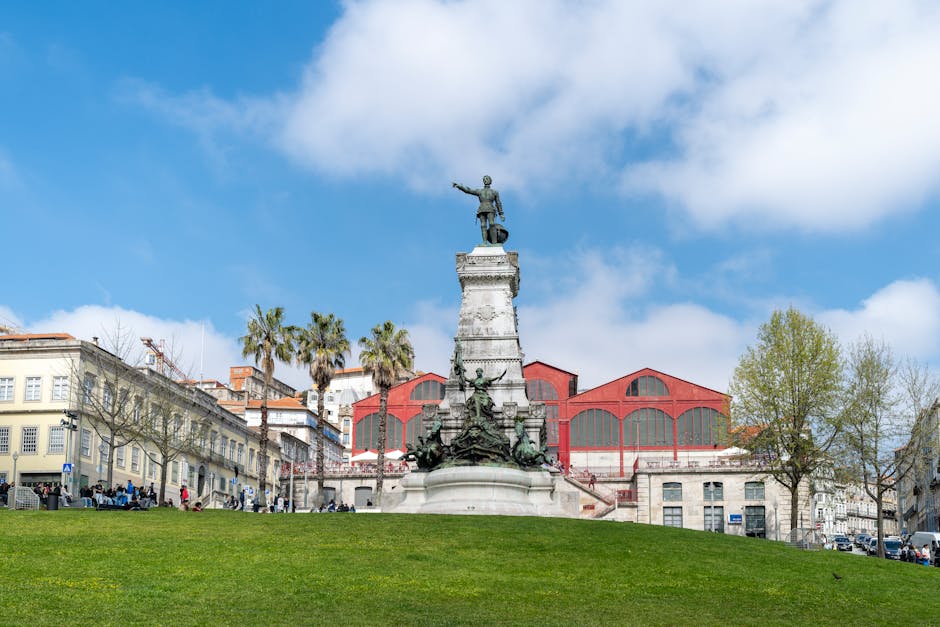
Explore Porto's UNESCO-listed riverside district at your own pace through medieval alleys, golden churches, and historic maritime landmarks.
 Easy
EasyNairobi, Kenya
Discover Nairobi's iconic skyline on this self-guided architecture walk through the CBD’s most famous modernist and Brutalist landmarks.
 Easy
EasyGdansk, Poland
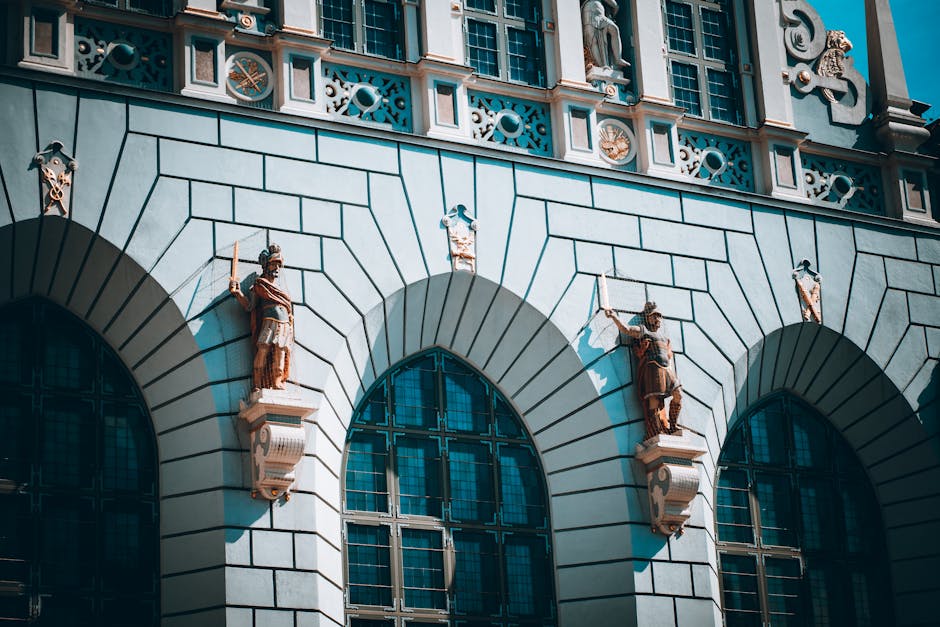
Discover the opulent Royal Way of Gdansk at your own pace. Explore Hanseatic history, gilded architecture, and the iconic Neptune's Fountain.
 Easy
EasyGdansk, Poland
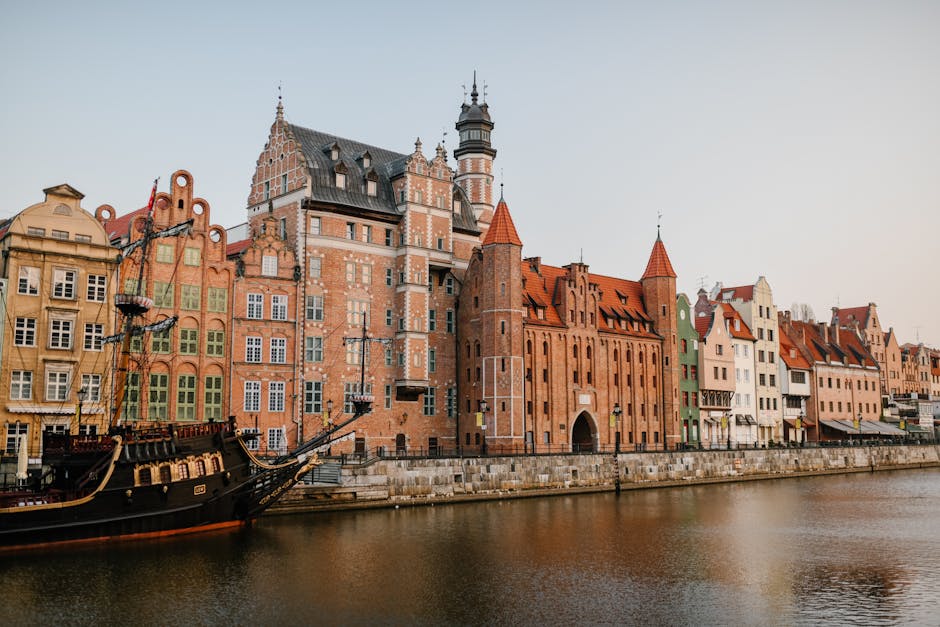
Discover the 'Baltic Gold' on this self-guided walk through Gdansk's historic mills, massive cathedrals, and the magical Mariacka Street.
 Easy
EasyNairobi, Kenya
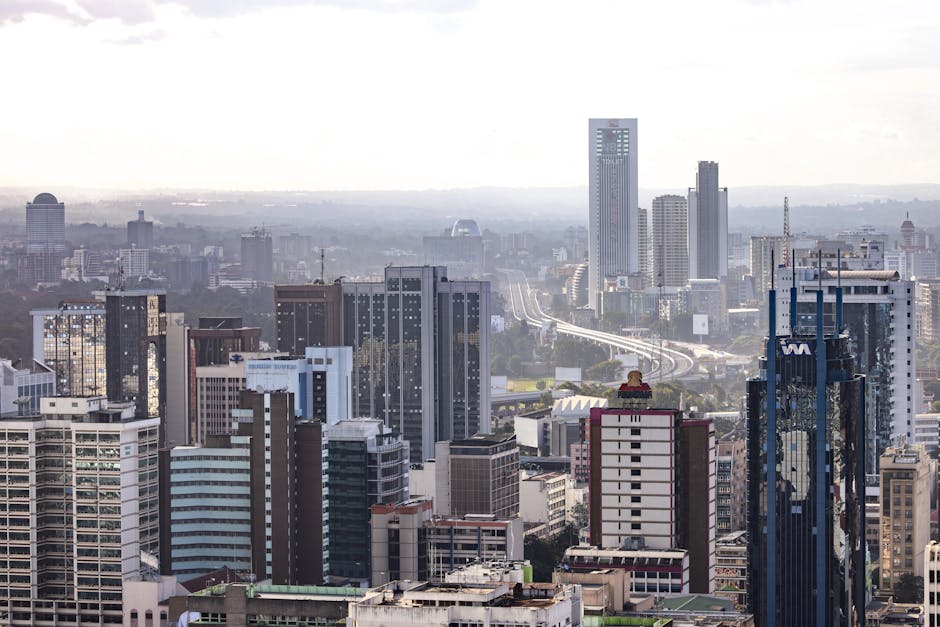
Explore Nairobi's architectural evolution from colonial-era landmarks to iconic Brutalist skyscrapers on this historic self-guided walking route.
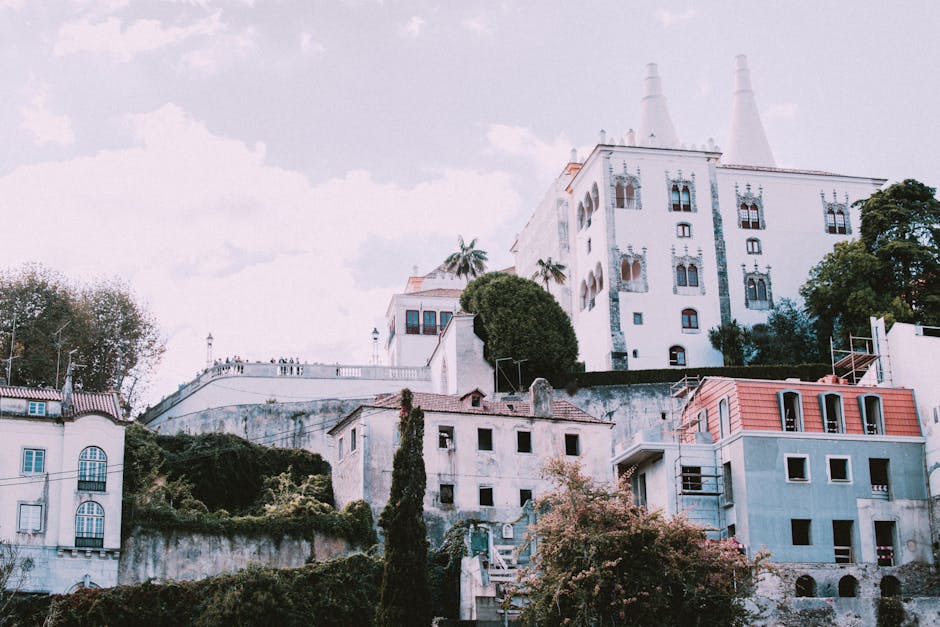 Moderate
Sintra, Portugal
Explore an eclectic palace and its lush botanical gardens. Discover 19th-century Romanticism through exotic architecture and hidden chapel ruins.
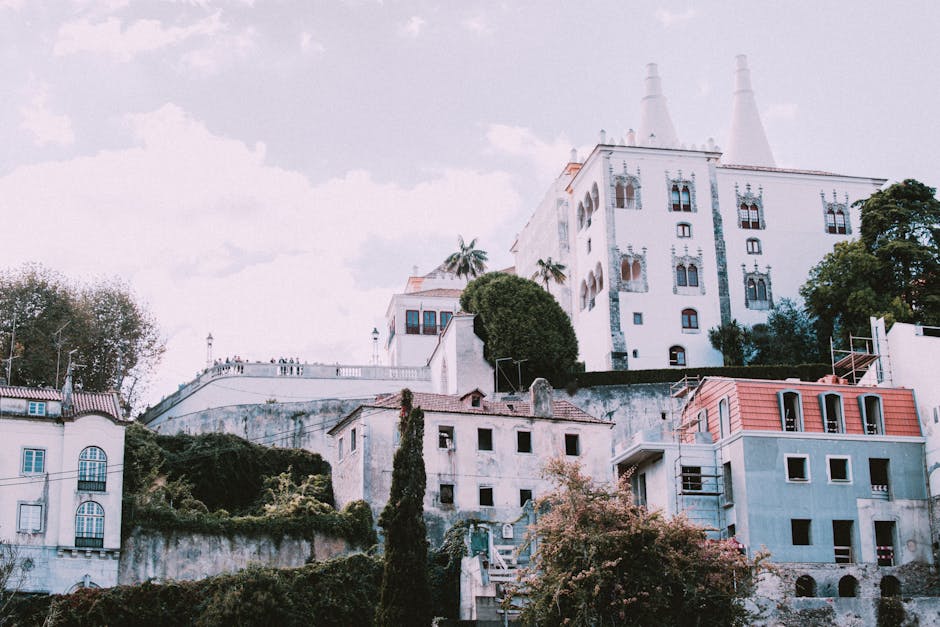 Moderate
Sintra, Portugal
Explore Sintra's most opulent 19th-century manors and mystical gardens on this self-guided audio walk through the historic Seteais district.
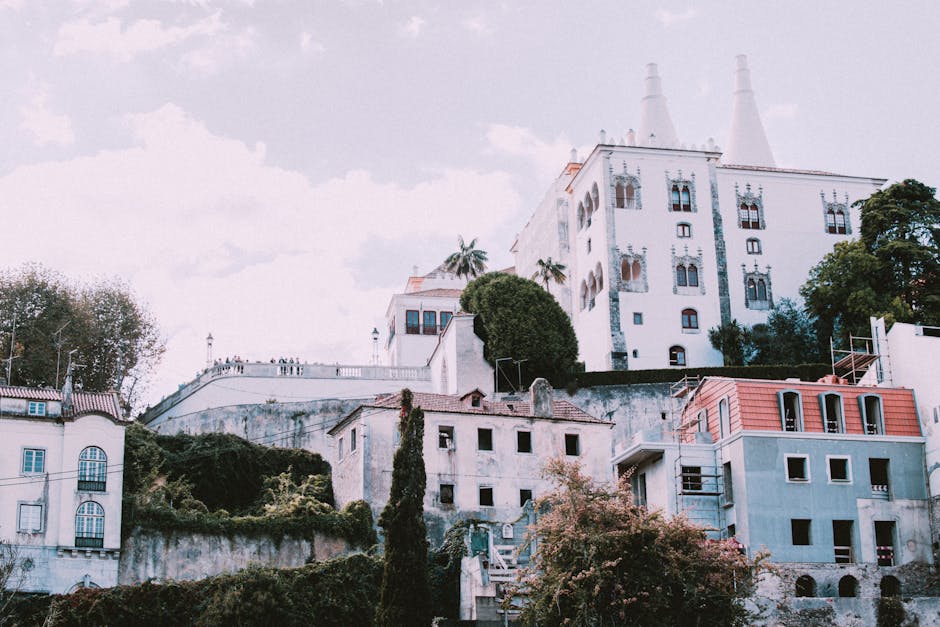 Easy
EasySintra, Portugal
Explore Sintra's historic center on this self-guided walk through legendary bakeries, tasting iconic Travesseiros and Queijadas at your own pace.
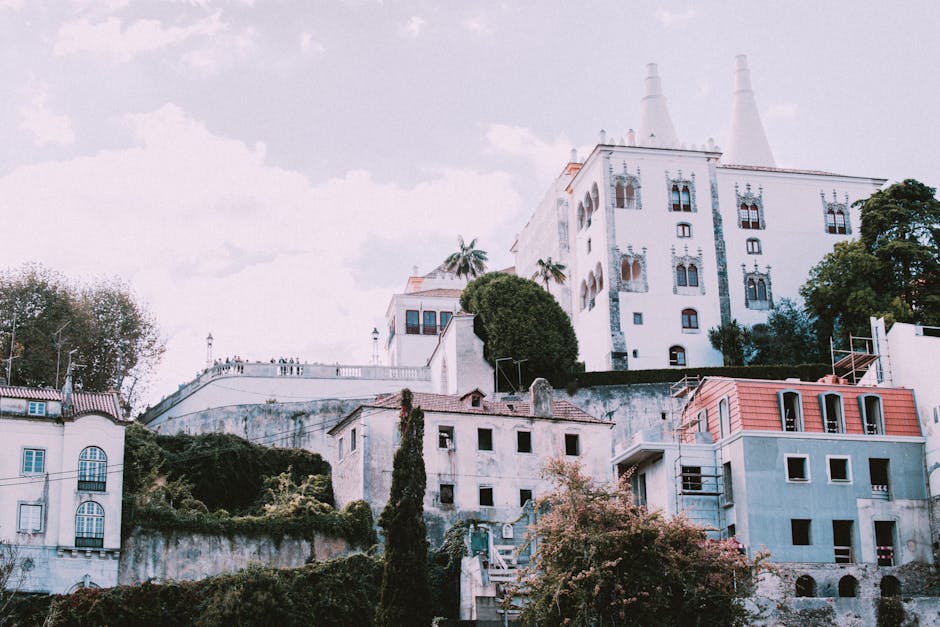 Challenging
Sintra, Portugal
A challenging self-guided adventure through Sintra's highest peaks, designed to capture the perfect sunset shots of the Pena Palace and beyond.
