Dublin's Grand Canal offers a serene escape from the bustling city center, providing a lush, green artery that connects historic neighborhoods to the modern, sea-bound docks. This self-guided walk invites you to trace the "leafy-with-love" banks immortalized by poet Patrick Kavanagh. Starting at the iconic Baggot Street Bridge, you will wander through a landscape where 18th-century engineering meets 21st-century architecture. The route transitions beautifully from the Georgian elegance of the Pepper Canister church to the striking glass-and-steel structures of the Silicon Docks. Along the way, you will discover hidden gems like the Waterways Ireland headquarters and the sprawling Victorian beauty of Herbert Park. This neighborhood stroll is perfect for those seeking a mix of nature and urban exploration. It is an opportunity to see a different side of the capital, one where the slow flow of the canal dictates the pace. Whether you are interested in capturing the perfect reflection on the water or diving into the city's maritime and literary history, this walking route provides a comprehensive look at the city's eastern evolution. The journey culminates in the Docklands, a testament to Dublin's transformation from an industrial port to a global tech hub. This audio walk allows you to explore at your own pace, stopping for a coffee by the water or a moment of reflection on Kavanagh’s famous bench. It is a moderate walking tour Dublin experience that captures the essence of hidden nature and the vibrant, changing skyline. This self-guided walk is one of the most picturesque ways to experience the capital's heritage.
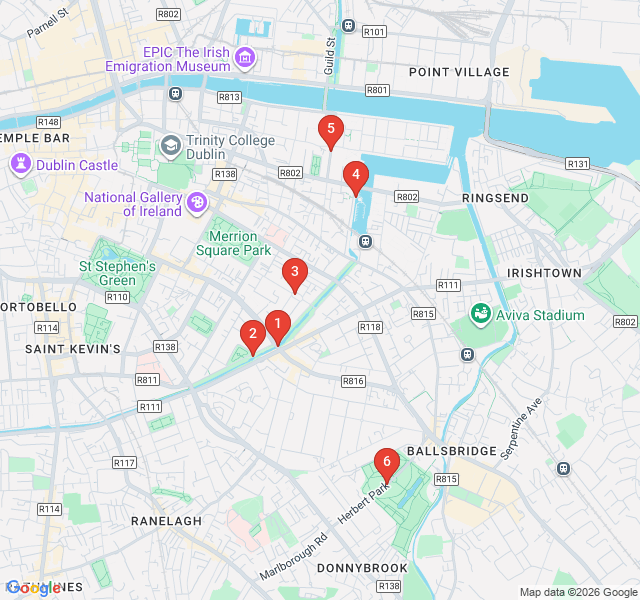
Numbers indicate the order of stops on the tour
Welcome to Baggot Street Bridge, a vital crossing point that separates the city's commercial heart from its prestigious southern suburbs. Built in the late 18th century, this bridge serves as the gateway to the Grand Canal's most picturesque stretch. As you stand here, notice the contrast between the busy traffic and the calm water below. This area was once the haunt of Dublin's bohemian elite in the mid-20th century. The canal was originally constructed to connect Dublin to the River Shannon, a massive feat of Georgian engineering. Today, it serves as a green lung for the city, lined with mature trees and historic lock gates. Take a moment to observe the local wildlife, including the resident swans and herons that call these urban waters home.
Just a short stroll from the bridge, you will find one of Dublin's most beloved literary monuments. This statue of Patrick Kavanagh, seated casually on a bench, was erected in 1991 in response to his own poetic request. In his poem 'Lines written on a Seat on the Grand Canal,' Kavanagh asked to be commemorated 'where there is water, stilly greeny-blue.' He found profound inspiration in the 'leafy-with-love' banks of this canal during the 1950s. Unlike traditional statues on high plinths, this life-sized bronze allows you to sit right beside one of Ireland's greatest writers. It is a perfect spot to pause and appreciate the simple beauty of the water, just as Kavanagh did decades ago.
Looking up towards the end of Upper Mount Street, you will see the elegant silhouette of St Stephen's Church, affectionately known by locals as the 'Pepper Canister.' Completed in 1824, its nickname comes from the distinctive shape of its cupola, which resembles a 19th-century spice canister. This church was the last of the great Georgian churches built by the Church of Ireland in the city. Its location was chosen to provide a grand visual terminus for the street, reflecting the sophisticated urban planning of the era. The interior is known for its incredible acoustics and beautiful stained glass. It remains a tranquil landmark amidst the surrounding professional offices and historic townhouses.
As the canal nears the sea, the landscape shifts from historic stone to modern glass. The Waterways Ireland headquarters is a striking example of contemporary architecture that honors the canal's purpose. This organization manages over 1,000 kilometers of navigable waterways across the island. The building itself is designed to interact with the light reflecting off the water, symbolizing the modern revitalization of Dublin's canal system. Nearby, you can see the complex system of locks that manage the transition of water levels as the canal prepares to meet the River Liffey. This area highlights the successful marriage of industrial heritage and modern ecological management, ensuring the canal remains a vibrant space for leisure and nature.
You have arrived at Grand Canal Dock, the heart of Dublin's 'Silicon Docks.' This area was once a derelict industrial zone dominated by gasworks and flour mills, most notably Boland's Mills. Today, it is a gleaming hub of international tech giants and luxury apartments. The centerpiece is the Bord Gáis Energy Theatre, designed by Daniel Libeskind, with its sharp, angular glass facade. The red 'carpet' of luminous poles in the central square adds a theatrical touch to the landscape. Look out for the historic canal locks that connect the dock to the Liffey, and notice how the old stone walls now sit alongside cutting-edge architecture. It is a premier spot for photography, especially as the sun sets over the water.
This walking route concludes in the peaceful surroundings of Herbert Park. This 32-acre park is steeped in history, having served as the site for the 1907 Irish International Exhibition, a world's fair that showcased Irish industry and culture. While most of the exhibition's grand pavilions are gone, the park's layout and its beautiful duck pond remain. Today, it is one of the city's most prestigious green spaces, featuring manicured lawns, tennis courts, and a famous collection of cherry blossom trees that bloom spectacularly in the spring. It is a perfect place to rest after your walk, offering a final taste of the 'leafy' side of Dublin life before you head back toward the city center.
Download Zigway to experience "Grand Canal: The Leafy Road to the Sea" with AI-powered audio narration. Walk at your own pace while stories unfold around you.
 Easy
EasyDublin, Ireland
Explore Dublin's 'Silicon Docks' on this self-guided walk featuring futuristic bridges, famine history, and world-class modern architecture.
 Moderate
Dublin, Ireland
Uncover Dublin’s macabre history on this self-guided walk featuring mummies, medieval rebels, and the city’s most infamous legends.
 Easy
EasyDublin, Ireland
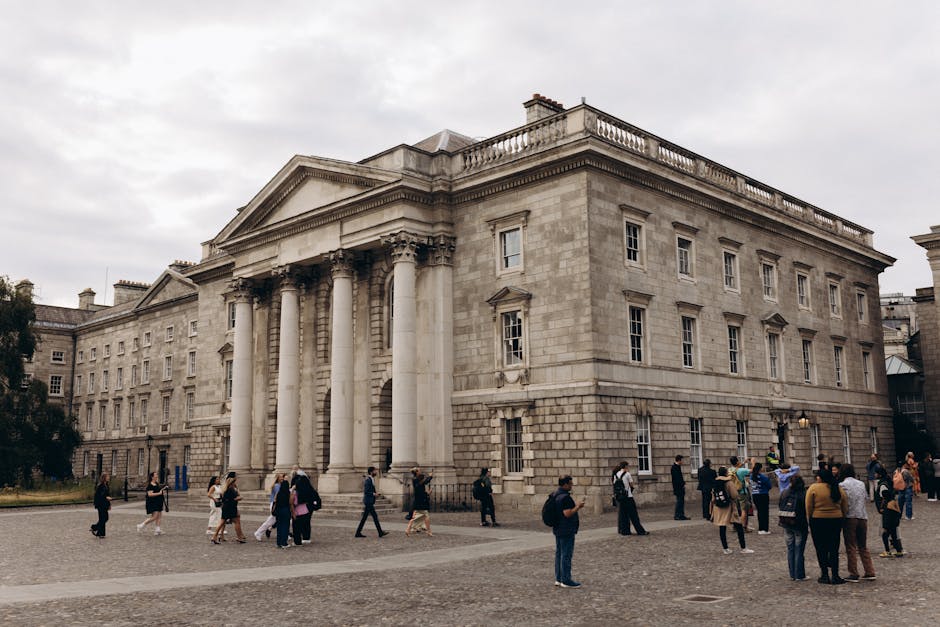
Explore Dublin's storied streets at your own pace on this self-guided literary walk, from Joyce’s statues to Wilde’s colorful memorial.
 Easy
EasyDublin, Ireland
Explore the sites of the 1916 Easter Rising at your own pace. Walk the path of rebels from the GPO to the final surrender on Moore Street.
 Moderate
Helsinki, Finland
Explore the 'Gibraltar of the North' on this independent walking route through the historic bastions and hidden gardens of Suomenlinna Sea Fortress.
 Moderate
Gothenburg, Sweden
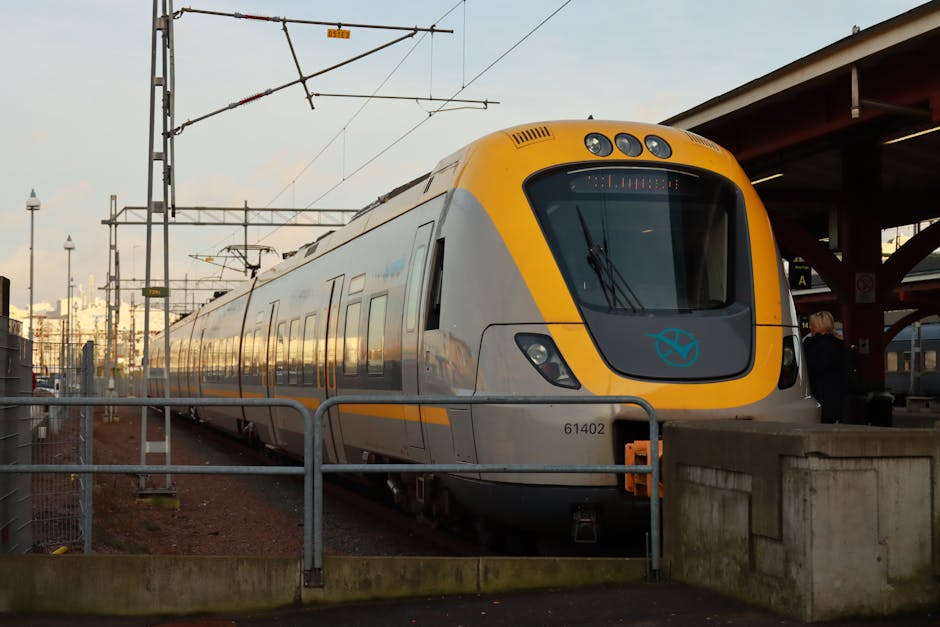
Discover Gothenburg’s maritime soul on this self-guided walk from the historic Central Station to the scenic riverfront at Stenpiren.
 Moderate
Gothenburg, Sweden
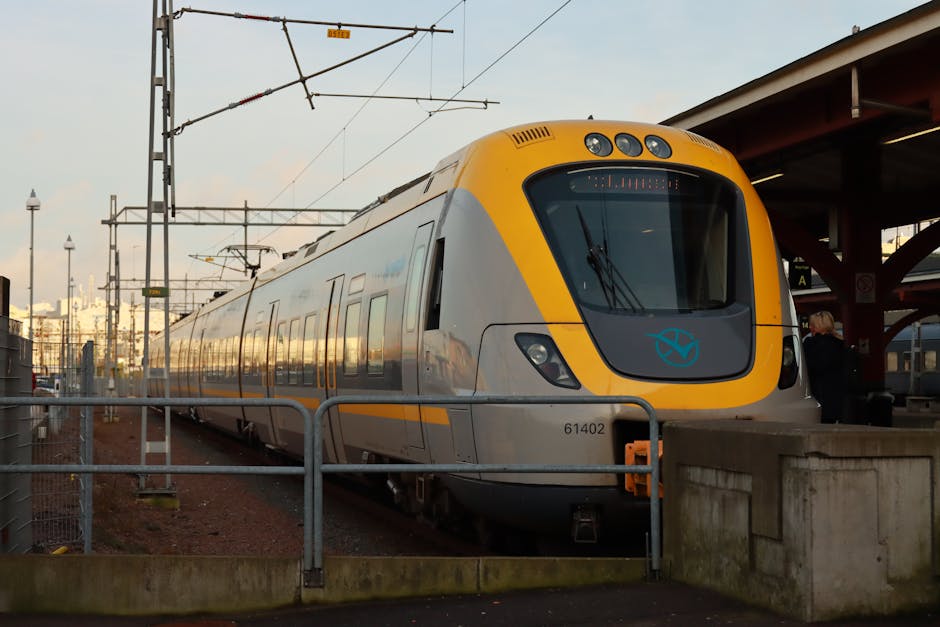
Explore Gothenburg’s lush "Green Lung" on this self-guided walk through the Botanical Garden, Slottsskogen park, and rugged Änggård Mountains.
 Moderate
Nairobi, Kenya
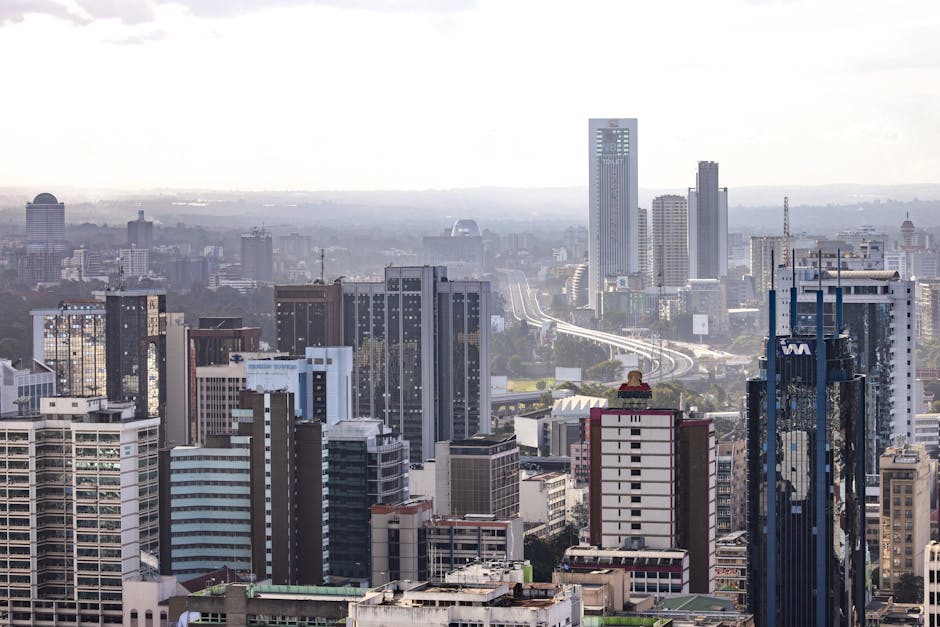
Discover Nairobi's lush side on this self-guided walk through botanical gardens, historic memorials, and vibrant local markets.
 Easy
EasyGalway, Ireland
Explore Galway’s literary soul on this self-guided walk through historic bookshops, legendary theaters, and the haunts of Joyce and Wilde.
 Easy
EasyGalway, Ireland
Explore Galway’s vibrant street art, contemporary galleries, and scenic photography spots on this independent neighborhood stroll.
 Easy
EasyGalway, Ireland
Capture Galway's most iconic views on this self-guided stroll through the Claddagh and along the vibrant Long Walk.
 Easy
EasyGalway, Ireland
Explore Salthill’s iconic promenade, discover local traditions, and enjoy stunning Atlantic views on this refreshing self-guided seaside walk.
