Step back in time to the 13th century on this self-guided walk through the heart of Galway, the legendary 'City of the Tribes'. For centuries, this harbor town was controlled by fourteen powerful merchant families who shaped its destiny, creating a wealthy, walled enclave that felt more like a continental European city than a typical Irish settlement. On this walking route, you will uncover the layers of medieval history hidden beneath the vibrant facade of the modern Latin Quarter. We begin at Kirwan's Lane, one of the few remaining streets that retains its narrow, atmospheric medieval proportions. From there, your neighborhood stroll leads you to the subterranean ruins of the Hall of the Red Earl, the oldest archaeological site within the city walls, where the powerful De Burgo family once collected taxes and hosted grand assemblies. This walking tour Galway route then transitions to the waterfront at the Spanish Arch. Built in 1584, these stone arches were designed to protect the quays where Spanish galleons once docked to unload fine wines and spices, illustrating Galway's historic maritime importance. As you continue, you will encounter the architectural grandeur of Saint Nicholas' Collegiate Church, the largest medieval parish church in Ireland still in constant use. Legend says even Christopher Columbus stopped here to pray before his voyage to the New World. The journey through the city's past concludes at Lynch's Castle and Blake’s Bar, two of the finest surviving examples of medieval tower houses in the country. These fortified homes belonged to the ruling elite, featuring intricate stone carvings that demonstrate the wealth and status of the Tribes. This walking tour Galway experience offers the freedom to explore independently while learning about the sieges, trade deals, and legends that defined the medieval West of Ireland. Whether you are interested in the origins of the word 'lynching' or the structural secrets of 16th-century fortifications, this self-guided adventure provides a comprehensive look at the city's medieval core.
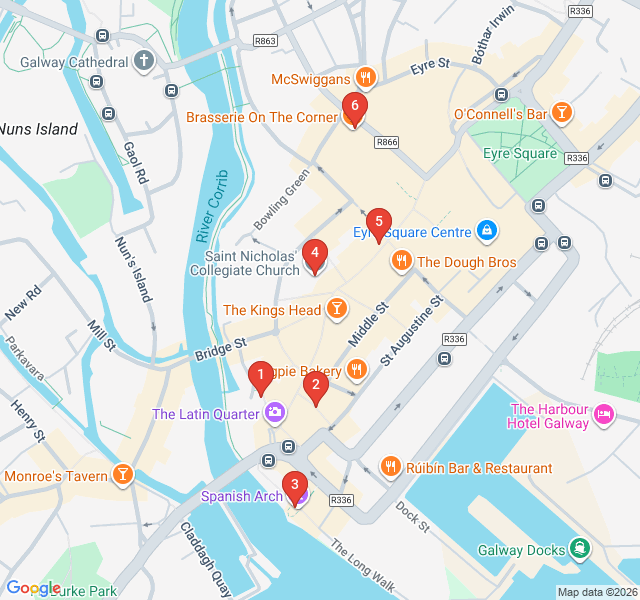
Numbers indicate the order of stops on the tour
Welcome to Kirwan's Lane, a rare surviving fragment of 16th-century Galway. This narrow passage is named after the Kirwans, one of the fourteen 'Tribes'—merchant families of Anglo-Norman descent who ruled the city for centuries. As you walk along the cobblestones, notice how the buildings lean inward; this was a common feature of medieval urban design. Originally, this area was a hub of commerce and residence for the elite. By the 20th century, it had fallen into ruin, but a major restoration in the 1990s saved it. Look for the medieval stonework incorporated into the modern shopfronts, a testament to the city's commitment to preserving its merchant heritage.
Descending slightly below street level, you are looking at the Hall of the Red Earl, the earliest surviving stone building in the city. Built in the 13th century by the De Burgo family, it served as a fiscal and judicial center—essentially the medieval tax office and courthouse. It was abandoned in the 15th century as the 'Tribes' rose to power and forced the De Burgos out. The site was forgotten for centuries and only rediscovered in 1997 during an office expansion project. Today, the ruins offer a glimpse into the thick-walled, defensive architecture required for survival in the volatile landscape of medieval Connacht.
The Spanish Arch is perhaps Galway's most famous landmark. Built in 1584, these two arches were actually an extension of the 14th-century city walls, known as the Ceann an Bhalla (the Head of the Wall). They were designed to protect merchant ships docking at the Fish Market from looters and invaders. The name 'Spanish Arch' refers to the frequent trade between Galway and Spain; ships would arrive here laden with wine, olive oil, and fruit. Interestingly, the arches survived a massive tsunami in 1755, triggered by the Great Lisbon Earthquake, which partially destroyed the structure but left the core arches standing.
Dedicated to the patron saint of children and sailors, St. Nicholas' was founded in 1320. It is a masterpiece of Irish medieval architecture, featuring unique triple aisles and beautiful stone carvings of mythical beasts. The church has survived centuries of turmoil, including a period in 1652 when Oliver Cromwell’s troops used it as a stable and defaced many of its statues. A local legend persists that Christopher Columbus prayed here in 1477, seeking divine favor before his Atlantic crossing. Inside, look for the 'Lynch Tomb' and the ornate baptismal font, which date back to the height of the Tribes' power.
Located at the corner of Shop Street and Abbeygate Street, Lynch's Castle is arguably the finest medieval townhouse in Ireland. While it now houses a bank, the exterior remains a fortress of the Lynch family, who provided the city with 84 mayors over the centuries. The building features gargoyles, the coat of arms of Henry VII, and intricate window moldings. It was designed both for luxury and defense, with thick limestone walls to protect the family from the 'Wild Irish' outside the city gates. It is also the source of the legend of Mayor James Lynch, who supposedly hanged his own son for murder, leading to the term 'lynching'.
Our walk ends at Blake's Bar, which is housed within another significant medieval tower house known as Blake's Castle. The Blakes were another prominent Tribe, and this fortified structure was part of their urban estate. Unlike the more decorative Lynch's Castle, this building shows the more utilitarian side of medieval defense, with its sheer stone height and narrow openings. Today, it serves as a perfect example of how Galway blends its ancient past with its modern social life. The castle has transitioned from a defensive stronghold to a place of community, sitting at the gateway to the city's northern quarters.
Download Zigway to experience "Medieval Secrets of the Tribal City" with AI-powered audio narration. Walk at your own pace while stories unfold around you.
 Easy
EasyGalway, Ireland
Explore Galway’s literary soul on this self-guided walk through historic bookshops, legendary theaters, and the haunts of Joyce and Wilde.
 Easy
EasyGalway, Ireland
Explore Galway’s vibrant street art, contemporary galleries, and scenic photography spots on this independent neighborhood stroll.
 Easy
EasyGalway, Ireland
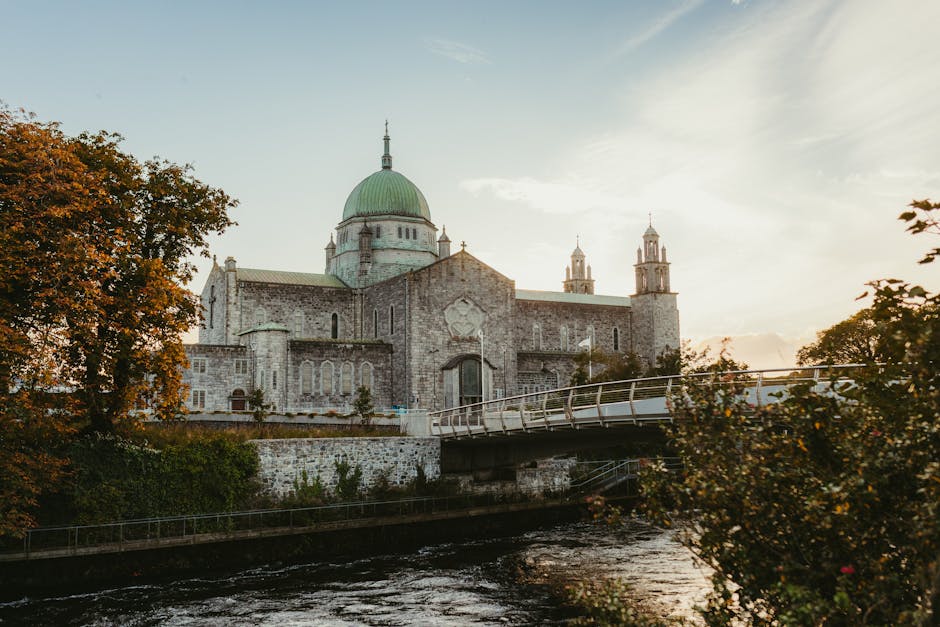
Capture Galway's most iconic views on this self-guided stroll through the Claddagh and along the vibrant Long Walk.
 Easy
EasyGalway, Ireland
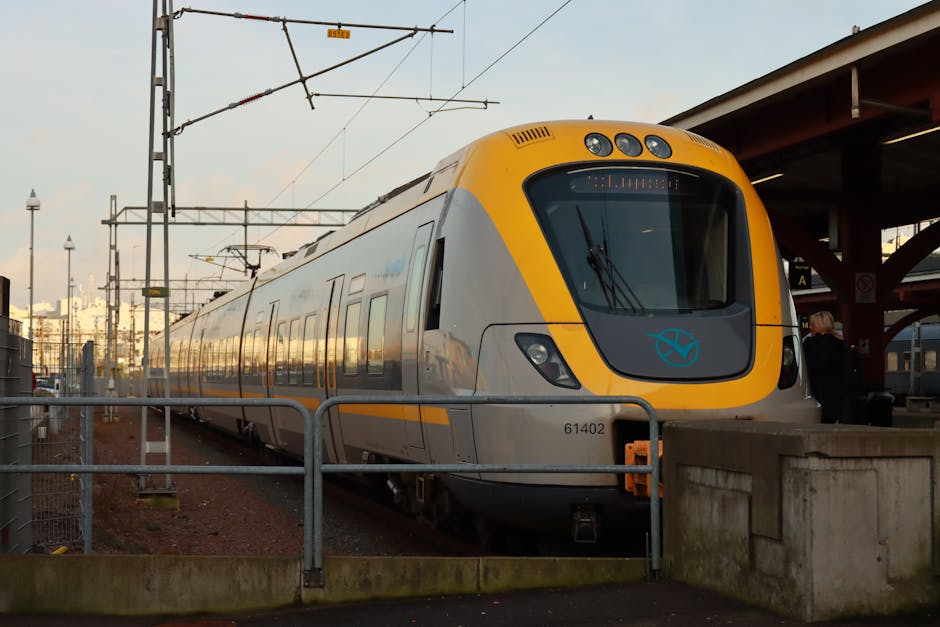
Explore Salthill’s iconic promenade, discover local traditions, and enjoy stunning Atlantic views on this refreshing self-guided seaside walk.
 Easy
EasyGothenburg, Sweden
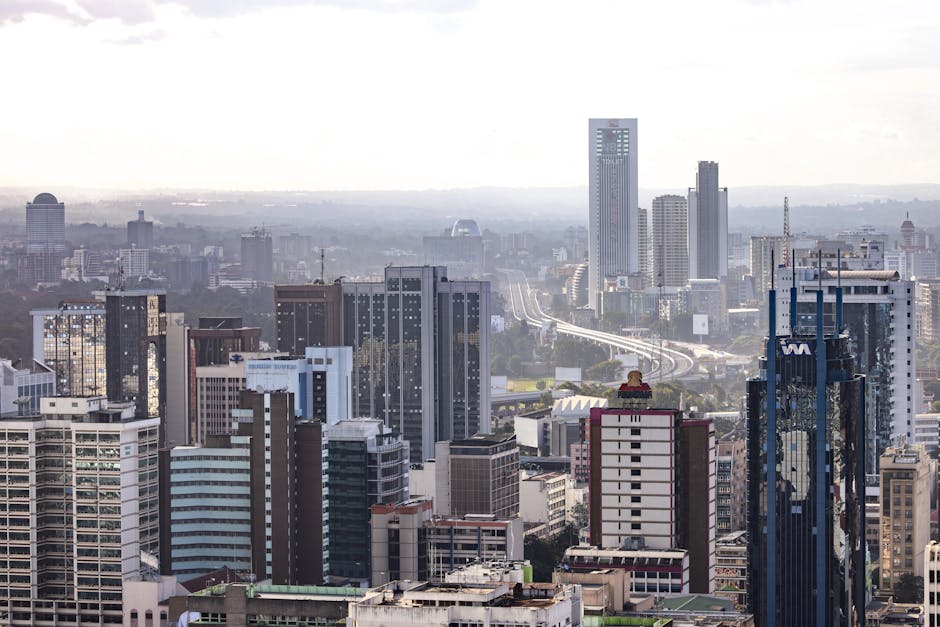
Discover Gothenburg’s 17th-century Dutch foundations, historic canals, and military fortifications on this self-guided architectural walk.
 Easy
EasyNairobi, Kenya
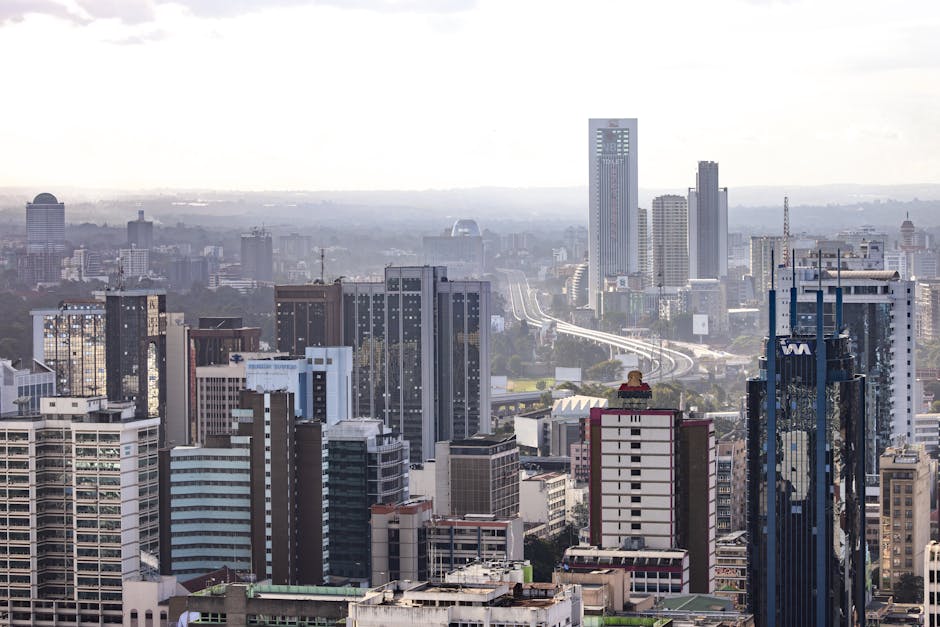
Explore Nairobi's architectural evolution from colonial-era landmarks to iconic Brutalist skyscrapers on this historic self-guided walking route.
 Easy
EasyNairobi, Kenya
Discover Nairobi's iconic skyline on this self-guided architecture walk through the CBD’s most famous modernist and Brutalist landmarks.
 Easy
EasyKrakow, Poland
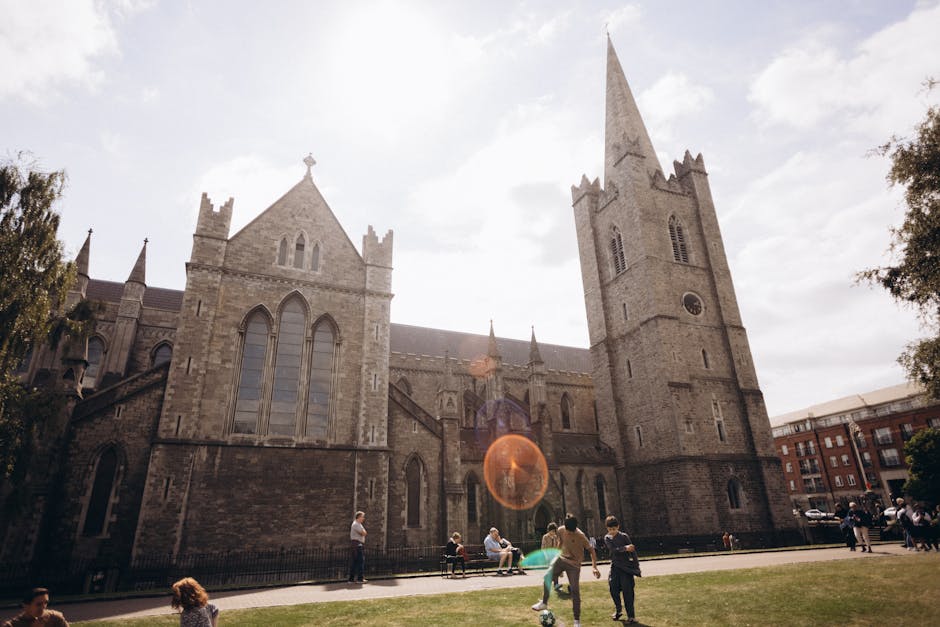
Explore the historic heart of Kazimierz on this self-guided walk through synagogues, ancient cemeteries, and vibrant squares.
 Easy
EasyDublin, Ireland
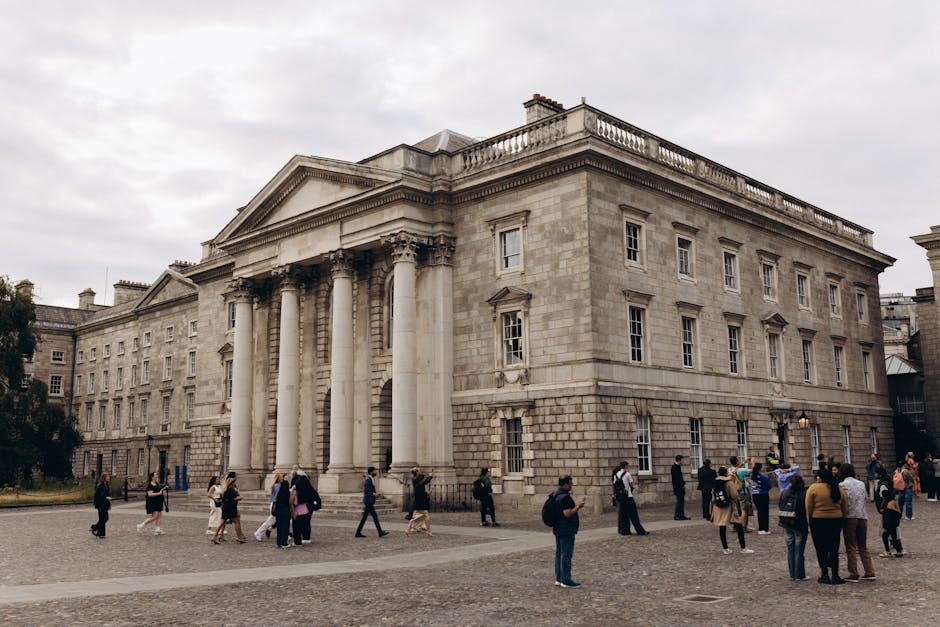
Explore Dublin's 'Silicon Docks' on this self-guided walk featuring futuristic bridges, famine history, and world-class modern architecture.
 Moderate
Dublin, Ireland
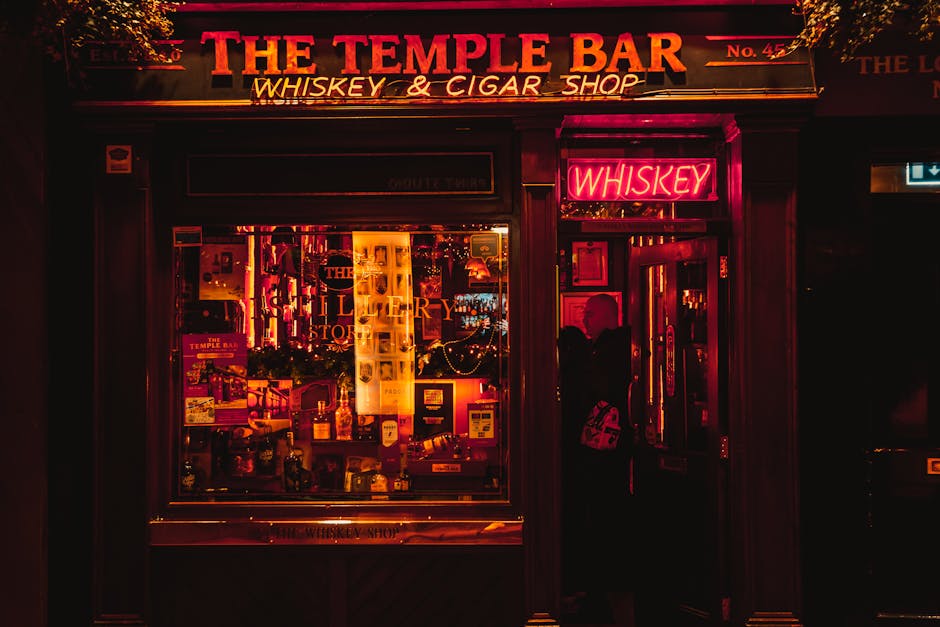
Uncover Dublin’s macabre history on this self-guided walk featuring mummies, medieval rebels, and the city’s most infamous legends.
 Moderate
Dublin, Ireland
Discover Dublin's poetic waterways and modern docks on this self-guided walk through leafy canals and glass-fronted tech hubs.
 Easy
EasyDublin, Ireland
Explore Dublin's storied streets at your own pace on this self-guided literary walk, from Joyce’s statues to Wilde’s colorful memorial.
