Step into a world where the Joseon Dynasty meets the digital age on this self-guided walk through Seoul’s historic heart. This neighborhood stroll captures the essence of Korean identity, bridging the gap between the 14th-century royal traditions and the trendy, revitalized alleys of today. Your journey begins at the Tteok Museum, a sensory introduction to the staple of Korean celebrations: the humble rice cake. From here, you will transition into the narrow, labyrinthine alleys of Ikseon-dong Hanok Village. Once a forgotten residential pocket, these traditional houses from the 1920s now house some of the city’s most creative cafes and boutiques, offering a perfect example of urban preservation. As you emerge from the quiet hanok lanes, the energy shifts toward Insa-dong Culture Street. This is the city's premier destination for traditional arts, antiques, and calligraphy. You will explore the iconic Ssamziegil, a vertical street of crafts that winds upward without a single step, showcasing the work of local artisans. The route then leads you to the spiritual serenity of Jogyesa Temple, the headquarters of the Jogye Order of Korean Buddhism. Here, the scent of incense and the sight of ancient trees offer a moment of peace amidst the urban bustle. Finally, the walking route concludes at Unhyeongung Palace, a royal residence that played a pivotal role in modern Korean history. This self-guided adventure is designed for those who want to experience the soul of the city at their own pace. Whether you are interested in the intricate architecture of a hanok or the vibrant colors of a Buddhist temple, this walking tour Seoul route provides a comprehensive look at the traditions that define the capital. By choosing a neighborhood stroll over a structured schedule, you have the freedom to linger over a cup of traditional tea or spend extra time photographing the historic landmarks that make this area so unique.
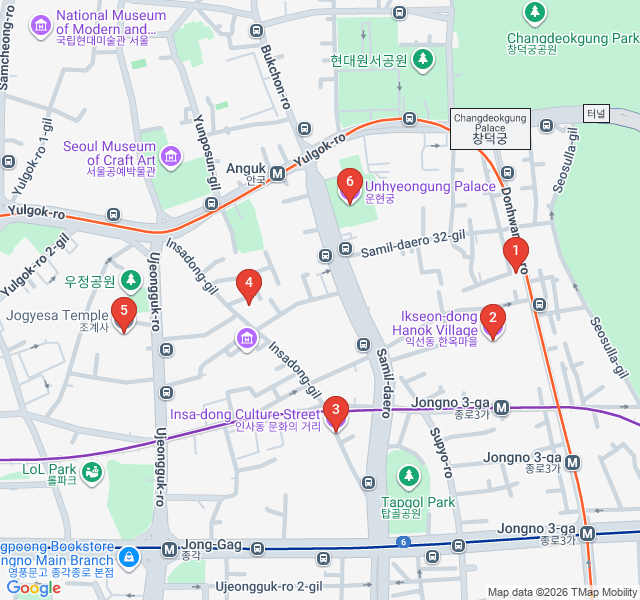
Numbers indicate the order of stops on the tour
Begin your exploration at a place dedicated to the most essential element of Korean celebration: Tteok, or rice cakes. For centuries, these treats have marked every major life milestone, from a baby’s 100th-day celebration to weddings and funerals. Inside this museum, you will find beautifully crafted displays showing the variety of ingredients—grains, beans, and even flowers—used to create different textures and flavors. It is a fascinating look at how Korean culinary traditions are deeply intertwined with the lunar calendar and seasonal rhythms. The museum also offers a glimpse into traditional Korean kitchenware, showing the evolution of cooking techniques over hundreds of years.
Wander into the narrow, winding alleys of Ikseon-dong, one of the oldest neighborhoods in Seoul. Built in the 1920s as a housing project for the working class, these small-scale hanoks (traditional houses) were once considered outdated. Today, they have been transformed into a vibrant cultural hub. As you walk, notice how the traditional tiled roofs and wooden beams now frame modern glass-fronted cafes and independent boutiques. This area is a masterclass in urban revitalization, where the past is not just preserved but actively lived in. It is a favorite spot for locals to find hidden-gem tea houses and unique fashion labels.
Step onto the main artery of Korean tradition. Insa-dong was historically the residential district for government officials and the aristocracy during the Joseon Dynasty. Today, it serves as the city’s primary market for traditional goods. As you stroll down the street, look for shops selling hanbok (traditional clothing), hanji (handmade paper), and ancient antiques. The area is famous for its 'hidden' alleys that branch off the main road, housing some of the city's oldest and most authentic tea houses. Keep an eye out for the street food vendors here, often selling 'Dragon’s Beard' candy or spicy tteokbokki.
In the heart of Insa-dong, you will find Ssamziegil, a shopping complex like no other. Rather than floors connected by stairs, this building features a continuous spiral walkway that leads you from the ground floor to the rooftop garden. It is designed to feel like an extension of the neighborhood's alleys. The shops here focus on contemporary Korean crafts and design, featuring work by local artists. From handmade jewelry to quirky stationery, it is the best place to find a unique souvenir that bridges the gap between traditional motifs and modern aesthetics. Don't forget to visit the rooftop for a view over the Insa-dong rooftops.
Enter the peaceful grounds of Jogyesa, the center of Zen Buddhism in Korea. Unlike many temples located in the mountains, Jogyesa sits right in the middle of the city's skyscrapers, offering a profound contrast between the spiritual and the secular. The main hall, Daeungjeon, is one of the largest in Korea and is often filled with the rhythmic chanting of monks. Look for the massive lacebark pine tree near the hall, which is over 500 years old. Depending on the time of year, the courtyard may be covered in thousands of colorful paper lanterns for Buddha’s Birthday or decorated with elaborate chrysanthemum displays in the autumn.
Your walk concludes at Unhyeongung, the former residence of the Heungseon Daewongun, the father of Emperor Gojong. While smaller than the major five palaces of Seoul, Unhyeongung offers a more intimate look at royal life. This was the site of the royal wedding between Gojong and Empress Myeongseong, and you can still see the elegant residential quarters and reception halls. Because it is less crowded than Gyeongbokgung, you can truly appreciate the architectural details and the quiet gardens. It serves as a perfect final stop to reflect on the deep historical roots that still influence the modern city surrounding you.
Download Zigway to experience "Insa-dong Traditions and Ikseon-dong Hanoks" with AI-powered audio narration. Walk at your own pace while stories unfold around you.
 Moderate
Seoul, South Korea
Explore the royal grandeur of Gyeongbokgung and the winding traditional alleys of Bukchon Hanok Village at your own pace.
 Challenging
Seoul, South Korea
Scale Seoul's iconic peak on this self-guided walk featuring historic city walls, panoramic viewpoints, and the famous love locks of N Seoul Tower.
 Easy
EasySeoul, South Korea
Discover 'Hip-jiro,' where gritty industrial alleys hide Seoul's trendiest secret cafes and vibrant nighttime beer culture on this self-guided walk.
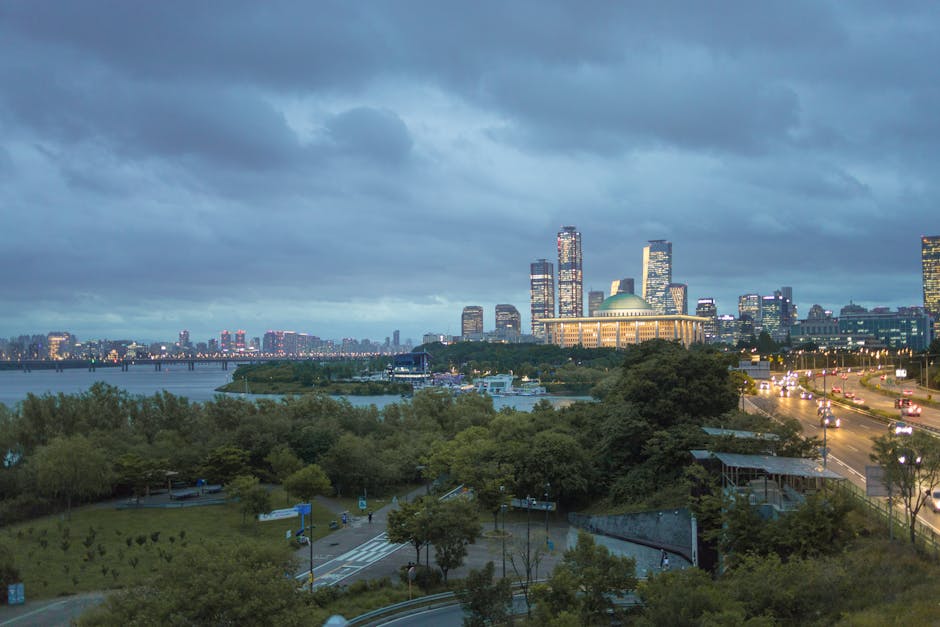 Moderate
Seoul, South Korea
Explore the sophisticated blend of high art, global culture, and trendy cafes in Seoul’s stylish Hannam-dong neighborhood at your own pace.
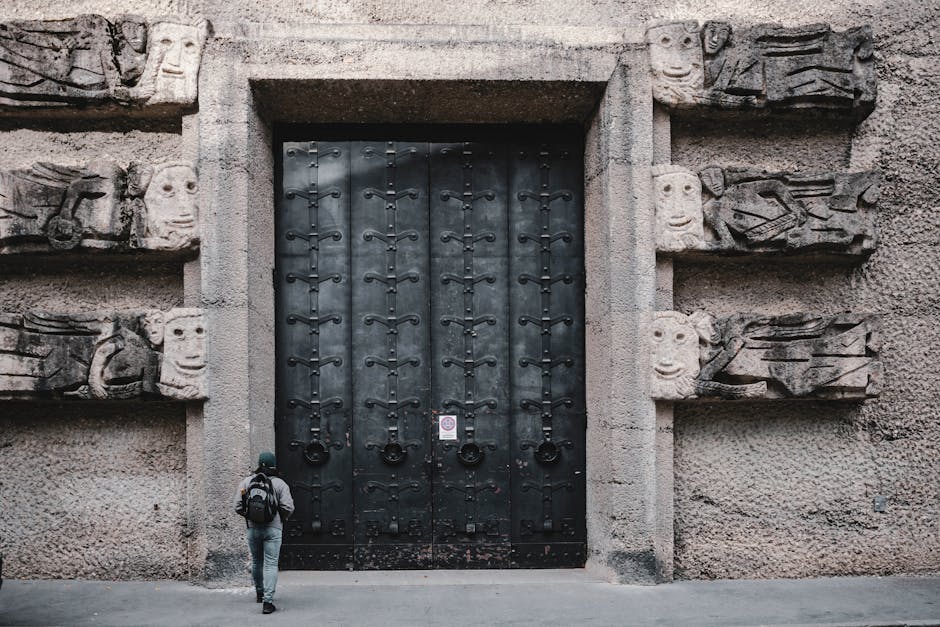 Easy
EasySalzburg, Austria
Discover the 'Rome of the North' on this self-guided walk through the Baroque squares and monumental legacy of Salzburg’s Prince-Archbishops.
 Easy
EasyKrakow, Poland
Explore the historic heart of Kazimierz on this self-guided walk through synagogues, ancient cemeteries, and vibrant squares.
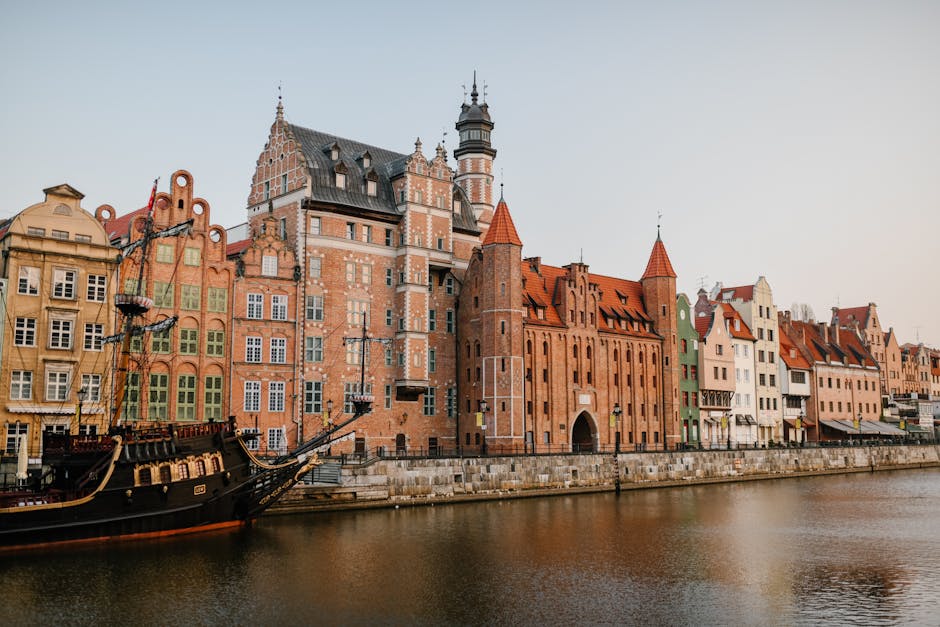 Easy
EasyGdansk, Poland
Discover the 'Baltic Gold' on this self-guided walk through Gdansk's historic mills, massive cathedrals, and the magical Mariacka Street.
 Easy
EasyWarsaw, Poland
Discover the hidden courtyards and grand pre-war architecture of Warsaw's most atmospheric neighborhood on this self-guided stroll.
 Easy
EasyBusan, South Korea
Explore Busan’s industrial-chic transformation. Discover hidden roasteries, redbrick alleys, and 'Newtro' culture in Jeonpo at your own pace.
 Easy
EasyBusan, South Korea
Eat your way through Busan's history on this self-guided walk through the iconic markets and neon-lit alleys of Nampo-dong.
 Easy
EasyBusan, South Korea
Discover the resilient heart of Busan through historic museums, the legendary Bosu-dong Book Alley, and the vibrant streets of Jung-gu.
 Easy
EasyBusan, South Korea
Discover Busan’s futuristic skyline, record-breaking malls, and avant-garde architecture on this self-guided walk through Centum City.
