Step back into a world of narrow cobblestone alleys and towering spires on this self-guided walk through Zurich’s historic Niederdorf district. While Zurich is known today as a global financial hub, its soul remains firmly rooted in the medieval Altstadt. This walking route invites you to peel back the layers of time, starting from the tranquil courtyards of the Predigerkirche and winding down toward the iconic banks of the Limmat River. You will discover how this neighborhood served as a melting pot for revolutionary ideas, from the fiery sermons of the Reformation to the chaotic, anti-establishment birth of the Dada art movement. As you explore independently, you’ll encounter the best-preserved medieval architecture in the city along the Neumarkt, where time seems to have stood still since the 14th century. The route highlights the dual nature of Zurich: the solemn religious history embodied by the Grossmünster’s twin towers and the opulent, worldly influence of the city’s powerful guilds. You’ll see the Rathaus, a stunning Renaissance building that appears to float over the water, and visit the very spot where artists and exiles changed the course of modern art at Cabaret Voltaire. This neighborhood stroll is more than just a history lesson; it is an immersion into the atmosphere of the 'Dörfli,' as locals call it, where hidden courtyards and ancient guild houses reveal the secrets of a city that has always been at the crossroads of European culture. Whether you are a first-time visitor or a regular traveler to Switzerland, this audio walk provides a flexible way to see the sights at your own pace. You can pause for a coffee in a centuries-old square or spend extra time admiring the intricate facades of the Zunfthäuser. By the end of this journey, you will understand how Zurich’s medieval past continues to shape its vibrant, modern identity. This walking tour Zurich experience is designed for those who love to wander without the constraints of a group, allowing the stones of the Altstadt to tell their own stories through your headphones.
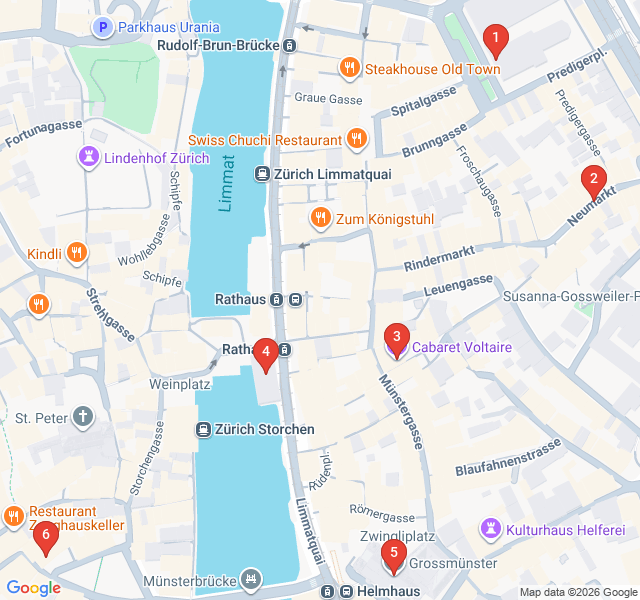
Numbers indicate the order of stops on the tour
Start your journey at the Predigerkirche, or Preacher's Church. Originally built as a Dominican monastery in the 13th century, this site represents one of the few remaining examples of Gothic architecture in Zurich. Look up at the slender green spire; at 97 meters, it is the tallest church tower in the Old Town, added much later in the late 19th century to give the church its distinctive silhouette. Inside, the space is surprisingly bright and minimalist, a stark contrast to its medieval origins. The surrounding square and the adjacent Central Library occupy what was once the monastic cloister. This area served as a center of learning for centuries, anchoring the northern end of the Niederdorf's medieval maze.
As you walk toward Neumarkt, you are entering what many consider the most beautiful street in Zurich. Unlike other parts of the city that were modernized, Neumarkt retains its medieval scale and character. Notice the 'Haus zum Rech,' which houses the city archives and a fascinating model of Zurich as it appeared in 1800. The street is lined with houses that once belonged to the city's nobility and wealthy merchants. Look for the colorful shutters and the intricate stone carvings above the doorways. This was not a commercial hub like the riverfront, but a prestigious residential enclave where the elite lived far from the noise of the markets.
At Spiegelgasse 1, you stand before the birthplace of a revolution—not of politics, but of art. In 1916, amidst the horrors of World War I, a group of exiled artists led by Hugo Ball and Emmy Hennings founded Cabaret Voltaire. They launched Dadaism, an anti-art movement that used nonsense, noise, and collage to protest the logic that led to the war. This small building became a sanctuary for the avant-garde. While the movement was short-lived in Zurich, its influence on surrealism and modern art was monumental. Today, it remains a cultural center where you can still feel the rebellious spirit of the early 20th-century bohemians who once gathered here.
Moving toward the water, you encounter the Rathaus, or Town Hall. Built between 1694 and 1698, this Renaissance masterpiece is unique because it is built directly over the Limmat River on massive stone pillars. It served as the seat of government for the Republic of Zurich until 1798. Notice the ornate facade and the rich sculptural decorations, which were intended to showcase the wealth and independence of the city-state. Even today, the cantonal and city parliaments meet here. The bridge next to it, the Rathausbrücke, was historically the center of public life, serving as the city’s main marketplace for centuries.
The Grossmünster is the most recognizable landmark in Zurich. According to legend, Charlemagne discovered the graves of the city's patron saints, Felix and Regula, on this spot and commissioned a church. The current Romanesque structure dates back to the 12th century. In the 1500s, this church became the starting point of the Swiss-German Reformation. Huldrych Zwingli preached here, stripping the church of its icons and organ to focus on the word of God. If you feel energetic, you can climb the Karlsturm (Charles Tower) for a panoramic view of the lake and the Alps, or visit the quiet Romanesque crypt, which remains largely unchanged since the Middle Ages.
Our final stop is the Zunfthaus zur Waag, located on the picturesque Münsterhof. This building has been the headquarters of the Guild of Wool Weavers and Hat Makers since 1315. The 'Waag' (the Scale) refers to the official town scale that was once housed here. In medieval Zurich, guilds were not just professional associations; they were the political and military backbone of the city. This guild house, with its beautiful late-Gothic windows and elegant dining rooms, represents the peak of Zurich’s social hierarchy. It remains a restaurant today, continuing a tradition of hospitality that spans seven centuries. It’s the perfect place to reflect on the merchant history of the city.
Download Zigway to experience "Medieval Secrets of the Niederdorf" with AI-powered audio narration. Walk at your own pace while stories unfold around you.
 Moderate
Zurich, Switzerland
Follow the footsteps of Einstein and James Joyce on a self-guided walk through Zurich's intellectual and literary heart.
 Easy
EasyZurich, Switzerland
Explore Zurich's edgy side on this self-guided walk through Langstrasse, from red-light history to contemporary art and vibrant nightlife.
 Moderate
Zurich, Switzerland
Explore Zurich's most breathtaking panoramas and hidden photography spots on this self-guided walking route through the historic city center.
 Easy
EasyZurich, Switzerland
Explore the creative soul of Zurich on this self-guided stroll through repurposed factories, shipping container towers, and modern skyscrapers.
 Easy
EasySalzburg, Austria
Discover the 'Rome of the North' on this self-guided walk through the Baroque squares and monumental legacy of Salzburg’s Prince-Archbishops.
 Easy
EasyNairobi, Kenya
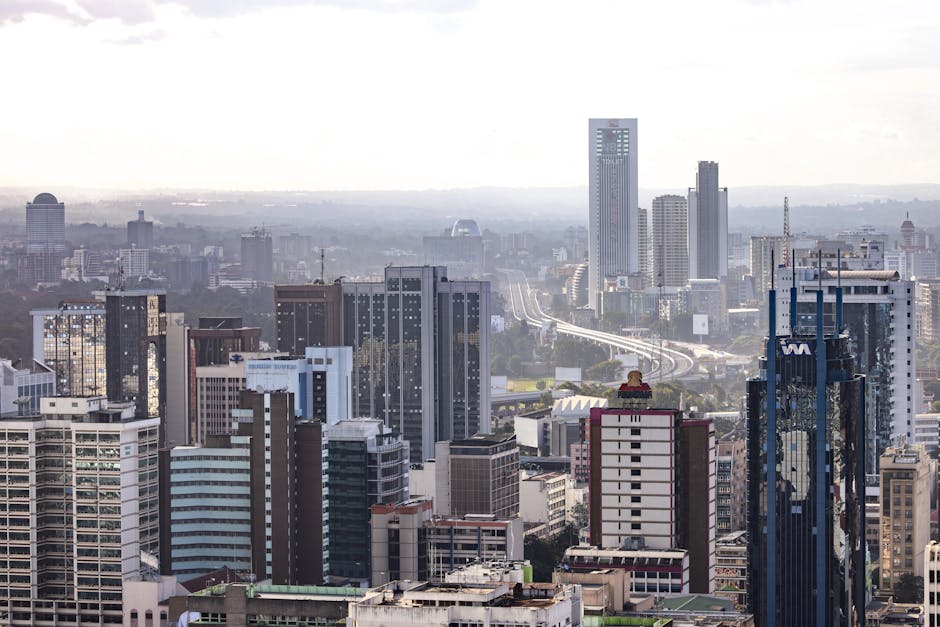
Explore Nairobi's architectural evolution from colonial-era landmarks to iconic Brutalist skyscrapers on this historic self-guided walking route.
 Easy
EasyNairobi, Kenya
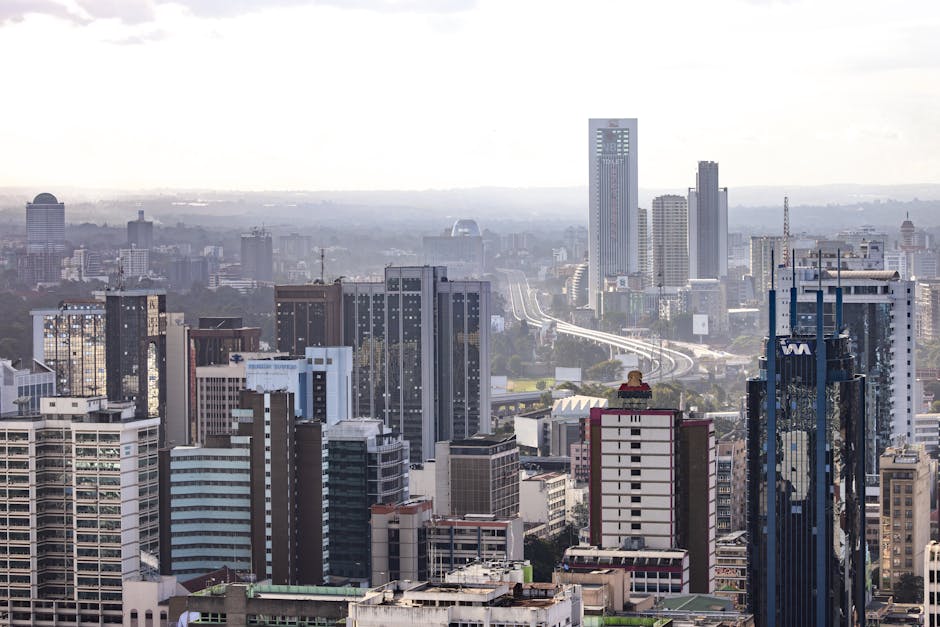
Discover Nairobi's iconic skyline on this self-guided architecture walk through the CBD’s most famous modernist and Brutalist landmarks.
 Easy
EasyKrakow, Poland
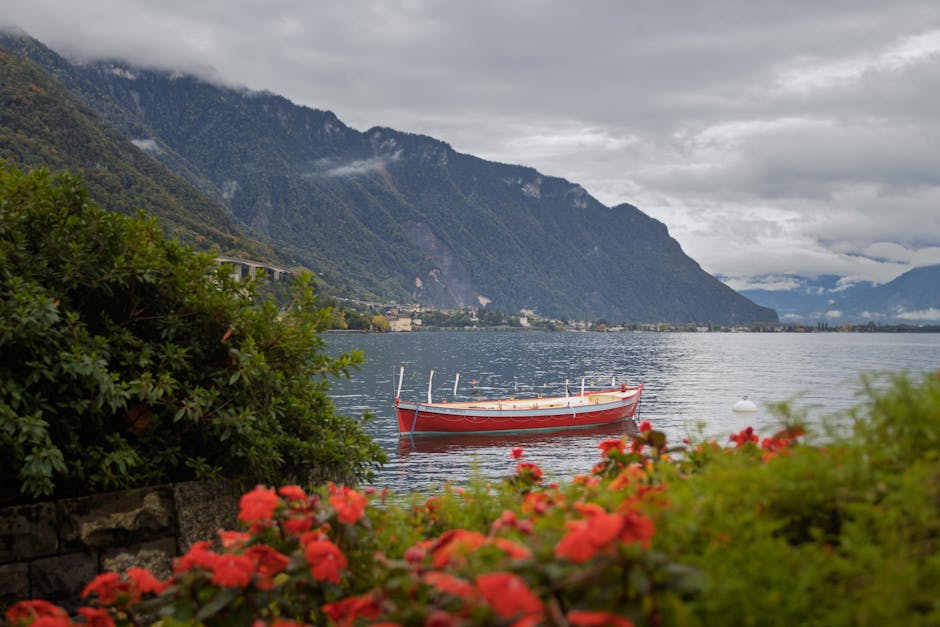
Explore the historic heart of Kazimierz on this self-guided walk through synagogues, ancient cemeteries, and vibrant squares.
 Easy
EasyGeneva, Switzerland
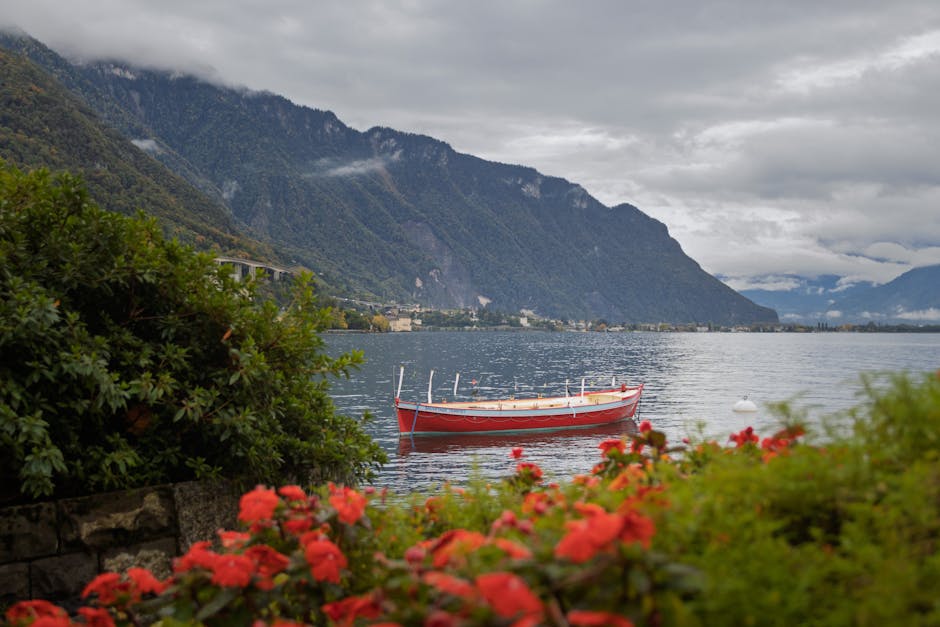
Explore Geneva's bohemian heart on this self-guided walk through flea markets, contemporary art galleries, and literary landmarks.
 Easy
EasyGeneva, Switzerland
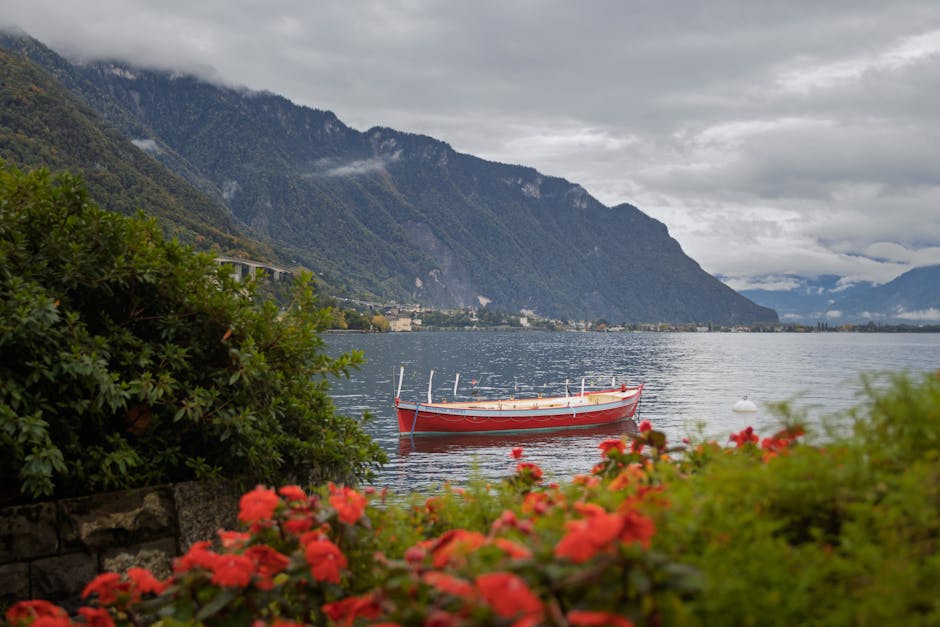
Discover the lives of Rousseau and Voltaire on this self-guided literary walking route through the historic heart of Enlightenment-era Geneva.
 Moderate
Geneva, Switzerland
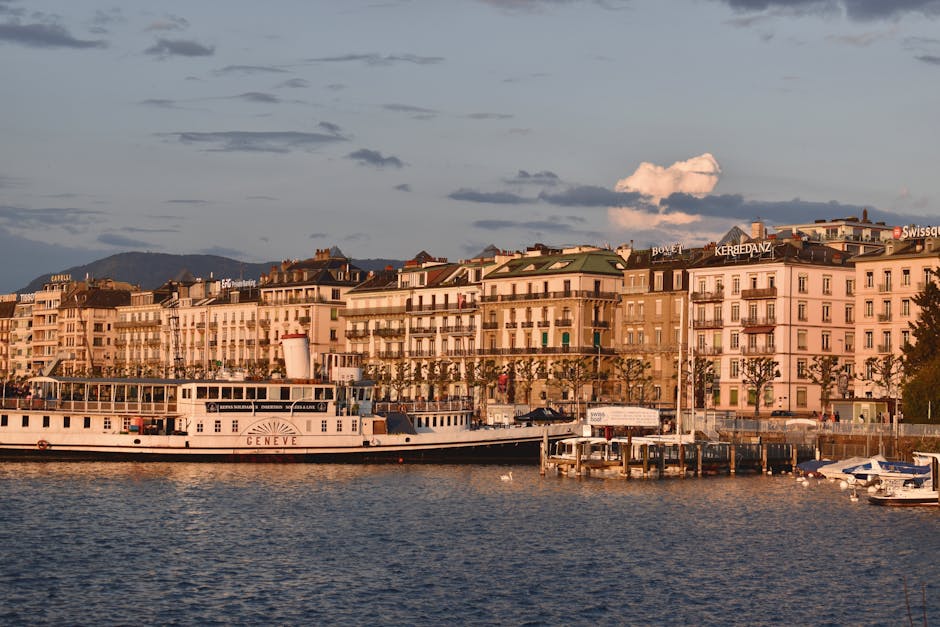
Uncover Geneva’s secrets on this self-guided walk through the Old Town’s historic streets, from the Reformation Wall to medieval cathedrals.
 Easy
EasyGeneva, Switzerland
Discover the Mediterranean soul of Geneva. Explore Carouge’s Sardinian architecture, artisan workshops, and hidden gardens on this self-guided walk.
