Step into the intellectual heart of 18th-century Europe with this self-guided walk through Geneva, a city that shaped the minds of the Enlightenment's most influential thinkers. This walking route traces the complex lives and legacies of Jean-Jacques Rousseau and Voltaire, two giants of philosophy whose ideas sparked revolutions and redefined modern society. As you navigate the winding, cobblestone streets of the Old Town, you will explore the friction between Rousseau's radical 'Social Contract' and Voltaire's sharp-witted advocacy for civil liberties. The journey begins at the very birthplace of Rousseau, offering a glimpse into the humble beginnings of the man who would later champion the 'noble savage' and the general will. You will wander past historic residences and grand libraries that served as the backdrop for intense debates on religion, democracy, and education. A highlight of this neighborhood stroll is the tranquil Île Rousseau, a small island sanctuary in the Rhône River where the philosopher's statue stands as a testament to his enduring connection to the city he called home. While Rousseau was a native 'Citizen of Geneva,' Voltaire arrived as a wealthy exile, seeking refuge and influence. This self-guided adventure takes you toward his former estate, Les Délices, where the sharp-tongued writer hosted the intellectual elite of Europe. Along the way, you will discover how Geneva's strict Calvinist traditions both nurtured and clashed with these radical minds. Whether you are a history buff or a literary enthusiast, this walking route provides a deep dive into the era of reason, all at your own pace. This is arguably the most thought-provoking walking tour Geneva has to offer for those who prefer to explore independently. By the end of this walking tour Geneva experience, you will understand why these two men, who often disagreed vehemently, are forever linked in the story of Western thought.
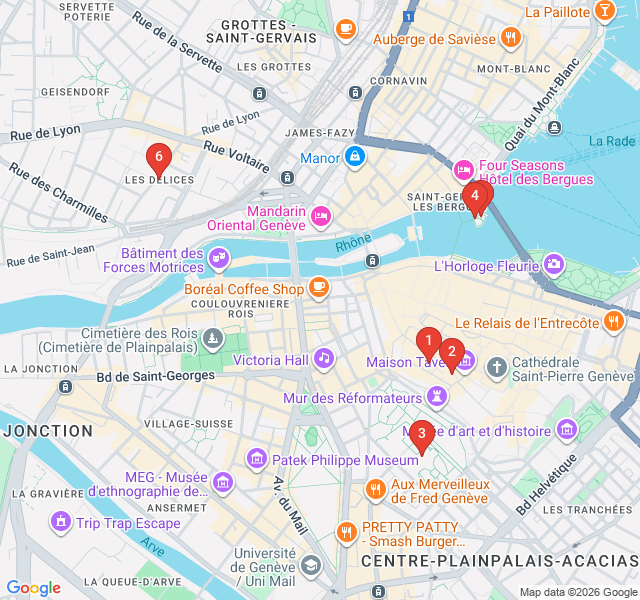
Numbers indicate the order of stops on the tour
Welcome to the Grand-Rue, one of Geneva's oldest and most prestigious streets. It was here, at number 40, that Jean-Jacques Rousseau was born on June 28, 1712. His father was a watchmaker, a profession that defined the middle-class 'citizen' status of the time. Though Rousseau left Geneva at age 16 to wander Europe, he always signed his works as 'Citizen of Geneva.' This street represents the humble but proud beginnings of a man who would eventually challenge the foundations of monarchy and social hierarchy. As you look at the surrounding architecture, imagine the bustling 18th-century city where religious austerity and intellectual curiosity lived side-by-side, shaping the young mind that would later write 'The Social Contract.'
Located in the same building as his birthplace, the Maison de Rousseau et de la Littérature serves as a vibrant cultural hub. It is not just a museum but a space dedicated to the power of the written word. Inside, the exhibits explore Rousseau's multifaceted genius—as a philosopher, novelist, and even a composer. He was a man of contradictions: a proponent of natural education who famously gave up his own children, and a lover of solitude who became one of the most famous men in Europe. The MRL bridges the gap between Enlightenment thought and contemporary literature, reminding us that the questions Rousseau raised about freedom and society are just as relevant today as they were 300 years ago.
Walk down into the lush Parc des Bastions to find the Bibliothèque de Genève. Founded in 1559 by John Calvin, this library grew significantly during the Enlightenment. It became a repository for the very ideas that Rousseau and Voltaire were championing—and occasionally fighting over. The library holds an immense collection of manuscripts, including many of Rousseau’s original papers. During the 18th century, Geneva was a major center for printing and publishing, often producing books that were banned in neighboring France. Standing here, you are at the crossroads of the Reformation and the Enlightenment, where the city's intellectual rigor provided the perfect soil for radical new philosophies to take root.
Cross the bridge to this small, wooded island sitting where Lake Geneva flows into the Rhône River. Originally a defensive bastion known as the Île des Barques, it was renamed in honor of the philosopher in 1834. The island serves as a peaceful escape from the city's traffic, reflecting Rousseau’s own deep love for nature and his belief that urban life corrupted the soul. In his later years, Rousseau sought 'reveries' in natural settings, and this island provides a symbolic space for such reflection. It is a rare spot of tranquility in the heart of the city, offering a view of the water that Rousseau so frequently praised in his autobiographical writings.
At the center of the island stands the bronze statue of Rousseau, created by the sculptor James Pradier. It was erected at a time when Geneva was finally reconciling with its famous son. During his lifetime, Rousseau’s books were publicly burned in front of the City Hall, and he was forced into exile. The statue depicts him seated, pen in hand, looking toward the city that once rejected him. It is a powerful reminder of the often-difficult relationship between visionary thinkers and the societies they seek to change. Take a moment to observe the details of the sculpture, which captures the intensity and contemplative nature of the man who argued that 'Man is born free, and everywhere he is in chains.'
Our final stop takes us to Les Délices, the manor house where Voltaire lived between 1755 and 1760. Unlike the native Rousseau, Voltaire was a wealthy Frenchman who came to Geneva seeking a safe haven from the censors in Paris. He loved this house, calling it a place of 'delights,' and it was here that he wrote 'Candide.' However, his love for theater and his habit of mocking religious authorities eventually led to friction with Geneva’s conservative leaders. Today, the building houses the Voltaire Institute and Museum, containing thousands of his letters and artifacts. It represents the cosmopolitan, witty, and often provocative side of the Enlightenment, standing in stark contrast to the more somber, introspective legacy of Rousseau.
Download Zigway to experience "Enlightenment Minds: Rousseau and Voltaire's Geneva" with AI-powered audio narration. Walk at your own pace while stories unfold around you.
 Easy
EasyGeneva, Switzerland
Explore Geneva's bohemian heart on this self-guided walk through flea markets, contemporary art galleries, and literary landmarks.
 Moderate
Geneva, Switzerland
Uncover Geneva’s secrets on this self-guided walk through the Old Town’s historic streets, from the Reformation Wall to medieval cathedrals.
 Easy
EasyGeneva, Switzerland
Discover the Mediterranean soul of Geneva. Explore Carouge’s Sardinian architecture, artisan workshops, and hidden gardens on this self-guided walk.
 Moderate
Geneva, Switzerland
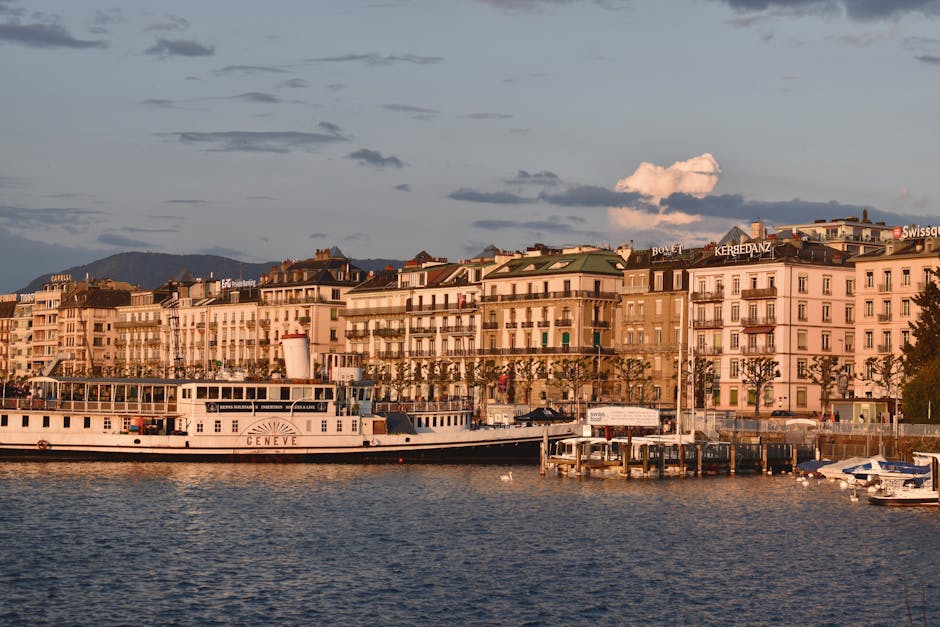
Discover Geneva’s radical architecture on this self-guided walk from the whimsical Smurfs buildings to Le Corbusier’s modernist glass masterpieces.
 Easy
EasyNairobi, Kenya
Discover Nairobi’s literary soul on this self-guided walk through historic libraries, iconic bookshops, and cultural centers in the heart of the CBD.
 Easy
EasyKrakow, Poland
Explore the prestigious Jagiellonian University district, featuring Neo-Gothic architecture, Baroque churches, and Krakow's hidden scholarly gems.
 Easy
EasyWarsaw, Poland
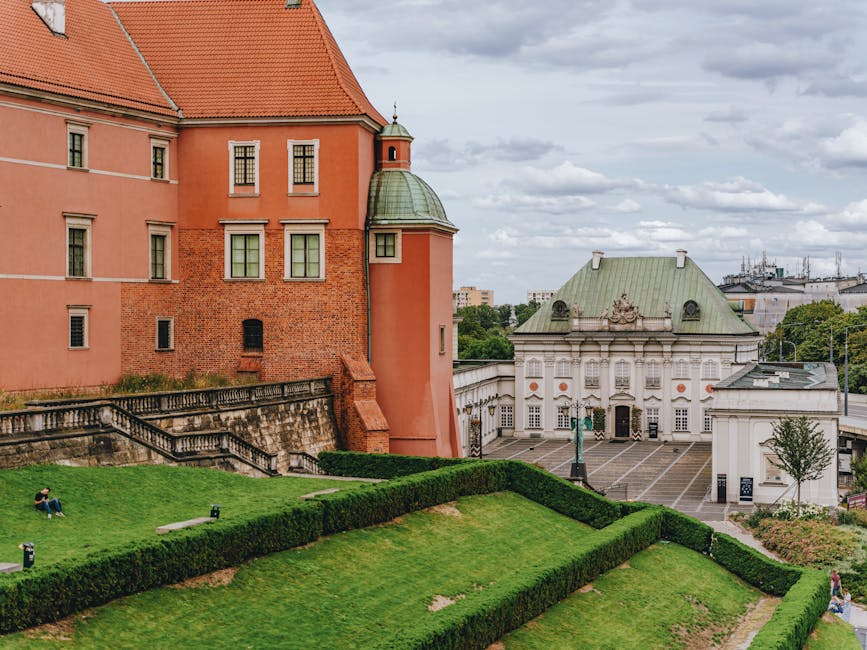
Follow the life of Fryderyk Chopin through Warsaw’s historic center. See where he lived, studied, and where his heart remains today.
 Easy
EasyKrakow, Poland
Explore the historic heart of Kazimierz on this self-guided walk through synagogues, ancient cemeteries, and vibrant squares.
 Moderate
Zurich, Switzerland
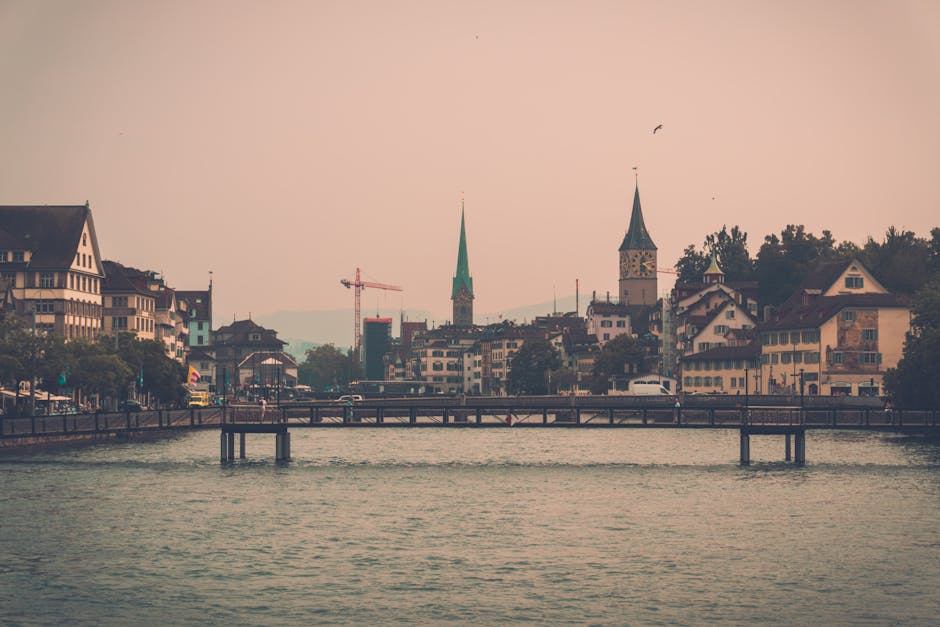
Follow the footsteps of Einstein and James Joyce on a self-guided walk through Zurich's intellectual and literary heart.
 Easy
EasyZurich, Switzerland
Explore Zurich's edgy side on this self-guided walk through Langstrasse, from red-light history to contemporary art and vibrant nightlife.
 Moderate
Zurich, Switzerland
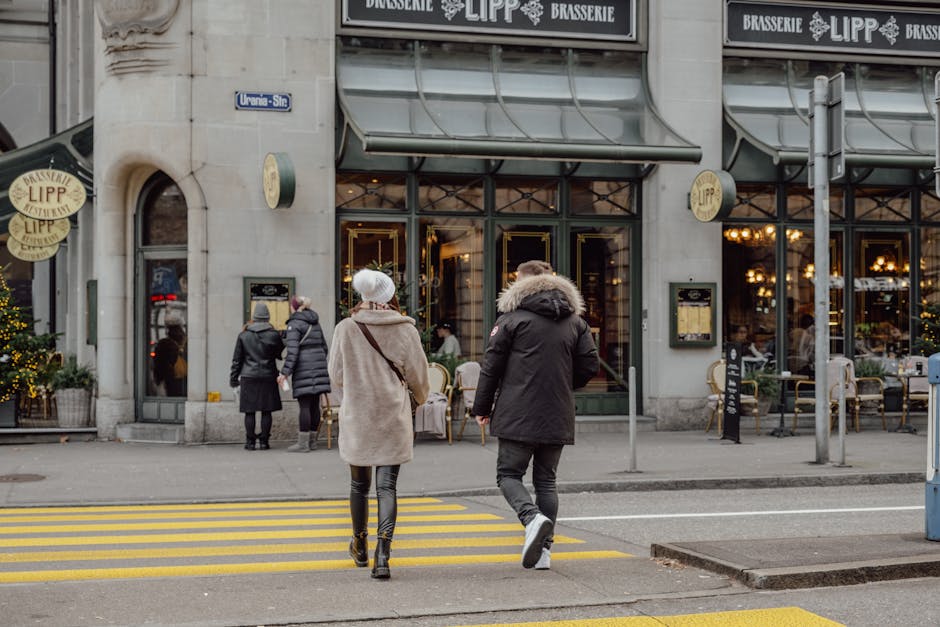
Explore Zurich's most breathtaking panoramas and hidden photography spots on this self-guided walking route through the historic city center.
 Easy
EasyZurich, Switzerland
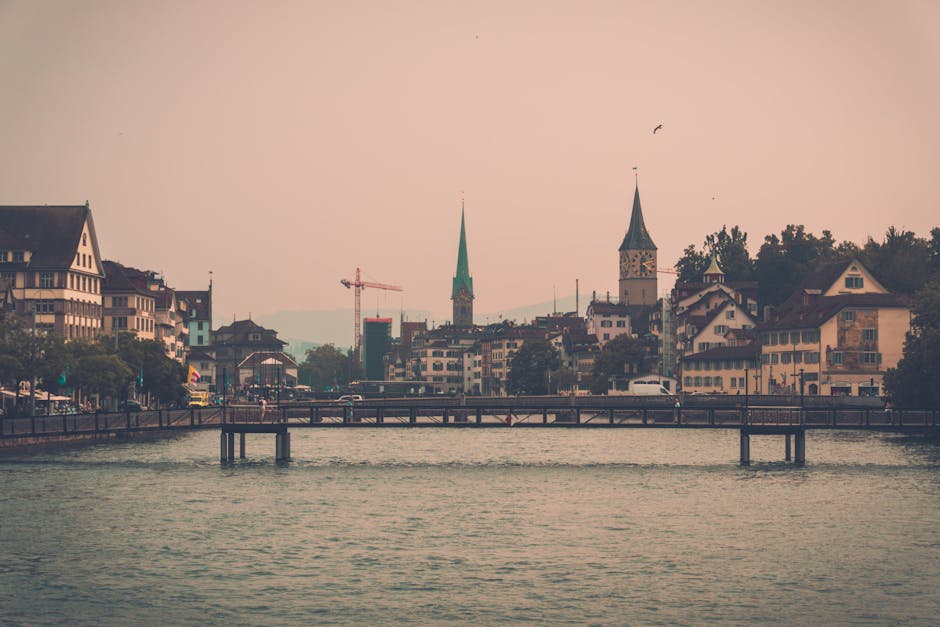
Discover Zurich's medieval heart, from Dadaist rebels to Reformation history, on this atmospheric self-guided audio walk through the Altstadt.
