While most visitors focus on the moving memorials of central Hiroshima, a different kind of history waits in the foothills of Mount Futaba. This self-guided walk, known as the Futabanosaki Trail, offers a serene journey through a series of ancient shrines and temples that survived the atomic blast or were faithfully restored to preserve the city’s spiritual heart. This neighborhood stroll through Higashi-ku connects the 'Seven Lucky Gods' of Hiroshima, blending architectural grandeur with the quiet rustle of forest paths. This route is a favorite for those seeking a deeper connection to Japanese religious traditions away from the main tourist crowds. You will begin near Hiroshima Station and gradually ascend into the greenery, passing through vibrant vermillion gates and historic temple grounds that have stood for centuries. The experience culminates at the shimmering silver Peace Pagoda, which offers one of the most breathtaking panoramic views of the city and the Seto Inland Sea. Along the way, you will encounter the legacy of the powerful Asano clan and the intricate woodcarvings of the Toshogu Shrine. This walking route Hiroshima residents often use for morning exercise or spiritual reflection provides a unique perspective on the city's resilience. Unlike a standard walking tour Hiroshima might offer in the downtown area, this trail requires a bit of physical effort as you climb the hillside, but the reward is a peaceful atmosphere and a sense of discovery. Whether you are interested in the fine details of Shinto architecture or the simple beauty of a mountain trail, this independent exploration reveals the 'Hidden North' of Hiroshima at your own pace.
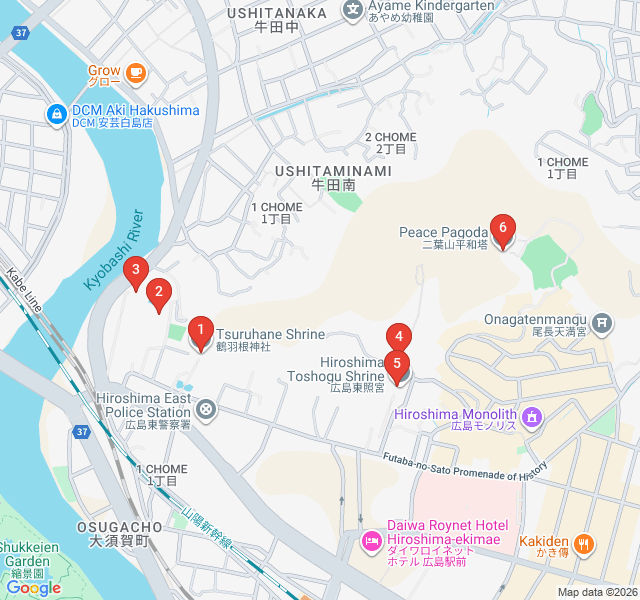
Numbers indicate the order of stops on the tour
Start your journey at Tsuruhane Shrine, whose name translates to 'Crane Wing.' This Shinto shrine is dedicated to the protection of the local area and is a popular spot for traditional weddings. As you enter, notice the large stone torii gate and the symbols of cranes and turtles throughout the grounds—both are traditional Japanese symbols of longevity and good fortune. The shrine dates back several centuries, and while many structures were rebuilt after 1945, the site retains a profound sense of continuity. It is one of the shrines associated with the Seven Lucky Gods of Hiroshima, specifically representing Hotei, the god of happiness and contentment.
A short walk brings you to Myojo-in, one of the most significant Buddhist temples in the city. Unlike many structures in Hiroshima, Myojo-in's main gate and several statues survived the 1945 atomic blast because the temple is shielded by the base of Mount Futaba. This temple has a deep connection to the Asano family, the former lords of Hiroshima. As you explore, look for the intricate wood carvings and the peaceful cemetery behind the main hall. The temple is dedicated to Bishamonten, the protector of the Buddhist law and a god of war and victory, making it a powerful stop on this spiritual trail.
Nigitsu Shrine stands as a monument to the Asano clan, who ruled the Hiroshima domain for over 250 years. Founded in 1835, the shrine honors the spirits of the first Asano lords. The architecture here is characterized by its clean lines and stately atmosphere. During the spring, the approach to the shrine is lined with beautiful cherry blossoms. This site serves as a reminder of Hiroshima's pre-modern history as a powerful castle town. Take a moment to appreciate the large stone lanterns and the quiet dignity of the inner courtyard before heading toward the more colorful shrines further up the hill.
Prepare for a bit of a climb as you reach Kinko Inari Shrine. This is the most 'Instagram-worthy' spot on the trail, featuring a winding path of bright vermillion torii gates that lead up the hillside. Inari shrines are dedicated to the god of rice and prosperity, often represented by fox (kitsune) statues who act as messengers. As you walk through the tunnel of gates, you’ll feel the transition from the urban environment to the mountain forest. The higher you climb, the better the views of the city become. It’s a steep but rewarding section of the walk that captures the essence of Japanese mountain worship.
Located just beside Kinko Inari, the Hiroshima Toshogu Shrine was built in 1648 to honor Tokugawa Ieyasu, the founder of the Tokugawa Shogunate. This is an exceptionally ornate shrine, featuring gold leaf and detailed carvings that mirror the famous Toshogu in Nikko. Because it sits on a high vantage point, it offers a commanding view of the city. The shrine was heavily damaged by the atomic bomb's pressure wave but has been meticulously restored. Notice the 'A-bombed' pampas grass nearby, which survived the heat of the blast and continues to grow today as a symbol of life’s persistence.
The final ascent leads you to the summit of Mount Futaba and the striking silver Peace Pagoda. Built in 1966 by the Nipponzan Myohoji Buddhist order, it was the first of its kind in the world, constructed to pray for everlasting world peace and to house ashes of the Buddha gifted by India and Ceylon. The pagoda’s metallic sheen is unique, standing out against the green backdrop of the mountain. From this height, you can see the entire layout of Hiroshima, the Ota River delta, and the distant islands of the Seto Inland Sea. It is a place of absolute quiet, perfect for reflecting on your journey through the city’s 'hidden' northern history.
Download Zigway to experience "The Futabanosaki Trail: Hidden Temples of the North" with AI-powered audio narration. Walk at your own pace while stories unfold around you.
 Moderate
Hiroshima, Japan
Discover Hiroshima's samurai history on this self-guided walk through Shukkeien Garden, the historic Hiroshima Castle, and serene Moto-machi parks.
 Easy
EasyHiroshima, Japan
Explore Hiroshima's maritime heritage on this scenic self-guided walk from historic red-brick museums to the peaceful Ujina Lighthouse.
 Easy
EasyHiroshima, Japan
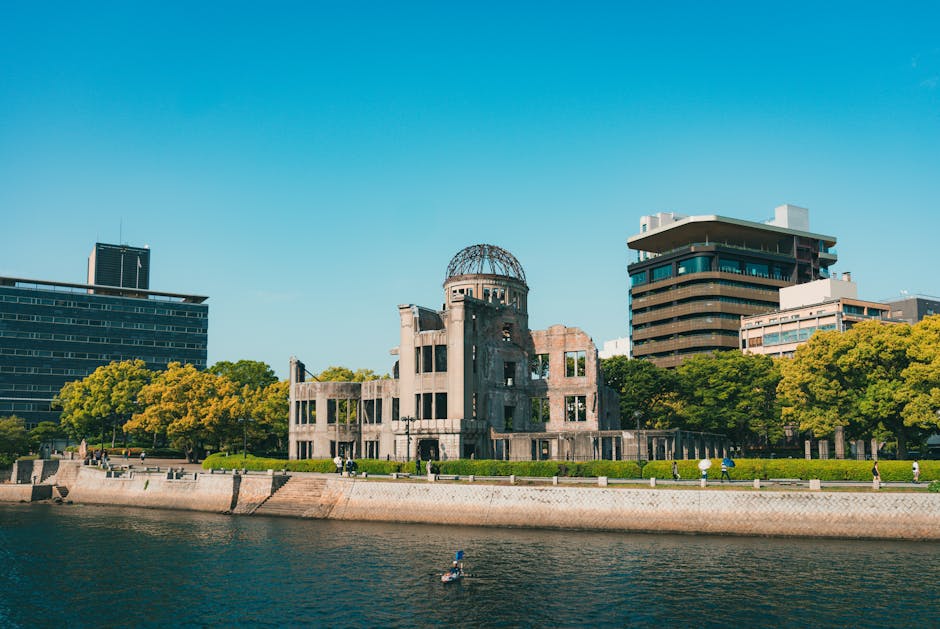
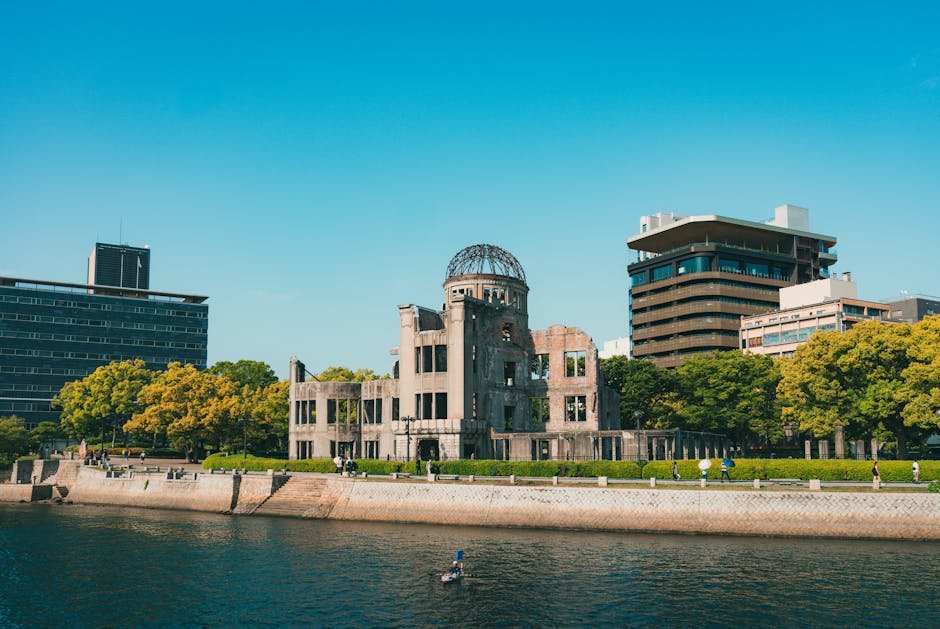
Discover Hiroshima’s architectural evolution from pre-war survivors to visionary modernist masterpieces on this self-guided walking route.
 Easy
EasyHiroshima, Japan
Explore Hiroshima's electric Nagarekawa district. A self-guided walk through neon alleys, savory street food, and hidden local culture.
 Moderate
Nairobi, Kenya
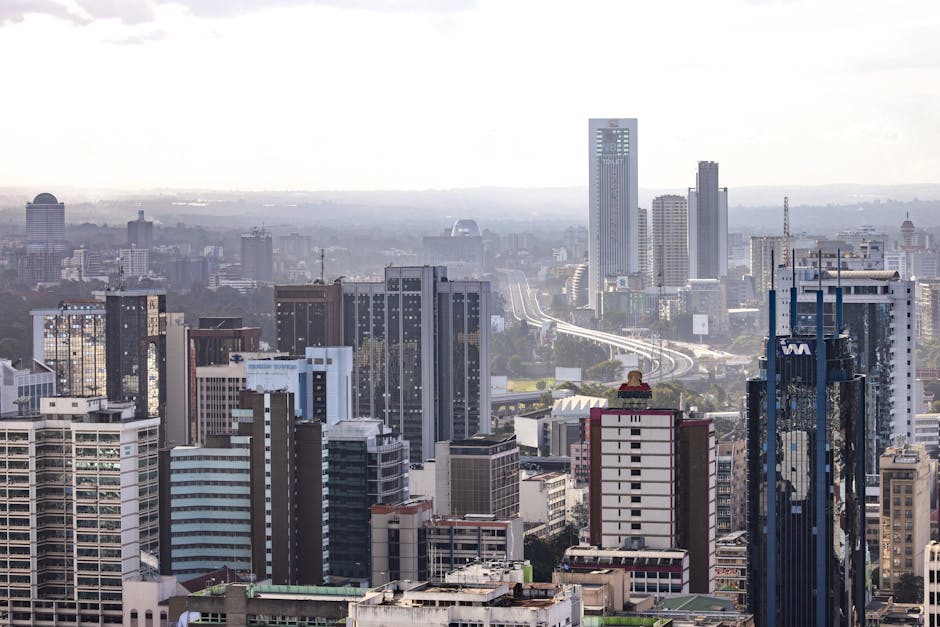
Discover Nairobi's lush side on this self-guided walk through botanical gardens, historic memorials, and vibrant local markets.
 Moderate
Gdansk, Poland
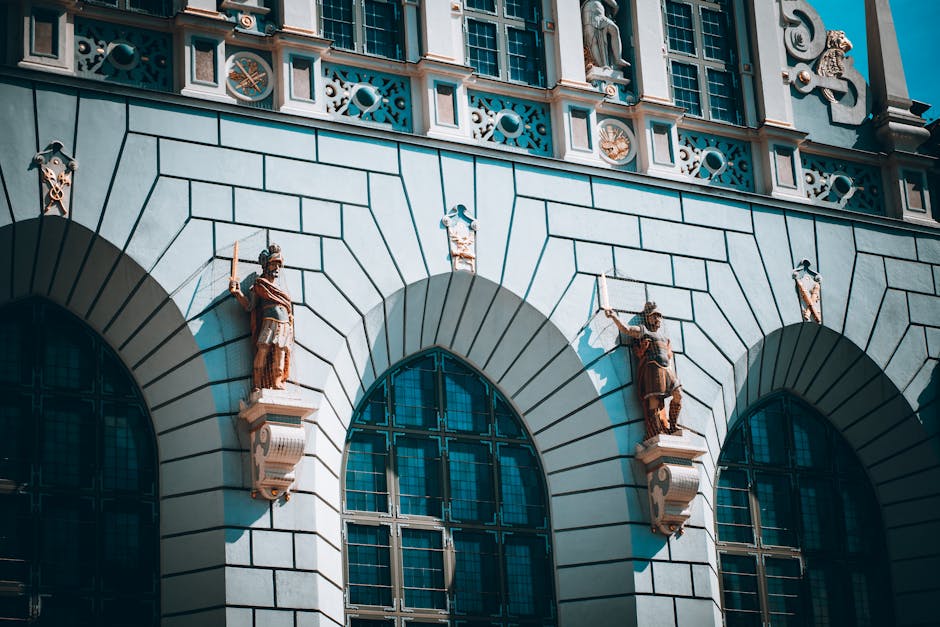
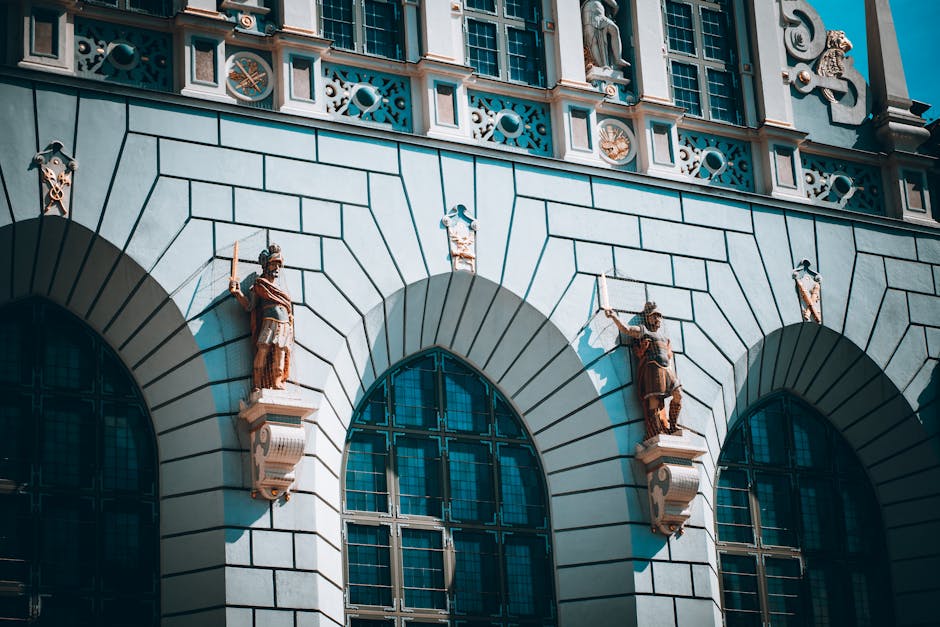
Discover the origins of WWII in Gdansk on this self-guided walk through heroic last stands, massive museums, and strategic hilltop fortifications.
 Moderate
Gdansk, Poland
Discover Zaspa, a massive open-air gallery where grey housing blocks are transformed by over 60 monumental murals. Explore at your own pace.
 Easy
EasySalzburg, Austria
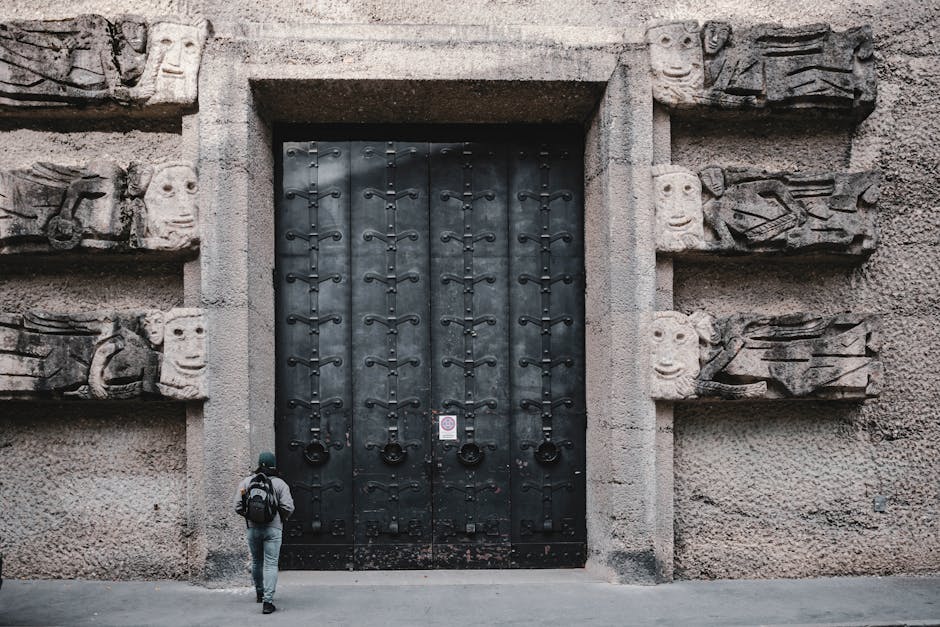
Discover Salzburg's oldest medieval alley, the birthplace of the 'Silent Night' author, and breathtaking views on this quiet self-guided walk.
 Moderate
Tokyo, Japan
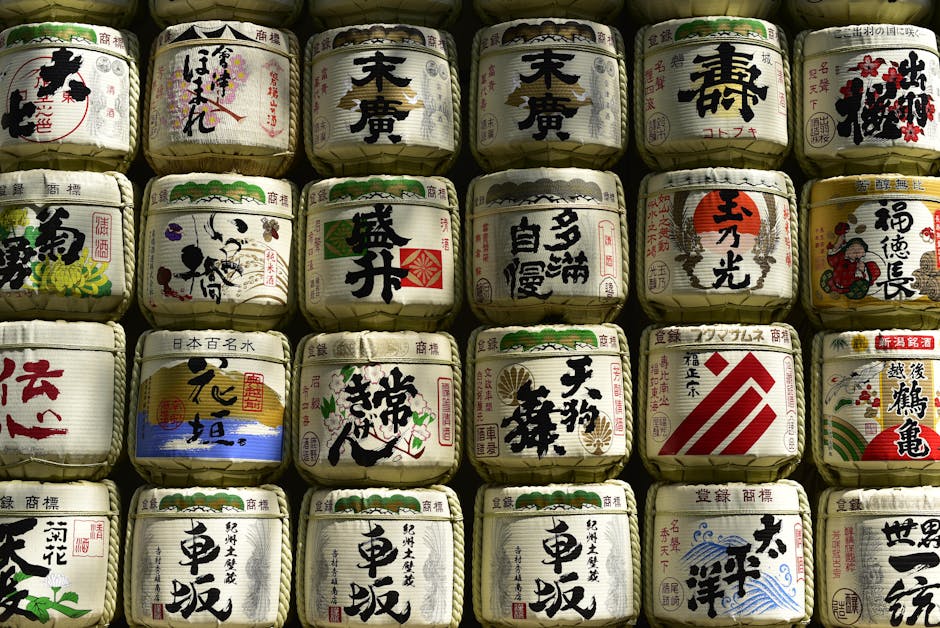
Discover Tokyo's premier creative district on this self-guided walk through Roppongi’s world-class museums and striking modern architecture.
 Easy
EasyTokyo, Japan
Discover the 'Old Tokyo' charm of Yanaka on this self-guided walk through historic temples, artisan alleys, and a stunning torii gate shrine.
 Easy
EasyTokyo, Japan
Experience Shibuya's electric energy on this self-guided walk from the iconic Scramble Crossing to the panoramic views of Shibuya Sky.
 Easy
EasyTokyo, Japan
Explore Tokyo's indie heart. From vintage fashion in Shimokitazawa to world-class art in Shinjuku, discover the city's creative soul independently.
