Step into the quiet elegance of Kyoto’s aristocratic heart with this self-guided walk through the Kamigyo ward. For over a millennium, this area served as the stage for Japan’s imperial court, a place where poetry, politics, and power intertwined beneath the shadows of ancient pines. This neighborhood stroll offers a deep dive into the historical layers of the Kyoto Gyoen National Garden, a massive green lung that once housed the residences of hundreds of court nobles. Unlike the crowded streets of Gion, this route provides a peaceful atmosphere where you can admire the harmony between traditional architecture and nature at your own pace. Discover the hidden Itsukushima Shrine, tucked away on a small island, and explore the remains of the Kan-in-no-miya Residence to see how high-ranking officials once lived. The center of this walking route is the Kyoto Imperial Palace, a masterpiece of Japanese wood construction that remained the emperor’s primary residence until 1868. Beyond the palace walls, you will encounter the lush gardens of the Sento Imperial Palace and conclude your journey at Rozan-ji Temple, the former home of Murasaki Shikibu, author of The Tale of Genji. This walking tour Kyoto provides a comprehensive look at the city's royal heritage without the constraints of a group schedule. Whether you are interested in the meticulous design of royal gardens or the literary history of the Heian period, this audio walk reveals the enduring legacy of the imperial court.
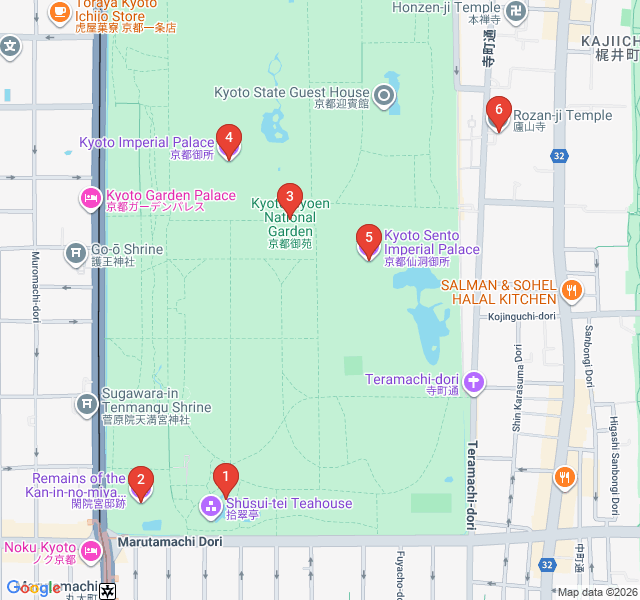
Numbers indicate the order of stops on the tour
Begin your self-guided adventure at this small, serene shrine located on an island in the Kujo Pond. While the most famous Itsukushima Shrine is in Miyajima, this Kyoto version holds its own unique charm. It was originally established by the Kujo family, one of the five regent houses of the imperial court. Take a moment to look at the unusual stone torii gate; it is considered one of the 'Three Great Stone Torii' of Kyoto. The shrine is dedicated to three goddesses of the sea and is a perfect example of how private noble family shrines were integrated into the landscape of the imperial park. The surrounding pond, filled with carp and seasonal lotuses, sets a tranquil tone for the rest of your walk through these historic grounds.
As you continue your neighborhood stroll, you arrive at the former residence of the Kan-in-no-miya family, one of the four branches of the Imperial family eligible to provide an heir to the throne. The current structures date back to the late Edo period and offer a rare look at how the high nobility lived within the palace walls. The site has been meticulously restored and now serves as a museum and visitor center. Walk through the open rooms and notice the transition between the interior mats and the exterior wooden verandas, designed to blend the home with the surrounding garden. The garden here features a 'suikinkutsu,' an underground water jar that creates a melodic, bell-like sound when water drips into it—a subtle detail of refined Japanese aesthetics.
You are now standing in the vast expanse of Kyoto Gyoen, a 1.3-kilometer-long park that serves as the 'Central Park' of Kyoto. Before the capital moved to Tokyo in 1868, this entire area was a densely packed district of over 200 noble residences. After the court left, the houses were demolished, and the area was transformed into this public park. The wide gravel paths were designed to accommodate the carriages of the elite. Today, it is home to over 50,000 trees, including weeping cherry trees and ancient pines that have witnessed centuries of history. As you walk toward the palace, imagine the bustling energy of the Heian court that once occupied these now-quiet spaces.
The Kyoto Imperial Palace is the spiritual heart of this walking route. While the original palace burned down several times, the current structures, rebuilt in 1855, replicate the classical Heian-period style known as Shinden-zukuri. This architectural style emphasizes harmony with nature, with long corridors connecting various pavilions. The most important building is the Shishinden, the Hall for State Ceremonies, where the enthronement of emperors took place. Notice the white gravel and the simple, unpainted wood, which reflect the purity and austerity of the Shinto-influenced imperial aesthetic. While the interior is generally closed to casual walk-ins, the exterior architecture and the scale of the gates provide a powerful sense of the majesty that once defined the Japanese Empire.
Located just southeast of the main palace, the Sento Imperial Palace was built in 1630 as a retirement home for Emperor Go-Mizunoo. Although the palace buildings themselves were lost to fire, the gardens remain as some of the most beautiful in Japan. Designed by the legendary tea master Kobori Enshu, the garden features two large ponds connected by a canal. The 'Pebbled Shore' of the South Pond is particularly famous, consisting of thousands of smooth, hand-picked stones. This site represents the 'Sento' or 'Hermitage' lifestyle, where retired emperors could focus on poetry, tea ceremonies, and the quiet appreciation of the changing seasons away from the rigors of official duties.
Conclude your self-guided walk at Rozan-ji, a temple with a profound literary connection. This site was once the mansion of the Fujiwara family, where Murasaki Shikibu lived over a thousand years ago. It is here that she is believed to have written 'The Tale of Genji,' the world’s first novel. The temple’s 'Genji Garden' is designed to evoke the world of her literature, featuring white sand and vibrant purple bellflowers that bloom in the summer. Standing here, at the edge of the Imperial Park, you can feel the bridge between the physical history of the palaces and the cultural history of the stories they inspired. It is a fitting end to a journey through the echoes of the imperial court.
Download Zigway to experience "Echoes of the Imperial Court" with AI-powered audio narration. Walk at your own pace while stories unfold around you.
 Moderate
Kyoto, Japan
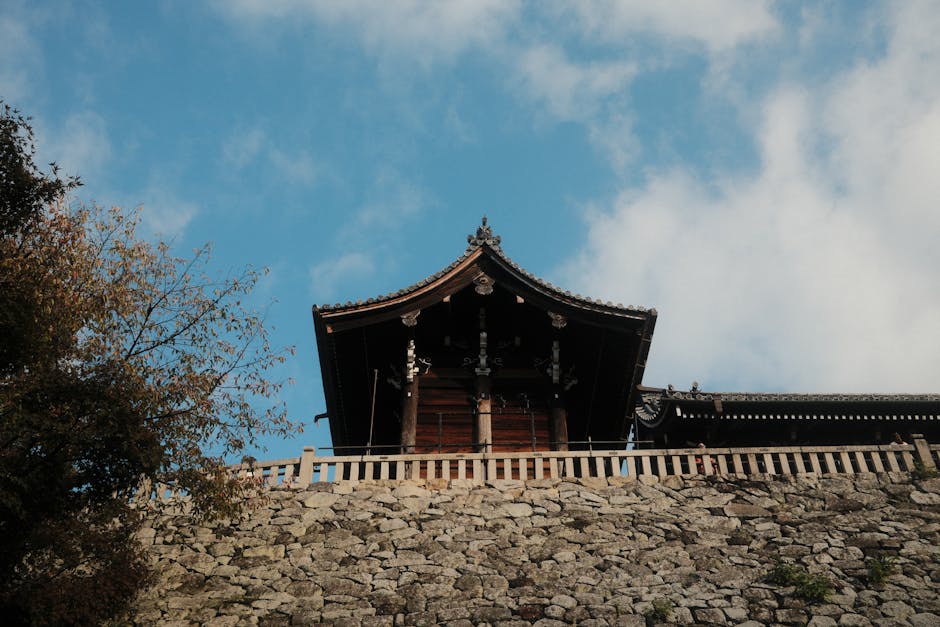
Discover the soul of old Kyoto on this self-guided walk through preserved stone lanes, iconic pagodas, and the grand wooden stage of Kiyomizu-dera.
 Challenging
Kyoto, Japan
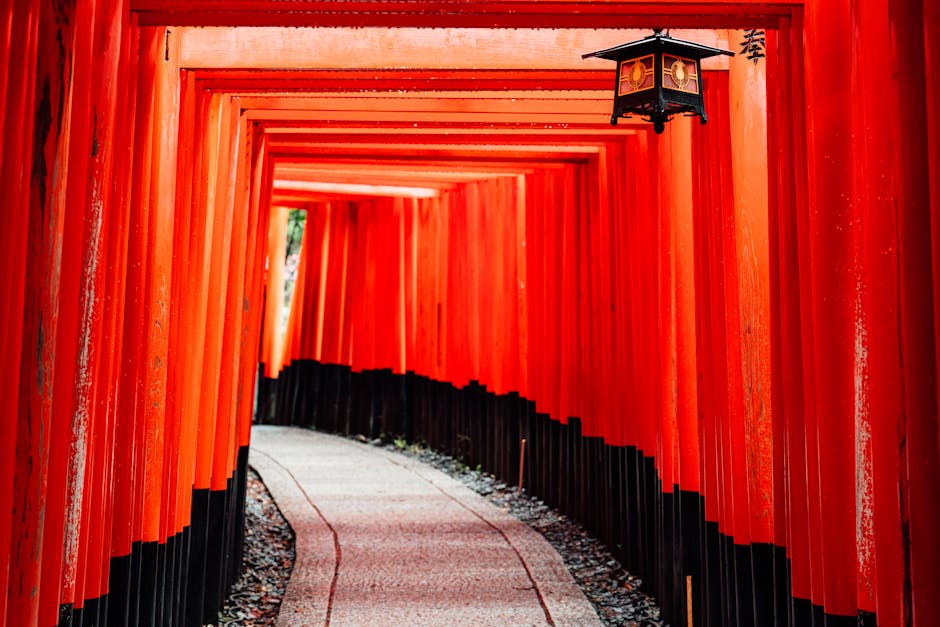
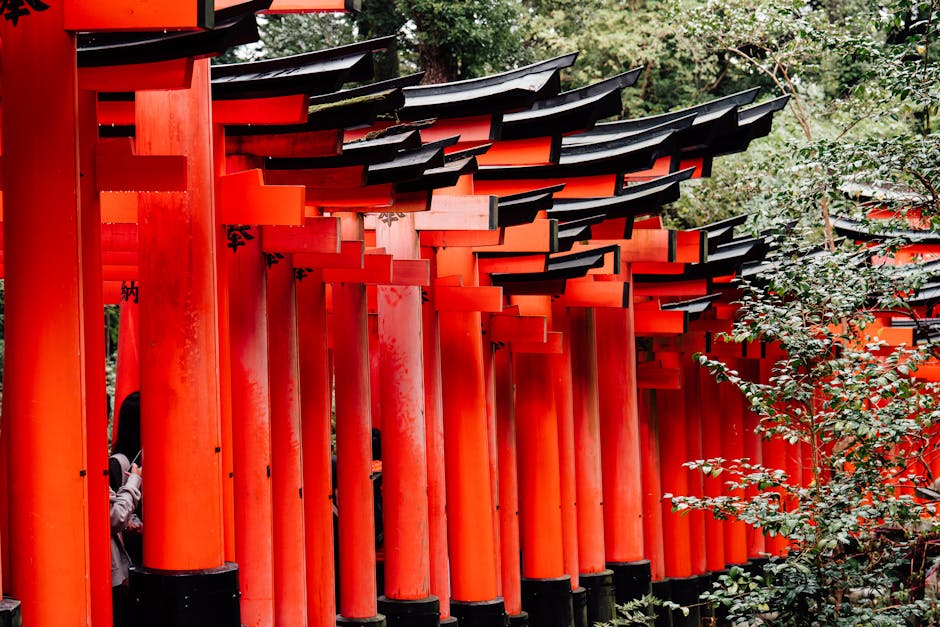
Ascend the sacred Mount Inari through thousands of vermillion torii gates on this challenging and spiritual self-guided walk in Kyoto.
 Easy
EasyKyoto, Japan
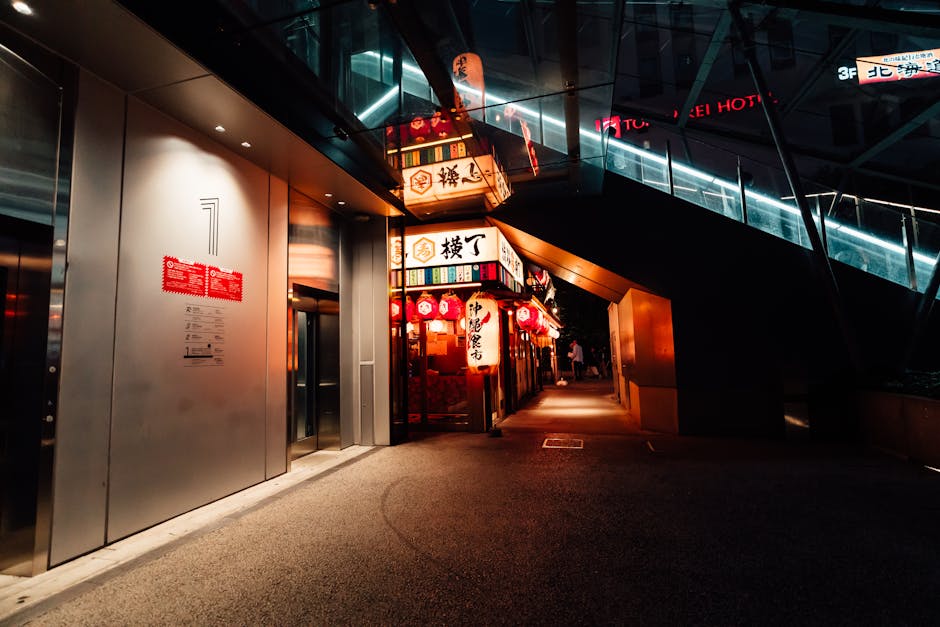
Explore Kyoto's most atmospheric alleyway. Discover geiko history, riverside dining, and hidden nightlife on this self-guided evening stroll.
 Moderate
Kyoto, Japan
Experience a serene self-guided walk along Kyoto's iconic Philosopher's Path, visiting Zen temples, hidden shrines, and the stunning Silver Pavilion.
 Easy
EasyWarsaw, Poland
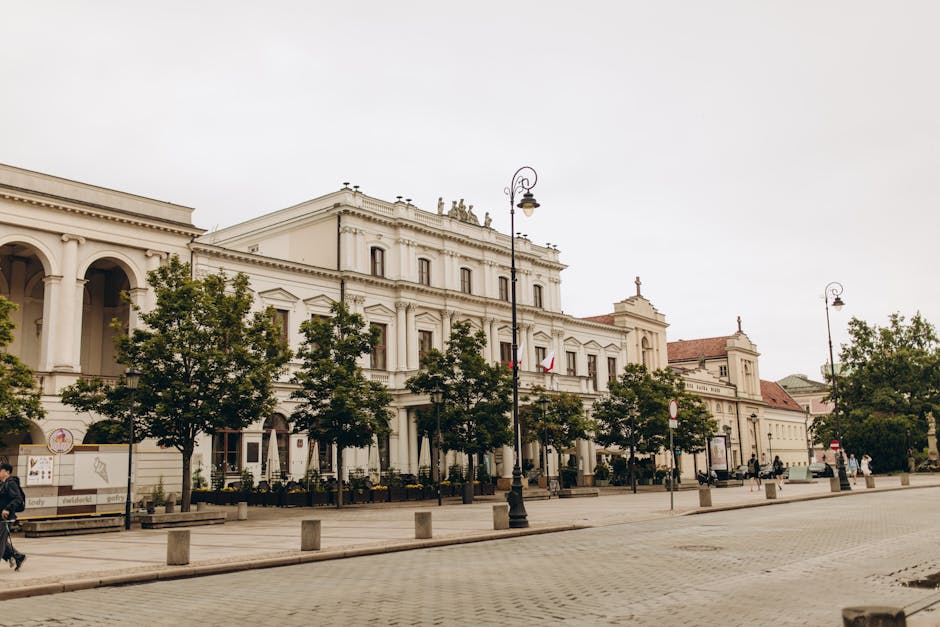
Discover Warsaw's intellectual heart through historic campuses, peaceful parks, and the stunning rooftop gardens of the University Library.
 Easy
EasyNairobi, Kenya
Explore Nairobi's architectural evolution from colonial-era landmarks to iconic Brutalist skyscrapers on this historic self-guided walking route.
 Easy
EasyNairobi, Kenya
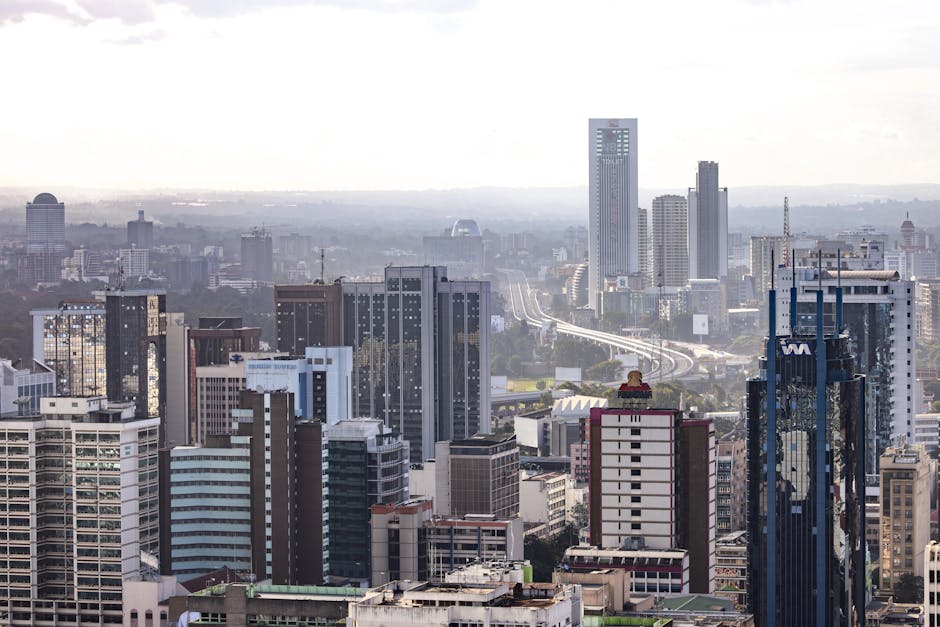
Discover Nairobi's iconic skyline on this self-guided architecture walk through the CBD’s most famous modernist and Brutalist landmarks.
 Easy
EasyGdansk, Poland
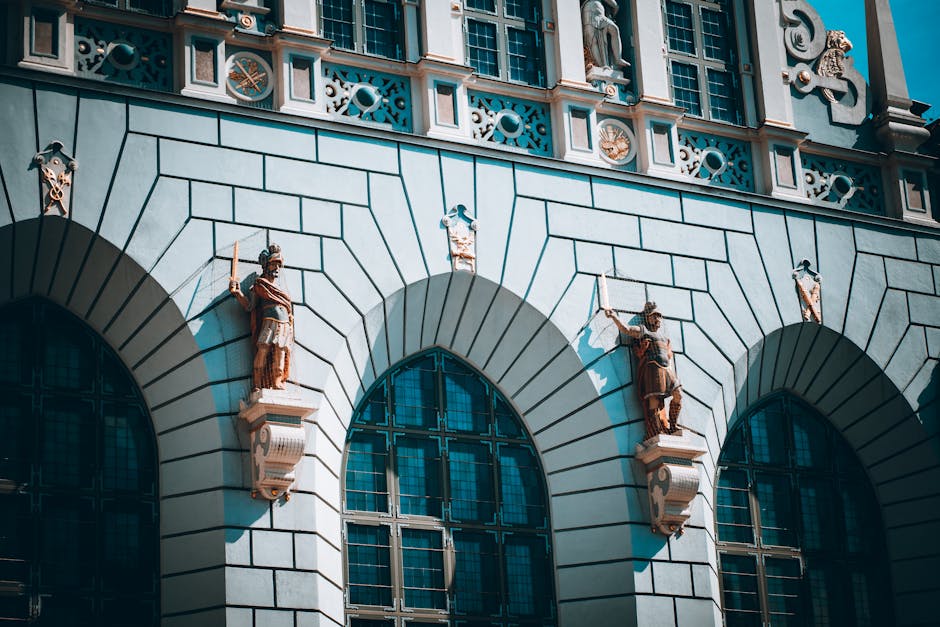
Discover the opulent Royal Way of Gdansk at your own pace. Explore Hanseatic history, gilded architecture, and the iconic Neptune's Fountain.
 Moderate
Tokyo, Japan
Discover Tokyo's premier creative district on this self-guided walk through Roppongi’s world-class museums and striking modern architecture.
 Easy
EasyTokyo, Japan
Discover the 'Old Tokyo' charm of Yanaka on this self-guided walk through historic temples, artisan alleys, and a stunning torii gate shrine.
 Easy
EasyTokyo, Japan
Experience Shibuya's electric energy on this self-guided walk from the iconic Scramble Crossing to the panoramic views of Shibuya Sky.
 Easy
EasyTokyo, Japan
Explore Tokyo's indie heart. From vintage fashion in Shimokitazawa to world-class art in Shinjuku, discover the city's creative soul independently.
