Prague is often celebrated for its Gothic spires and Baroque bridges, but there is a subversive, modern heartbeat pulsing through its historic streets. This self-guided walk invites you to uncover the cheeky, controversial, and often baffling works of David Černý, the 'Enfant Terrible' of Czech art. Known for his biting political satire and surrealist installations, Černý has transformed the city into an open-air gallery of the unexpected. This neighborhood stroll takes you from the grand boulevards of New Town to the cobblestone alleys of Malá Strana, revealing landmarks that challenge the status quo. You will encounter an upside-down horse mocking national pride, a massive rotating head of Franz Kafka, and even Sigmund Freud hanging precariously by a single hand. Unlike a traditional walking tour Prague visitors might usually find, this route focuses on the defiant spirit of the post-Communist era. You will explore hidden passages, vibrant squares, and serene riverside parks, seeing the city through a lens of dark humor and artistic rebellion. Each stop provides a unique perspective on Czech identity and the power of public art. Whether you are a fan of contemporary sculpture or simply looking for something beyond the typical tourist path, this self-guided adventure offers a deep dive into the provocative mind of Prague’s most famous living artist. Discover these installations at your own pace, soaking in the atmosphere of the city while debating the meaning behind these iconic, and often scandalous, masterpieces.
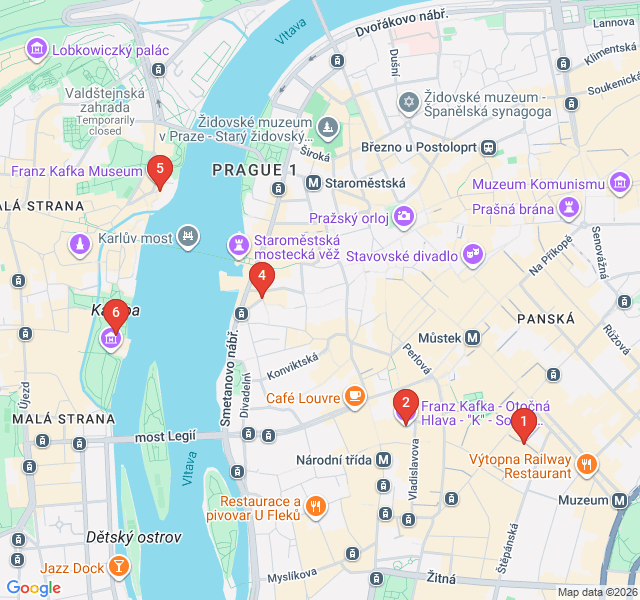
Numbers indicate the order of stops on the tour
Begin your journey inside the Lucerna Palace, a stunning Art Nouveau passage. Hanging from the ceiling is 'Kůň' (The Horse), a direct parody of the famous St. Wenceslas monument in the square outside. Here, the patron saint of the Czech lands sits atop the belly of a dead, upside-down horse. Created in 1999, many see this as a scathing critique of the Czech government or a reflection of the national identity crisis following the fall of Communism. It’s a perfect introduction to Černý's style: taking a revered national symbol and turning it—quite literally—on its head. Notice the intricate details of the horse’s tongue and the saint's stoic expression amidst the absurdity.
Step outside to find the mesmerizing 'K. on Sun,' a massive kinetic bust of author Franz Kafka. Standing 11 meters tall and weighing 39 tons, this sculpture consists of 42 independent stainless steel layers that rotate 360 degrees. As the layers align and misalign, Kafka’s face disappears and reappears, mirroring the themes of metamorphosis and the complex, bureaucratic machinery often found in his writing. The mirrored surface reflects the city around it, making the art feel like a living part of Prague. It is a masterclass in engineering and artistic vision, capturing the internal turmoil of the famous writer in a very public, mechanical way.
Look up as you walk down Husova street. Dangling from a metal beam high above the pavement is a life-sized figure of Sigmund Freud. One hand is tucked in his pocket while the other grips the pole, as he calmly contemplates his fate. Created in 1996, this piece represents the intellectual’s struggle in the new millennium—hanging on but perhaps ready to let go. It has been exhibited in cities worldwide, including Chicago and London, and is frequently mistaken for a real person in distress by passersby. It serves as a reminder of the fragility of the human condition and the precarious nature of our existence.
On the facade of the Na Zábradlí Theatre, you will find one of Černý's smaller and more subtle works. 'Embryo' is attached to a vertical drainpipe, appearing like a biological growth on the historic building. It was installed in 2008 to celebrate the theatre's 50th anniversary. The piece is particularly striking at night when it glows from within, highlighting its translucent, organic shape. Černý has suggested it represents the 'narrow-mindedness' of the art world, where something new and life-like is often viewed as a parasite or a deformity. It is a hidden gem that many tourists walk right past without noticing.
In the courtyard of the Franz Kafka Museum, you’ll find two bronze men standing in a shallow pool shaped like the map of the Czech Republic. These figures are not just static; their hips swish and their streams of water move to spell out quotes from famous Czech literature in the water. You can even send an SMS to a specific number, and the statues will 'write' your message. While undeniably humorous, the work is also a sharp political statement about the way citizens or politicians 'piss' on their own country. It remains one of the most photographed and debated pieces of public art in Prague.
Conclude your walk on Kampa Island, where three giant, bronze babies crawl across the grass. These faceless infants have vertical slots or barcodes where their facial features should be. They originally appeared as temporary installations on the Žižkov Television Tower in 2000 to make the 'ugliest building in the world' more playful. The sculptures were so popular they became permanent there, and these bronze versions were later placed here in the park. Up close, their massive size and lack of faces create an eerie, dehumanizing effect, often interpreted as a commentary on the digital age and the loss of individuality.
Download Zigway to experience "Provocative Sculptures of David Černý" with AI-powered audio narration. Walk at your own pace while stories unfold around you.
 Easy
EasyPrague, Czech Republic
Explore the world's only Cubist architecture on this self-guided walking route through Prague's New Town and Old Town.
 Easy
EasyPrague, Czech Republic
Discover Prague's Golden Age on this self-guided walk through stunning Art Nouveau landmarks, from the Municipal House to Mucha's masterpieces.
 Challenging
Prague, Czech Republic
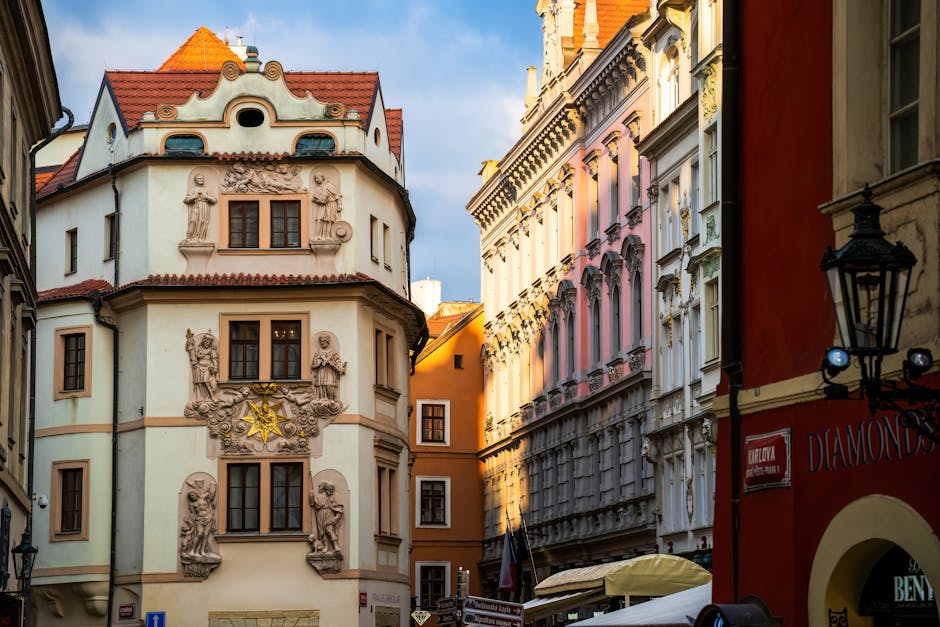
Discover Prague’s royal district and capture stunning panoramic vistas on this self-guided walking route through Hradčany and the Castle complex.
 Easy
EasyPrague, Czech Republic
Discover the history of Pilsner and Prague's legendary pub culture on this self-guided audio walk through historic breweries and hidden local haunts.
 Moderate
Gdansk, Poland
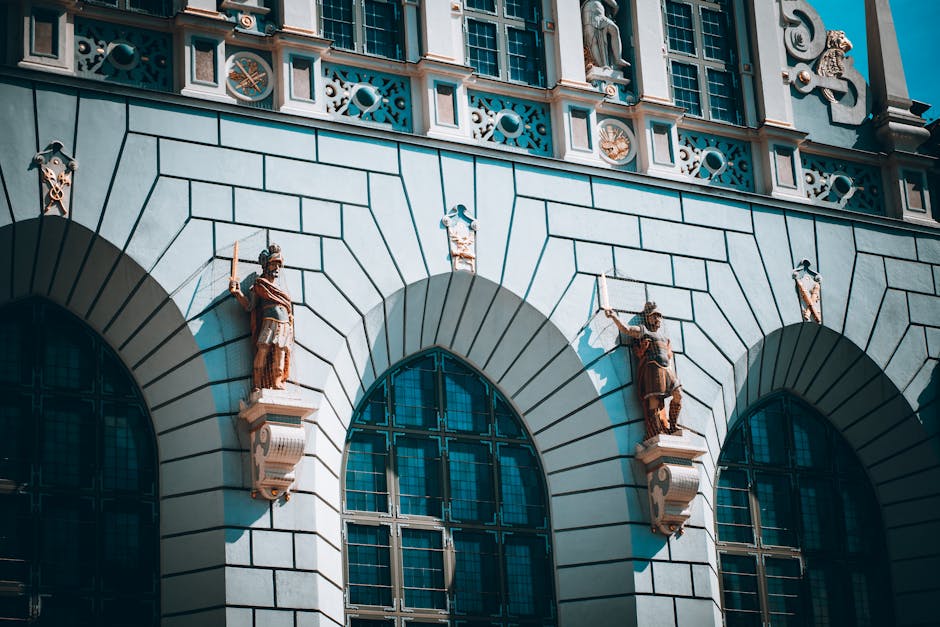
Discover Zaspa, a massive open-air gallery where grey housing blocks are transformed by over 60 monumental murals. Explore at your own pace.
 Moderate
Nairobi, Kenya
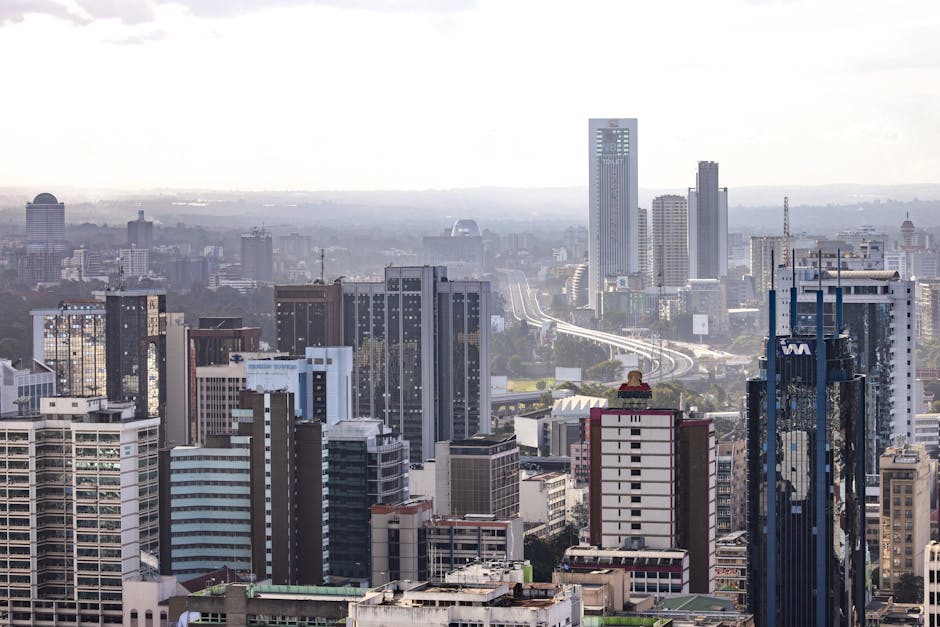
Discover Nairobi's lush side on this self-guided walk through botanical gardens, historic memorials, and vibrant local markets.
 Moderate
Krakow, Poland
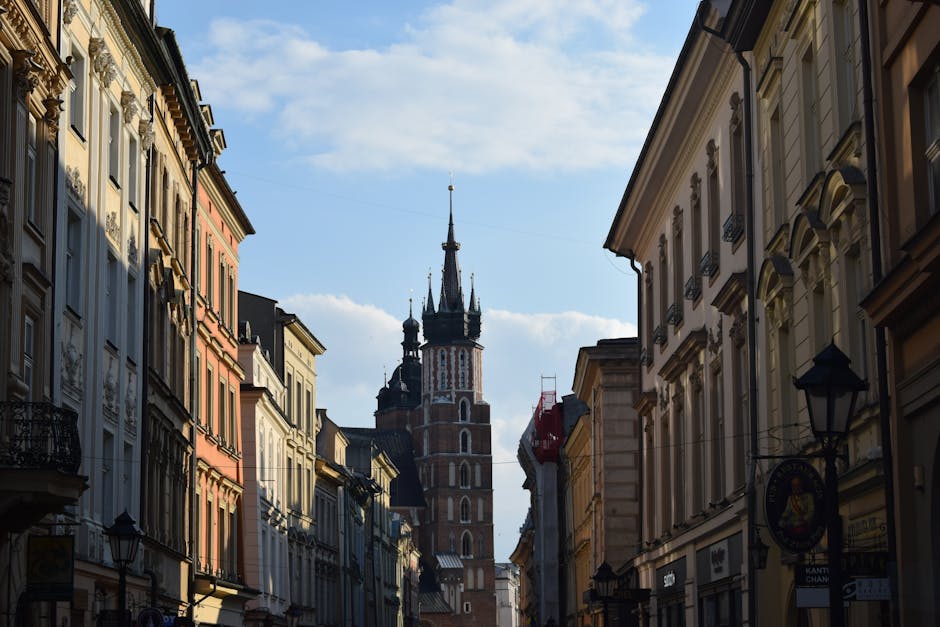
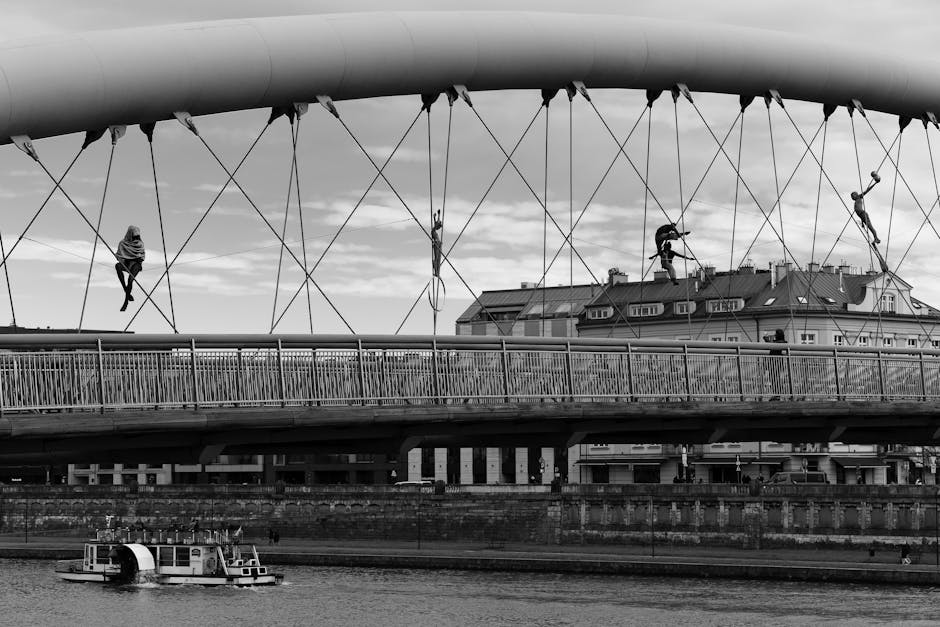
Discover Krakow’s stunning skyline and riverside charm on this self-guided audio walk through scenic viewpoints and historic mounds.
 Easy
EasyKrakow, Poland
Explore Krakow’s artistic evolution from Renaissance masterpieces to vibrant urban murals on this inspiring self-guided walk through the city.
 Easy
EasyCesky Krumlov, Czech Republic
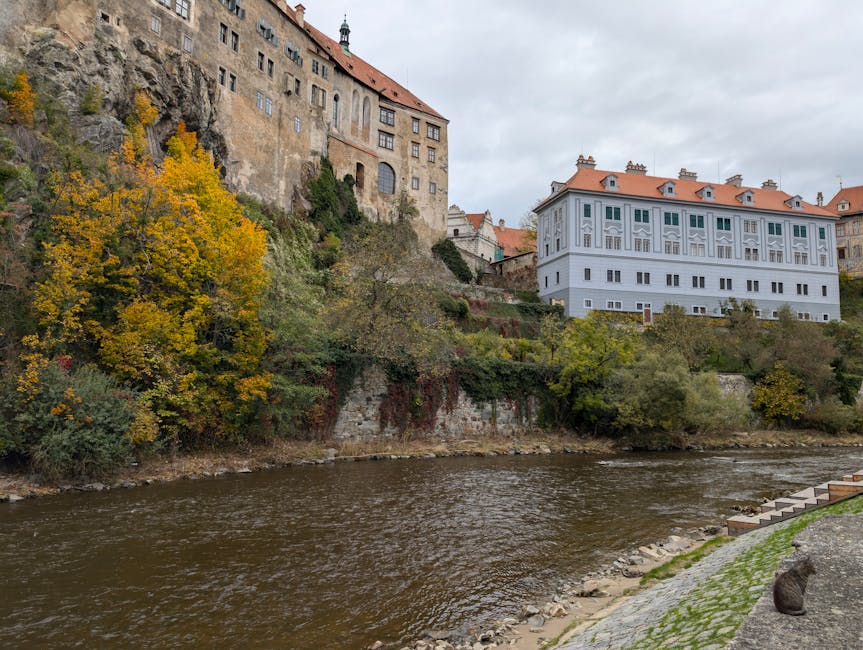
Discover the flavors of South Bohemia on this self-guided walk through the historic taverns, breweries, and riverside cafes of Cesky Krumlov.
 Moderate
Cesky Krumlov, Czech Republic
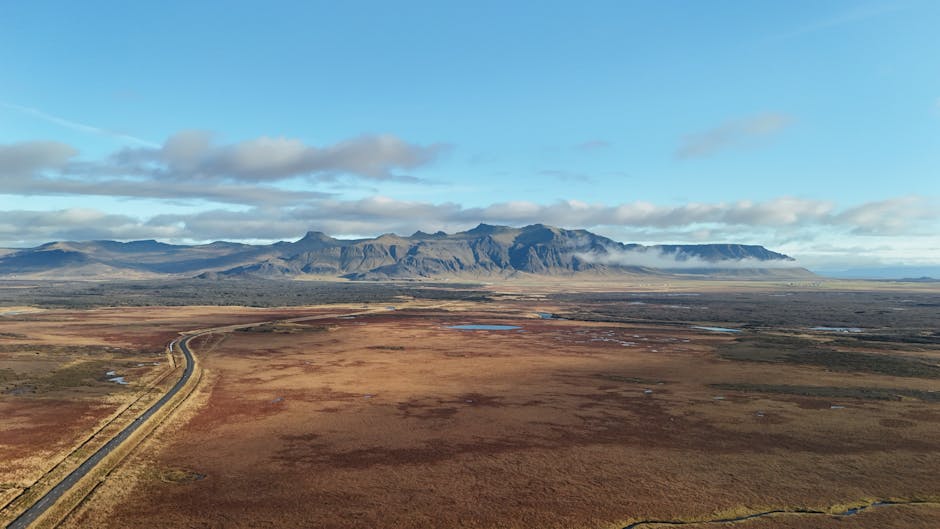
Escape the crowds and discover the artistic soul, historic villas, and hidden stories of Cesky Krumlov's most authentic neighborhood, Plešivec.
 Easy
EasyCesky Krumlov, Czech Republic
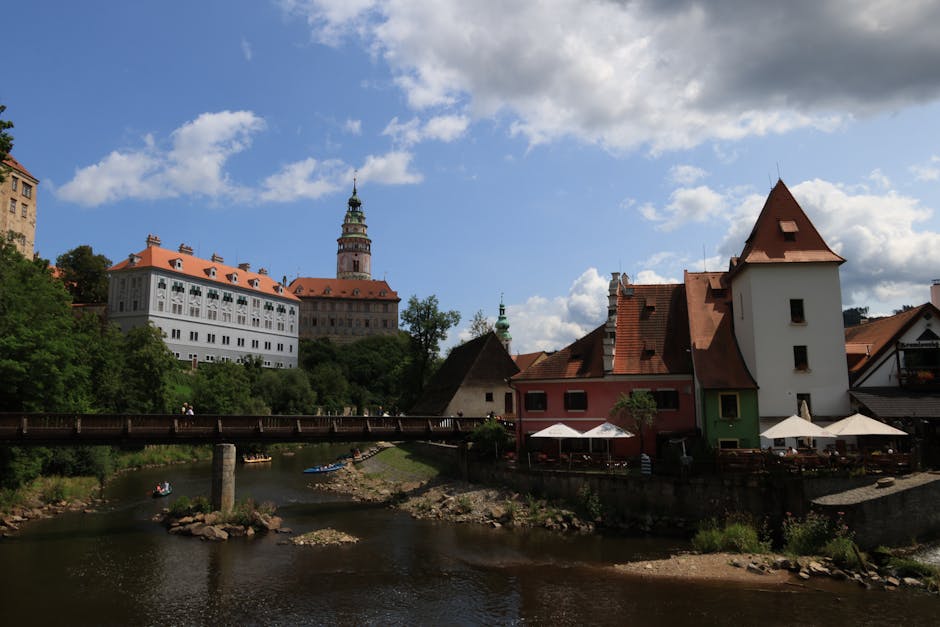
Discover the haunting legends and eerie history of Cesky Krumlov on this atmospheric self-guided audio walk through the moonlit Inner City.
 Easy
EasyCesky Krumlov, Czech Republic
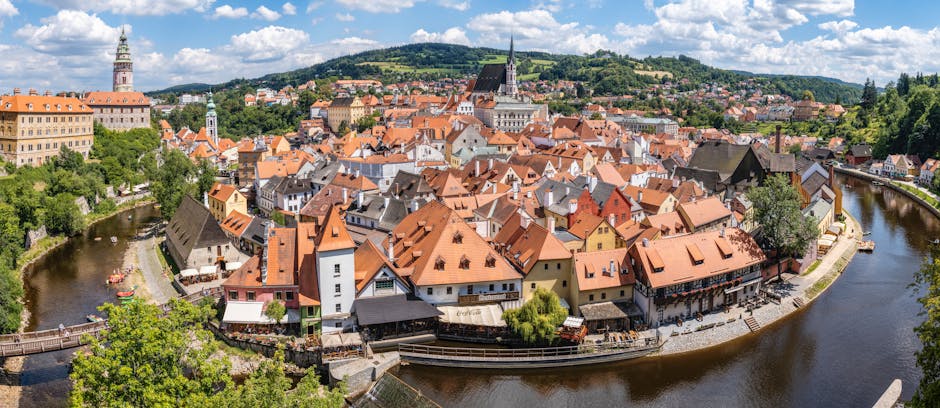
Explore the romantic Vltava riverbanks, hidden medieval alleys, and iconic bridges of Cesky Krumlov on this scenic self-guided photography walk.
