Step into a world where socialist-era industrialism meets the cutting edge of global contemporary art. This self-guided walk through Beijing’s Chaoyang District explores the evolution of the 798 Art Zone, a sprawling complex of former military electronics factories that has become the beating heart of China's modern creative scene. Originally built in the 1950s with East German design, the district is famous for its Bauhaus-style architecture, characterized by 'saw-tooth' roofs that once maximized natural light for factory workers and now illuminate world-class galleries. On this neighborhood stroll, you will witness the fascinating contrast between rusted machinery and sleek art installations. The route begins at the Beijing Minsheng Art Museum, a stunning example of industrial repurposing, before leading you into the core of 798. You will wander past iconic Maoist slogans still visible on the ceilings of renovated workshops and explore the UCCA Center for Contemporary Art, one of the most influential institutions in the city. As you move toward 751 D・PARK, the scale of the industrial heritage grows even more dramatic, featuring massive gas tanks and a labyrinth of overhead pipes that have been transformed into fashion and design hubs. This walking route Beijing offers is more than just a gallery hop; it is a journey through China's rapid urban transformation. Whether you are a photography enthusiast looking for the perfect industrial backdrop or an art lover seeking the latest trends in the Beijing scene, this self-guided adventure allows you to explore at your own pace. Discover hidden murals, browse boutique design shops, and experience the vibrant energy of a district that successfully reinvented itself for the 21st century. While this area is a popular walking tour Beijing destination, exploring independently gives you the freedom to linger in the galleries that speak to you most. **Note:** This area is known for its ever-changing character. Street art, pop-up venues, and temporary exhibitions may differ from what's described. That's part of the adventure - you might discover something entirely new!
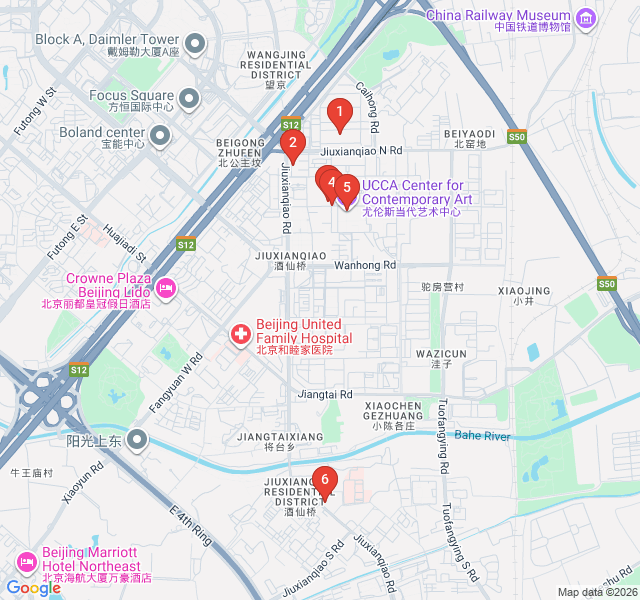
Numbers indicate the order of stops on the tour
Welcome to the start of your journey. The Beijing Minsheng Art Museum is a masterpiece of architectural transformation. Housed in a former factory building, its jagged, multi-colored metallic facade serves as a modern prelude to the industrial history you are about to explore. Inside, the cavernous spaces are designed to host large-scale contemporary installations that would be impossible in a traditional gallery. As you look around, notice how the architects preserved the skeletal structure of the industrial past while creating a sleek, minimalist environment for art. This museum often hosts rotating exhibitions that challenge traditional Chinese aesthetics, making it a perfect entry point into the neighborhood's creative spirit.
As you transition toward the main hub of the art district, you will find Gallery Beijing Space. This area represents the 'fringe' of the 798 zone, where the atmosphere is slightly quieter and more focused on individual artistic voices. The gallery itself is known for promoting both established and emerging Chinese artists, often focusing on photography and mixed media. Take a moment to appreciate the surrounding streetscape; you'll notice the neighborhood beginning to shift from functional urban space into a curated artistic environment. The exhibits here change frequently, so you may encounter anything from experimental video art to traditional ink paintings reimagined for the modern era.
You are now entering the heart of the 798 Art Zone. In the 1950s, this was 'Factory 798,' a joint project between China and East Germany. The Bauhaus influence is unmistakable in the functional, light-filled spaces. Look up as you enter some of the larger workshops; you can still see red Maoist slogans painted on the ceiling beams, preserved as a historical layer of the building's identity. In the late 1990s, artists began moving into these abandoned spaces because of the low rent and incredible natural light. Today, it is a global phenomenon. As you wander, keep an eye out for the many outdoor sculptures—some are permanent fixtures, while others may change as new installations arrive.
Walking down 798 Road, you are on the main artery of the district. This is where the industrial past and the trendy present collide most visibly. Massive steam pipes run overhead, painted in bright colors or left to rust, while below them, you'll find some of Beijing’s most stylish cafes and design boutiques. This area is a haven for street art and murals, though these are volatile and may be painted over or updated at any time. Take your time to explore the small alleys branching off this road; often, the most interesting independent studios and hidden courtyard cafes are tucked away just a few steps from the main path.
The UCCA Center for Contemporary Art is arguably the most important institution in the district. Founded in 2007, it was instrumental in bringing international attention to the Chinese contemporary art movement. The building itself is a renovated factory chamber, maintaining its grand scale. UCCA hosts major retrospectives of both Chinese and international giants, from Ai Weiwei to Andy Warhol. Because this is a premier venue, exhibitions here are highly curated and often require a separate entry fee. Even if you don't go inside, the surrounding plaza is a great place to people-watch and see the latest fashion trends among Beijing's creative youth.
Your walk concludes at 751 D・PARK, where the industrial scale reaches its peak. This area, once a gas plant, is dominated by the '79 Tank'—a massive, decommissioned gas storage container now used for high-end fashion shows and product launches. The landscape here is a forest of rusted steel, old locomotives, and towering chimneys. It feels like a steampunk film set. The transformation of these heavy industrial relics into a 'Fashion Design Plaza' highlights the district's second life. It is the perfect place to end your walk, offering some of the most dramatic photo opportunities in all of Beijing, especially as the sun begins to set and the industrial structures are cast in long shadows.
Download Zigway to experience "798 Factory to Gallery Transformation" with AI-powered audio narration. Walk at your own pace while stories unfold around you.
 Moderate
Beijing, China
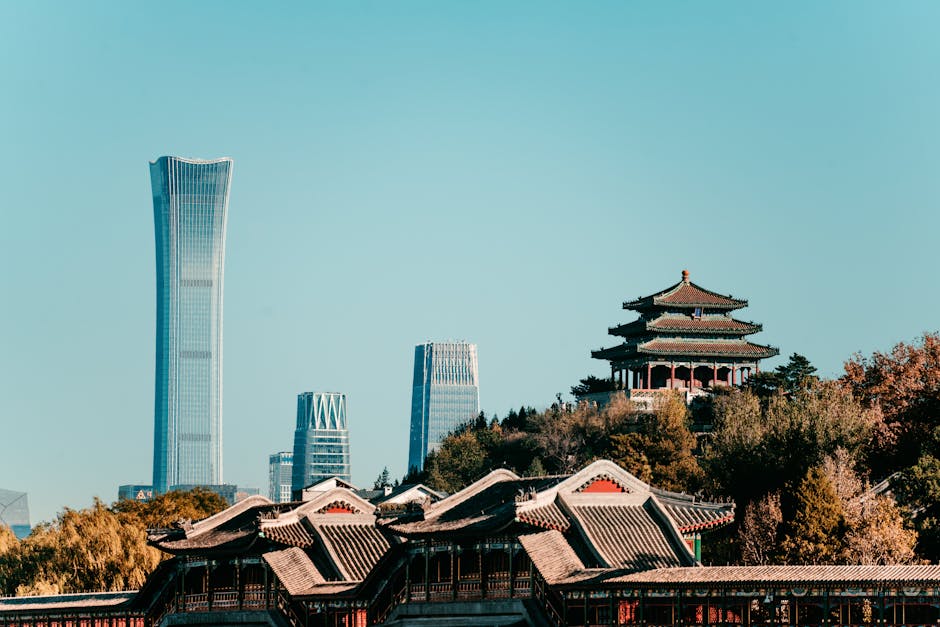
Explore the majestic red walls, imperial moats, and hilltop vistas of Beijing's Forbidden City on this self-guided architectural walking route.
 Moderate
Beijing, China
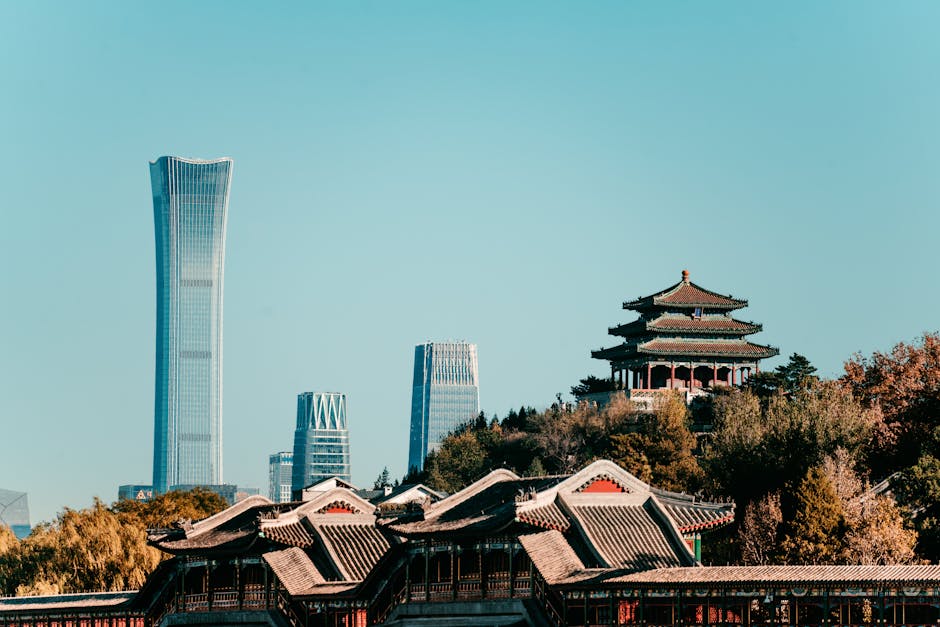
Explore the spiritual heart of Beijing on this self-guided walk through the Temple of Heaven's iconic altars, ancient pines, and vibrant park life.
 Easy
EasyBeijing, China
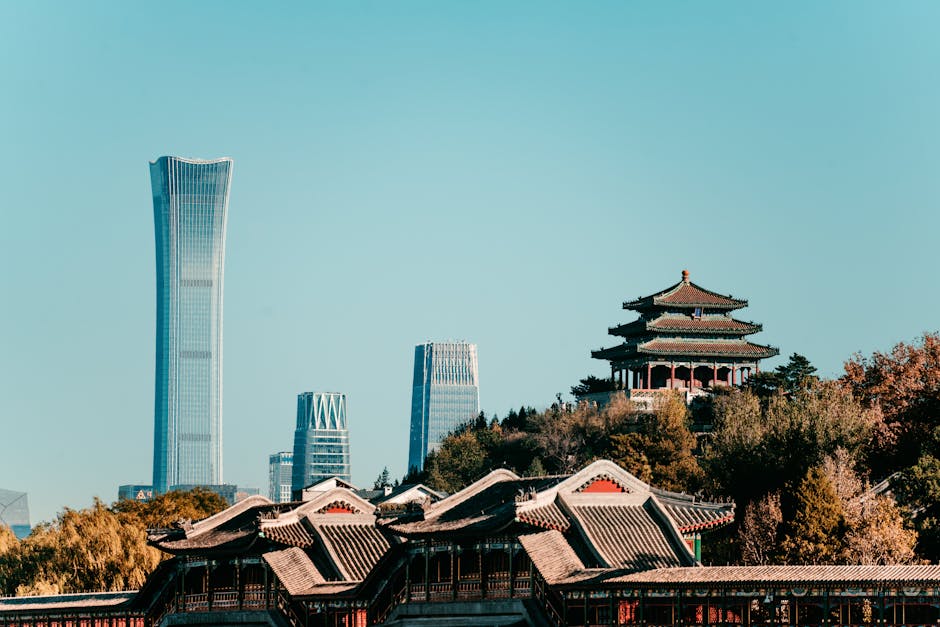
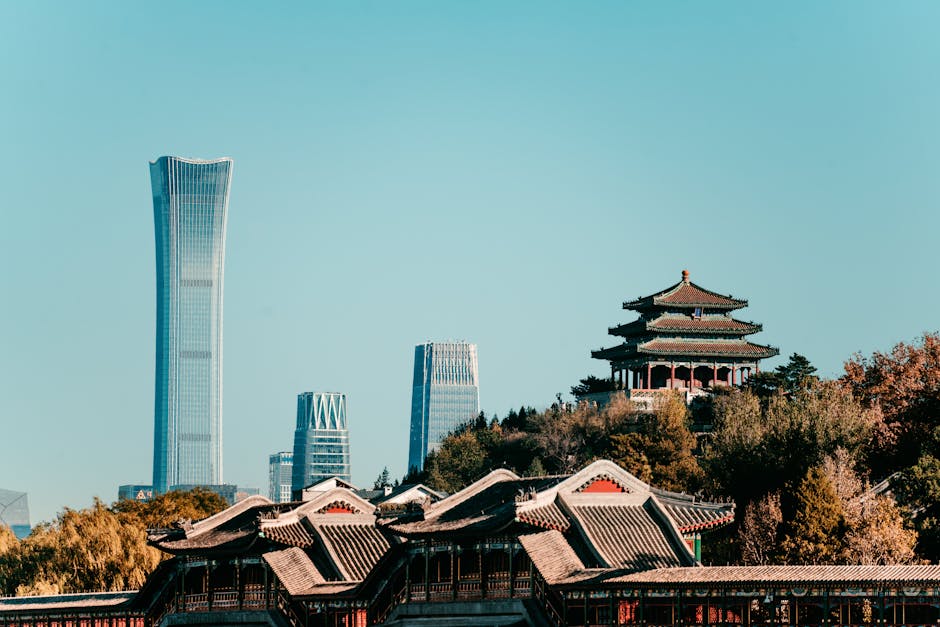
A culinary and cultural self-guided walk through Beijing's historic Dongsi neighborhood, featuring ancient mosques, hutongs, and iconic local eats.
 Easy
EasyBeijing, China
Discover the perfect blend of ancient imperial history and modern hipster culture on this self-guided stroll through Beijing's trendiest hutongs.
 Moderate
Nairobi, Kenya
Discover the pulse of Nairobi's contemporary art scene on this self-guided walk through the galleries and creative spaces of Kilimani.
 Easy
EasyKrakow, Poland
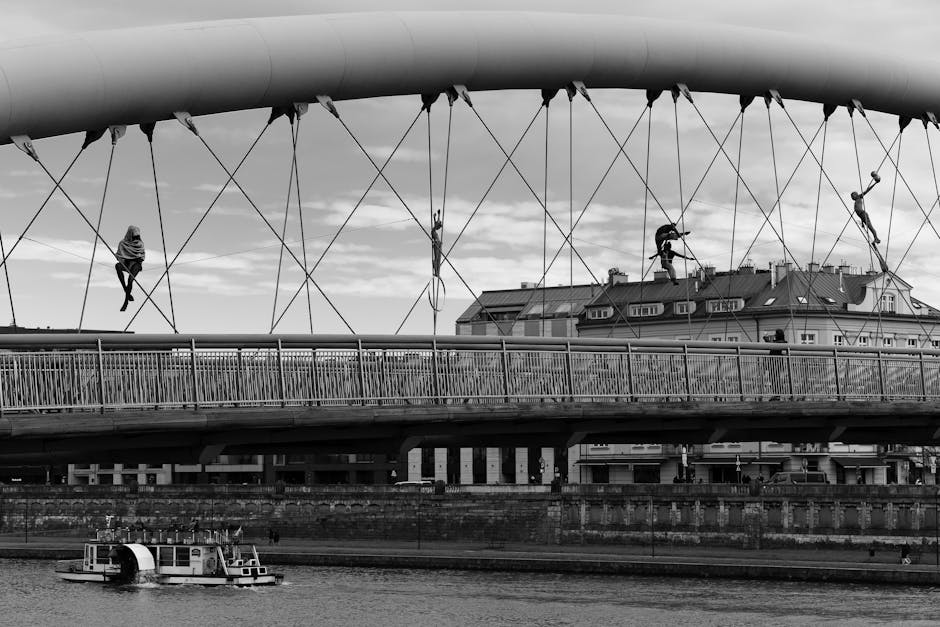
Discover Krakow’s creative soul in Zabłocie, exploring industrial heritage, contemporary art museums, and avant-garde architecture at your own pace.
 Easy
EasyGdansk, Poland
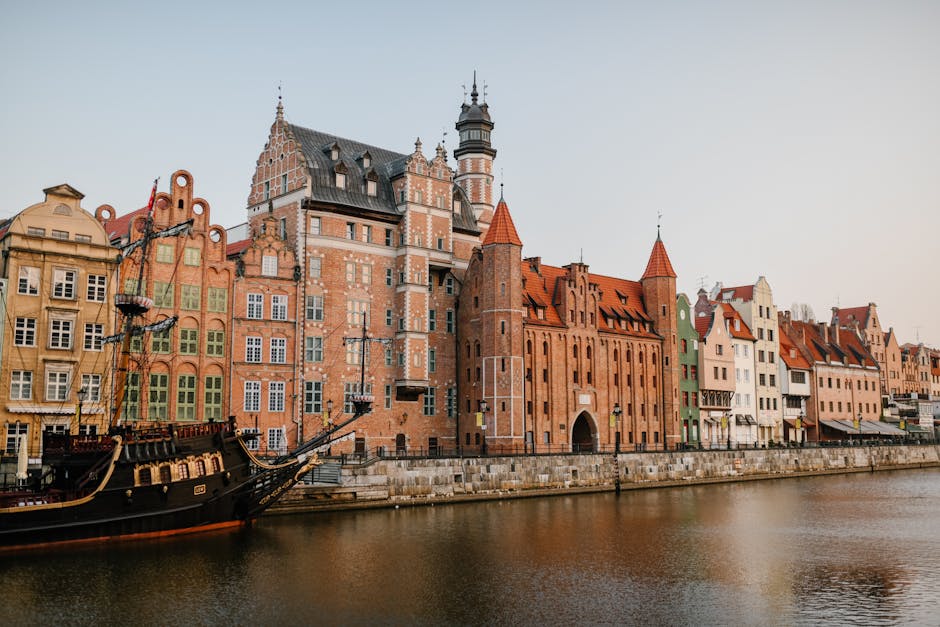
Discover the 'Baltic Gold' on this self-guided walk through Gdansk's historic mills, massive cathedrals, and the magical Mariacka Street.
 Easy
EasyWarsaw, Poland
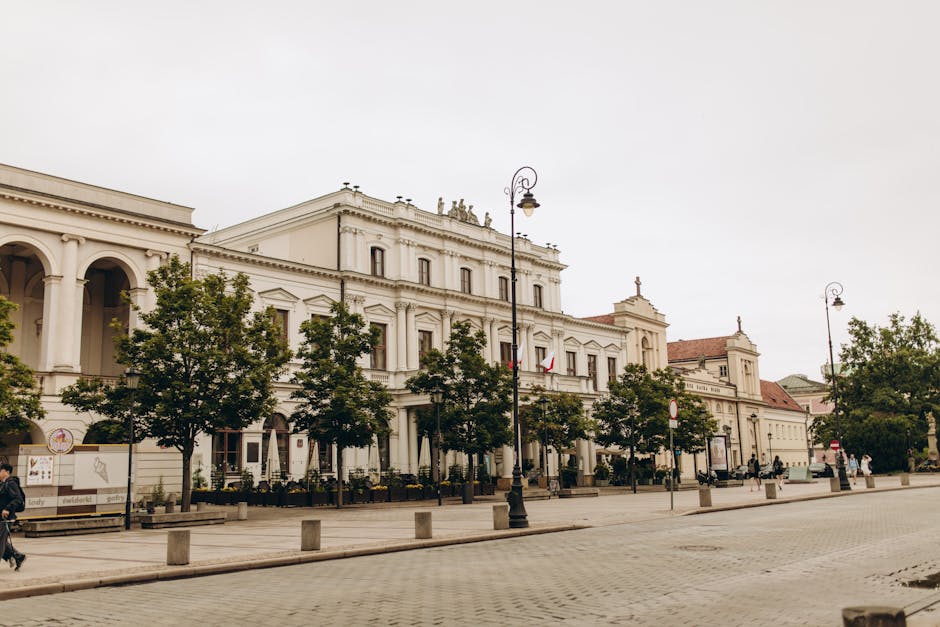
Explore Warsaw's scenic riverfront, rooftop gardens, and industrial-chic architecture on this self-guided stroll through the Powiśle district.
 Moderate
Shanghai, China
Discover the 'Golden Mile' on this self-guided walking route through Shanghai's historic department stores and Art Deco landmarks.
 Easy
EasyShanghai, China
Explore Art Deco architecture, leafy boulevards, and hidden villas on this self-guided walk through the French Concession.
 Easy
EasyShanghai, China
Explore the intellectual heart of 1930s Shanghai on this self-guided stroll through Hongkou's historic literary landmarks and hidden alleys.
 Easy
EasyShanghai, China
Discover the 'Wall Street of the Orient' on this self-guided walk through Shanghai's legendary waterfront and its Art Deco architectural treasures.
