Step into the heart of the Middle Kingdom with this self-guided walking route through Beijing's imperial core. This neighborhood stroll focuses on the architectural grandeur and historical depth of the Ming and Qing dynasties, centered around the world’s largest palace complex. Unlike a traditional guided tour Beijing offers to those in large groups, this independent walking route allows you to linger under the ancient cypress trees and capture the perfect reflection of the watchtowers in the imperial moat at your own pace. The journey begins at the Imperial Ancestral Temple, a site of profound spiritual significance where emperors once honored their predecessors. From there, you will trace the towering red walls of the Forbidden City, exploring the massive Meridian Gate and the serene waters that have protected the palace for six centuries. As you wander along Beichizi Avenue, you’ll witness the intersection of imperial history and modern local life, where red-walled corridors meet quiet residential pockets. The highlight for many on this walking tour Beijing exploration is the ascent of Jingshan Park. This man-made hill offers the most iconic panoramic view in the city, revealing the golden rooftops of the Forbidden City stretching toward the horizon. The walk concludes in the peaceful gardens of Zhongshan Park, providing a quiet space to reflect on the architectural mastery of the Central Axis. Whether you are a photography enthusiast looking for the best light on the vermilion walls or a history buff eager to decode the symbolism of imperial motifs, this audio walk provides the context you need to appreciate Beijing's royal heritage without the rush of a scheduled group.
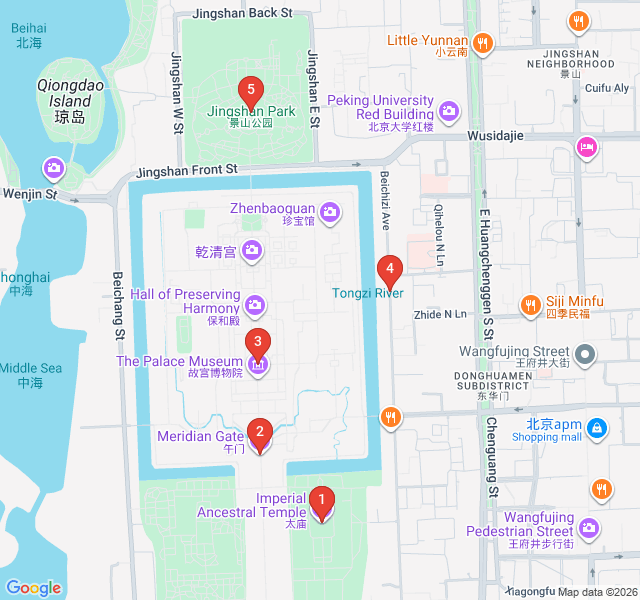
Numbers indicate the order of stops on the tour
Welcome to the Taimiao, or the Imperial Ancestral Temple. Built in 1420 during the Ming Dynasty, this was the most sacred site in imperial Beijing, even outranking the Forbidden City in spiritual importance. Here, emperors performed elaborate rituals to honor their ancestors, seeking their blessing for the empire's prosperity. Notice the architecture; the main hall sits on a three-tiered marble base, a feature usually reserved for the highest-ranking buildings. The massive columns are made of Phoebe zhennan wood, a rare timber hauled from the jungles of southwestern China. Today, the surrounding park offers a peaceful atmosphere where ancient cypress trees, some over 600 years old, stand as silent witnesses to the rise and fall of dynasties.
Standing before the Meridian Gate, or Wu Men, you are looking at the primary entrance to the Forbidden City. Its unique U-shape design, topped by five pavilions known as the 'Five Phoenix Towers,' was intended to inspire awe and project absolute power. This gate was the site of important imperial ceremonies, such as the proclamation of the lunar calendar and the inspection of victorious armies. While legends often suggest this was a place of execution, it was actually where officials were sometimes subjected to 'court beating' for displeasing the emperor. The central arch was reserved exclusively for the Emperor, with the sole exception of the Empress on her wedding day and the top three scholars of the imperial examinations.
The Forbidden City is encircled by a moat 52 meters wide and 6 meters deep. Beyond being a defensive barrier, the moat creates a stunning visual frame for the palace. If you look toward the corners of the walls, you will see the Watchtowers, or Corner Towers. These are architectural masterpieces featuring 9 beams, 18 pillars, and 72 ridges—numbers chosen for their auspicious and structural significance. The reflection of these towers in the still water of the moat is one of the most photographed scenes in China. This perimeter walk allows you to appreciate the scale of the palace complex, which contains over 900 buildings, without needing to navigate the interior crowds.
As you walk along Beichizi Avenue, you are traversing the line between the imperial and the everyday. To your west are the high red walls of the palace; to your east are the traditional hutong neighborhoods where Beijingers have lived for centuries. This street was once part of the Imperial City, an area surrounding the Forbidden City that housed court officials and warehouses. Look for the small doorways leading into courtyards and notice the contrast between the grand imperial scale and the intimate human scale of the residential architecture. It is a perfect spot to observe the rhythm of modern Beijing against a backdrop of ancient history.
Jingshan Park, or 'Prospect Hill,' is an artificial mound created entirely from the soil excavated to build the Forbidden City's moat. In accordance with Feng Shui principles, a palace should be built with a mountain to the north to block evil spirits and cold winds. Climb the steps to the Wanchun Pavilion at the summit. From here, you are standing on the highest point of Beijing’s historic Central Axis. The view is unparalleled: to the south, the golden-tiled roofs of the Forbidden City stretch out in perfect symmetry; to the north, you can see the Drum and Bell Towers. It is the best place to visualize the grand design of the city.
Our walk concludes at Zhongshan Park, formerly the Altar of Land and Grain. While the Imperial Ancestral Temple was for the emperor’s family, this site was dedicated to the gods of the earth and harvest. The centerpiece is the Altar of Five-Colored Soil, featuring earth from different regions of China—yellow, red, white, black, and blue—symbolizing that all land under heaven belonged to the emperor. In 1914, it became Beijing's first public park and was later renamed in honor of Dr. Sun Yat-sen (Sun Zhongshan), the father of modern China. It remains a favorite local spot for tulip displays in spring and quiet contemplation year-round.
Download Zigway to experience "Red Walls and Imperial Moats" with AI-powered audio narration. Walk at your own pace while stories unfold around you.
 Easy
EasyBeijing, China
Explore Beijing's premier art district on this self-guided walk through the industrial-chic 798 Art Zone and the massive tanks of 751 D・PARK.
 Moderate
Beijing, China
Explore the spiritual heart of Beijing on this self-guided walk through the Temple of Heaven's iconic altars, ancient pines, and vibrant park life.
 Easy
EasyBeijing, China
A culinary and cultural self-guided walk through Beijing's historic Dongsi neighborhood, featuring ancient mosques, hutongs, and iconic local eats.
 Easy
EasyBeijing, China
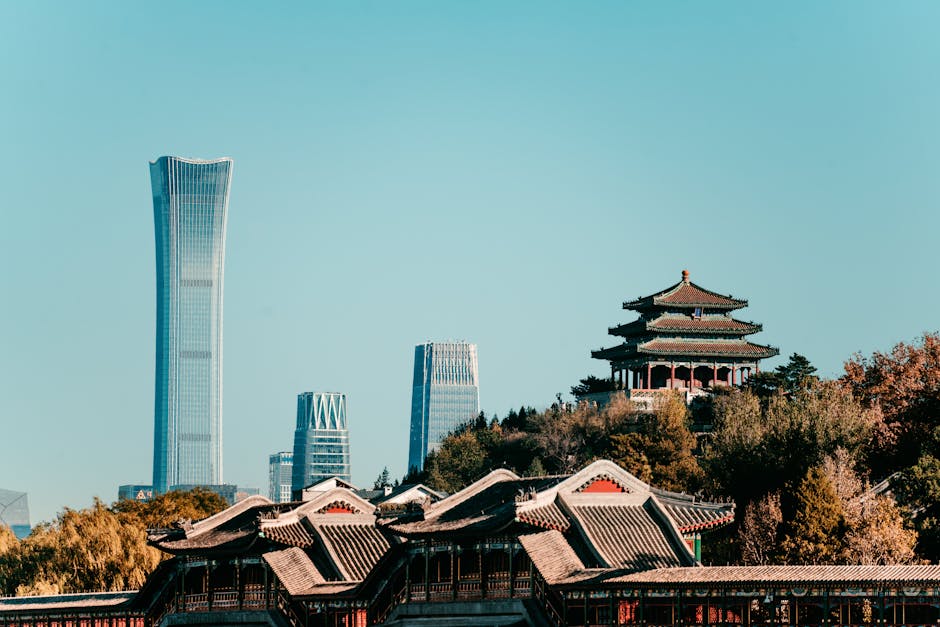
Discover the perfect blend of ancient imperial history and modern hipster culture on this self-guided stroll through Beijing's trendiest hutongs.
 Moderate
Gothenburg, Sweden
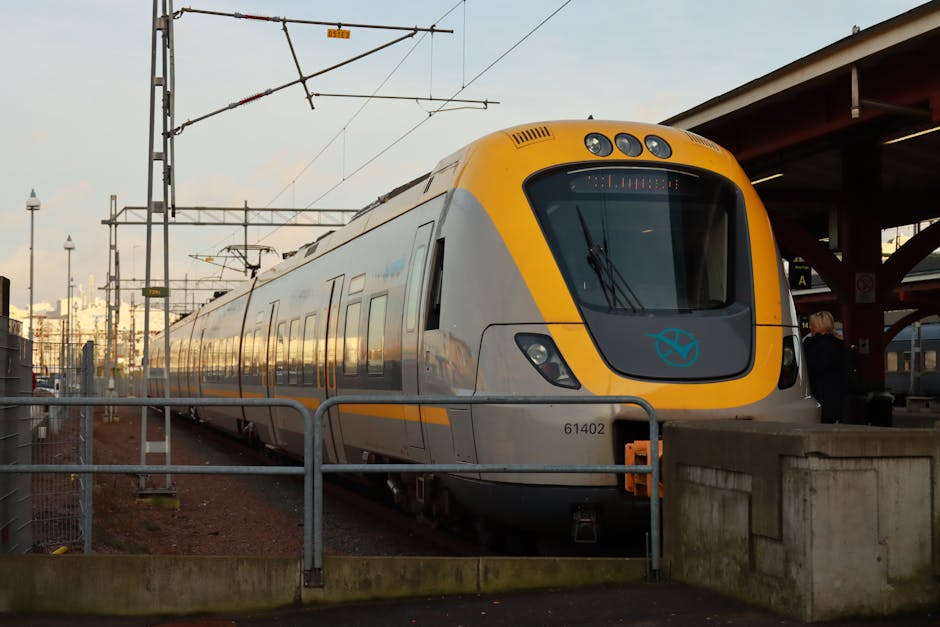
Discover Gothenburg’s maritime soul on this self-guided walk from the historic Central Station to the scenic riverfront at Stenpiren.
 Easy
EasyNairobi, Kenya
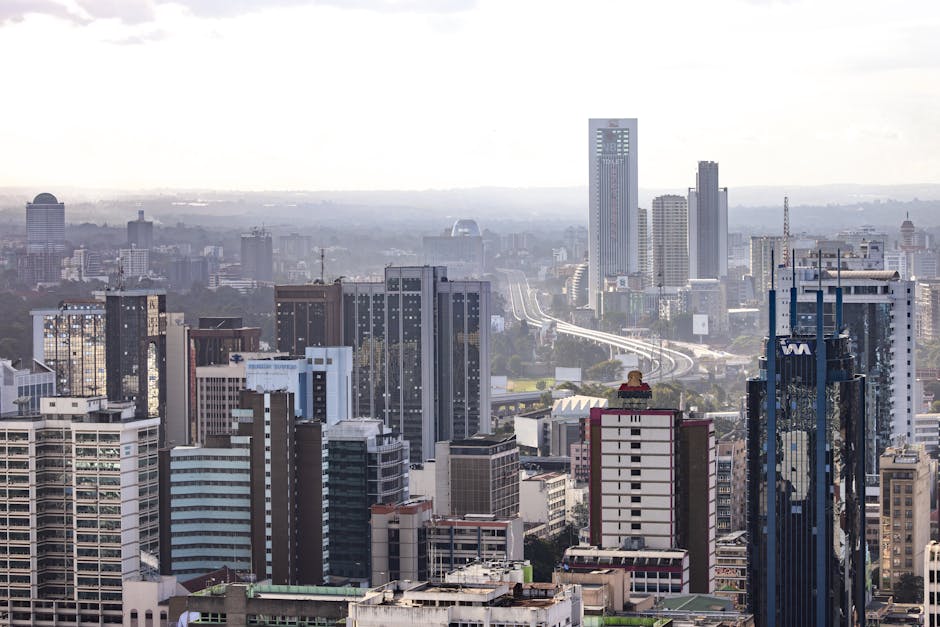
Discover Nairobi's iconic skyline on this self-guided architecture walk through the CBD’s most famous modernist and Brutalist landmarks.
 Moderate
Vienna, Austria
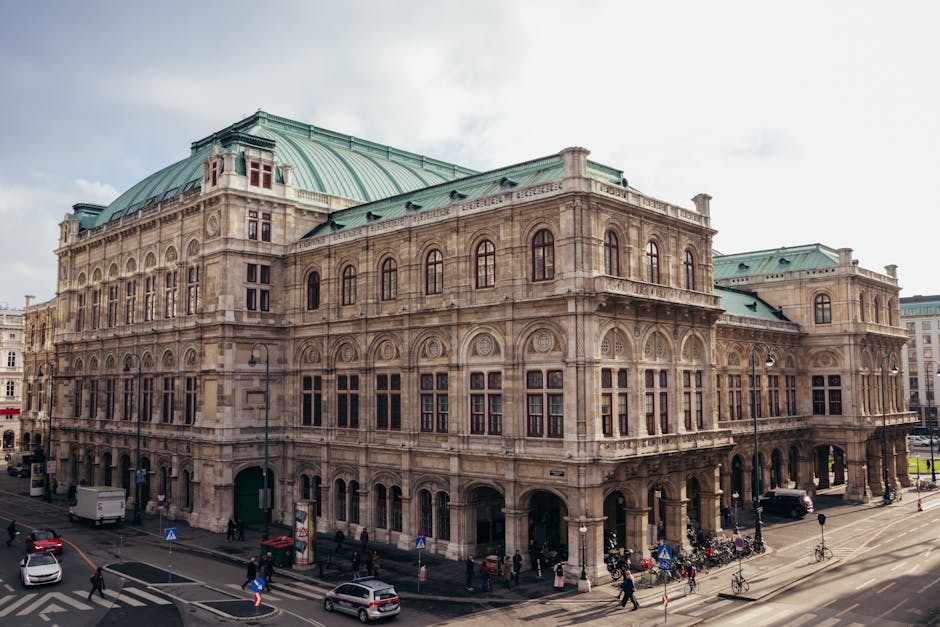
Follow the footsteps of Mozart and Strauss through Vienna’s historic center on this self-guided walk through the city's rich musical history.
 Easy
EasyGdansk, Poland
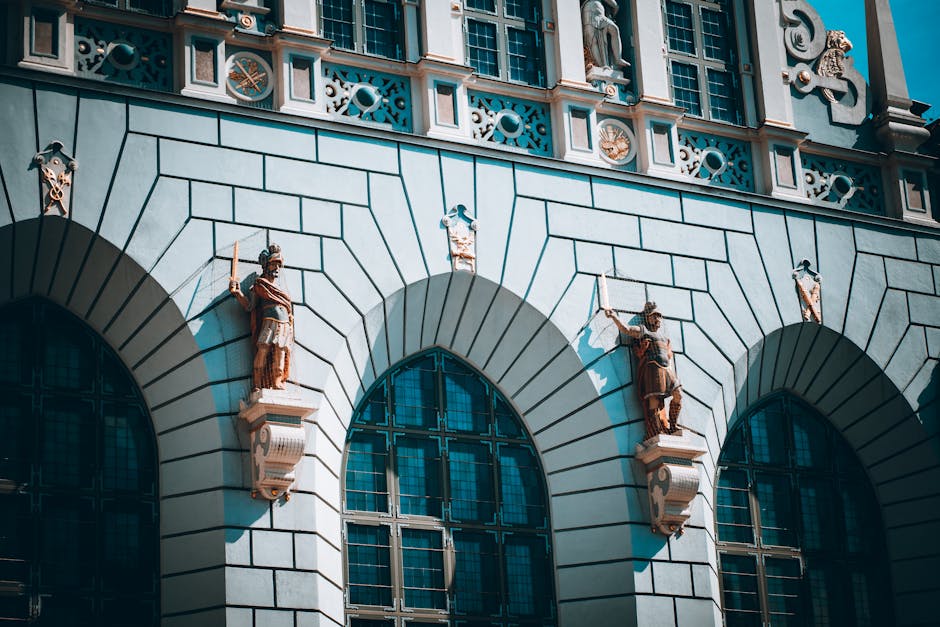
Discover the opulent Royal Way of Gdansk at your own pace. Explore Hanseatic history, gilded architecture, and the iconic Neptune's Fountain.
 Moderate
Shanghai, China
Discover the 'Golden Mile' on this self-guided walking route through Shanghai's historic department stores and Art Deco landmarks.
 Easy
EasyShanghai, China
Explore Art Deco architecture, leafy boulevards, and hidden villas on this self-guided walk through the French Concession.
 Easy
EasyShanghai, China
Explore the intellectual heart of 1930s Shanghai on this self-guided stroll through Hongkou's historic literary landmarks and hidden alleys.
 Easy
EasyShanghai, China
Discover the 'Wall Street of the Orient' on this self-guided walk through Shanghai's legendary waterfront and its Art Deco architectural treasures.
