Beyond the grand boulevards and famous thermal baths of Budapest lies a secret world tucked behind heavy wooden doors and ornate iron gates. This self-guided walk through the heart of District V reveals the 'hidden gems' of the Hungarian capital, focusing on the intimate spaces that tourists often pass by. As you move through the historic core of Pest, you will discover that the city's true character is etched into its internal courtyards, where quiet residential life meets stunning architectural ambition. This neighborhood stroll is designed for those who appreciate the finer details: the glint of a Zsolnay tile, the symmetry of a hanging corridor, and the hush of a garden hidden by palace walls. The route begins in the administrative heart of the city before leading you into the opulent Párisi Udvar, a shopping arcade that feels like a cathedral of glass and light. From there, you will explore the creative rebirth of the Paloma Artspace, a 19th-century courtyard now serving as a hub for local designers. The journey continues through the romantic Unger's House, an architectural masterpiece by Miklós Ybl that features a unique wooden-paved passage. This walking route Budapest offers is not just about the buildings; it is about the stories of the people who lived and worked within these walls, from aristocrats to local artisans. Architecture enthusiasts will find a blend of Neo-Gothic, Moorish, and Art Nouveau styles, while photography lovers will find endless inspiration in the play of light within these semi-private spaces. By choosing a self-guided experience, you can linger as long as you like in the peaceful Károlyi Garden or spend extra time browsing the workshops at Paloma. This walking tour Budapest experience is perfect for those who want to escape the crowds and see the city through a local lens, discovering the layers of history that make Pest one of Europe's most intriguing urban landscapes.
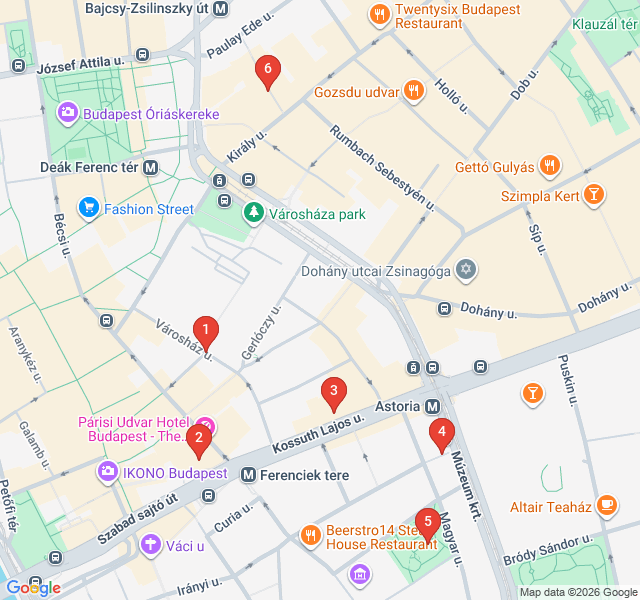
Numbers indicate the order of stops on the tour
Start exploring at Városház utca, the administrative spine of District V. This street is dominated by the massive Central City Hall, an imposing Baroque complex that was originally built as a hospital for disabled veterans in the 18th century. As you walk, notice the contrast between the grand, official facades and the smaller storefronts. This area serves as a gateway to the more intimate spaces of the city. The street itself is named after the City Hall, and its architecture reflects the transition of Budapest from a series of separate towns into a unified, modern metropolis during the late 19th century.
Step into the Párisi Udvar, one of Budapest's most breathtaking architectural treasures. Originally built as the Brudern House, it was transformed in the early 20th century into a luxury shopping arcade. Look up to see the incredible glass-domed ceiling and the intricate mix of Moorish, Gothic, and Art Nouveau elements. The walls are adorned with thousands of Zsolnay ceramic tiles, a hallmark of Hungarian craftsmanship. This passage was designed to evoke the spirit of a Parisian arcade, but with a uniquely Central European opulence. It remains one of the most photographed interiors in the city and serves as a testament to the wealth of Budapest's Golden Age.
Enter the Wagner House, a 19th-century residential building that now houses the Paloma Artspace. This hidden courtyard is a perfect example of how Budapest breathes new life into its historic fabric. The hanging corridors and wrought-iron railings provide a stunning backdrop for a community of local fashion designers, jewelers, and artists. Unlike the grand boulevards outside, this space feels intimate and creative. It’s a wonderful place to see how the city's internal courtyards functioned as social hubs for the residents while offering a glimpse into the modern Hungarian craft scene in a historic setting.
Unger's House is a true secret passage connecting Múzeum körút with Magyar utca. Designed by Miklós Ybl, the same architect responsible for the Hungarian State Opera House, this residential building features a unique passage paved with wooden blocks—a rare survival from a time when wood was used to dampen the sound of horse carriages. The courtyard blends Romantic and Neo-Byzantine styles, with delicate arches and a sense of quiet elegance. It is a favorite among locals for its atmospheric charm and the way it offers a shortcut through history, away from the noise of the main ring road.
Reach the Károlyi Garden, a peaceful oasis that was once the private grounds of the Károlyi Palace. This is the oldest garden in Budapest, maintained in a classic French style with geometric flower beds and winding paths. It is surrounded by historic buildings that shield it from the city's traffic, creating a micro-climate of calm. Throughout the year, you'll find locals reading on benches or families enjoying the playground. The garden represents the aristocratic history of the neighborhood, where grand palaces once stood side-by-side, each hiding its own private green escape behind high walls.
The final stop is the Central Passage, a modern revitalization of a historic thoroughfare. This passage connects the bustling Király utca with the quieter streets of the city center. It serves as a bridge between the historic Jewish Quarter and the administrative district. Today, it is a vibrant space filled with cafes and pop-up events, illustrating the ongoing evolution of Budapest's passages. As you finish your walk, notice how these corridors continue to act as the city's veins, allowing pedestrians to navigate the dense urban grid while discovering new layers of local life and commerce.
Download Zigway to experience "Hidden Courtyards and Secret Passages" with AI-powered audio narration. Walk at your own pace while stories unfold around you.
 Easy
EasyBudapest, Hungary
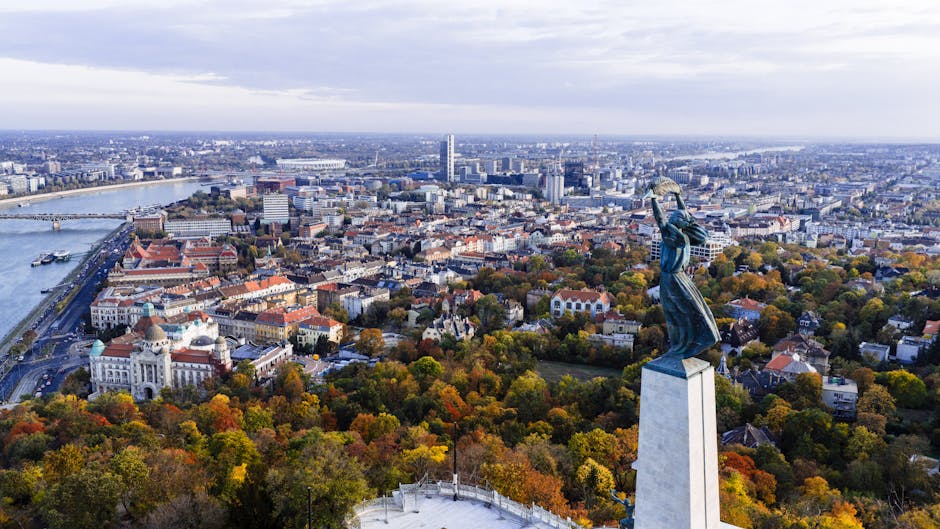
Experience the magic of Budapest at sunset on this self-guided walk along the Danube, featuring iconic bridges, historic halls, and hidden gems.
 Easy
EasyBudapest, Hungary
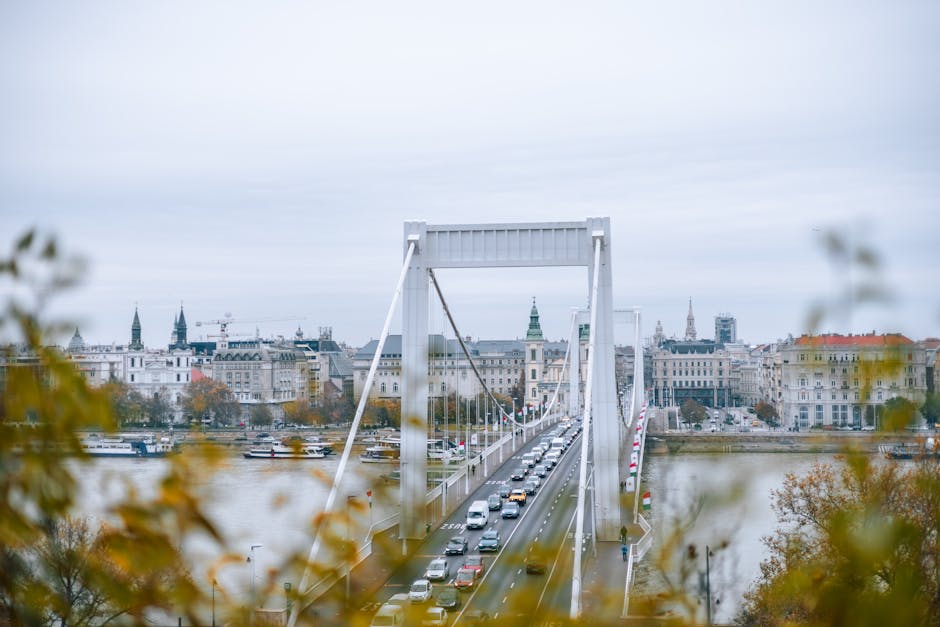
Discover the hidden 'Magnates' Quarter' of Budapest. A self-guided walk through aristocratic history and stunning 19th-century architecture.
 Easy
EasyBudapest, Hungary
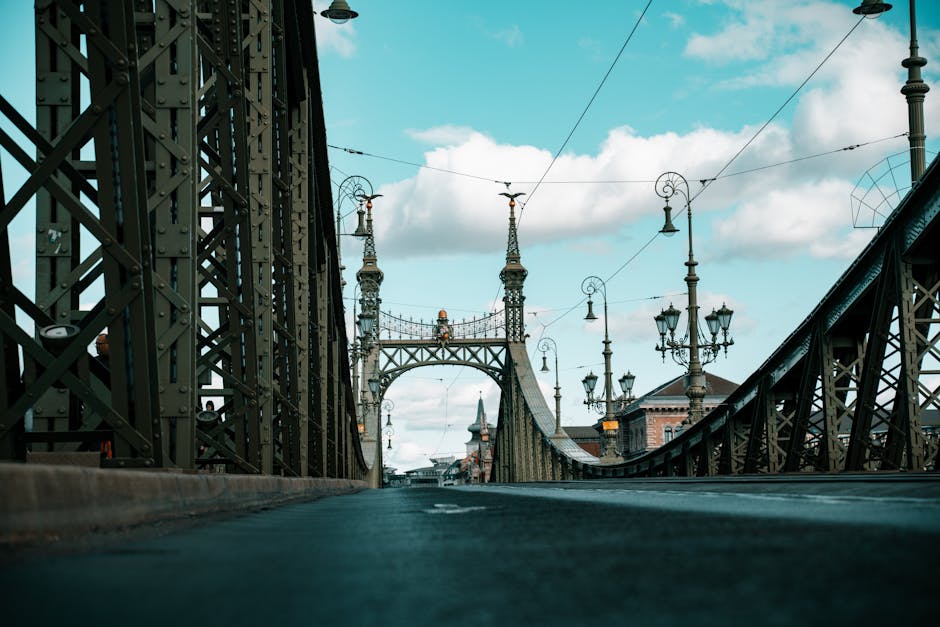
Discover the vibrant street art and legendary ruin bars of District VII on this self-guided walk through Budapest’s most eclectic neighborhood.
 Moderate
Budapest, Hungary
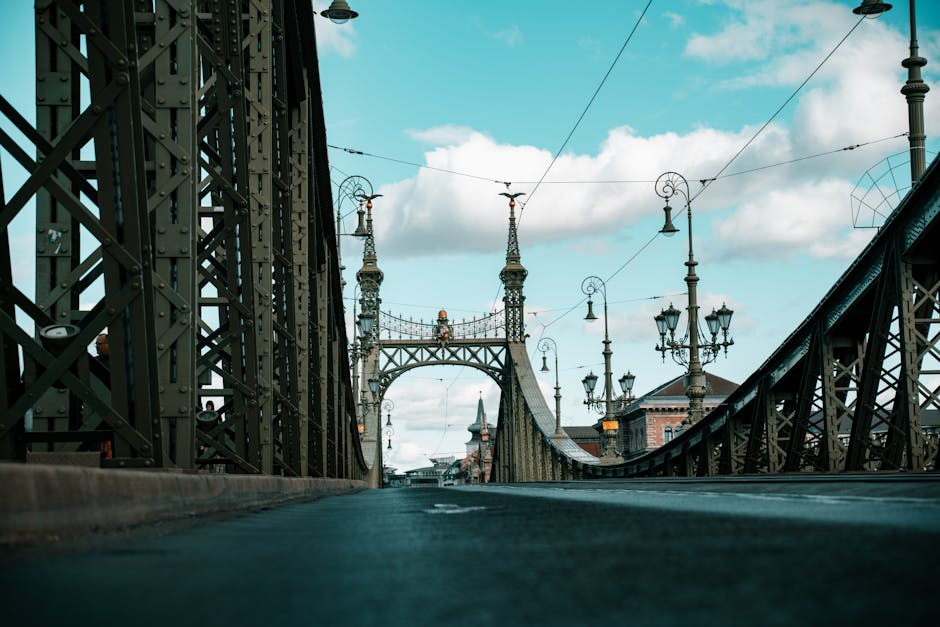
Explore the historic heart of Budapest with this self-guided walk through the Royal Buda Castle district, featuring panoramic views and medieval lore.
 Easy
EasyGdansk, Poland
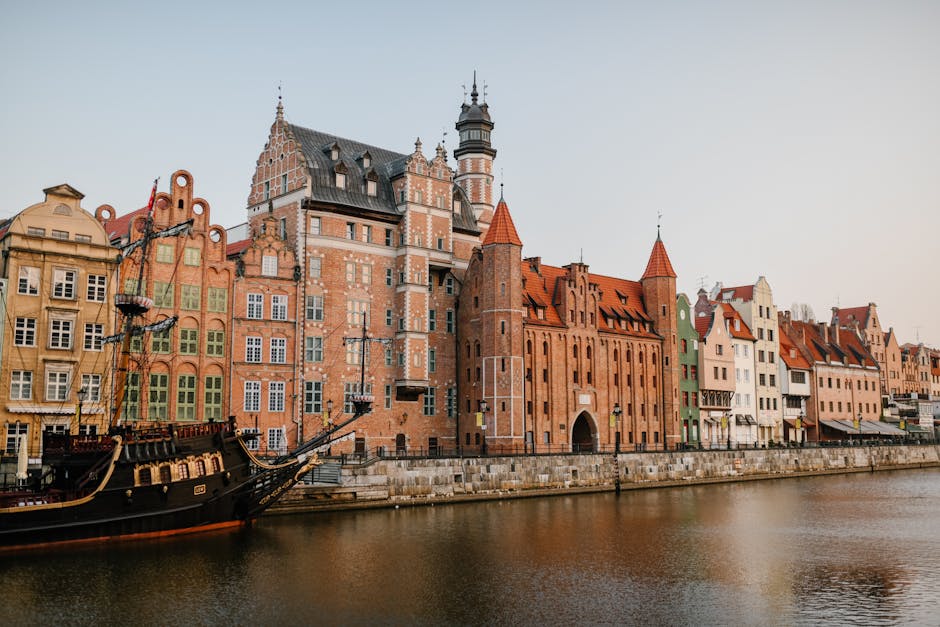
Discover the 'Baltic Gold' on this self-guided walk through Gdansk's historic mills, massive cathedrals, and the magical Mariacka Street.
 Easy
EasyWarsaw, Poland
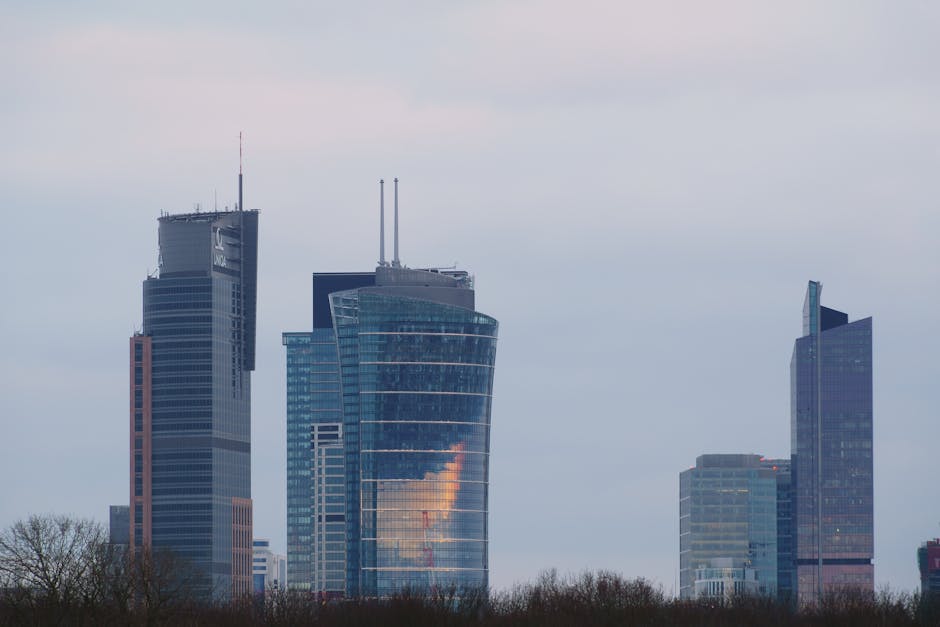
Discover the hidden courtyards and grand pre-war architecture of Warsaw's most atmospheric neighborhood on this self-guided stroll.
 Easy
EasyWarsaw, Poland
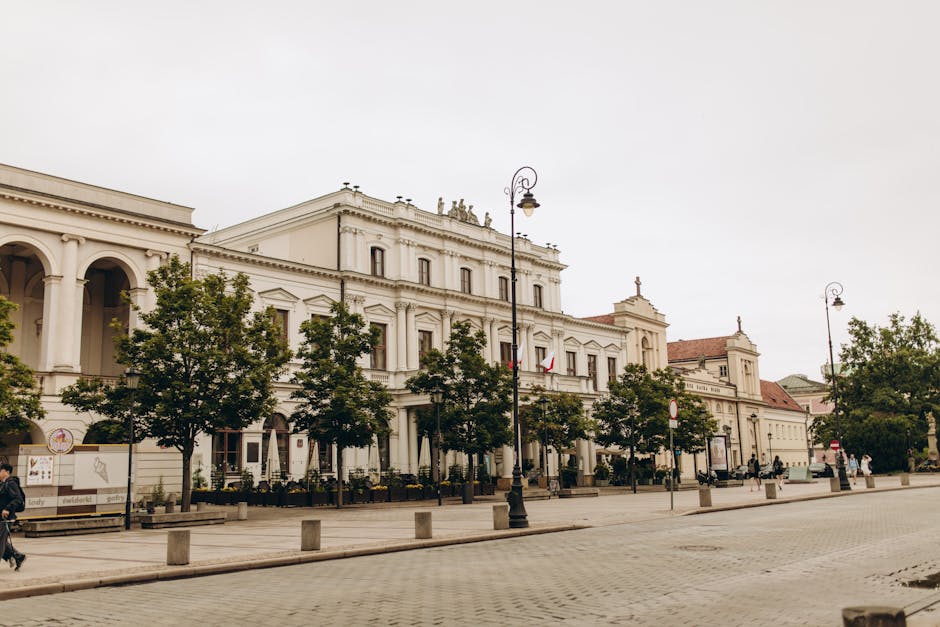
Explore Warsaw's scenic riverfront, rooftop gardens, and industrial-chic architecture on this self-guided stroll through the Powiśle district.
 Easy
EasyWarsaw, Poland
Discover Warsaw's intellectual heart through historic campuses, peaceful parks, and the stunning rooftop gardens of the University Library.
