As the sun begins its descent behind the Buda Hills, the Danube Promenade transforms into a golden stage, showcasing the architectural splendor of the 'Pearl of the Danube.' This self-guided walk invites you to experience the transition from daylight to the sparkling illumination of the city's most iconic landmarks. Starting at the majestic Széchenyi Chain Bridge, you will traverse the historic Pest embankment, a UNESCO World Heritage site that offers unparalleled views of the Buda Castle and Matthias Church across the water. This neighborhood stroll is more than just a scenic path; it is a journey through the evolution of Budapest, from its Roman roots to its 19th-century golden age. Along this walking route, you will encounter the whimsical Little Princess Statue, a favorite for local photography, and the grand Vigadó Concert Hall, which has served as the cultural heartbeat of the city for generations. The route also explores the layers of history at the Inner-City Mother Church, where Roman ruins meet Ottoman influences. While many visitors stick solely to the riverbank, this route eventually leads you toward the vibrant urban space of Eiffel Square, revealing the industrial-era elegance that defines the area around Nyugati Station. Whether you are a photography enthusiast looking for the perfect golden hour shot or a history buff eager to uncover the stories of the bridges that unite the city, this walking tour Budapest provides the flexibility to explore independently. You can pause for a coffee at a riverside café or simply sit on the stone railings to watch the river traffic. Unlike a traditional guided tour Budapest, this audio-enhanced experience allows you to set your own pace, ensuring you don't miss the subtle details of the ironwork on the bridges or the hidden history carved into the cathedral walls. Discover why the Danube remains the lifeblood of the city as you follow this carefully curated path through District V.
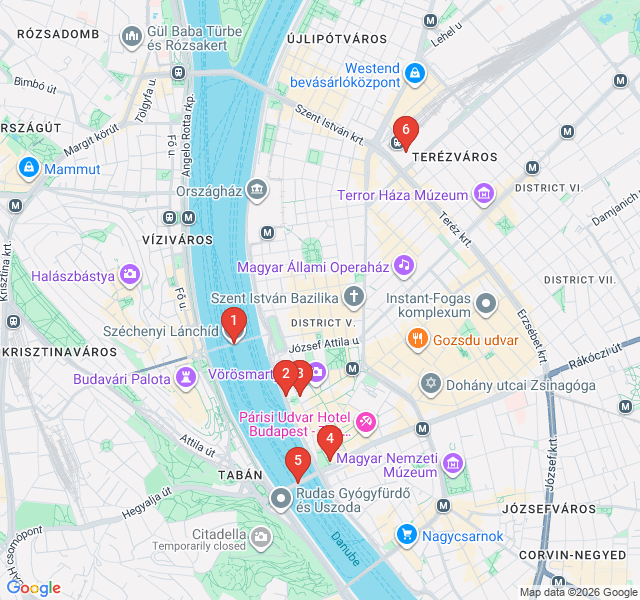
Numbers indicate the order of stops on the tour
The Széchenyi Chain Bridge is the oldest and perhaps most beloved bridge in Budapest. Completed in 1849, it was the first permanent stone bridge to span the Danube, finally uniting the separate cities of Buda and Pest. As you stand at the Pest side entrance, look up at the massive stone lions guarding the crossing. Local legend claims the sculptor, János Marschalkó, was so proud of his work until a child pointed out the lions have no tongues. While they actually do have tongues—they are just hidden from this low angle—the story remains a city favorite. The bridge was a marvel of 19th-century engineering, designed by William Tierney Clark, and it remains a symbol of Hungarian national pride and independence.
Perched on the railings of the Danube Promenade, you will find the 'Kiskirálylány' or Little Princess. This bronze statue was created by sculptor László Marton in 1972, inspired by his young daughter who used to play dress-up in a princess costume and a crown made of newspaper. The statue has become one of the most photographed spots in the city. Notice how the bronze on her knees is polished to a bright gold; it is a local tradition to rub them for good luck. The statue perfectly captures the playful, artistic spirit of the promenade, set against the dramatic backdrop of the Buda Castle across the river.
The Pesti Vigadó is a masterpiece of Hungarian Romantic architecture. Built in the 1860s to replace a previous hall destroyed during the War of Independence, its facade is adorned with statues of famous Hungarian monarchs and mythological figures. For over 150 years, this has been the center of high society and culture in Pest. Legendary composers like Franz Liszt, Richard Wagner, and Johannes Brahms have all graced its stage. Even if you don't go inside, take a moment to admire the intricate carvings and the way the building seems to glow as the sunset hits its limestone walls. It stands as a testament to the city's resilience and its deep-rooted love for the arts.
This church, the Mother Church of Our Lady of the Assumption, is a literal timeline of Budapest’s history. It is the oldest building in Pest, with its foundations resting upon the walls of a Roman fortress called Contra-Aquincum. Over the centuries, it has been transformed from a Romanesque basilica to a Gothic church. During the Ottoman occupation, it was used as a mosque—you can still see a prayer niche, or mihrab, inside near the altar. Following a fire in the 1700s, it was rebuilt in the Baroque style you see today. It is a rare place where you can see architectural elements from every major era of the city's past in a single structure.
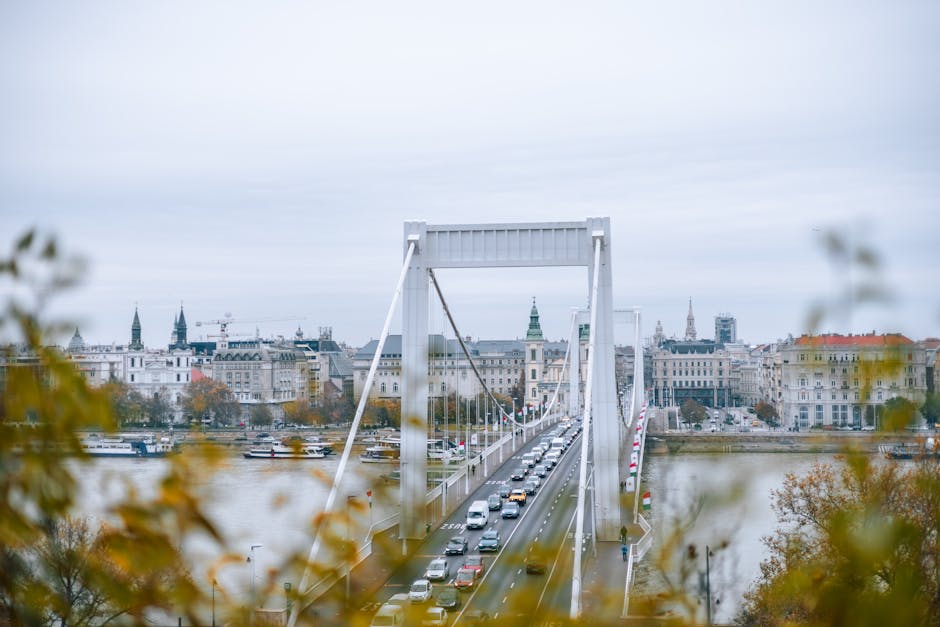
The white, cable-stayed Elisabeth Bridge is named after Empress Elisabeth, known affectionately as Sisi, who was a beloved figure in Hungarian history. The original bridge, built in the early 1900s, was an ornate suspension bridge that was sadly destroyed by retreating German troops during World War II. The current bridge, completed in 1964, opted for a sleek, modern design that was quite controversial at the time. Its minimalist aesthetic provides a sharp contrast to the historic Chain Bridge. As you walk near it, observe how its slender pillars frame the Gellért Hill and the Liberty Statue, making it a favorite subject for modern architectural photography.
Our route concludes at Eiffel tér, a modern landscaped plaza located next to the Nyugati Railway Station. The square is named after Gustave Eiffel’s firm, which designed the stunning glass-and-iron train station adjacent to it. This area represents the bustling, contemporary side of Budapest. The square is a popular gathering spot for locals, featuring terraced lawns and water features. It is the perfect place to watch the city wind down for the evening. The juxtaposition of the 19th-century railway architecture with the modern office buildings and green spaces reflects Budapest's ongoing journey as a dynamic European capital. From here, the city's nightlife and dining districts are just a short walk away.
Download Zigway to experience "Danube Promenade Sunset Stroll" with AI-powered audio narration. Walk at your own pace while stories unfold around you.
 Easy
EasyBudapest, Hungary
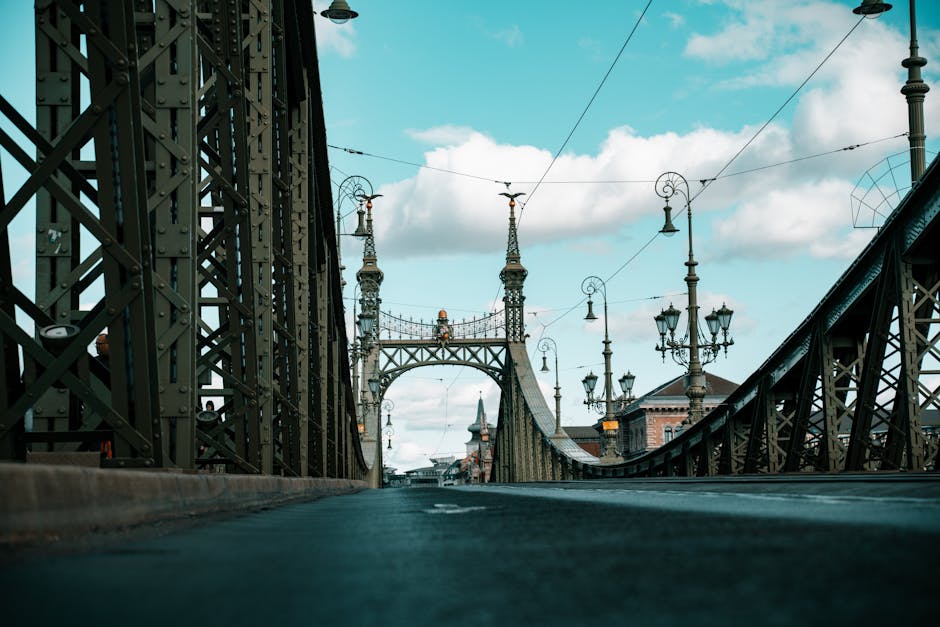
Discover the hidden 'Magnates' Quarter' of Budapest. A self-guided walk through aristocratic history and stunning 19th-century architecture.
 Easy
EasyBudapest, Hungary
Discover the vibrant street art and legendary ruin bars of District VII on this self-guided walk through Budapest’s most eclectic neighborhood.
 Moderate
Budapest, Hungary
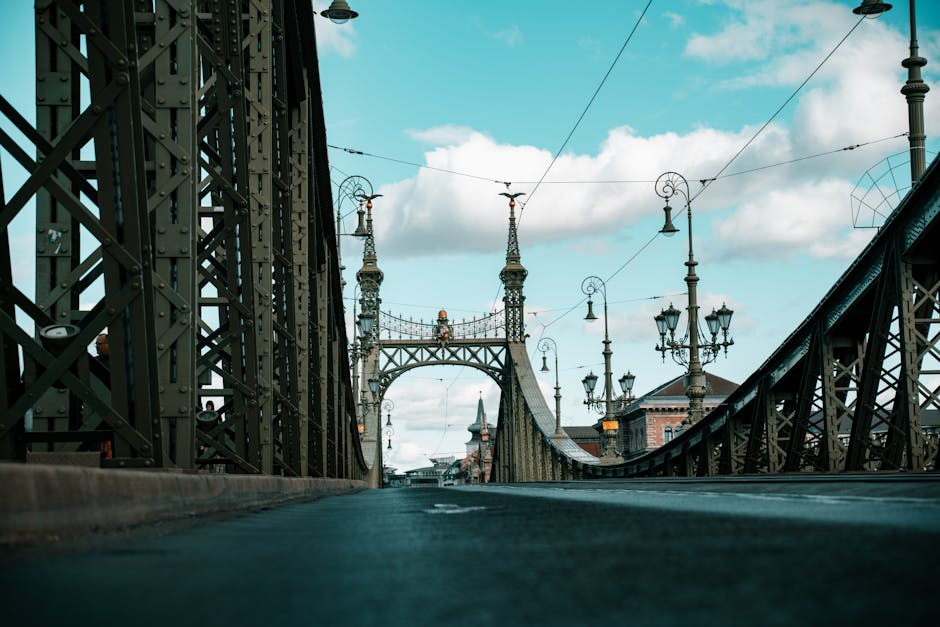
Explore the historic heart of Budapest with this self-guided walk through the Royal Buda Castle district, featuring panoramic views and medieval lore.
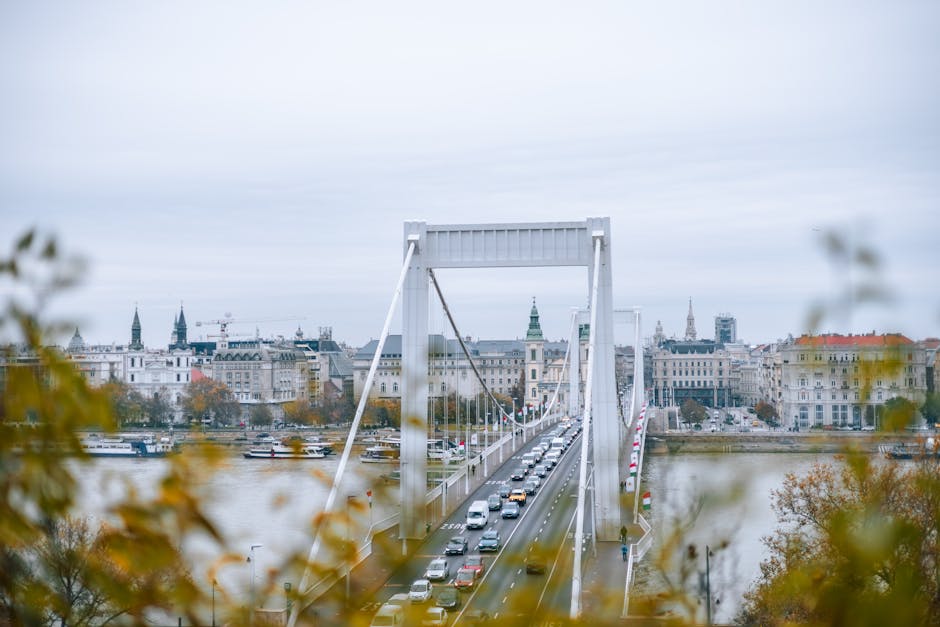 Easy
EasyBudapest, Hungary
Discover the whimsical world of Hungarian Art Nouveau on this self-guided walk through Budapest’s most stunning Secessionist landmarks.
 Easy
EasyNairobi, Kenya
Discover Nairobi's iconic skyline on this self-guided architecture walk through the CBD’s most famous modernist and Brutalist landmarks.
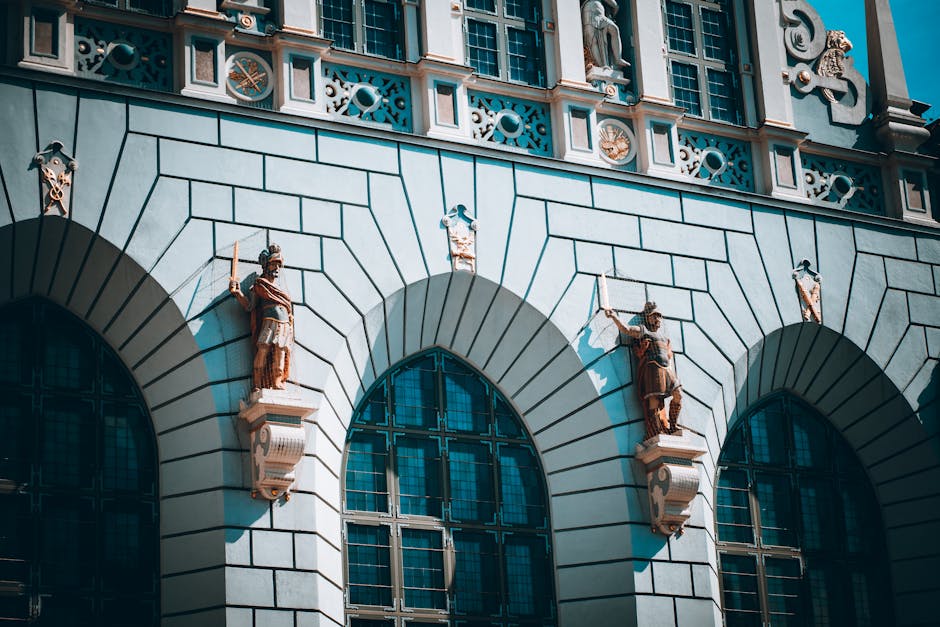 Easy
EasyGdansk, Poland
Discover the opulent Royal Way of Gdansk at your own pace. Explore Hanseatic history, gilded architecture, and the iconic Neptune's Fountain.
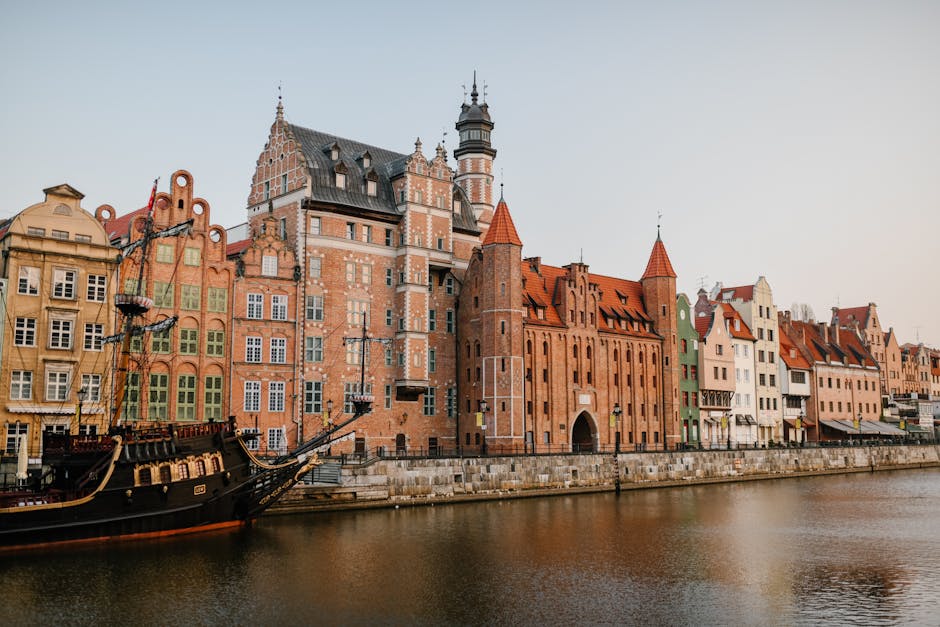 Easy
EasyGdansk, Poland
Discover the 'Baltic Gold' on this self-guided walk through Gdansk's historic mills, massive cathedrals, and the magical Mariacka Street.
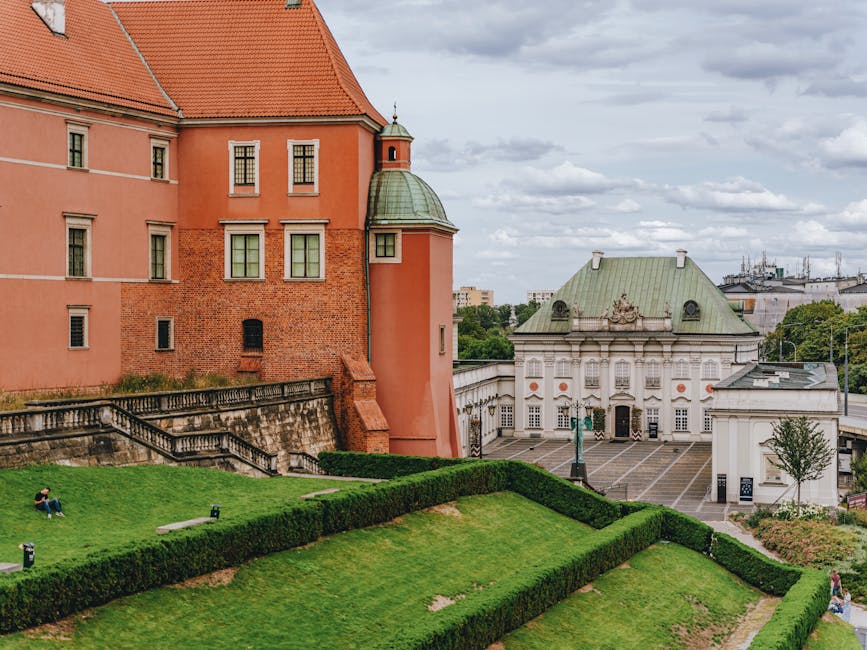 Easy
EasyWarsaw, Poland
Explore the miracle of Warsaw's reconstructed Old Town on this self-guided walk through royal squares, medieval walls, and heroic monuments.
