Budapest is a city where the walls tell stories of a golden age, particularly through the lens of the Secessionist movement. This self-guided walk invites you to explore the 'Hungarian Art Nouveau,' a unique architectural style that flourished at the turn of the 20th century. Unlike the rigid structures of the past, this walking route showcases buildings that ripple with organic curves, vibrant Zsolnay ceramics, and motifs inspired by Hungarian folklore. You will begin in the southern part of the city center and work your way toward the Danube, witnessing how architects like Ödön Lechner—often called the 'Hungarian Gaudí'—redefined the city's skyline. Along this neighborhood stroll, you will encounter the Museum of Applied Arts, a building that looks like it was plucked from a fairy tale with its emerald-green roof. As you move through the bustling streets of District VI and V, the route reveals hidden gems like the former Postal Savings Bank, where the most intricate details are hidden on the roof, intended only for the birds to see. This walking tour Budapest experience is designed for those who appreciate the intersection of history and aesthetics. You will see how the city's elite once shopped in palatial department stores and lived in ornate apartment houses that still stand as testaments to Budapest's creative peak. Whether you are a photography enthusiast looking for the perfect shot of a peacock-themed iron gate or a history buff interested in the Austro-Hungarian era, this independent exploration offers a deep dive into the soul of the city. By the time you reach the grand Gresham Palace on the banks of the river, you will have a profound understanding of why Budapest is considered a world capital of Art Nouveau. This stroll is more than just a sightseeing exercise; it is an invitation to look up and discover the whimsical details that make the Hungarian capital truly unique.
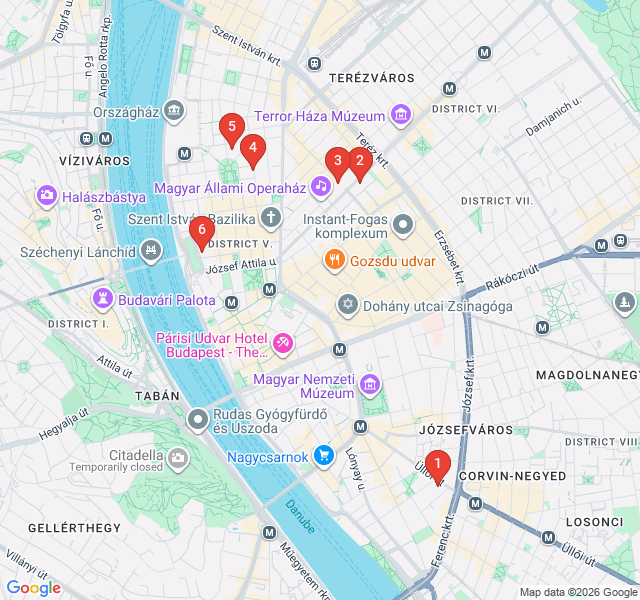
Numbers indicate the order of stops on the tour
Welcome to the starting point of your self-guided adventure. The Museum of Applied Arts is arguably the most significant masterpiece by Ödön Lechner, the pioneer of the Hungarian Secessionist style. Completed in 1896 for the Millennium celebrations, its design was a radical departure from the neoclassical styles of the time. Look up at the roof; those shimmering green and yellow tiles are Zsolnay ceramics, a hallmark of Hungarian craftsmanship. Lechner combined Eastern influences, such as Indian and Islamic motifs, with traditional Hungarian folk art to create a national style. Although the building has faced periods of neglect, its skeletal structure and ornate facade remain a powerful symbol of Budapest's artistic ambition at the turn of the century.
As you walk along Andrássy Avenue, you encounter the Párisi Nagyáruház, or the Paris Department Store. Built in 1911, it was the city's first modern department store, featuring a revolutionary steel-frame structure and a stunning Art Nouveau facade. While the ground floor has seen many uses, the real treasure is found upstairs in the Lotz Hall. This Neo-Renaissance ballroom, decorated with frescoes by Károly Lotz, was preserved and integrated into the later Art Nouveau design. It serves as a reminder of the luxury and elegance that defined Budapest's social life during the Belle Époque. Take a moment to admire the large glass windows that once invited the city's elite to view the latest fashions from Paris.
Located in the heart of 'Pesti Broadway,' the Thalia Theater building is a classic example of the entertainment architecture of the early 1900s. Originally built as the 'Winter Garden' cabaret in 1913, its facade is adorned with intricate reliefs and elegant curves typical of the Secessionist movement. This area was the epicenter of Budapest's nightlife and bohemian culture. The theater's design reflected the transition from formal opera houses to more intimate, avant-garde performance spaces. Notice the surrounding buildings as well; this neighborhood is dense with artistic history, including the nearby Mai Manó House, which served as a prestigious photography studio during the same era.
Often cited as the most beautiful building in Budapest, the Royal Postal Savings Bank is another Ödön Lechner gem. While the street-level view is impressive, the building's most famous features are its roof tiles and ornaments. Lechner decorated the roof with colorful ceramics, floral motifs, and even small statues of bees heading toward hives, symbolizing thrift and industry. When asked why he put such detail where no one could see it, Lechner famously replied that the birds would see it. This building represents the peak of Hungarian Secessionism, blending functionalism with a riot of color and symbolic decoration that challenged the architectural norms of the 1900s.
The Bedö House, designed by Emil Vidor in 1903, is a dedicated shrine to the Art Nouveau movement. Unlike some of the larger public buildings on this route, this was a private apartment house. It now houses the House of Hungarian Art Nouveau, a museum and café. The facade is a textbook example of the style, featuring asymmetrical windows, flowing floral patterns, and Zsolnay ceramic accents. It was designed to be a 'total work of art,' where the architecture, furniture, and even the smallest interior details followed a unified aesthetic. It provides a more intimate look at how the Secessionist style translated into the daily lives of Budapest's wealthy middle class.
Your walking route concludes at the magnificent Gresham Palace. Originally built as an office and luxury apartment complex for the Gresham Life Assurance Company of London, it is now one of the world's most beautiful hotels. Completed in 1906, it represents the more international, 'floral' side of Art Nouveau. Look for the intricate peacock motifs on the iron gates and the stunning glass mosaics in the lobby. The building was painstakingly restored in the early 2000s, bringing its stained glass, Tiffanylamp-style lighting, and grand staircases back to their original glory. It stands as a triumphant finale to your stroll, overlooking the Chain Bridge and the Danube River.
Download Zigway to experience "Secessionist Budapest: The Art Nouveau Trail" with AI-powered audio narration. Walk at your own pace while stories unfold around you.
 Easy
EasyBudapest, Hungary
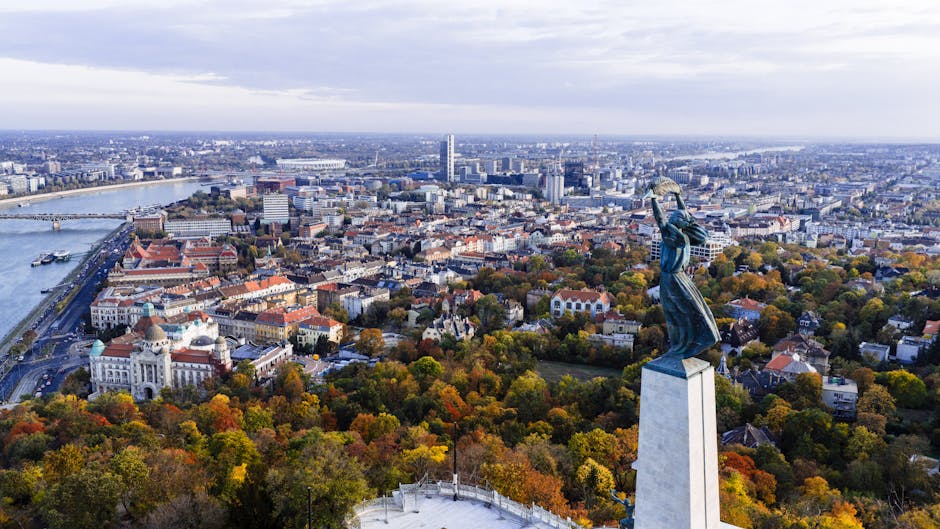
Experience the magic of Budapest at sunset on this self-guided walk along the Danube, featuring iconic bridges, historic halls, and hidden gems.
 Easy
EasyBudapest, Hungary
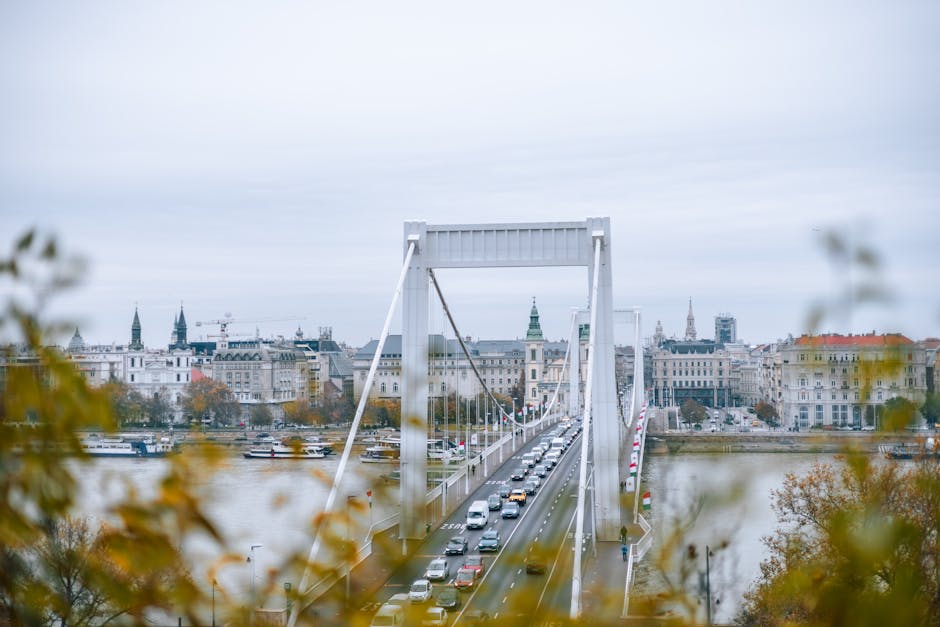
Discover the hidden 'Magnates' Quarter' of Budapest. A self-guided walk through aristocratic history and stunning 19th-century architecture.
 Easy
EasyBudapest, Hungary
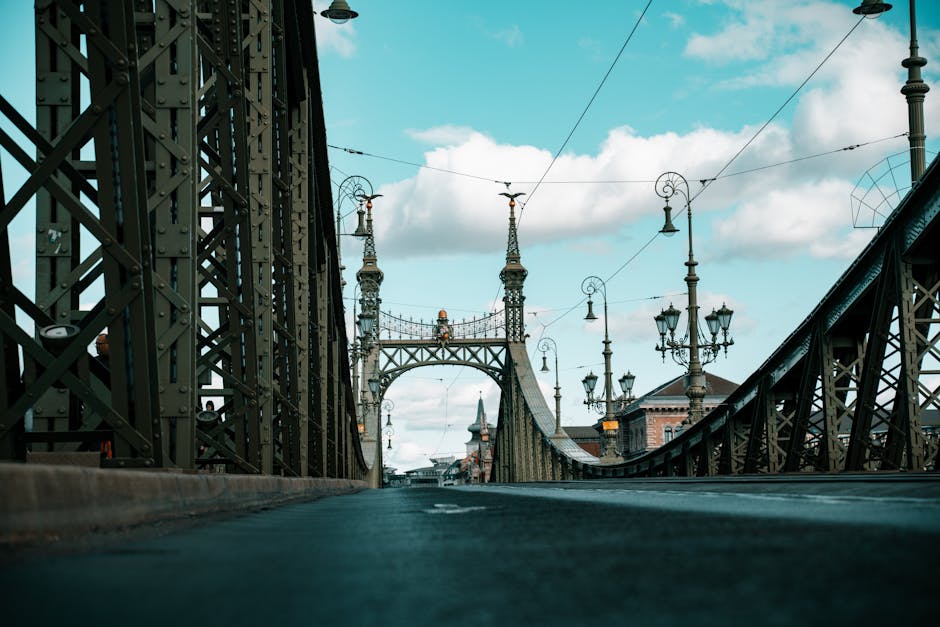
Discover the vibrant street art and legendary ruin bars of District VII on this self-guided walk through Budapest’s most eclectic neighborhood.
 Moderate
Budapest, Hungary
Explore the historic heart of Budapest with this self-guided walk through the Royal Buda Castle district, featuring panoramic views and medieval lore.
 Easy
EasyWarsaw, Poland
Explore the miracle of Warsaw's reconstructed Old Town on this self-guided walk through royal squares, medieval walls, and heroic monuments.
 Easy
EasyNairobi, Kenya
Explore the history of Kenya’s independence through the statues, monuments, and parks that define Nairobi’s political heart on this self-guided walk.
 Easy
EasyNairobi, Kenya
Discover Nairobi's iconic skyline on this self-guided architecture walk through the CBD’s most famous modernist and Brutalist landmarks.
 Easy
EasyGdansk, Poland
Discover the opulent Royal Way of Gdansk at your own pace. Explore Hanseatic history, gilded architecture, and the iconic Neptune's Fountain.
