Guanajuato is a city built on layers of history, both literal and metaphorical. This self-guided walk invites you to descend beneath the colorful facades of the surface and enter a world unlike any other: a sprawling network of subterranean tunnels that serve as the city's main arteries. Originally constructed to divert the Guanajuato River and prevent the devastating floods that plagued the city for centuries, these stone-arched passages were later repurposed into a unique traffic system in the mid-20th century. This neighborhood stroll captures the engineering brilliance of the colonial era and the modern ingenuity that keeps this UNESCO World Heritage site moving. As you explore, you will witness the transition from the dark, cool atmosphere of the tunnels to the vibrant, sun-drenched plazas above. Key landmarks like the Calle Subterranea showcase the masterful stone masonry and the distinctive 'Guanajuato Green' volcanic stone. By following this walking route, you will uncover how the city's geology dictated its architecture, forcing builders to go down when they could no longer go up. From the historical depths of Túnel Santa Fe to the panoramic heights of the Monumento Al Pípila, this audio walk offers a comprehensive look at the city's verticality. This walking tour Guanajuato provides an independent way to experience the hidden corners of the city, allowing you to stop and admire the play of light against the cavernous walls at your own pace. Whether you are interested in civil engineering, colonial history, or simply looking for the most Instagram-worthy stone arches in Mexico, this journey through the subterranean secrets of Guanajuato will change how you see the world above.
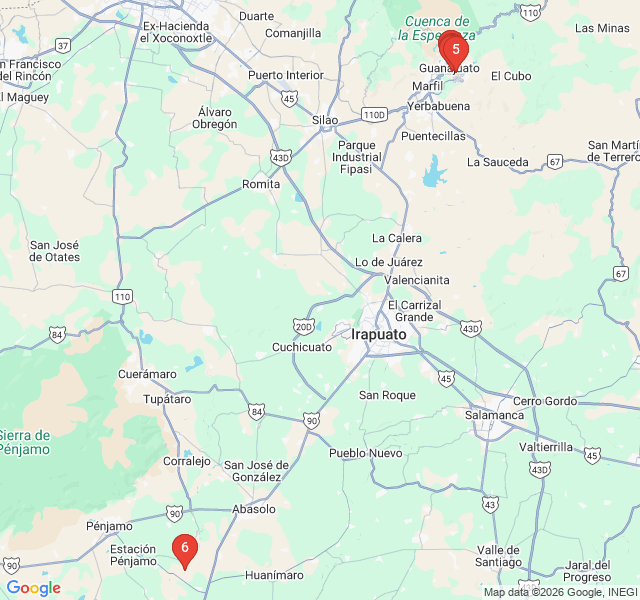
Numbers indicate the order of stops on the tour
Welcome to the entrance of Guanajuato's hidden world. The Túnel Santa Fe is one of the primary gateways into the subterranean network. As you stand here, notice the massive stone blocks and the cool draft emanating from the tunnel. These passages weren't originally built for cars; they were designed in the late 19th century to channel the Guanajuato River safely beneath the city. Before these tunnels existed, the city suffered from catastrophic flooding. Today, this tunnel serves as a vital transit link, showcasing the transition from 19th-century hydraulic engineering to 20th-century urban planning. Look up at the ceiling to see the soot-stained arches, a testament to decades of use.
Emerging from the depths, you find yourself in the heart of 'Upper' Guanajuato at the Plaza de la Paz. This triangular plaza is surrounded by some of the city's most prestigious colonial buildings, including the Basilica of Our Lady of Guanajuato with its striking yellow facade. Historically, this was the center of power for the wealthy mine owners. The contrast here is intentional: the bright, open space represents the wealth and status of the surface, while the tunnels you just left represent the industrial and practical foundations of the city. Take a moment to appreciate how the city's verticality connects the spiritual heights of the Basilica to the functional depths of the streets below.
You are now entering the Miguel Hidalgo Underground Street, arguably the most famous subterranean road in the world. Officially inaugurated in 1963, this street follows the old bed of the Guanajuato River. Walking along the sidewalks here, you can see the foundations of colonial houses and the intricate stone buttresses that support the city above. The arches are made of 'cantera,' a local volcanic stone. Notice the staircases that seemingly lead to nowhere—these are actually 'private' entrances to the basements of the buildings overhead. This street is the crown jewel of the neighborhood stroll, offering a surreal, cinematic atmosphere that has inspired countless photographers.
To understand the tunnels, you must see them from above. A short climb or funicular ride brings you to the feet of El Pípila, a local hero of the Mexican War of Independence. From this vantage point, you can trace the route of the tunnels as they snake through the valley. Look for the dark openings in the hillside; those are the exits of the subterranean network. The monument honors Juan José de los Reyes Martínez Amaro, who famously strapped a stone to his back to protect himself from bullets while he set fire to the Alhóndiga gates. The view here perfectly illustrates why Guanajuato had to go underground: the narrow valley simply ran out of room to grow horizontally.
As you descend back toward the center, you encounter the Túnel Ponciano Aguilar. Named after the brilliant local engineer and astronomer who contributed significantly to the city's infrastructure, this tunnel is a masterpiece of 19th-century masonry. Aguilar was instrumental in the construction of the Presa de la Olla and several mining projects. This specific tunnel highlights the rugged beauty of the natural rock walls interspersed with carefully placed stone arches. It serves as a reminder that Guanajuato's wealth and survival have always been tied to the earth, from the silver extracted from its mines to the tunnels carved for its safety.
While located a bit further from the immediate city center, the aesthetics of Los Arcos echo the stone-arched theme of the Guanajuato tunnels. This area highlights the regional use of stone masonry to create grand, enduring structures. In the context of our walk, it represents the extension of Guanajuato's architectural DNA into the surrounding landscape. The use of arches here isn't just for support; it's a stylistic choice that defines the Bajío region's identity. It's a perfect place to reflect on how the necessity of the tunnels in the city center evolved into a celebrated architectural style that defines the beauty of the entire state.
Download Zigway to experience "Subterranean Secrets: The Underground Tunnels" with AI-powered audio narration. Walk at your own pace while stories unfold around you.
 Moderate
Guanajuato, Mexico
Explore the myths and hidden alleys of Guanajuato on this self-guided walk through romantic corners and legendary historic sites.
 Easy
EasyGuanajuato, Mexico
Explore Guanajuato's vibrant nightlife through hidden mezcalerias, historic cantinas, and musical plazas on this self-guided evening stroll.
 Challenging
Guanajuato, Mexico
Ascend from the famous mummies to the opulent silver mines on this challenging self-guided walk through Guanajuato's industrial and colonial past.
 Easy
EasyGuanajuato, Mexico
Discover the vibrant tastes of Guanajuato on this self-guided walk through markets, plazas, and local sweet shops.
 Easy
EasyGdansk, Poland
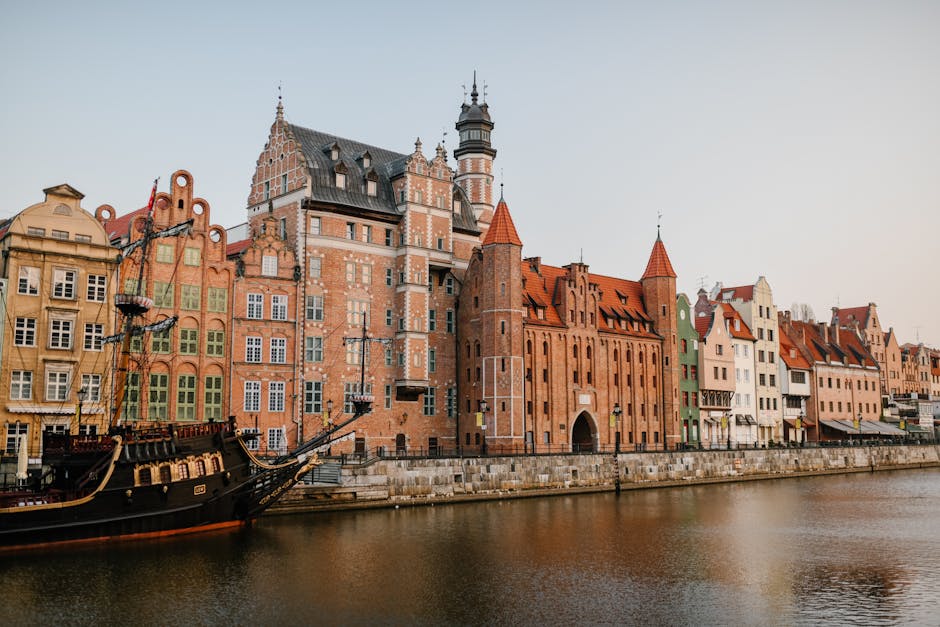
Discover the opulent Royal Way of Gdansk at your own pace. Explore Hanseatic history, gilded architecture, and the iconic Neptune's Fountain.
 Easy
EasyGdansk, Poland
Discover the 'Baltic Gold' on this self-guided walk through Gdansk's historic mills, massive cathedrals, and the magical Mariacka Street.
 Easy
EasyWarsaw, Poland
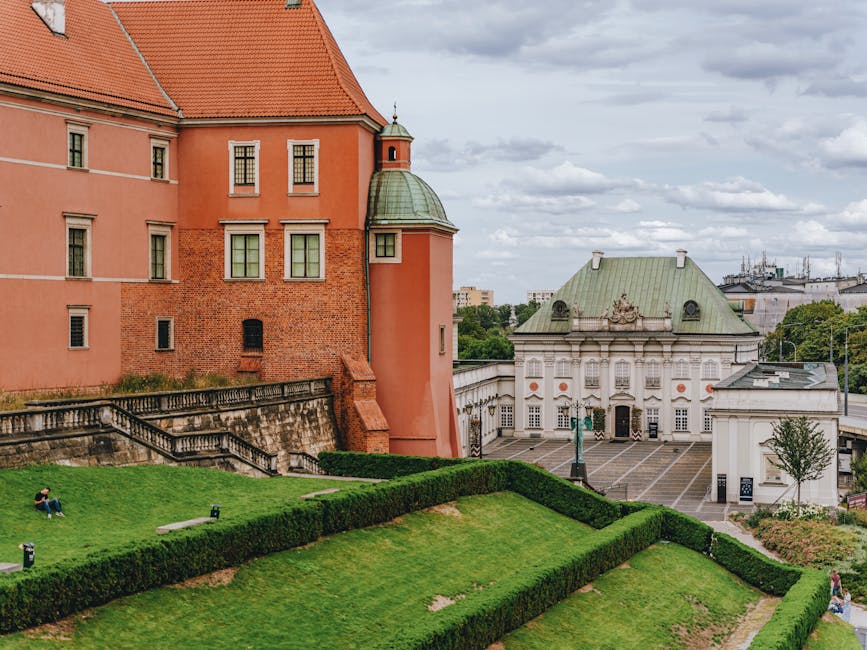
Explore the miracle of Warsaw's reconstructed Old Town on this self-guided walk through royal squares, medieval walls, and heroic monuments.
 Easy
EasyHelsinki, Finland
Discover Helsinki's oldest neighborhood on this self-guided audio walk through Kruununhaka’s historic streets, hidden courtyards, and scenic shores.
 Easy
EasyMexico City, Mexico
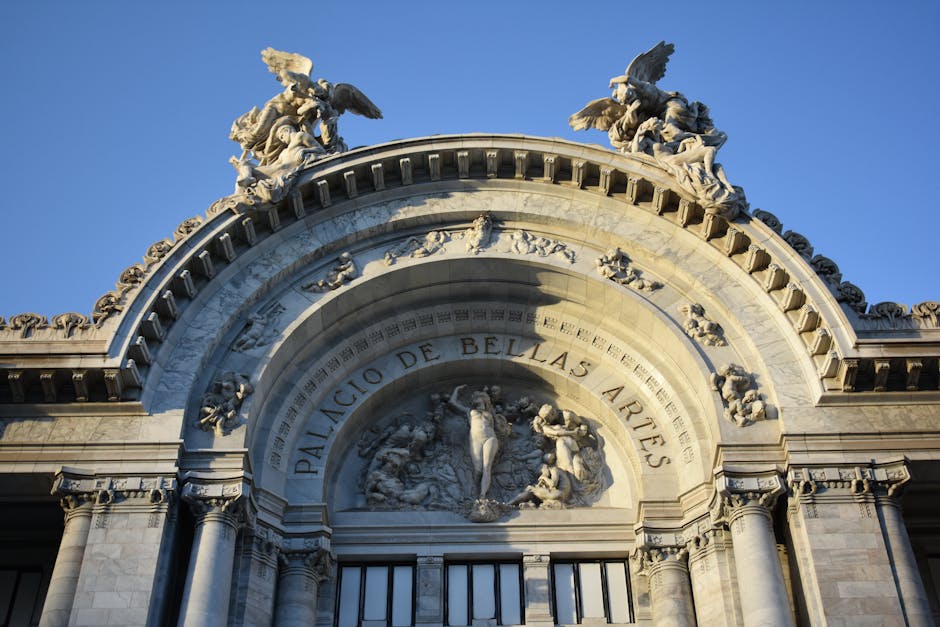
Explore Mexico City's most glamorous district on this self-guided walk through Polanco's luxury boutiques, lush parks, and iconic art museums.
 Easy
EasyMexico City, Mexico
Explore the Art Deco architecture and gourmet food scene of Roma Norte on this self-guided neighborhood stroll through Mexico City’s creative heart.
 Easy
EasyMexico City, Mexico
Explore the epic murals of Rivera, Orozco, and Siqueiros on this self-guided walking route through the heart of Mexico City’s historic center.
 Moderate
Mexico City, Mexico
Taste the legendary tacos and cantina culture of Narvarte on this self-guided walk through Mexico City's most authentic foodie neighborhood.
