Step into the heart of the Mexican War of Independence with this self-guided walk through the winding, subterranean, and sky-high streets of Guanajuato. This neighborhood stroll is not just a journey through a UNESCO World Heritage site, but a trek through the very birthplace of a nation's freedom. As you follow this walking route, you will experience the grit and glory of 1810, when a ragtag army of insurgents challenged the Spanish Crown. This history-focused itinerary begins at the formidable Alhóndiga de Granaditas, a grain storehouse turned fortress that witnessed the first major battle of the revolution. From there, you will navigate the colorful alleys of the Centro, passing through the elegant Plaza de la Paz and the vibrant Jardín de la Unión, where the architecture tells a story of colonial wealth built on silver and the eventual rebellion against it. What makes this independent adventure special is the climb—either by foot or by funicular—to the Monumento Al Pípila. Standing high above the city, this site offers a panoramic view that contextualizes the entire struggle for independence. You will see the city as the insurgents did, huddled in the valley between steep mountains. This self-guided walk is designed for those who want to explore Guanajuato at their own pace, moving from the site of bloody sieges to the homes of revolutionary thinkers. Whether you are a history buff or a photography enthusiast, this route captures the essence of Mexico’s 'Cradle of Independence.' While exploring the walking tour Guanajuato, you'll find that every cobblestone and hidden plaza has a story to tell about the heroes and martyrs who shaped the modern republic. This is more than a walking tour Guanajuato; it is an immersive dive into the soul of Mexico, concluding with the legacy of Father Miguel Hidalgo and the cry for freedom that still resonates today.
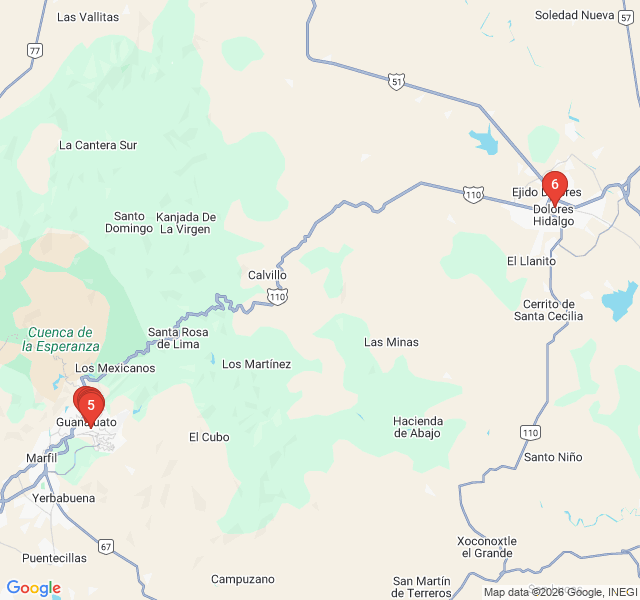
Numbers indicate the order of stops on the tour
Start your journey at this massive stone structure, originally built as a grain warehouse in the late 18th century. Its thick walls and fortress-like appearance were intended to store corn, but in September 1810, it became the site of the first major victory for the insurgent army led by Miguel Hidalgo. Imagine the chaos as thousands of revolutionaries surrounded the Spanish soldiers and wealthy families barricaded inside. The building still bears the marks of history, including the hooks on the four corners where the severed heads of the rebel leaders—Hidalgo, Allende, Aldama, and Jiménez—were hung for ten years as a warning. Today, it serves as a museum housing significant archaeological and historical collections.
As you walk toward the center, you pass through the area associated with Juan Valle, a 19th-century poet and politician from Guanajuato. While the independence movement was born of fire and sword, it was sustained by the intellectual and literary contributions of men like Valle. This stretch of the city reflects the transition from the colonial era to the independent republic. The narrow streets here are typical of Guanajuato's unique urban planning, designed to accommodate the silver mining wealth that funded the Spanish Empire. Notice the intricate stonework on the facades, a testament to the skilled craftsmanship of the local population during the height of the mining boom.
Arrive at the 'Plaza of Peace,' the triangular heart of the city. Dominating the square is the Basilica of Our Lady of Guanajuato, painted a striking yellow and red. This plaza was the center of social and political power during the colonial period. It was here that many of the city's elite lived in grand mansions, some of which still stand today. The bronze monument in the center commemorates the end of the War of Reform, but for the independence story, this plaza represents the established order that the insurgents sought to overturn. It’s a perfect place to observe the blend of Baroque and Neoclassical styles that define the city's aesthetic.
This manicured, laurel-shaded park is Guanajuato’s living room. Surrounded by restaurants and the stunning Teatro Juárez, it has been a focal point for the community since the 1830s. During the independence era, these central spaces were often where proclamations were read and public gatherings took place. While today you’ll hear the music of roving estudiantinas (traditional musical groups), in 1810, these streets echoed with the shouts of '¡Viva México!' The garden serves as a bridge between the historic struggles of the past and the vibrant, festive culture of modern Guanajuato. Take a moment to appreciate the social fabric that the revolution helped weave.
To reach this stop, you can take the steep stone stairs or the convenient funicular. The massive statue honors Juan José de los Reyes Martínez, known as 'El Pípila.' Legend says this local miner strapped a large flat stone to his back to protect himself from Spanish bullets, allowing him to reach the wooden door of the Alhóndiga and set it on fire with a torch. This act of bravery allowed the insurgents to breach the fortress. The inscription at the base reads: '...aun hay otras alhóndigas por incendiar' (there are still other granaries to burn). From this vantage point, you can see the entire layout of the city you just traversed.
This final stop brings you to the home of the 'Father of the Nation,' Miguel Hidalgo y Costilla. Although the main revolutionary events took place in the city center, this site (located in nearby Dolores Hidalgo) is essential to the narrative. It was from his parish that Hidalgo issued the 'Grito de Dolores,' the cry for independence. Inside the museum, you can see period furniture, documents, and personal belongings that humanize the man behind the myth. It provides a quiet, reflective end to the journey, showing the humble beginnings of a movement that eventually overthrew centuries of colonial rule. It is a reminder that the path of the insurgents began with a single voice calling for justice.
Download Zigway to experience "Path of the Insurgents: The Independence Story" with AI-powered audio narration. Walk at your own pace while stories unfold around you.
 Moderate
Guanajuato, Mexico
Explore the myths and hidden alleys of Guanajuato on this self-guided walk through romantic corners and legendary historic sites.
 Easy
EasyGuanajuato, Mexico
Explore Guanajuato's vibrant nightlife through hidden mezcalerias, historic cantinas, and musical plazas on this self-guided evening stroll.
 Challenging
Guanajuato, Mexico
Ascend from the famous mummies to the opulent silver mines on this challenging self-guided walk through Guanajuato's industrial and colonial past.
 Easy
EasyGuanajuato, Mexico
Discover the vibrant tastes of Guanajuato on this self-guided walk through markets, plazas, and local sweet shops.
 Moderate
Gdansk, Poland
Discover the origins of WWII in Gdansk on this self-guided walk through heroic last stands, massive museums, and strategic hilltop fortifications.
 Moderate
Warsaw, Poland
Explore the resilient spirit of Warsaw's Muranów district on this self-guided walk through the history and landmarks of the former Jewish Ghetto.
 Moderate
Warsaw, Poland
A powerful self-guided walk through Warsaw's WWII history, tracking the 1944 Uprising from ruined skyscrapers to solemn memorials.
 Moderate
Vienna, Austria
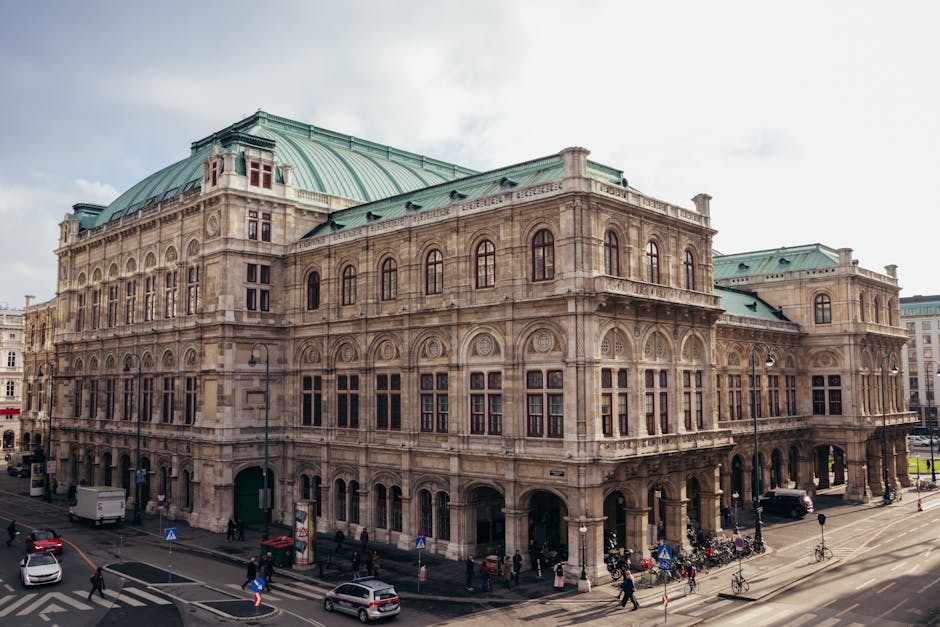
Follow the footsteps of Mozart and Strauss through Vienna’s historic center on this self-guided walk through the city's rich musical history.
 Easy
EasyMexico City, Mexico
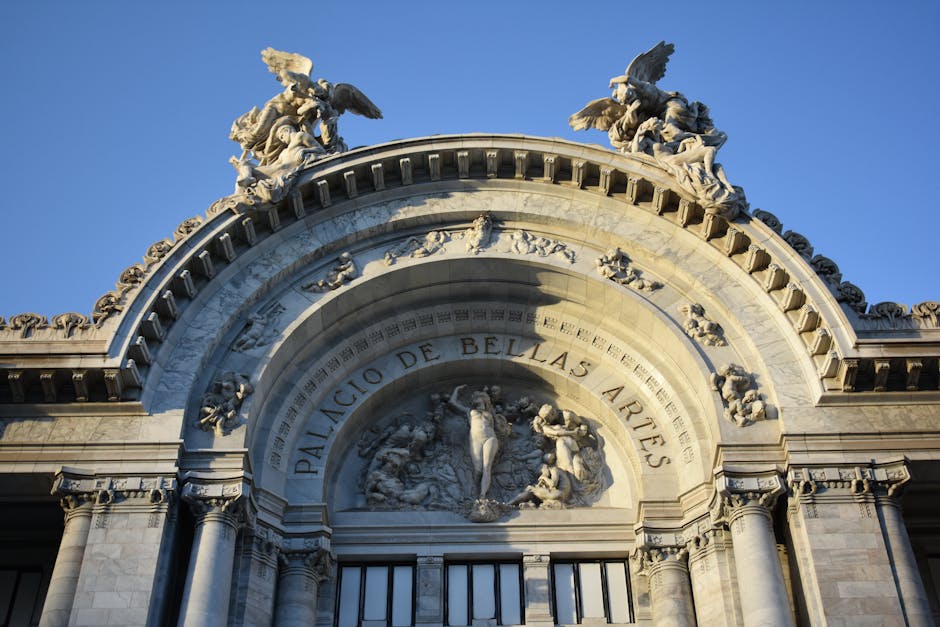
Explore Mexico City's most glamorous district on this self-guided walk through Polanco's luxury boutiques, lush parks, and iconic art museums.
 Easy
EasyMexico City, Mexico
Explore the Art Deco architecture and gourmet food scene of Roma Norte on this self-guided neighborhood stroll through Mexico City’s creative heart.
 Easy
EasyMexico City, Mexico
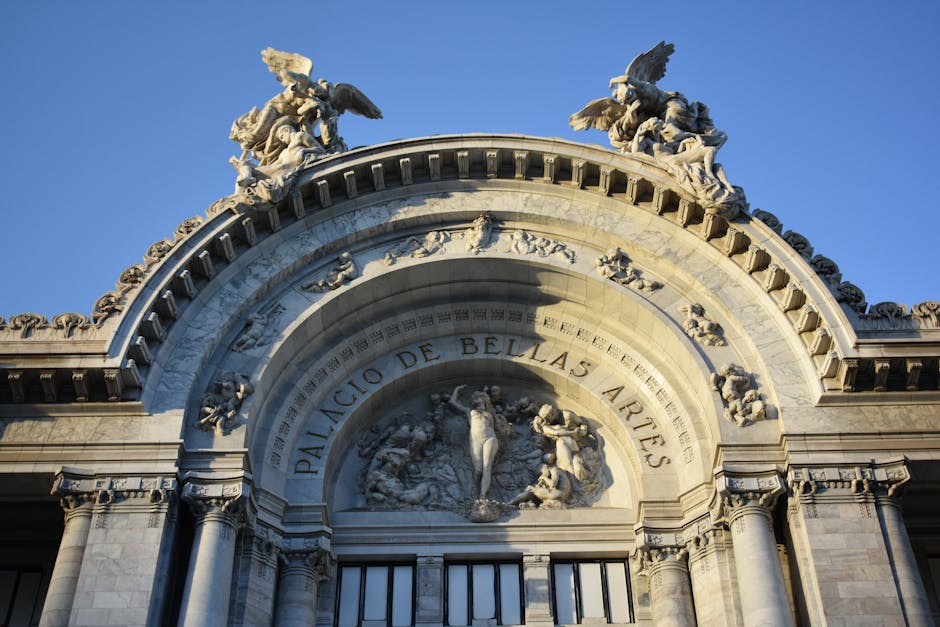
Explore the epic murals of Rivera, Orozco, and Siqueiros on this self-guided walking route through the heart of Mexico City’s historic center.
 Moderate
Mexico City, Mexico
Taste the legendary tacos and cantina culture of Narvarte on this self-guided walk through Mexico City's most authentic foodie neighborhood.
