Beyond the gleaming marble of Udaipur’s City Palace lies a world of intricate detail and centuries-old craftsmanship. This self-guided walking route takes you through the vibrant Hathi Pol neighborhood, the artistic heartbeat of the city. While many visitors stick to the main lakeside vistas, this journey invites you to step into the workshops and bazaars where Udaipur’s famed miniature paintings, leatherwork, and textiles come to life. You will explore the evolution of the Mewar school of art, characterized by its vibrant colors and incredible precision, often using brushes made from a single squirrel hair. This walking tour Udaipur route begins with the rustic charm of traditional shoemaking before leading you into the sensory explosion of Bada Bazaar, where the air is thick with the scent of spices and the shimmer of silver. As you navigate the narrow lanes, you will discover hidden havelis repurposed into textile treasure troves and government emporiums that safeguard the region’s heritage. The experience culminates at a dedicated folk art museum, providing context to the puppetry and tribal arts that define Rajasthan’s soul. This neighborhood stroll is more than a shopping trip; it is an independent exploration of the living traditions that make Udaipur a global capital of fine art. Whether you are an art student or a curious traveler, this walking tour Udaipur path offers a deep dive into the creative spirit of the 'City of Lakes' at your own pace.
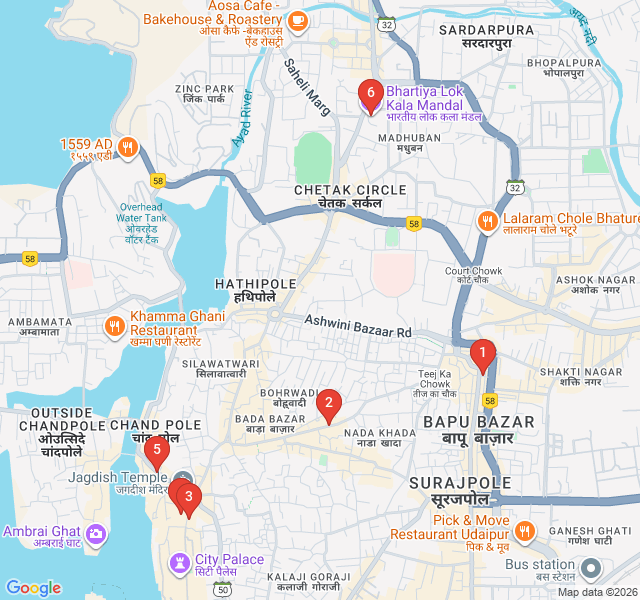
Numbers indicate the order of stops on the tour
Start your self-guided walk at Sourav Mochi, a humble yet essential stop in the Hathi Pol area. Here, you can observe the traditional art of leather craftsmanship. Udaipur is famous for its 'Mojari'—handcrafted leather shoes often made from camel skin. These shoes are known for their durability and the vibrant embroidery that adorns them. Watch as skilled artisans cut, stitch, and decorate the leather using techniques passed down through generations. This isn't just footwear; it's a piece of Rajasthani identity. The mochis (shoemakers) here represent a lineage of craftsmen who have served both royalty and commoners for centuries, adapting their ancient skills to modern tastes while maintaining the integrity of the material.
Step into the organized chaos of Bada Bazaar, the 'Big Market' of Udaipur. This is where the city's pulse is most palpable. As you walk through these narrow streets, you’ll see a kaleidoscope of colors from Bandhani textiles, glittering jewelry, and stacks of hand-painted pottery. Bada Bazaar is a commercial hub that has remained largely unchanged in spirit for decades. It is the perfect place to observe local life, from residents haggling over copperware to vendors displaying intricate silver ornaments. Keep an eye out for the small alcoves where gold and silversmiths work. The bazaar serves as a vital bridge between the rural artisans of the surrounding Aravalli hills and the urban market of the city.
Ganesh Emporium is much more than a shop; it is a living museum of Rajasthani textiles housed in a stunning 350-year-old haveli. As you enter, look up at the architectural details of the courtyard. The emporium is famous for its collection of antique fabrics, vintage embroidery, and 'Pichwai' paintings—large-scale artworks on cloth that traditionally depict scenes from the life of Lord Krishna. The owners have spent decades collecting rare pieces from remote villages. This stop offers a quiet, cool respite from the bazaar outside, allowing you to appreciate the sheer diversity of Rajasthani needlework, from mirror-work to intricate Zardozi gold embroidery, all within the walls of a historic merchant's home.
For a comprehensive overview of the state's craft heritage, visit Rajasthali. This is the official Rajasthan Government emporium, established to ensure that traditional artisans receive fair wages and that the quality of Rajasthani crafts is preserved. Inside, you will find a curated selection of items from every corner of the state: blue pottery from Jaipur, terracotta from Molela, and marble carvings from Makrana. It is an excellent place to calibrate your eye for quality. Because it is government-run, the prices are fixed and the authenticity is guaranteed, making it a reliable reference point for the various art forms you will see elsewhere in the city.
Ashoka Arts is a premier destination for understanding the meticulous world of Udaipur’s miniature paintings. This art form, which reached its peak under the patronage of the Mewar Maharanas, requires incredible patience. Artists here often use natural pigments derived from minerals, vegetables, and even precious stones like lapis lazuli. The brushes are famously fine, sometimes consisting of just a few hairs from a squirrel's tail. As you explore, you can see works depicting royal hunts, courtly life, and Hindu mythology. If you're lucky, you might see an artist at work, leaning over a small piece of silk or handmade paper, adding details so fine they are best viewed under a magnifying glass.
Your journey concludes at the Bhartiya Lok Kala Mandal, a cultural institution dedicated to the folk arts of Rajasthan, Gujarat, and Madhya Pradesh. Founded in 1952, this museum houses an extensive collection of folk deities, traditional costumes, tribal masks, and musical instruments. However, it is most famous for its puppet collection. Puppetry, or 'Kathputli', is a vital part of Rajasthani storytelling. The museum works tirelessly to keep this oral and visual tradition alive. Exploring the exhibits here provides a broader context to the crafts you’ve seen today, showing how art in this region is deeply intertwined with daily life, religious rituals, and the history of the local communities.
Download Zigway to experience "Artisans and Miniature Paintings Trail" with AI-powered audio narration. Walk at your own pace while stories unfold around you.
 Challenging
Udaipur, India
Explore the historic defense gates of Udaipur on this self-guided walk through the ancient city perimeter and bustling traditional markets.
 Easy
EasyUdaipur, India
Discover Udaipur's authentic flavors on this self-guided stroll from historic bazaars to vibrant evening food circles.
 Easy
EasyUdaipur, India
Discover the vibrant markets, historic temples, and legendary lakeside views of Udaipur on this self-guided stroll through Bhattiyani Chohatta.
 Moderate
Udaipur, India
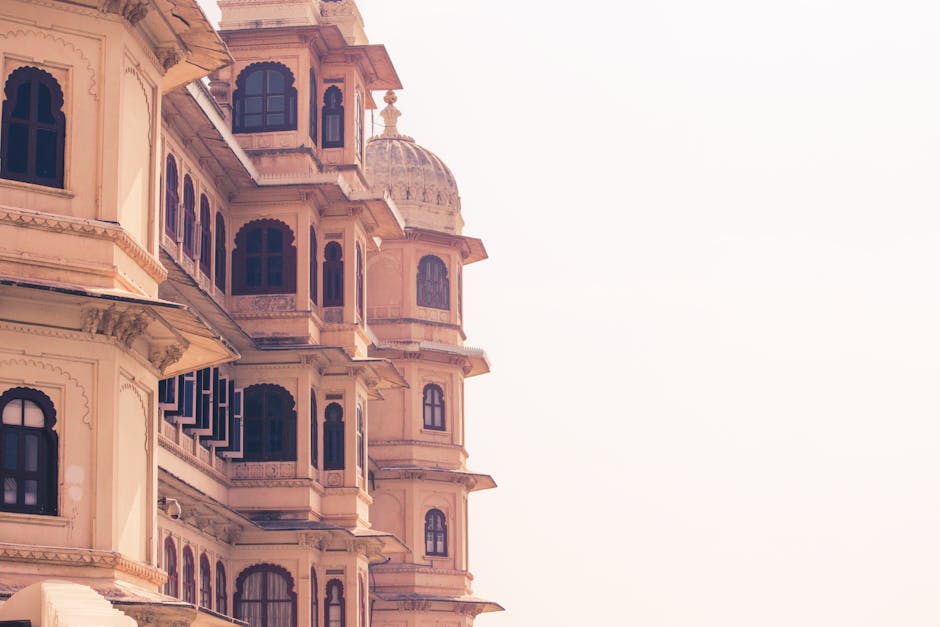
Explore the royal heart of Udaipur on this self-guided walking route through historic temples, lakeside mansions, and the majestic City Palace.
 Easy
EasyInnsbruck, Austria
Discover the flavors of Tyrol on this self-guided stroll through Innsbruck’s historic Old Town and vibrant market hall.
 Easy
EasyNairobi, Kenya
Explore Nairobi's architectural evolution from colonial-era landmarks to iconic Brutalist skyscrapers on this historic self-guided walking route.
 Easy
EasyNairobi, Kenya
Discover Nairobi's iconic skyline on this self-guided architecture walk through the CBD’s most famous modernist and Brutalist landmarks.
 Easy
EasyNairobi, Kenya
Discover Nairobi’s literary soul on this self-guided walk through historic libraries, iconic bookshops, and cultural centers in the heart of the CBD.
 Easy
EasyMumbai, India
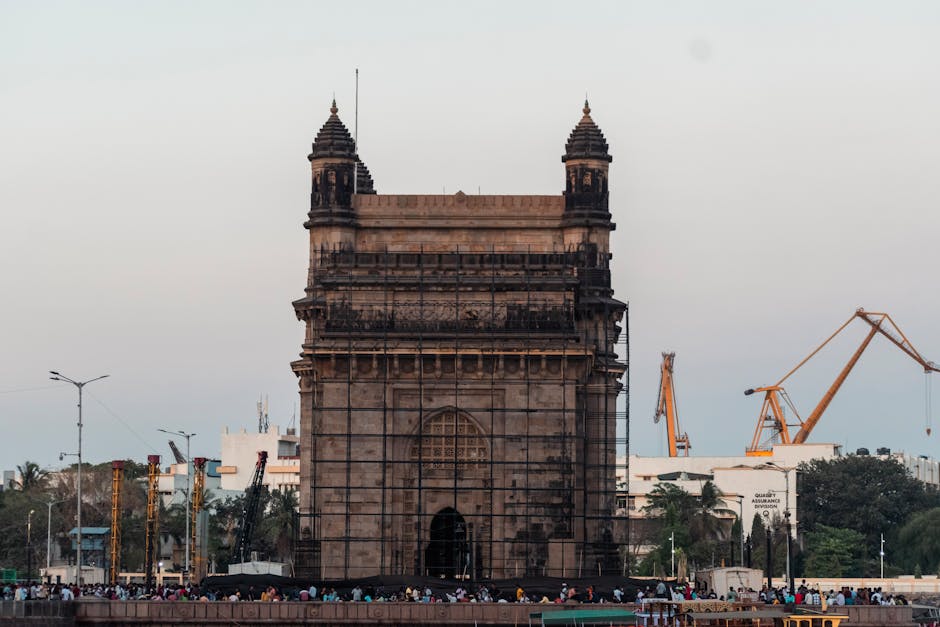
Explore Mumbai's stunning UNESCO Art Deco heritage on this self-guided walking route along the iconic Marine Drive promenade.
 Challenging
Mumbai, India
Experience the sensory explosion of Mumbai's historic markets on this challenging self-guided walk through Kalbadevi and Crawford Market.
 Easy
EasyMumbai, India
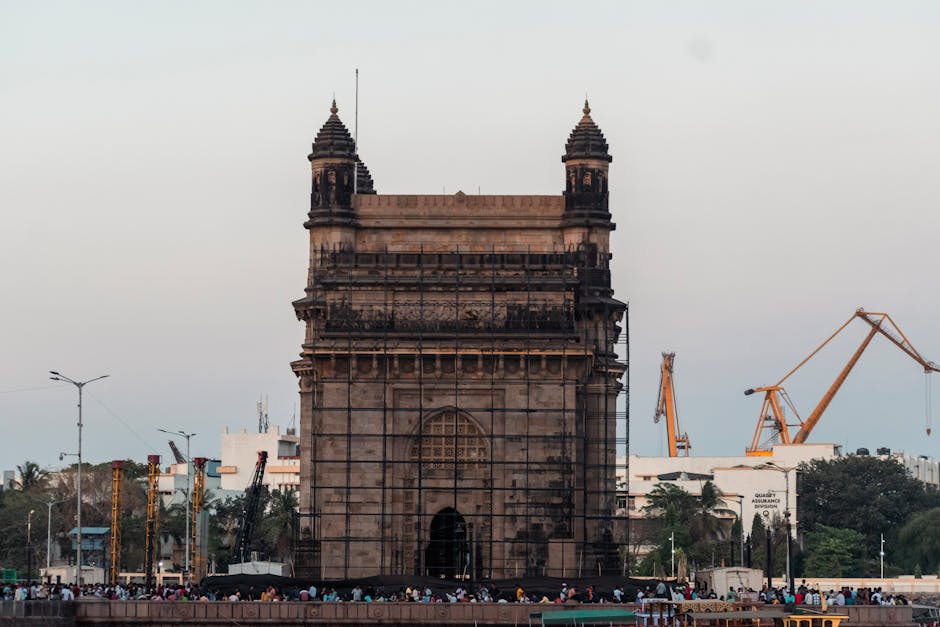
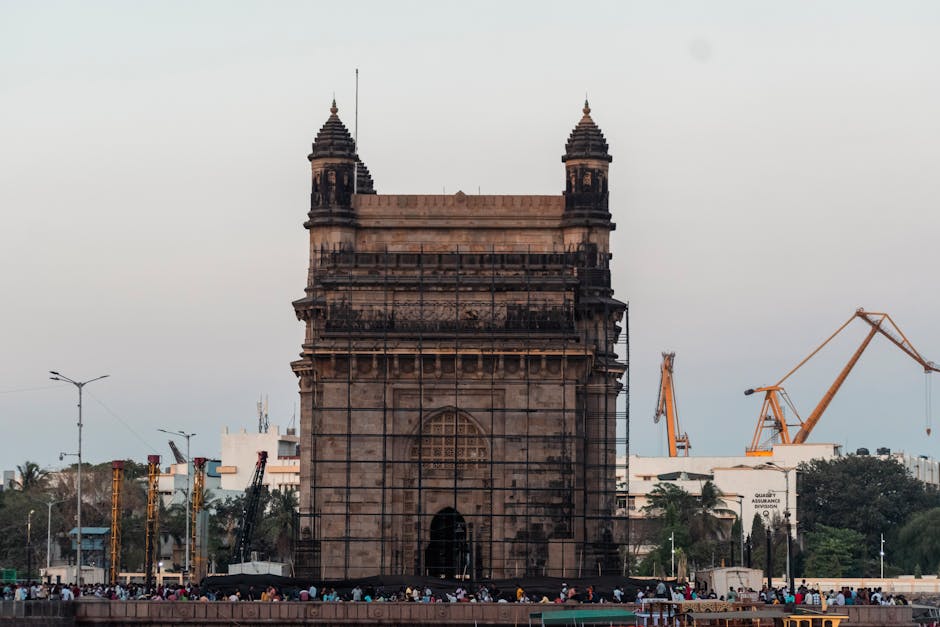
Explore Mumbai's colonial legacy on this self-guided walk through Colaba's iconic landmarks, from the Gateway of India to grand Art Deco palaces.
 Moderate
Mumbai, India
Explore the ancient fishing village of Worli Koliwada, historic forts, and stunning sea views on this self-guided cultural walking route.
